Sexual Health & Wellness
Body-positive, evidence-based answers on pleasure, comfort and sexual health at every stage of life. Practical guidance, with clear advice on when to talk to a clinician.
8 articles

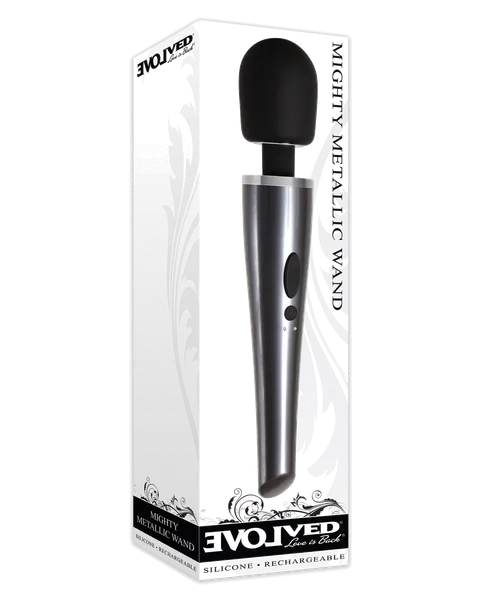
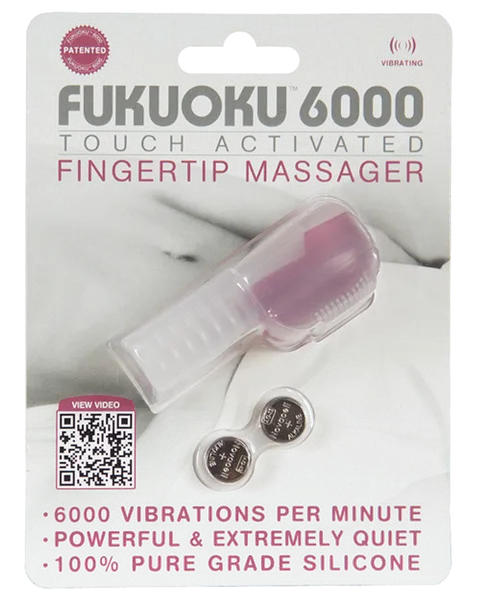
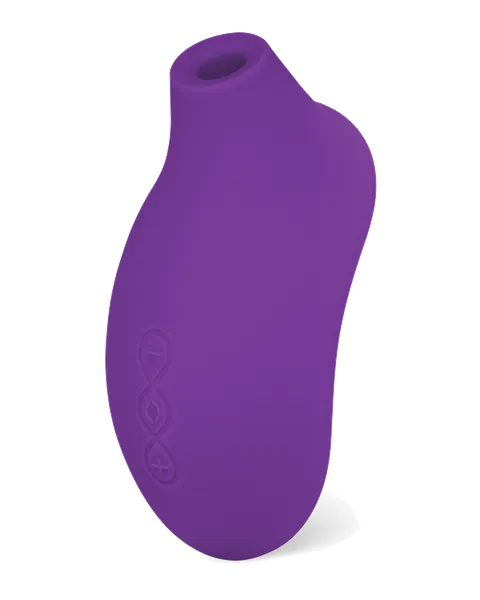
Accessible Sex Toys: Options for Disability and Limited Mobility
Accessible sex toys for disability and limited mobility: how to choose by grip, reach, controls and sensation, plus tips and when to see a clinician.


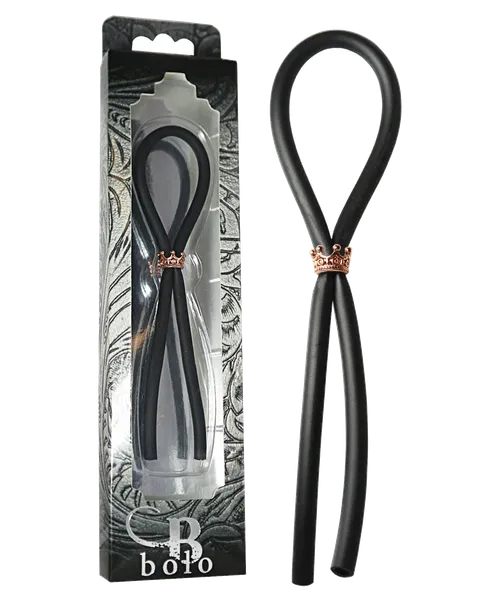

Erection Changes: What's Common and Which Toys Can Help
Erection changes are common and often temporary. Learn what's normal, when to see a clinician, and how cock rings, pumps and other toys can help.


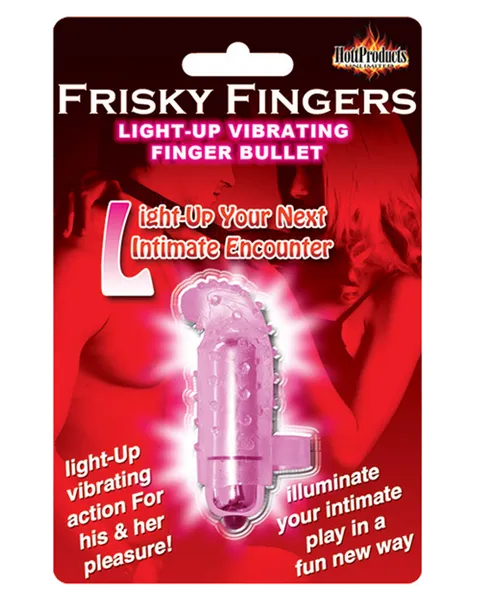
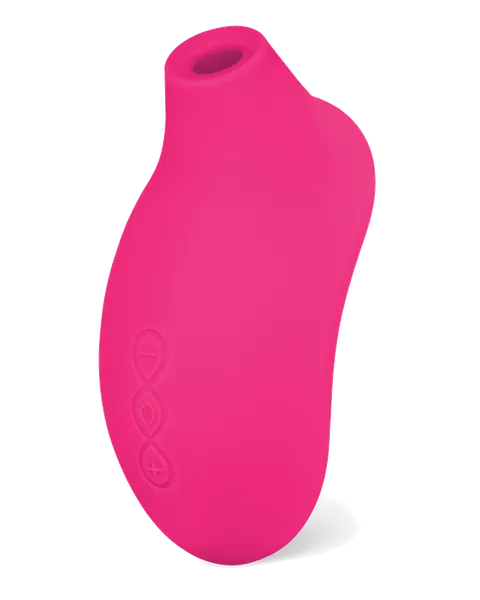
Trouble Reaching Orgasm? Causes and Practical Tips That Help
Trouble reaching orgasm? Learn the common physical, emotional and medication-related causes, practical tips that help, and when to talk to a clinician.

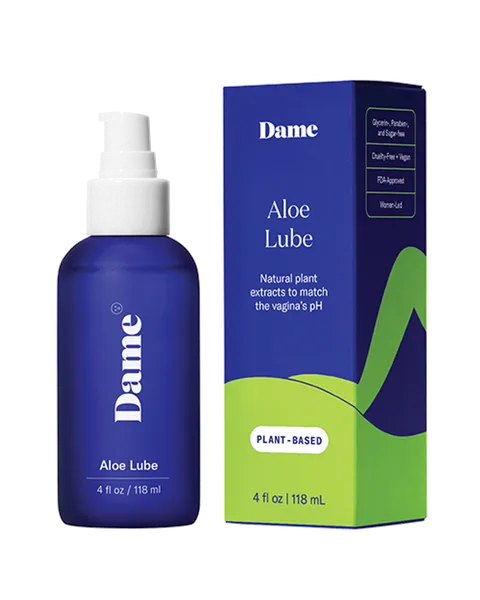
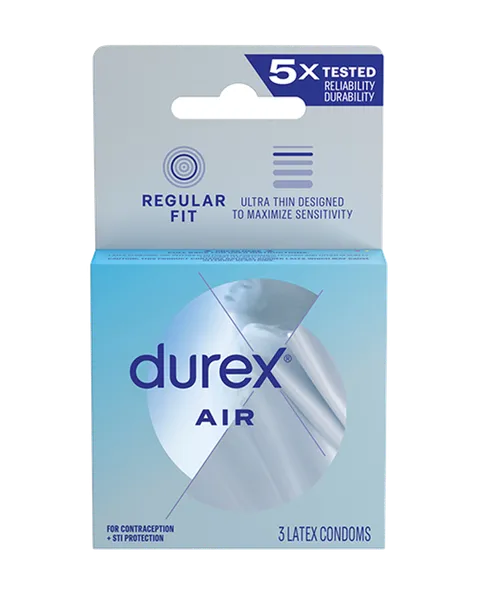
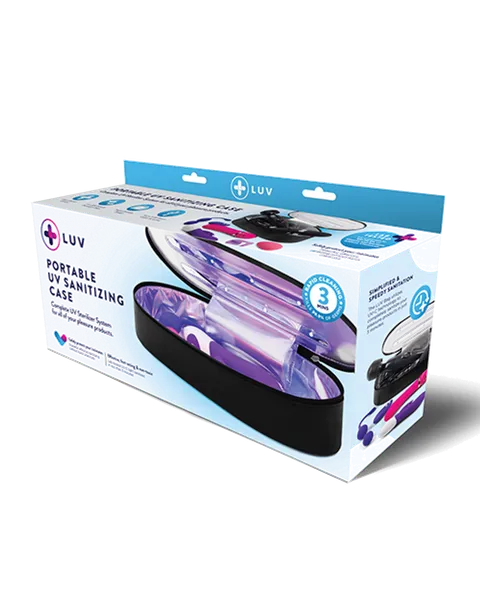
Safer Sex Basics: Condoms, Toys and STI Prevention Guide
Safer sex basics made simple: how to use condoms and lube correctly, share sex toys safely, prevent STIs, get tested, and know when to see a clinician.

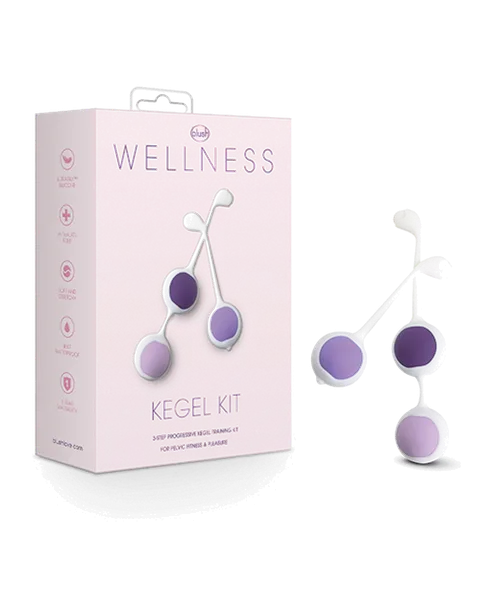
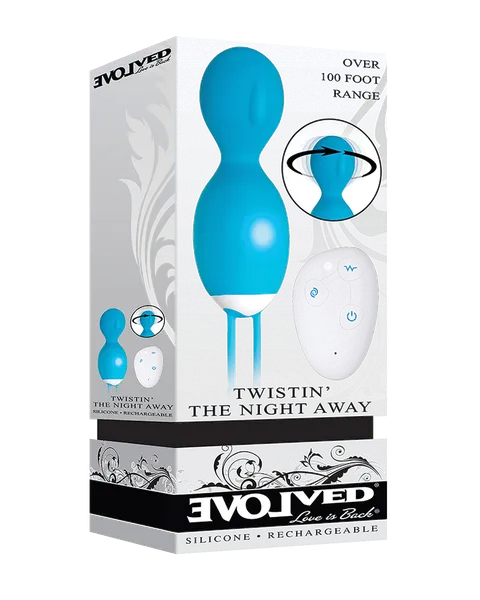
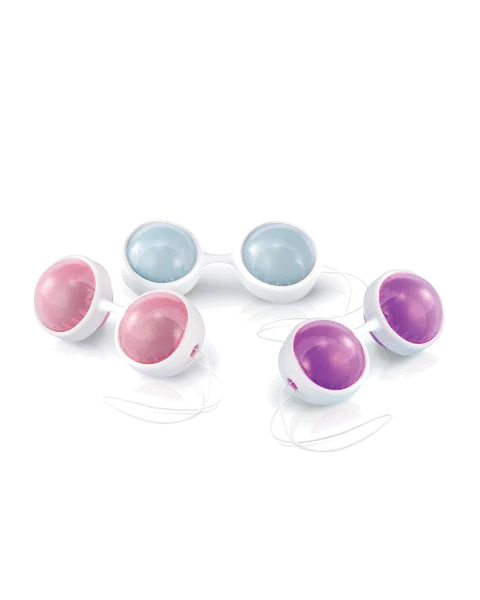
Pelvic Floor Health & Kegel Balls: A Beginner's Guide
New to Kegel balls? Learn how your pelvic floor works, how to choose and use Kegel balls safely, how to clean them, and when to talk to a clinician first.

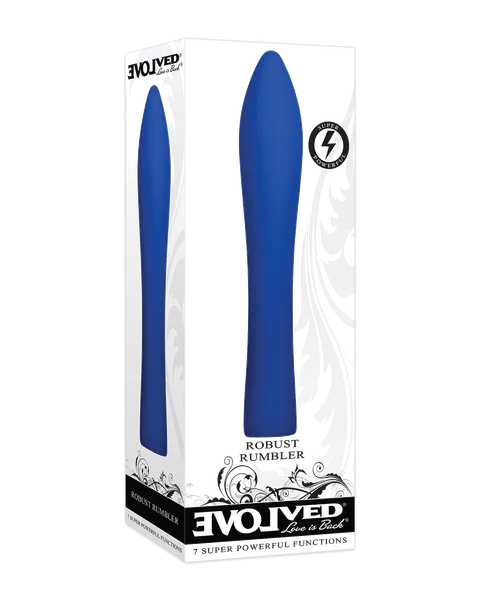
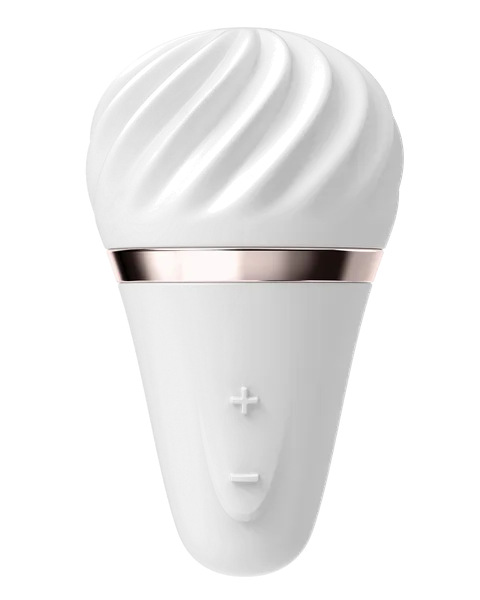
Menopause and Pleasure: What Changes and What Helps
Menopause and pleasure: how falling estrogen affects arousal, dryness and desire, plus the lubes, toys and clinician support that genuinely help.

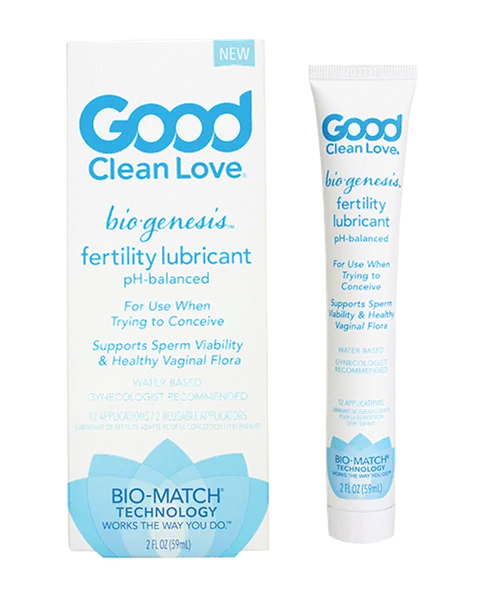


Vaginal Dryness: Causes, Relief & Choosing a Lubricant
Vaginal dryness is common and treatable. Learn the main causes, relief options, when to see a clinician, and how to choose a lubricant that suits you.

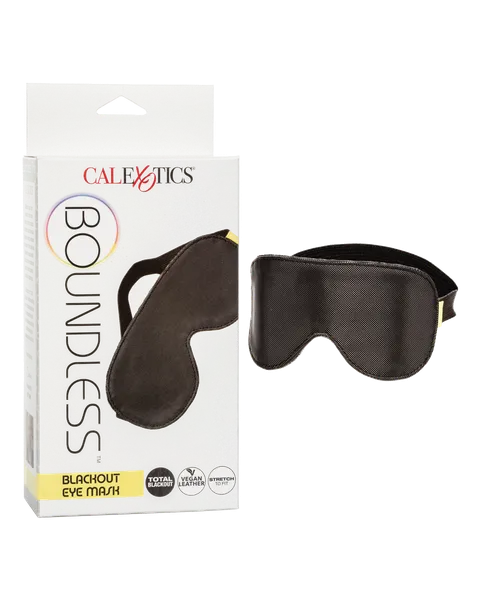


Aftercare: What It Is, Why It Matters & How to Do It
What is aftercare, and why does it matter after sex or kink? Learn what to do, how to plan it, what sub drop is, and when to check in with a clinician.
Showing 8 of 8
Sexual health and wellness, explained kindly
Pleasure is part of health. These articles cover the topics people often feel awkward asking about: vaginal dryness, menopause, painful sex, safer sex, pelvic floor health and changes in arousal or erections.
Accurate, conservative and practical
We use widely accepted medical guidance, never diagnose and always explain when it is worth speaking to a doctor, nurse or pelvic floor therapist. Where products can help, such as lubricants, Kegel trainers or gentle vibrators, we explain why and how to choose safely.
This content is for education only and is not a substitute for professional medical advice.
Questions these guides answer
How long does it normally take to orgasm?
There's no correct amount of time, and it varies hugely between people and from day to day. Many people, especially those with a vulva, need longer warm-up than they expect. Worrying about taking too long tends to slow things down further, so focus on what feels good rather than the clock. If timing is causing you distress, a clinician or sex therapist can help.
Can antidepressants stop you from having an orgasm?
Some can. Difficulty reaching orgasm is a well-known side effect of certain antidepressants, particularly SSRIs. Don't stop or adjust your medication on your own, as that can be risky. Talk to your prescriber instead; they may be able to review the dose, timing or type of medication. Depression itself can also affect desire and arousal, so it's worth discussing both.
Can using a vibrator too often make you numb?
Some people notice temporary numbness after a long or very intense session, and sensation typically returns after a rest. This isn't generally considered a cause of lasting harm. Varying intensity, starting on lower settings and taking breaks can help. If numbness is persistent, appears without toy use, or comes with other symptoms, check in with a clinician.
Is it normal not to orgasm from penetration alone?
Yes, very normal. For most people with a vulva, clitoral stimulation plays a central role in orgasm, and penetration on its own often doesn't provide much of it. Adding a hand, a partner's touch or a small vibrator during penetration isn't cheating or a sign something is wrong. It's simply how many bodies work.
Can stress really stop me from orgasming?
It can. Arousal depends on being able to relax and focus on sensation, and stress, anxiety and distraction all compete for your attention. Worrying about whether you'll orgasm adds another layer of pressure. Slowing down, taking orgasm off the table for a while and practicing mindful, sensation-focused touch can help. If anxiety is affecting your life more broadly, consider talking to a professional.
Can pelvic floor exercises help with orgasm?
The pelvic floor muscles contract during orgasm, and some people find that becoming more aware of them improves sensation. But more squeezing isn't always the answer: overly tight pelvic floor muscles can cause pain and make orgasm harder. A pelvic floor physical therapist can assess whether you need strengthening, relaxation or both before you start a routine.