Key takeaways
- Falling estrogen can thin and dry vaginal tissue, a set of symptoms clinicians call genitourinary syndrome of menopause (GSM), and it often doesn't improve on its own.
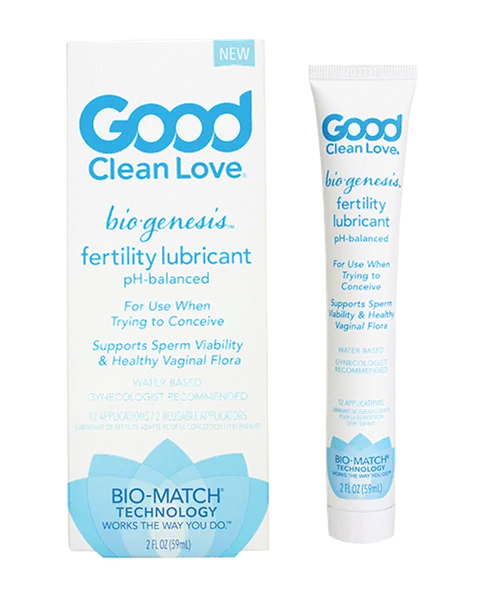
- Lubricant reduces friction during sex, while vaginal moisturizers are used regularly to help tissue hold moisture, and many people benefit from both.
- Deeper, broader vibration or air-pulse clitoral toys can help when arousal is slower and sensation feels more muted.
- Desire often becomes more responsive in midlife, so relaxed, low-pressure touch can matter more than waiting to feel in the mood.
- Any bleeding after menopause, ongoing pain or urinary symptoms should be checked by a clinician, who can discuss treatments such as vaginal estrogen or pelvic floor therapy.
During perimenopause and menopause, falling estrogen can bring vaginal dryness, thinner tissue, slower arousal and shifts in desire. Pleasure doesn't have to fade. Lubricant, regular vaginal moisturizers, more warm-up time, broader vibration and open communication help many people. Persistent pain, bleeding or urinary symptoms deserve a clinician's input, because effective treatments exist.
Menopause usually gets discussed in terms of hot flashes and sleepless nights. Far less gets said about what happens to your sex life. Yet for many people, pleasure in midlife and beyond can be just as good, and sometimes better, once you understand what has shifted.
This guide covers the physical and emotional changes, the practical fixes that genuinely help and the signs that it's time to bring in a professional. Every term gets explained, and nobody here pretends everyone's experience looks the same.
What actually changes in your body during menopause?
Start with the definitions. Perimenopause is the transition, often lasting several years, before your periods stop. Hormone levels fluctuate during this time, sometimes unpredictably. You've officially reached menopause once you've gone 12 months in a row without a period. Postmenopause is everything after that. Menopause can also arrive earlier because of surgery, cancer treatment or other medical reasons.
The main driver of change is estrogen, a hormone that helps keep vulvar and vaginal tissue plump, elastic and well lubricated. As estrogen levels fall, several things can shift at once.
Tissue and lubrication
Lower estrogen can make vaginal and vulvar tissue thinner, drier and less stretchy. Clinicians call this cluster of symptoms genitourinary syndrome of menopause (GSM). You may also hear the older term vaginal atrophy. GSM can include:
- dryness, burning or itching
- discomfort during sex
- urinary symptoms such as urgency or more frequent UTIs
Hot flashes often settle over time, but GSM usually doesn't ease on its own.
Arousal and sensation
Less blood flow to the genitals can mean arousal takes longer to build and natural lubrication is lighter. Sensation may also feel more muted. Orgasms can feel different too: less intense for some people, unchanged for others. None of this means something is broken. Your body may simply need more time and a different kind of stimulation.
Desire and mood
Several things can dampen interest in sex during this stage:
- hormonal shifts
- poor sleep from night sweats
- mood changes and stress
- worries about body image
Midlife also tends to bring caring responsibilities, work pressure, relationship changes and new medications. Desire is rarely about hormones alone.
Why does sex hurt after menopause?
Pain during or after penetrative sex has a clinical name: dyspareunia. After menopause, the most common causes are dryness and thinner, more fragile tissue. Together these can make friction feel sharp or raw, and they sometimes cause small tears or spotting.
Pain can also start a frustrating loop. If you expect sex to hurt, your pelvic floor muscles may tighten in anticipation. That tightness makes penetration more uncomfortable, which reinforces the expectation. Breaking the loop usually means treating the dryness, slowing down and getting support where you need it (more on that below).
The most important rule is simple: don't push through pain. Discomfort tells you something needs to change. It isn't a test of endurance.
Does menopause lower your sex drive?
It can, but not for everyone. Some people find their desire actually increases once pregnancy worries and period logistics are off the table.
It helps to know there are two styles of desire. Spontaneous desire is the out-of-nowhere feeling of wanting sex. Responsive desire shows up after touch, closeness or arousal has already begun. Many people find their desire becomes more responsive in midlife. That's normal. It also means that if you wait to feel in the mood before starting anything, you may be waiting a long time. Relaxed, low-pressure time for touch often lets desire catch up.
If low desire is bothering you, raise it with a clinician. They can look at contributing factors such as medications, mood, sleep or other health conditions.
What helps with menopausal vaginal dryness?
There are a few main tools, and each does a different job. Plenty of people use more than one.
| Option | What it does | When you use it | Good to know |
|---|---|---|---|
| Lubricant | Adds slip and reduces friction | Right before and during sex or solo play | Works instantly but doesn't treat dryness long term |
| Vaginal moisturizer | Helps tissue hold moisture day to day | Regularly, on a routine, whether or not you're having sex | Not the same as lube; choose gentle, fragrance-free formulas |
| Vaginal estrogen or other prescription treatment | Targets the underlying tissue changes of GSM | As prescribed | Requires a clinician, who will discuss whether it suits you |
| Pelvic floor physical therapy | Eases muscle tension, pain and some bladder symptoms | Over a course of sessions | Ask for a referral to a pelvic health specialist |
Choosing a lube for sensitive tissue
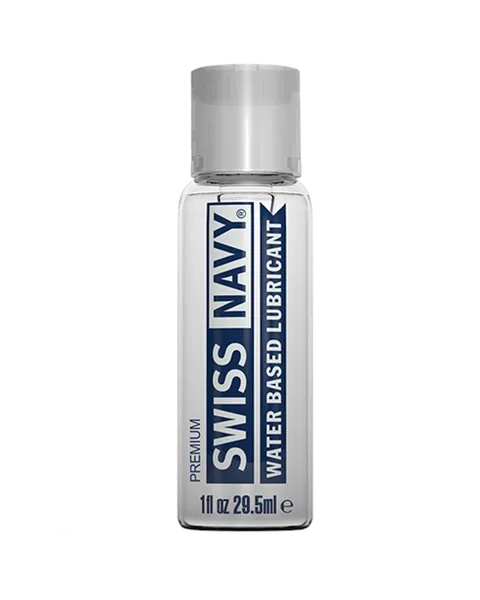
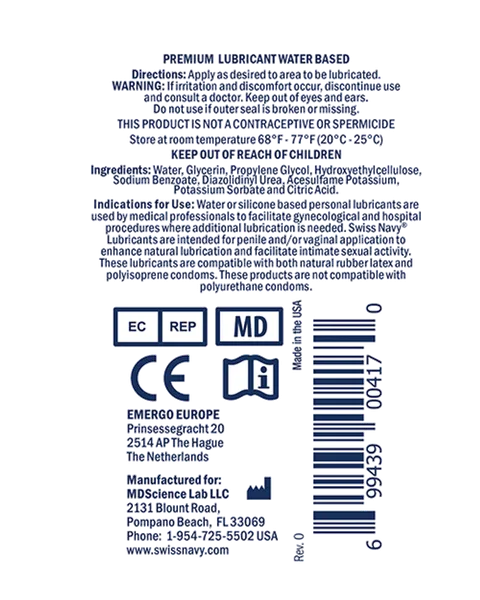
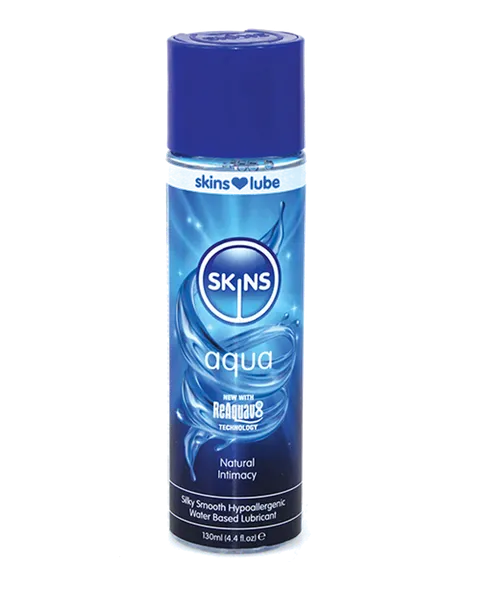
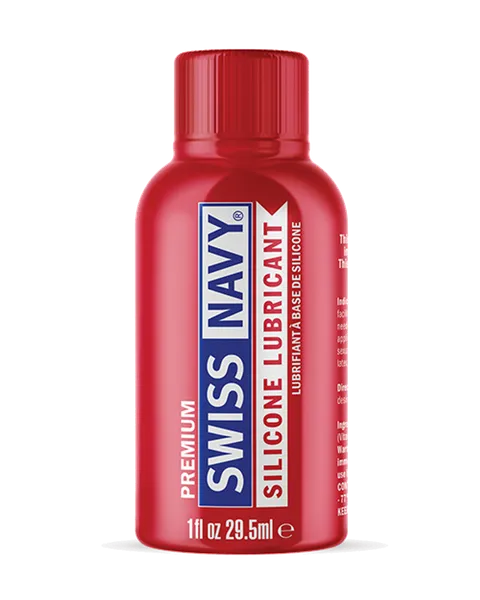
- Water-based lubes, such as Swiss Navy Water Based Lube, work with all toys, wash off easily and make a good starting point. They can absorb into the skin, so reapply as often as you need to.
- Silicone-based lubes last longer, which makes them popular for dryness. They can damage some silicone toys, though, so check your toy's care guidance first.
- Skip extras when you're irritated. Avoid fragrances, flavors and tingling, warming or cooling ingredients. Some people also find that glycerin-heavy formulas sting. If any product burns, stop using it.
Our water vs. silicone lube guide goes deeper, and our piece on vaginal dryness covers causes beyond menopause. You can browse the full range in Lubricants.
A note on sensation gels: some people enjoy products like CGC Oh My Clitoral Warming Stimulant and its cooling sibling, CGC Oh Yes. Thinner tissue can react more strongly, though. Patch-test on your inner arm first, use a tiny amount externally only and save them for days when you're not sore.
Can a vibrator help during menopause?
Often, yes. Arousal may take longer and sensation can feel softer, so stimulation that worked in your thirties may now need a boost. A vibrator gives you steady, adjustable stimulation without the friction that can irritate dry tissue.
Arousal also increases blood flow to the genitals. Many clinicians note that regular sexual activity, solo or partnered, may help keep vaginal tissue healthier. If you're not sure which type of toy is which, our vibrator types explainer breaks it down.
A good rule is to start external. The clitoris doesn't depend on lubrication the way the vaginal canal does. Focusing there can bring real pleasure, even on days when penetration doesn't feel good.
Broad, rumbly wands
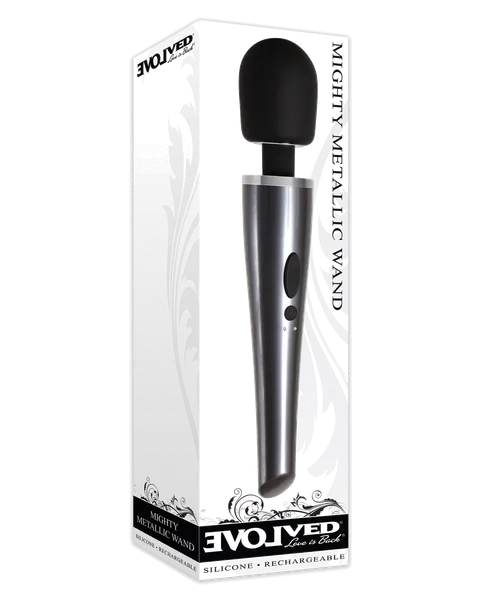
If buzzy toys now feel numbing or just not enough, try deeper vibration spread over a larger surface. Many people find it more satisfying.
- The Vibratex Magic Wand Plus is a classic powerhouse.
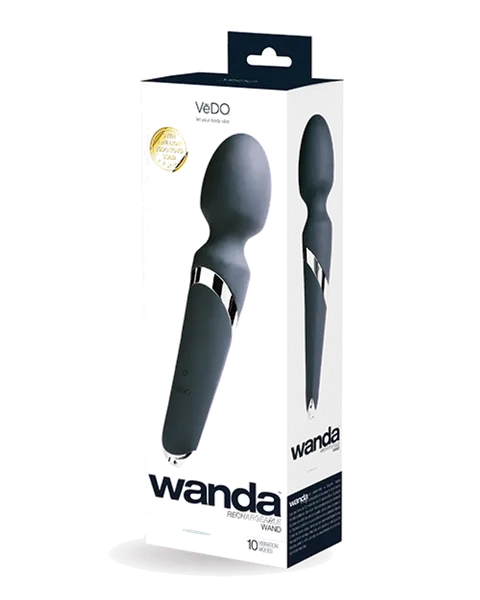
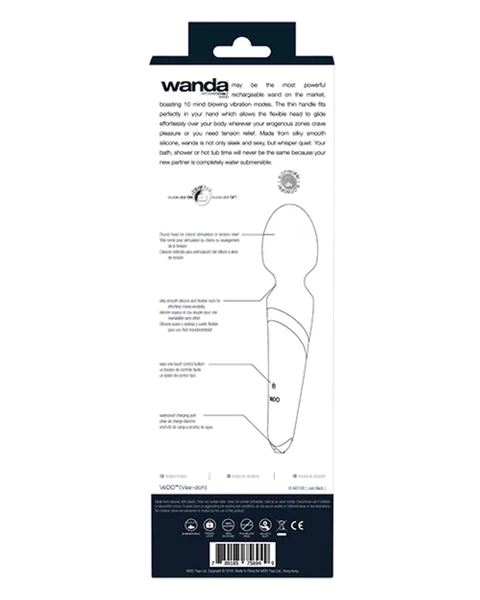
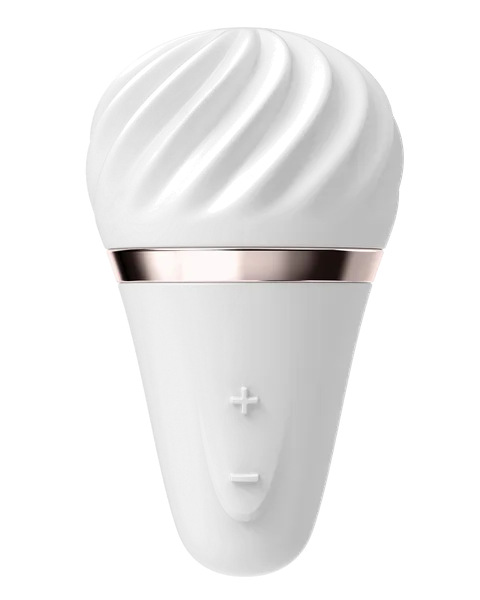
- The VeDO Wanda Rechargeable Wand and the compact Satisfyer Little Wand are easier to manage in smaller hands or a travel bag.
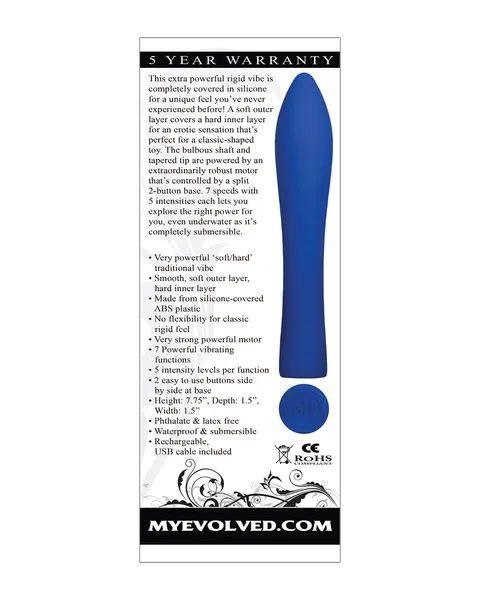
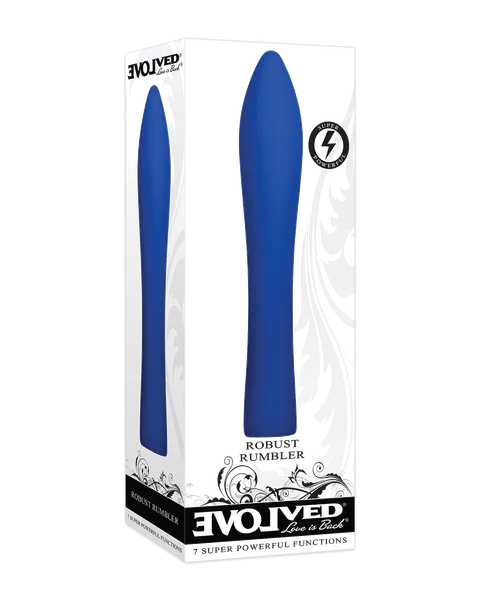
- The aptly named Evolved Robust Rumbler leans into that deeper feel.
Find more in Wands & Clit Toys.
Suction and air-pulse toys
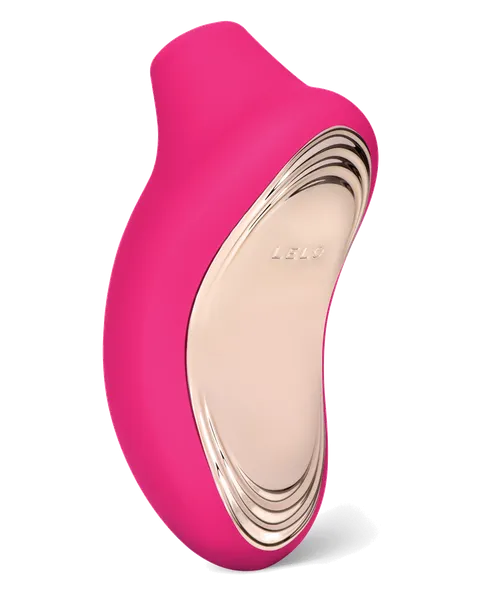
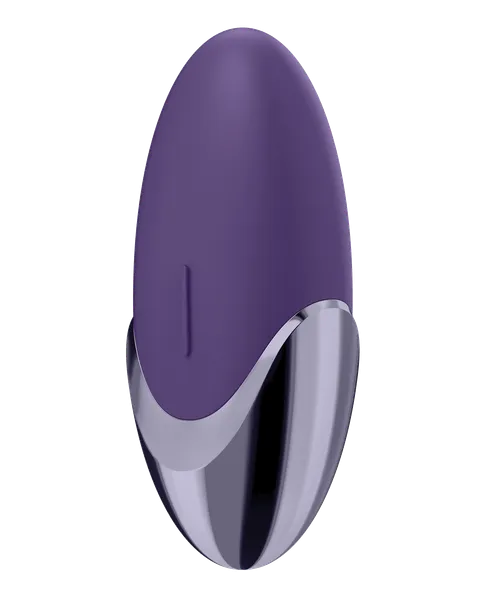
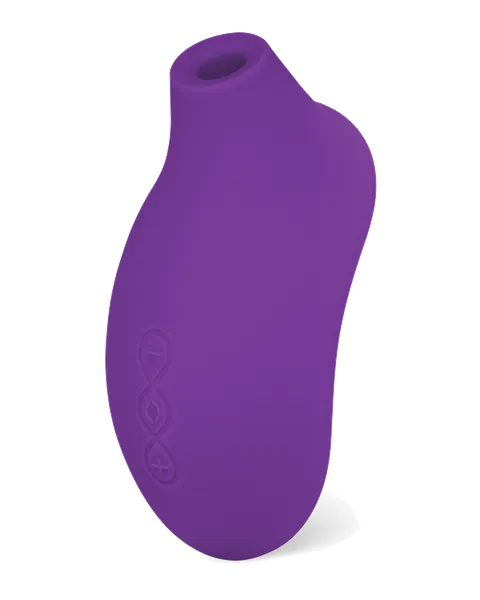
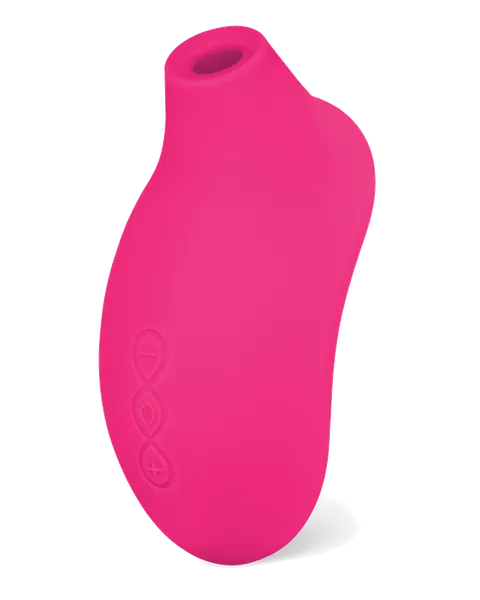
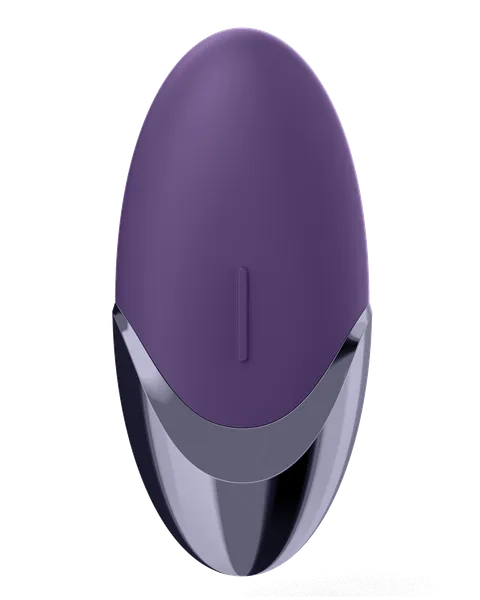
These toys send gentle pulses of air around the clitoris instead of making direct contact. Many people find the sensation intense without being abrasive. The Satisfyer Purple Pleasure is an affordable place to start. The LELO Sona 2, which uses sonic pulses, is a premium option. Our guide on how clitoral suction toys work explains who they suit best.
Small and gentle
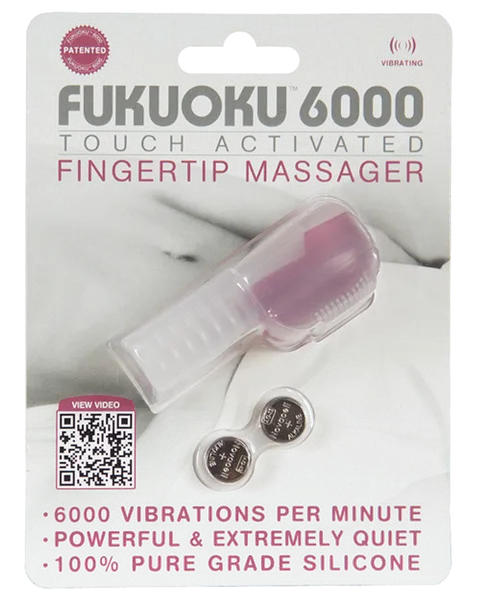
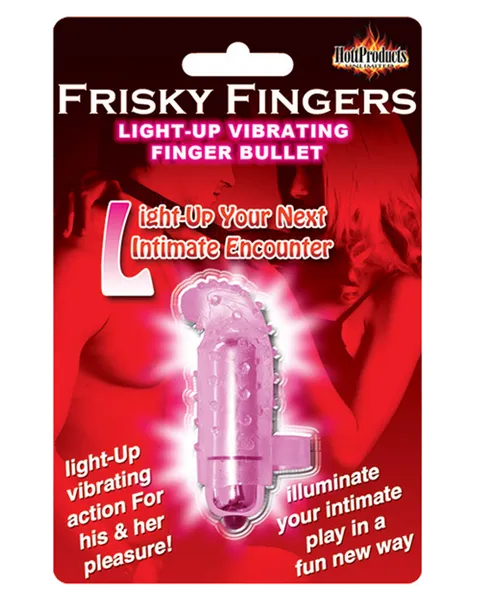
If your tissue is sensitive, low-key toys let you ease in. The B Yours Silver Bullet Mini is simple and inexpensive. Finger vibes such as the Fukuoku Fingertip Massager or the Oralove Finger Friend keep touch personal and easy to control. Browse Bullet Vibrators for more.
For partnered play
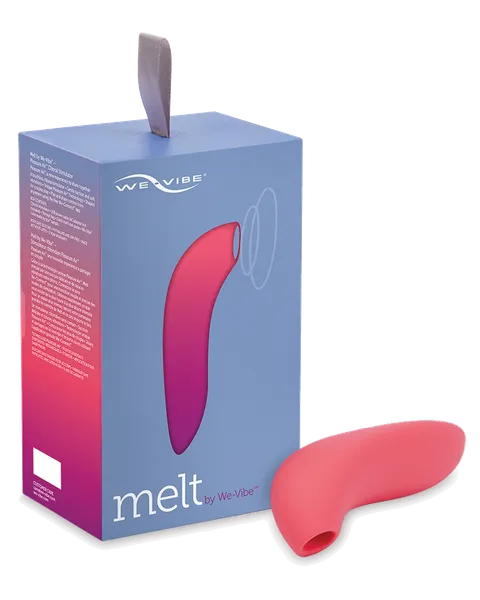
Some toys are designed to be used during sex with a partner, such as the We-Vibe Melt. They can take the pressure off penetration as the main event. There's more in Couples.
Material matters more now
Thinner tissue can react more easily, so stick to body-safe materials. These are nonporous materials, such as silicone, glass and stainless steel, that can be cleaned properly. Our guide to what body-safe actually means explains the details.
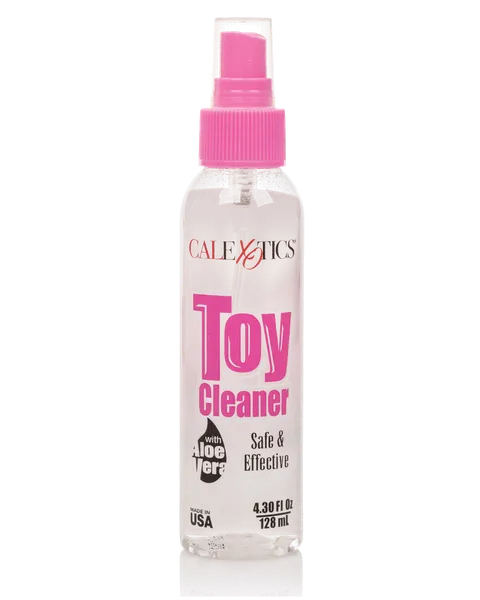
Clean your toys after every use with mild soap and water or a gentle product like Universal Toy Cleaner with Aloe Vera. Our toy cleaning guide walks you through it.
How can you make sex more comfortable after menopause?
- Give warm-up more time. Longer foreplay increases blood flow and natural lubrication. Massage is a lovely way in, so take a look at Massage & Candles.
- Use more lube than you think you need, and reapply without apology.
- Let go of the script. Sex doesn't have to mean penetration. Outercourse (any sexual touch without penetration), oral sex, mutual masturbation and toy play all count.
- Try positions that give you control. Being on top or lying side by side lets you set the depth and pace.
- Ease back into penetration. If it's been a while, your tissue may need time to adjust. A clinician or pelvic floor physical therapist can advise on gradual approaches, including vaginal dilators: smooth, graduated cylinders used to gently stretch tissue over time.
- Pick a better time of day. If you're exhausted at night, mornings or weekend afternoons may suit you better.
- Look after yourself afterward. Rinse gently with water, pee after sex (commonly advised to help lower UTI risk) and wear breathable cotton underwear.
How do you talk to a partner about menopause and sex?
Changes in your body can quietly turn into silence in the bedroom. Your partner may then read that silence as rejection. Naming what's happening usually brings relief on both sides. Try something like: "My body's changing, and some things feel different now. I want to keep being close, and I'd love to figure out what works together."
Choose a relaxed moment outside the bedroom to have the conversation. Frame toys and lube as upgrades rather than fixes. If you'd like help introducing a toy, read how to suggest a sex toy without awkwardness. And remember that cuddling, kissing and lingering touch are intimacy in their own right, not just a warm-up for something else.
When should you talk to a clinician?
Lube and toys are wonderful, but they don't replace medical care. Book an appointment with a doctor, nurse practitioner or gynecologist if you notice any of the following:
- Any vaginal bleeding after menopause, including spotting after sex. Always get this checked promptly, even if it seems minor.
- Pain during sex that continues despite lube and going slowly.
- Dryness, burning or itching that affects daily life, not just sex.
- Urinary symptoms such as urgency, leaking, pain when you pee or repeated UTIs.
- Unusual discharge, odor, sores or lumps.
- Low desire, mood changes or anxiety that are causing you distress.
- Menopause symptoms before age 45, or questions about whether hormone therapy is right for you.
Effective options exist, including local vaginal estrogen, other prescription treatments and pelvic floor physical therapy. Only a clinician who knows your health history can tell you which ones suit you.
It helps to write your symptoms down before the appointment. And it's completely okay to say, "This is affecting my sex life." Clinicians hear it all the time. For background reading, the NHS menopause pages and the Mayo Clinic menopause overview are reliable places to start.
Where to start, privately
If the choice feels overwhelming, our private two-minute quiz, Find Your Match, can narrow it down. Every order ships in a discreet plain box with a neutral billing name. Shipping is free over $79, and unopened items can be returned within 30 days. Browse lubes, moisturizing care and more in Wellness.
Frequently asked questions
Can you still orgasm after menopause?
Yes. Many people continue to have orgasms after menopause, though they may take longer or feel different. Reduced blood flow and sensitivity can mean you need more warm-up time and stronger or broader stimulation, such as a wand or air-pulse clitoral toy. If orgasm has become difficult and it bothers you, mention it to a clinician, since medications and other health factors can play a role.
Is it normal to lose interest in sex during perimenopause?
It's common, but it isn't universal. Hormonal shifts, poor sleep, night sweats, stress and mood changes can all lower desire. Many people find their desire becomes more responsive, meaning it builds after touch begins rather than appearing out of nowhere. If low libido is causing you distress, talk to a clinician, who can review possible contributors such as medications or mood.
What's the difference between a vaginal moisturizer and a lubricant?
A lubricant is used right before and during sexual activity to reduce friction, and its effect is short-lived. A vaginal moisturizer is used regularly, on a routine, to help tissue hold moisture day to day, whether or not you're having sex. Many people with menopausal dryness use both. Look for gentle, fragrance-free formulas, and stop using anything that stings.
Is coconut oil okay to use as lube during menopause?
Some people use it, but there are caveats. Oils break down latex condoms, so they aren't suitable if you rely on condoms for STI protection. Some people also find oils irritating or linked to infections. A purpose-made water-based or silicone-based lube is usually the simpler choice. If you're prone to irritation or infections, ask a clinician what they recommend.
Do I still need contraception during perimenopause?
Pregnancy is still possible during perimenopause because ovulation can happen irregularly. Clinicians generally advise continuing contraception until menopause is confirmed. Ask your clinician when it's safe for you to stop, since the timing depends on your age and the method you use. Contraception also doesn't change STI risk, so condoms remain important with new or untested partners at any age.
Will using a vibrator make me less sensitive?
There's no widely accepted evidence that vibrators cause lasting loss of sensation. You might feel a little numb right after an intense session, but this typically fades quickly. Varying intensity and taking breaks can help. If you notice an ongoing drop in sensation, it's more likely related to hormonal or health changes than to your toy, so it's worth raising with a clinician.
Browse more vibrators, all shipped in a plain box with discreet billing.