 By Sol ☀️
Key takeaways
- Oil, including coconut oil, weakens latex and polyisoprene condoms, dental dams and gloves, which raises the risk of breakage.
- Polyurethane and nitrile condoms tolerate oil, but lambskin condoms do not protect against STIs.
- Some people find oils irritating or linked to yeast or BV flare-ups, so water-based lube is the gentler starting point if you're prone to either.
- Oil is usually fine with glass, metal and hard plastic toys, but it can damage soft porous materials like TPE, jelly and rubber.
- See a clinician about itching, pain, unusual discharge, persistent dryness, or a condom that broke during sex.
Coconut oil can work as lube in some situations, such as massage, solo play or with oil-compatible condoms. However, it weakens latex and polyisoprene condoms, is hard to wash off, and may irritate some people or upset vaginal balance. For condom sex and most toys, a water- or silicone-based lube is the safer choice.
It's already in your kitchen cupboard, it smells like a beach holiday, and half the internet swears by it. No wonder coconut oil has become one of the most popular DIY lubes around. But natural doesn't mean right for every situation. The details matter, especially if condoms or toys are part of your plans.
Here's a frank, judgment-free breakdown. We'll cover what oil does to different condom materials, how it gets along with toys, what is and isn't known about vaginal health, and what to reach for instead.
Why do people use coconut oil as lube?
On paper, it has a lot going for it. Before we get into the trade-offs, here's why so many people try it:
- It lasts. Oil doesn't soak into skin or evaporate the way water does, so you reapply less often.
- It's easy to find and cheap. Most grocery stores sell it.
- It's simple. Plain coconut oil has a short ingredient list, which appeals to people avoiding fragrances or additives.
- It feels lovely. It's rich and silky, and great for massage and hand play.
A quick definition before we go further. A lubricant (lube) is any product that reduces friction during sex or play. Lubes fall into four main families:
- Water-based
- Silicone-based
- Oil-based
- Hybrid, which is usually a water base with a little silicone added
Coconut oil is firmly in the oil camp, and that's where the trade-offs come from.
Does coconut oil break condoms?
If the condom is latex, yes, oil is a problem. Oil weakens latex. That can lead to tears or breakage, sometimes without you noticing until afterward. Organizations like Planned Parenthood consistently advise against using oil-based products with latex condoms.
The same caution applies to polyisoprene condoms. These are synthetic-latex condoms, often sold as a non-latex option for people with latex allergies. Many people assume non-latex means oil-safe. With polyisoprene, it doesn't.
| Barrier material | OK with coconut oil? | Notes |
|---|---|---|
| Latex condoms | No | Oil weakens latex and raises breakage risk |
| Polyisoprene condoms | No | Non-latex, but still damaged by oil |
| Polyurethane condoms | Yes | Thin plastic; oil-compatible |
| Nitrile internal condoms | Yes | Oil-compatible; check the packet |
| Lambskin condoms | Yes | Help prevent pregnancy but do not protect against STIs |
| Latex dental dams and gloves | No | Same issue as latex condoms |
If you use a diaphragm or cervical cap, read its instructions. Many advise against oil-based products.
Simple rule: if latex or polyisoprene is involved, leave the oil out.
For the bigger picture on barriers and testing, see our safer sex basics guide.
Is coconut oil safe for vaginal use?
The honest answer is that it depends on your body, and research on oils as vaginal lubricants is limited. Plenty of people use coconut oil without any trouble. Others notice irritation, or find that problems they're already prone to flare up more often.
It helps to understand vaginal pH, a measure of how acidic or alkaline something is. A healthy vagina is usually mildly acidic. That acidity helps the protective bacteria stay in charge. Products that disrupt this balance can make some people more uncomfortable or more vulnerable to infection.
Irritation and infections
Oil isn't water-soluble. It clings to skin and doesn't rinse away easily, and the vagina can't simply flush it out the way it does with water-based products. Some people find oils seem to go hand in hand with yeast infections or bacterial vaginosis (BV), a common imbalance of vaginal bacteria. If you're prone to either, a water-based lube made for intimate use is the gentler place to start.
Our guide to vaginal pH and ingredients to avoid goes deeper on what to look for on a label.
Allergies and sensitivities
If you're allergic to coconut, skip it entirely. If you're unsure how your skin will react, do a patch test. Dab a little on your inner arm and wait a day before using it anywhere more delicate.
Kitchen jar vs. a formulated oil lube
A shared kitchen jar collects crumbs, knife marks and fingers that have been who-knows-where. If you go the DIY route, keep a separate, dedicated jar for the bedroom.
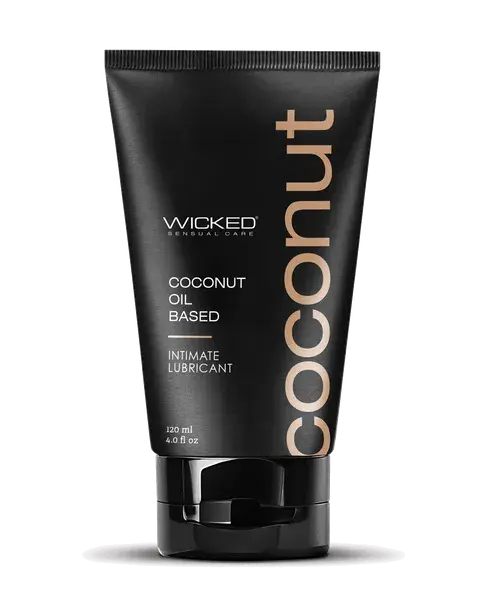
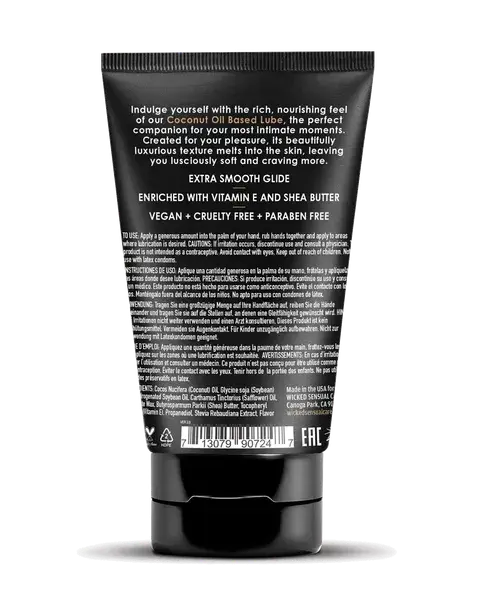
Products made for intimate use are packaged with that purpose in mind, such as Wicked Sensual Care Coconut Oil Based Lube. Keep in mind that it's still an oil. The condom rules above still apply.
Can you use coconut oil with sex toys?
That depends on what the toy is made of. Some materials shrug off oil. Others can swell, turn sticky or break down over time.
| Toy material | Oil-friendly? | What to know |
|---|---|---|
| Glass | Generally yes | Non-porous; wash well with warm soapy water |
| Stainless steel and other metals | Generally yes | Non-porous and easy to clean |
| Hard plastic (ABS) | Generally yes | Common on vibrator bodies and bullets |
| Silicone | Check the maker | Many are fine, but some brands advise against oils, and cleanup takes more effort |
| TPE, TPR, jelly, PVC, rubber | Avoid | Soft, porous materials that oil can degrade |
| Latex toys | Avoid | Same issue as latex condoms |
Not sure what your toy is made of? Our toy materials guide will help you identify it. Our lube and toy compatibility guide covers every combination.
Whatever you use, clean your toys thoroughly afterward. Oil leaves a film that plain water won't shift. A dedicated cleaner from our toy care and essentials range makes it easier, and our guide on how to clean sex toys walks you through it.
What about olive oil, baby oil or Vaseline?
Coconut oil isn't the only household product people grab. Here's how the usual suspects compare:
- Olive oil and other cooking oils: Same latex problem as coconut oil. They're heavier, can go rancid, and can stain fabric.
- Baby oil (mineral oil): Not safe with latex. It's often fragranced and is very hard to wash off.
- Petroleum jelly (Vaseline): Not safe with latex. It's thick, stubborn to clean off, and widely advised against for internal use.
- Body lotion: Not designed for intimate use. Fragrance or alcohol can sting, and it often dries out quickly.
- Saliva: Dries fast, doesn't last, and doesn't stop STIs from being passed on.
In short, lube made for sex is designed for that job. Kitchen and bathroom products are designed for other things.
When does an oil-based lube actually make sense?
Oil isn't the villain here. It just has a narrower use case. It can be a great fit for:
- Massage that turns into hand play. The glide is gorgeous on skin. Our massage and candles collection and our sensual massage guide are made for exactly this.
- Solo hand play with a penis, when no latex is involved. Cream lubes like Elbow Grease Cool Cream are a popular pick here. Many creams contain oil, so check the label before you use one with condoms or toys. Keep oil away from soft stroker sleeves, which are often made of TPE.
- Partners who don't use latex barriers and who aren't prone to irritation or infections.
- Sex with polyurethane or nitrile condoms.
- Glass, metal or hard plastic toys.
What should you use instead of coconut oil?
If condoms, most toys, or sensitive skin are in the mix, a purpose-made lube is the easy win. Here's how the main types compare:
| Lube type | Latex condoms | Silicone toys | Feel and longevity | Cleanup | Best for |
|---|---|---|---|---|---|
| Water-based | Yes | Yes | Light; may need reapplying | Rinses off easily | Condoms, toys, sensitive skin |
| Silicone-based | Yes | Check the maker; patch test | Very slippery and long-lasting; waterproof | Needs soap and water | Shower play, longer sessions |
| Hybrid | Usually; check the label | Usually; check the label | Creamy; mid-length glide | Fairly easy | A silky feel with fewer compromises |
| Oil-based (including coconut) | No | Check the maker | Rich and long-lasting | Hard; can stain | Massage, solo play, oil-safe barriers |
For a deeper comparison, read water vs. silicone lube, or browse the full lubricants collection.
If you love oil's staying power
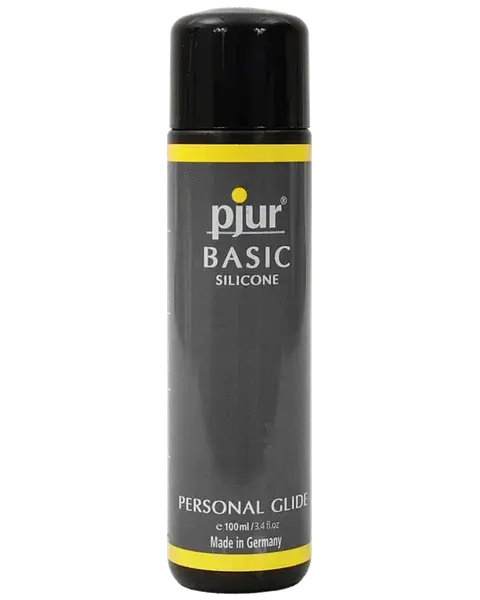
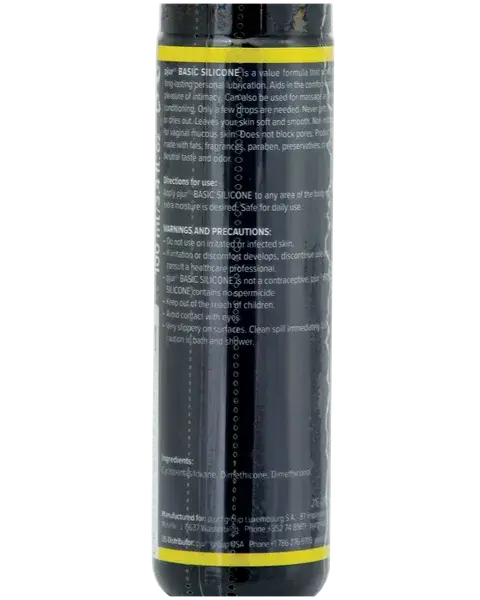
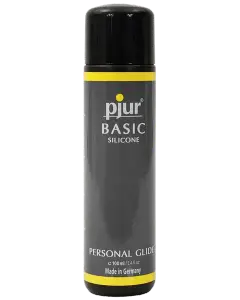
Silicone lube is the closest match. It's long-lasting, very slippery and safe with latex. Pjur Basic Silicone Lubricant is a straightforward, no-frills option. Patch test it on silicone toys first.
If you're sensitive or rely on condoms
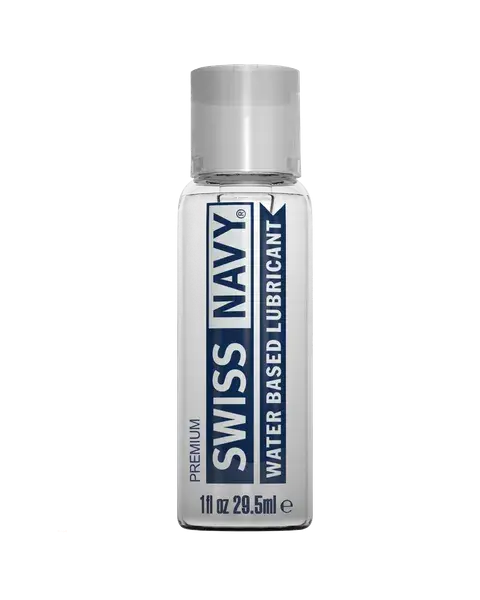
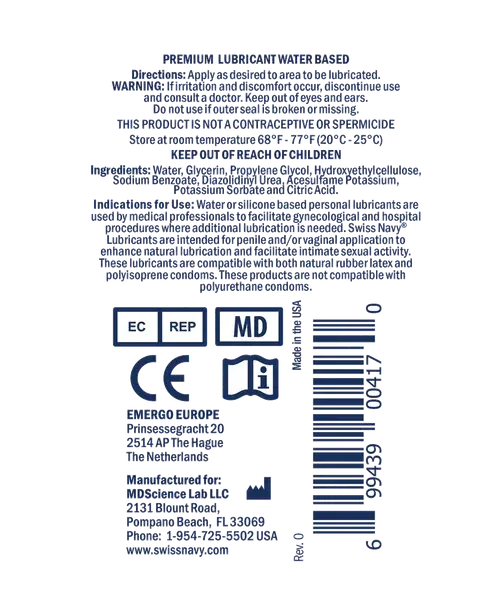
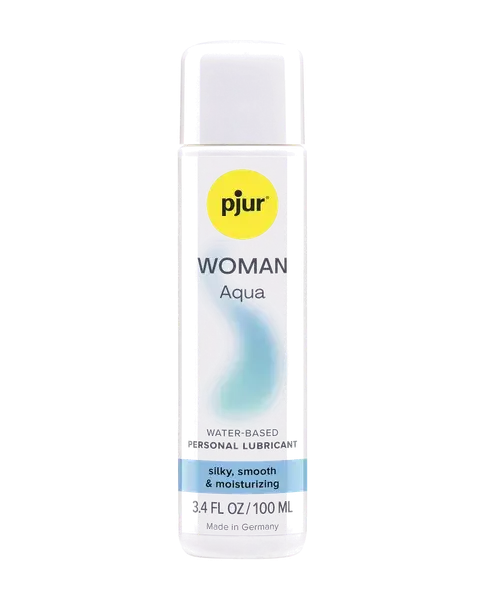
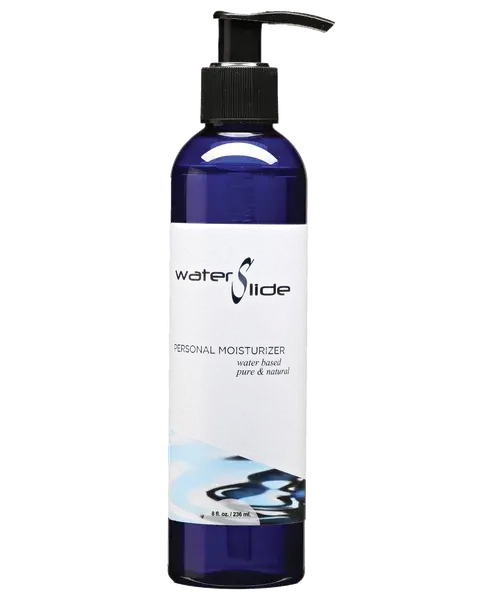
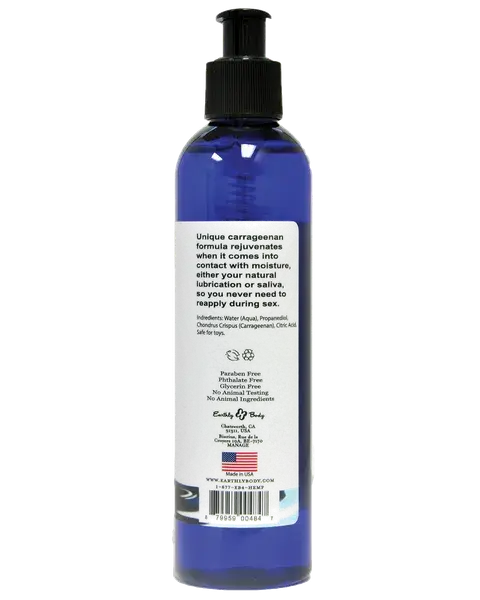
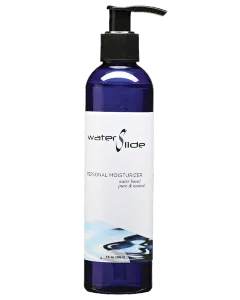
Go water-based. Earthly Body Waterslide with Carrageenan is thickened with carrageenan, a seaweed-derived ingredient. Pjur Woman Aqua and Swiss Navy Water Based Lube are both easy, toy-friendly everyday picks. If dryness is your main concern, our guide to vaginal dryness and choosing a lubricant can help.
If you want something creamy
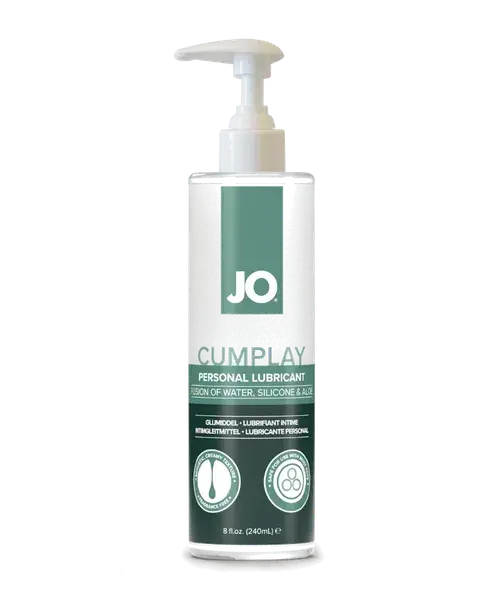
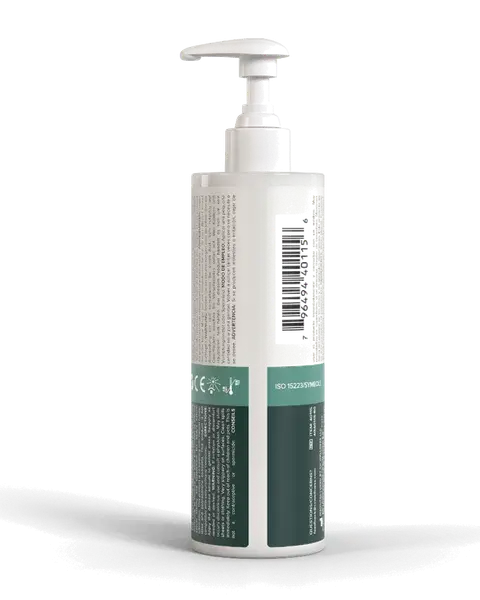
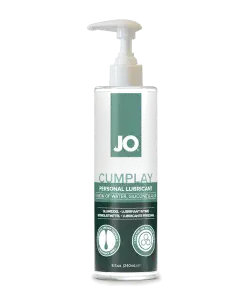
A hybrid like JO Cum Play Fragrance Free gives you that richer, lotion-like feel without reaching for the oil jar. Always confirm condom compatibility on the label.
For anal play
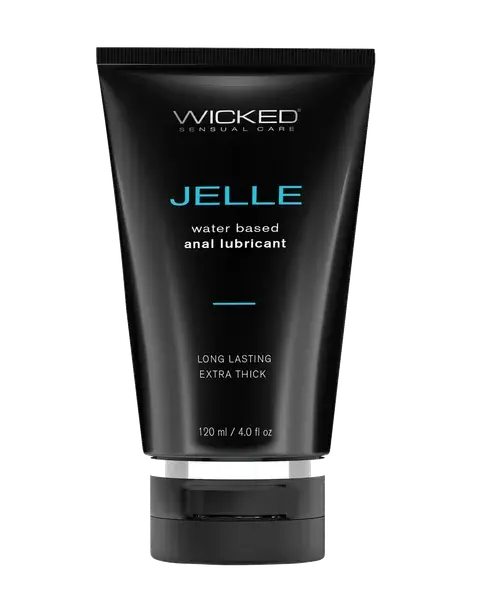
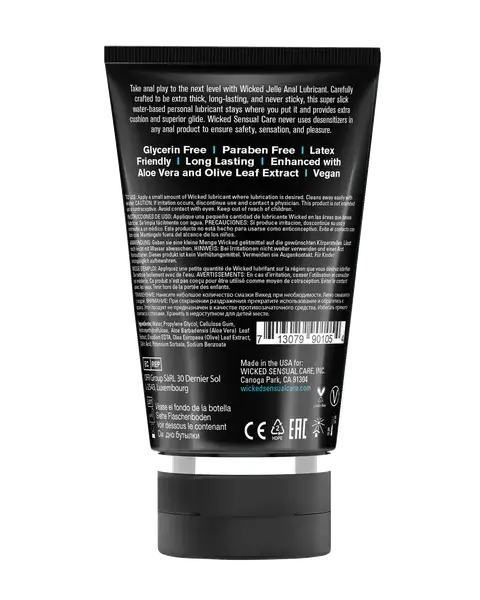
The anus doesn't make its own lubrication, so thickness and staying power matter. Wicked Sensual Care Jelle is a thick, fragrance-free water-based option. Our best lube for anal guide has more picks.
If you just love the coconut vibe
Shunga Toko Aroma in Coconut Thrills gives you the flavor and scent in a water-based formula. If you're sensitive, keep flavored lubes for oral and external play, since some contain sweeteners.
Not sure where to start?
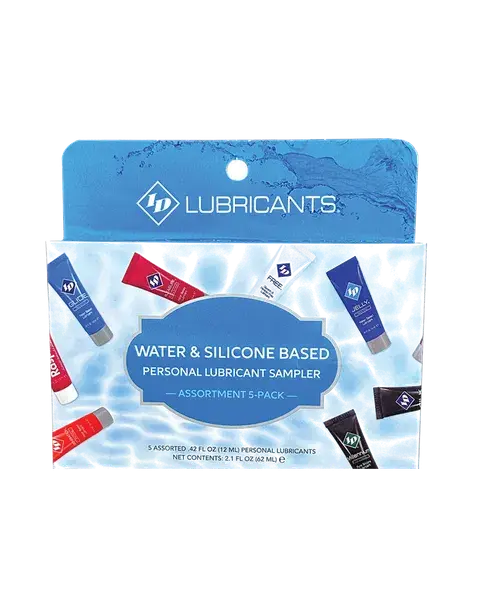
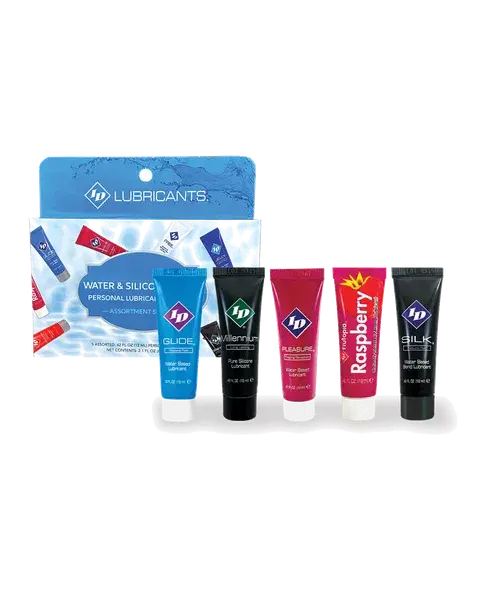
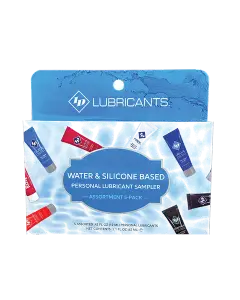
Try before you commit. The ID Sampler pack lets you test several textures without buying full bottles. Our how to use lube guide covers how much to use and when to reapply.
When should you talk to a clinician?
Lube should make sex more comfortable, not less. Reach out to a doctor, nurse or sexual health clinic if you notice any of the following:
- Itching, burning, swelling, or unusual discharge or odor after using coconut oil or any other lube.
- Symptoms that might be a yeast infection or BV, especially if they keep coming back. Get them checked rather than guessing.
- Pain during or after sex. Our guide to painful sex explains common causes.
- Ongoing dryness, which can be linked to hormones, medications, breastfeeding or menopause.
- A condom that broke or slipped. Contact a clinician or pharmacist promptly about emergency contraception and STI testing.
- Trying to conceive. Ask which lubricants are considered fertility-friendly.
If you have signs of a severe allergic reaction, such as trouble breathing or significant swelling, seek emergency care right away. For general health information, reputable sources like the Mayo Clinic are a good starting point. They can't replace advice tailored to you, though.
How do you pick the right lube with confidence?
Ask yourself three quick questions. Are condoms or other barriers involved? What are your toys made of? How does your body usually react to new products? Your answers will point you to the right type almost every time. If you'd rather pair a lube with a new toy, browse our wellness range, and our Build Your Own Bundle lets you save when you mix and match.
Every order ships in a plain box with a neutral billing name. Shipping is free on orders over $79, and unopened items can be returned within 30 days. You'll also earn rewards points on every order and review.
Frequently asked questions
Can coconut oil cause a yeast infection?
Coconut oil isn't considered a direct cause of yeast infections. However, some people find oils seem to go along with yeast or BV flare-ups, possibly because oil clings and is hard to rinse away. If you're prone to infections, a water-based lube made for intimate use is the gentler choice. If you have symptoms, see a clinician instead of self-treating, because yeast and BV can look similar.
Is coconut oil safe with non-latex condoms?
It depends on the material. Polyurethane condoms and nitrile internal condoms are oil-compatible. Polyisoprene condoms, a common non-latex option, are not, and oil can weaken them just like latex. Lambskin condoms tolerate oil but don't protect against STIs. Always check the condom packet for lubricant guidance before you use any oil.
Can I use coconut oil for anal sex?
You can, as long as no latex or polyisoprene condoms are involved and you aren't using soft toys made of TPE or jelly. Many people prefer a thick water-based or silicone lube for anal play because it's condom-safe and easier to clean up. Go slowly, use plenty of lube, and stop if anything hurts.
Is coconut oil good for vaginal dryness?
Some people use it to ease occasional friction, but it doesn't treat the cause of dryness. Lubes are for comfort during sex. Vaginal moisturizers are for ongoing comfort, and they're different products. If dryness is persistent, painful, or linked to hormonal changes such as menopause or breastfeeding, talk to a clinician about options that suit you.
Does coconut oil stain sheets?
It can. Oil can leave greasy marks on sheets, towels and clothing that don't always wash out on a normal cycle. Putting a towel or blanket underneath helps. Treating stains promptly with dish soap before washing can also help. Water-based lubes are much less likely to stain, and silicone sits somewhere in between.
Is refined or unrefined coconut oil better as lube?
Neither is formulated for intimate use. Unrefined (virgin) coconut oil has a stronger coconut scent. Refined oil is more neutral. Whichever you choose, pick a plain oil with no added ingredients, keep a dedicated jar just for the bedroom, and patch test first. If you have any irritation, switch to a purpose-made lube.
Can I use coconut oil if we're trying to get pregnant?
Evidence on how oils affect sperm is limited, and some lubricants may not be ideal when you're trying to conceive. The safest step is to ask your clinician which lubricants they consider fertility-friendly. They can also check for any underlying causes if dryness or discomfort is making sex difficult.

Browse more lubricants, all shipped in a plain box with discreet billing.