Key takeaways
- Vaginal dryness is common at every life stage and is often linked to lower estrogen, certain medications, stress or rushed arousal.
- A lubricant reduces friction during sex, while a vaginal moisturizer is used regularly to support everyday comfort, and many people benefit from both.
- Water-based lubes are the most compatible with toys and condoms, silicone lubes last longest, and hybrids sit in between.
- If you're dry or sensitive, skip fragrances, warming or tingling formulas and numbing agents, and patch-test anything new.
- Persistent dryness, pain during sex, bleeding or signs of infection are reasons to see a clinician, who can discuss prescription options.
Vaginal dryness is usually caused by hormonal shifts (menopause, breastfeeding, some contraceptives), certain medications, stress, or not enough arousal time. Relief often starts with a body-safe lubricant for sex, a vaginal moisturizer for everyday comfort, and gentler hygiene. If dryness is persistent, painful, or comes with bleeding, see a clinician.
Let's start with the reassuring part: needing a little extra moisture is not a flaw, a failure or a verdict on your relationship. Bodies change. Hormones rise and fall, medications come and go, and some weeks you're running on four hours of sleep and cold coffee. Your vulva and vagina notice all of it.
Vaginal dryness means the tissue inside the vagina makes less natural lubrication than usual, or feels thin, tight, itchy or easily irritated. It can show up at any age. It can affect sex, but it can also make everyday things like exercising, sitting for long periods or wearing snug jeans less comfortable. Below, we dig into why it happens, what genuinely helps, and how to pick a lube that works with your body instead of against it.
Why does vaginal dryness happen?
Natural lubrication depends on two main things: healthy blood flow to the area and estrogen, the hormone that helps keep vaginal tissue thick, stretchy and moist. Anything that lowers estrogen or interrupts arousal can leave you drier than you'd like. The usual culprits fall into a few groups.
Hormonal changes
Perimenopause and menopause are the big ones. As estrogen drops, vaginal tissue can become thinner and less elastic. Clinicians call this cluster of changes genitourinary syndrome of menopause (GSM), a term covering dryness, irritation, discomfort during sex and sometimes urinary symptoms. Unlike hot flashes, GSM tends not to fade on its own, which is why it's worth mentioning to a clinician rather than just waiting it out.
Estrogen also dips after giving birth and while breastfeeding or chestfeeding, so postpartum dryness is very common and often temporary. Some people notice changes on hormonal contraception. Anyone whose ovaries have been removed, or who takes testosterone as part of gender-affirming care, may experience dryness too.
Medications and treatments
Some everyday medications can reduce moisture throughout the body, including certain antihistamines, cold and allergy remedies, and some antidepressants. Cancer treatments such as chemotherapy, pelvic radiation and hormone-blocking therapies can cause significant dryness as well. If you suspect a medication is the cause, please don't stop taking it on your own. Talk to whoever prescribed it about your options.
Arousal, stress and everything in between
Lubrication is part of the arousal response, and arousal takes time. Rushing, feeling anxious, being distracted or simply not being fully in the mood can all mean less natural wetness, even if your hormones are doing exactly what they should. Tiredness, dehydration and relationship stress play a role too. And being dry doesn't automatically mean you're not attracted to your partner: bodies and minds don't always sync on cue.
Everyday irritants and health conditions
Douching, scented soaps, bubble baths, fragranced wipes and some laundry products can irritate delicate vulvar skin and upset the vagina's natural balance. Smoking is also linked to vaginal dryness. Certain health conditions can contribute, including Sjögren's syndrome, an autoimmune condition that often causes dry eyes and a dry mouth as well.
What actually helps vaginal dryness at home?
Most people find relief by stacking a few small changes rather than hunting for one magic fix. Here's where to start:
- Use lube generously. Apply it before you think you need it, during both partnered sex and solo play, and reapply without apology. More is usually better than less.
- Consider a vaginal moisturizer. A moisturizer is designed to be used on a regular schedule, not just during sex, to help keep tissue comfortable day to day. A lubricant reduces friction in the moment. Many people with ongoing dryness use both.
- Slow down the warm-up. Longer foreplay, massage and external touch give your body time to respond. A massage oil or candle from our massage collection can help change the pace (just keep oils away from latex condoms).
- Try external vibration first. Gentle vibration on the vulva and clitoris can boost blood flow and arousal before any penetration. A broad wand like the Vibratex Magic Wand Plus is a classic for exactly this.
- Simplify your wash routine. Warm water on the vulva is enough. Skip douches and anything fragranced.
- Choose breathable fabrics like cotton underwear, and change out of damp swimwear or gym gear promptly.
- Stay hydrated and look after your stress and sleep. They're not cures, but they're part of the picture.
What's the best lubricant for vaginal dryness?
There isn't one best lube for everyone, but there is a best lube for you, and it mostly comes down to the base. A lube's base is its main ingredient, and it decides how long the lube lasts, how it feels and what it's compatible with. For the full breakdown, see our water vs. silicone lube guide. Here's the short version with dryness in mind.
Water-based lube
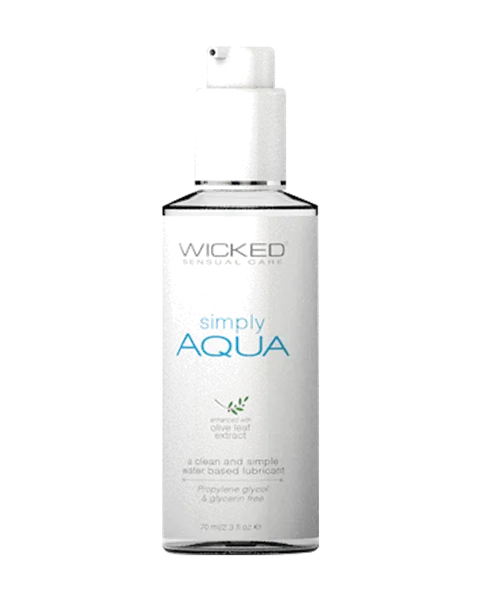
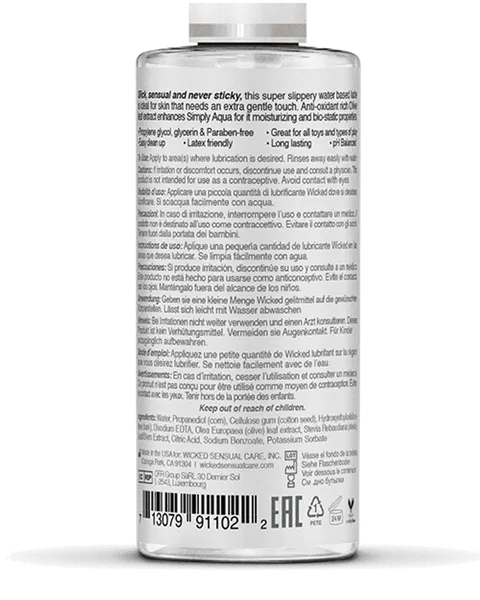
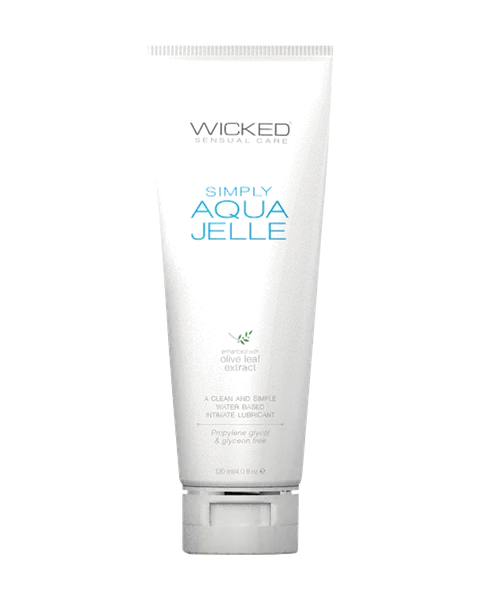
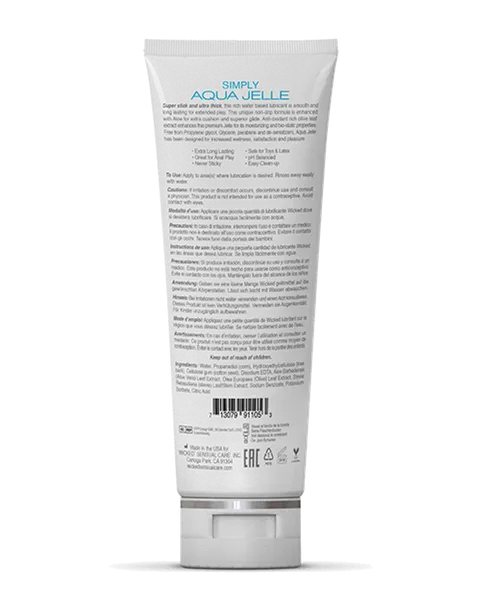
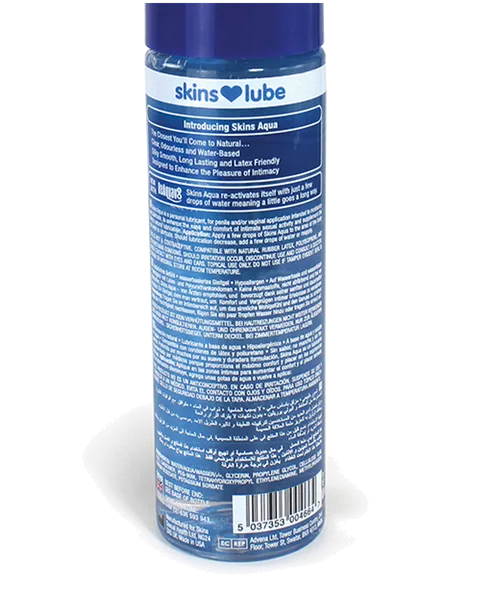
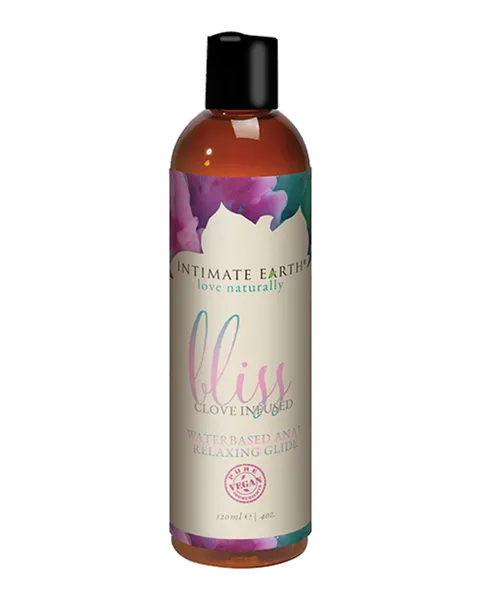
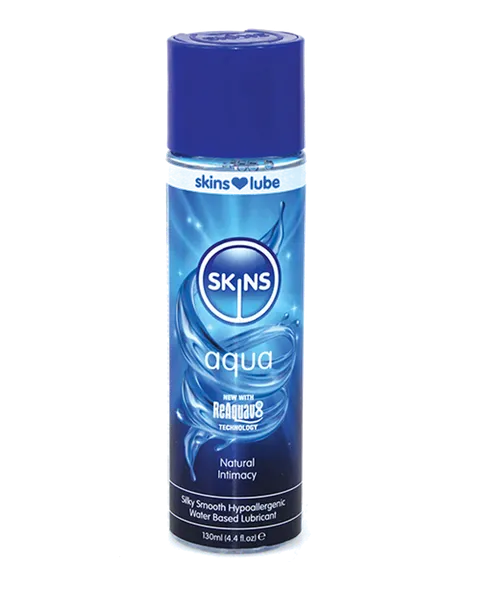
Water-based lube feels closest to natural moisture, rinses off easily and is safe with every condom and toy material. The trade-off: it can absorb into skin or evaporate, so you may need to top up. Simple, fragrance-free formulas are a sensible starting point, such as Wicked Simply Aqua, Skins Aqua or Sliquid Ride Rocco Water Based. If you want more cushion, a thicker gel like Wicked Simply Aqua Jelle stays put a little longer.
Silicone-based lube
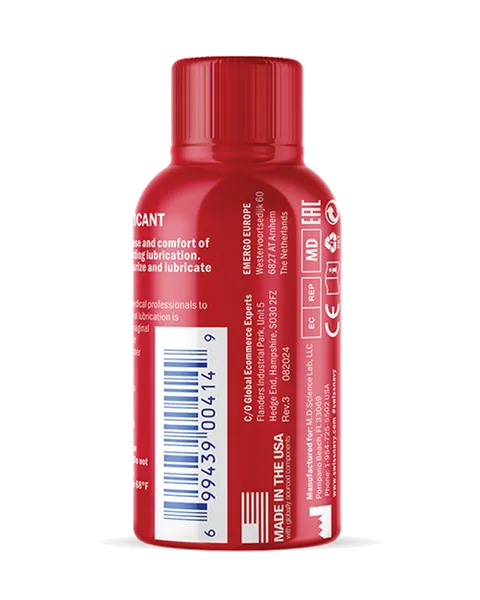
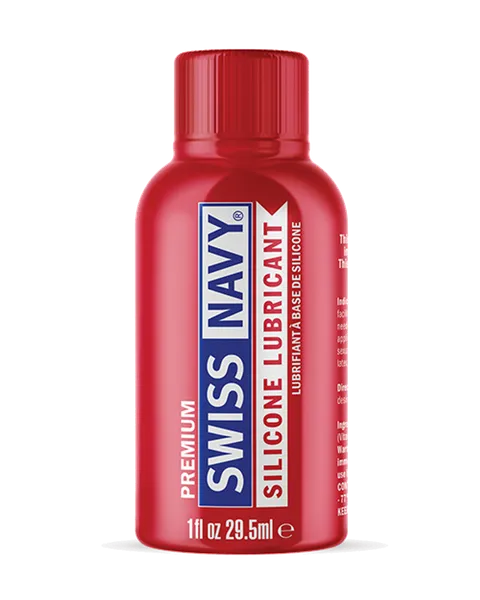
Silicone lube doesn't absorb or evaporate, so it lasts far longer than water-based and rarely needs reapplying. That makes it a favorite for anyone who finds stopping to top up frustrating. It's safe with latex condoms and great in the shower. The downsides: it takes soap and water to wash off, and it can damage some silicone toys. Try Swiss Navy Silicone in a trial-friendly 1 oz bottle, Spunk Pure Silicone, or the bigger Ride Rocco Silicone once you know you love it.
Hybrid lube
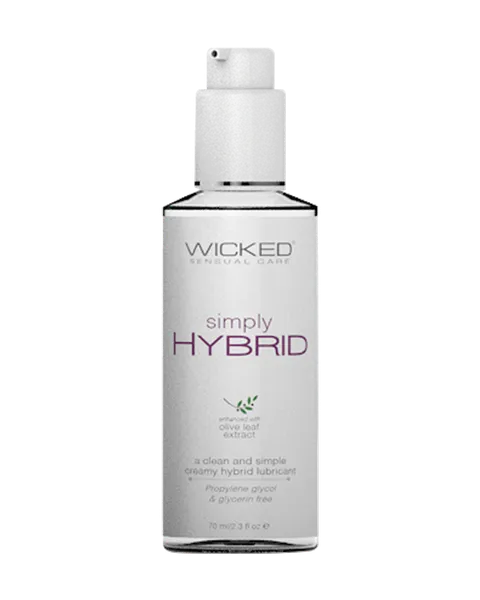
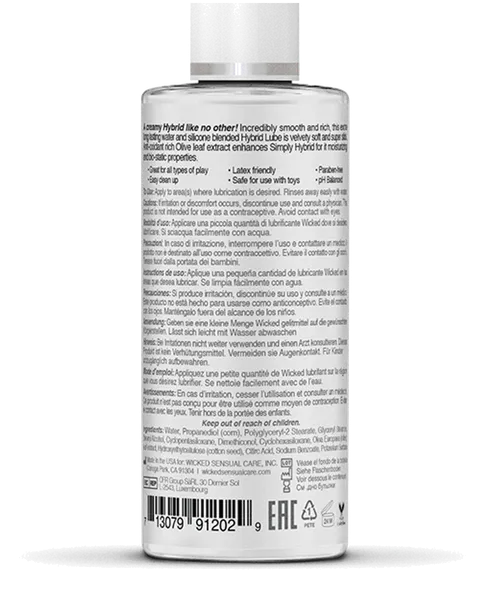
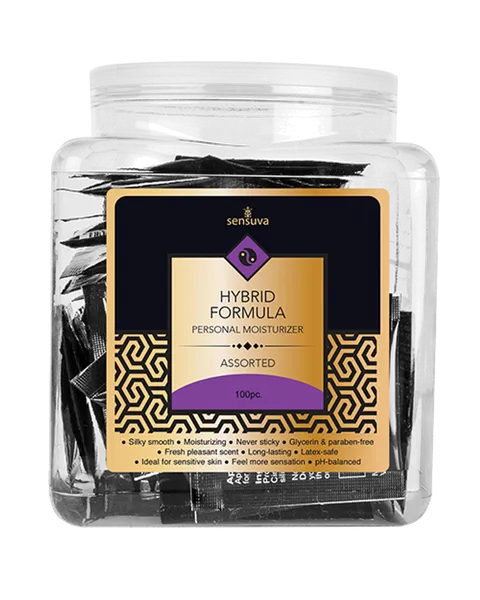
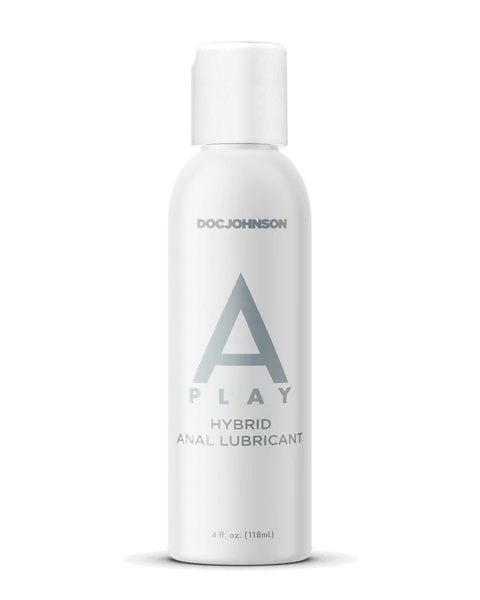
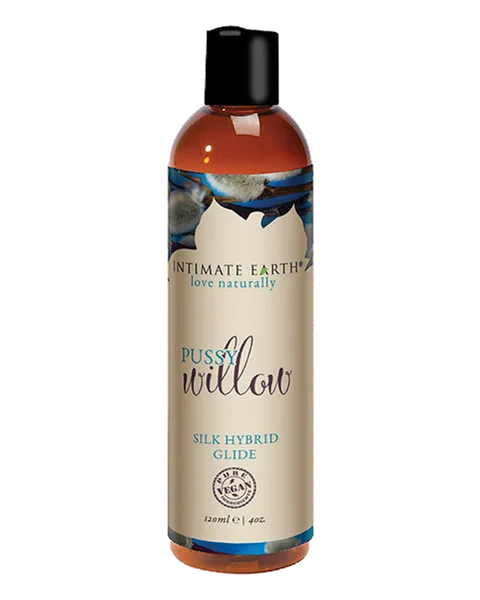
A hybrid is mostly water with a little silicone mixed in. It feels creamy, lasts longer than pure water-based, and still cleans up fairly easily. Wicked Simply Hybrid and the thicker Simply Hybrid Jelle are popular middle-ground picks. Patch-test on silicone toys first.
Oil-based lube
Oils feel rich and long-lasting, which is why people reach for them, but they break down latex condoms and can be harder to rinse out. Some people find them irritating internally. Oils shine for external massage instead: something like the EXSENS Organic Body Oil is lovely for a slow, full-body warm-up.
| Lube type | How long it lasts | Latex condom-safe? | Silicone toy-safe? | Good to know for dryness |
|---|---|---|---|---|
| Water-based | Shorter; reapply as needed | Yes | Yes | Feels most natural; choose simple, fragrance-free formulas |
| Silicone-based | Longest | Yes | Patch-test first | Great when frequent reapplying is a hassle |
| Hybrid | Medium to long | Yes | Patch-test first | Creamy cushion with easier cleanup than silicone |
| Oil-based | Long | No | Usually yes | Best kept for external massage |
Which lube ingredients should you avoid if you're dry or sensitive?
When tissue is already thin or irritated, the extras matter more. Read labels with these in mind.
Very high osmolality
Osmolality describes how concentrated a liquid is compared with your body's own fluids. Lubes with very high osmolality can pull water out of the tissue they touch, which may leave sensitive skin feeling more irritated, not less. Brands don't always list it, so lean towards simple formulas with short ingredient lists and see how your body responds.
Glycerin and sugars
Glycerin is a common ingredient in water-based lubes, and flavored lubes often contain sweeteners. Plenty of people use them happily, but some who are prone to yeast infections find them irritating. Fun flavors like Swiss Navy Strawberry Kiwi are usually best saved for oral play and external use.
Warming, cooling and tingling formulas
Sensation lubes such as Swiss Navy Warming can be a treat when your skin is happy, but on dry or irritated tissue they can sting. Wait until things feel comfortable, and patch-test on your inner arm first.
Fragrance and numbing agents
Perfumes and essential oils are common irritants for vulvar skin. Avoid numbing or desensitizing products for vaginal sex entirely: pain is useful information, and masking it can lead to injury.
pH and fertility
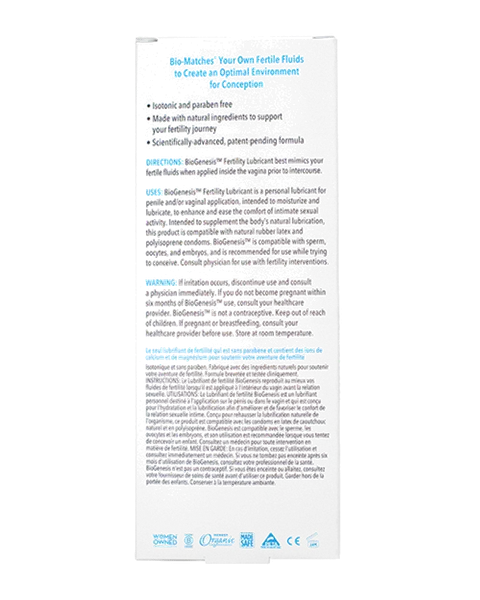
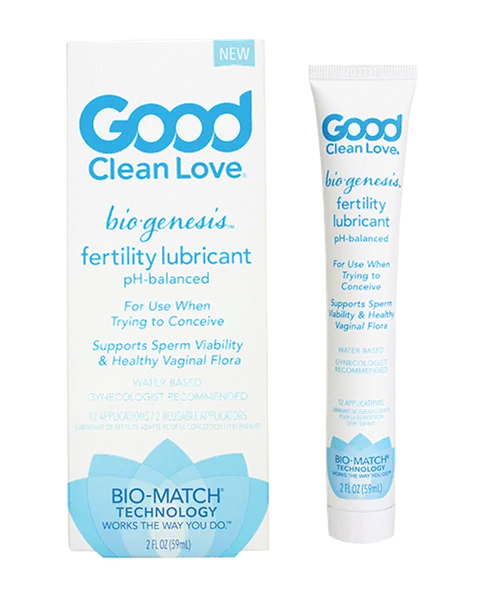
A healthy vagina is naturally acidic, and some lubes are formulated to sit close to that range. If you're trying to conceive, note that many lubes aren't sperm-friendly. Look for one made for that purpose, like Good Clean Love BioGenesis, and check with your clinician.
Will lube work with my condoms and toys?
Water-based lube works with everything. Silicone and hybrid lubes are latex-safe but should be patch-tested on silicone toys: dab a little somewhere discreet, wait, and check for tackiness or texture changes. Oil is a no for latex. If you're unsure what your toy is made from, our guides to what body-safe means and sex toy materials will help.
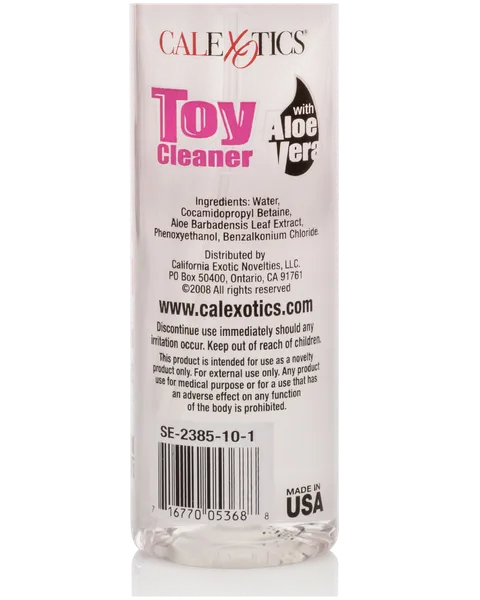
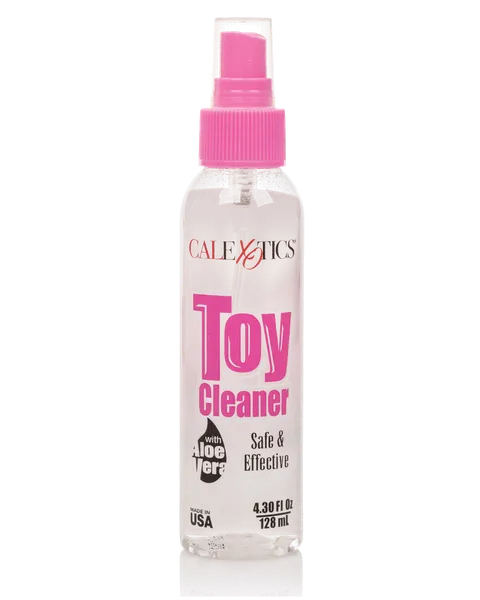
Leftover lube and residue can irritate sensitive skin, so clean toys after every use. Our walkthrough on how to clean sex toys covers the basics, and a gentle option like Universal Toy Cleaner with Aloe Vera lives with other helpful extras in Toy Care & Essentials.
When should you talk to a clinician about vaginal dryness?
Lube and gentle habits help a lot of people, but they're not a substitute for medical care. Book an appointment with a doctor, nurse practitioner or gynecologist if you notice any of the following:
- Dryness that doesn't improve after a few weeks of lube, moisturizer and gentler hygiene.
- Pain during sex, which clinicians call dyspareunia, especially if it's new or getting worse.
- Any bleeding after sex, or any vaginal bleeding after menopause.
- Itching, burning, unusual discharge or odor, which can point to an infection that needs treatment.
- Urinary symptoms such as burning, urgency or repeated infections.
- Dryness that started with a new medication or during cancer treatment.
- Dryness alongside dry eyes or a dry mouth.
A clinician can rule out other causes and talk you through options, which may include prescription treatments such as low-dose vaginal estrogen or other non-hormonal therapies, depending on your health history. They'll decide what's appropriate for you; this article can't. For trustworthy background reading, the NHS guide to vaginal dryness and the American College of Obstetricians and Gynecologists are good places to start.
How do you talk to a partner about vaginal dryness?
Keep it simple and matter-of-fact: your body needs a bit more time and a bit more glide, and that's a normal, solvable thing. Framing lube as part of the fun rather than a fix makes it easier for everyone. Some couples choose a lube together or make warm-up massage a ritual. If you want scripts for opening the conversation, our guide to suggesting a toy without awkwardness works just as well for lube.
Shopping for lube without the guesswork
Because lube is personal, start small. One-ounce bottles like Swiss Navy Water Based let you test a formula before committing to a big pump bottle. Browse our full lubricant collection or the wider Wellness range to compare bases side by side.
A few practical notes: every order ships in a discreet plain box with a neutral billing name, shipping is free over $79, and unopened items can be returned within 30 days (opened lube can't come back, which is another reason to try a small size first). You'll also earn rewards points on every order, and you can mix lube with a toy or cleaner in a Build Your Own Bundle to save.
Dryness is information, not a judgment. Listen to it, add glide generously, and loop in a clinician whenever something feels off.
Frequently asked questions
What's the difference between a vaginal moisturizer and a lubricant?
A lubricant reduces friction in the moment, so you apply it right before or during sex or solo play. A vaginal moisturizer is designed to be used regularly, often every few days, to help keep tissue comfortable over time, whether or not you're having sex. Many people with ongoing dryness, especially around menopause, use a moisturizer for everyday comfort and a lube for sexual activity.
Can stress or anxiety cause vaginal dryness?
Yes, it can contribute. Lubrication is part of the arousal response, and stress, anxiety, distraction or fatigue can make it harder for your body to respond. That doesn't mean anything is wrong with you or your relationship. Slowing down, extending foreplay and using lube generously often help. If stress-related dryness is affecting your wellbeing, a clinician or sex-positive therapist can be a good ally.
Is it normal to feel dry even when I'm turned on?
It's common. Feeling mentally aroused and producing lubrication don't always happen at the same time, and hormones, medications, hydration and your cycle all affect how wet you get. Using lube isn't a sign that something's missing; it's simply a comfort tool. If dryness is new, persistent or painful, it's worth checking in with a clinician.
Can I use coconut oil as lube?
Coconut and other oils break down latex condoms, so they aren't a safe choice if you rely on latex for contraception or STI protection. Oils can also be harder to rinse out, and some people find they irritate internal tissue. A purpose-made water-based, silicone or hybrid lube is usually a gentler option, while oils work nicely for external massage.
Does birth control cause vaginal dryness?
Some people notice vaginal dryness while using hormonal contraception, though many don't. If you've noticed a change since starting or switching methods, don't stop your contraception on your own. Talk to your clinician, who can help work out whether it's related and discuss alternatives. In the meantime, a fragrance-free lube can make sex more comfortable.
Is vaginal dryness a sign of menopause?
It can be. Falling estrogen during perimenopause and menopause commonly causes vaginal dryness, and it may appear before periods stop completely. But dryness has many other causes too, including breastfeeding, medications and stress. Unlike hot flashes, menopause-related dryness often doesn't resolve on its own, so it's worth discussing with a clinician, who can explain treatment options.
Can I use lube if I'm trying to get pregnant?
You can, but choose carefully. Many standard lubricants may affect sperm movement, so people trying to conceive often use lubes specifically formulated to be fertility- or sperm-friendly. If you're working with a fertility specialist or have been trying for a while, ask your clinician which products they recommend for your situation.
Browse more lubricants, all shipped in a plain box with discreet billing.