


 By Sol ☀️
Key takeaways
- Consent is an ongoing, specific agreement that anyone can withdraw at any time, including partway through.
- Silence, hesitation or a reluctant “I guess” is not a yes, so pause and check in with words.
- The easiest sex talks happen at low-stakes moments, using “I” statements and real curiosity about your partner’s wishes.
- Tools like the traffic-light system, safewords, yes/no/maybe lists and conversation games make communication easier and more playful.
- See a clinician or therapist for pain, distressing changes in desire or function, or communication that keeps breaking down.
Talk about what you want outside the bedroom first, at a relaxed moment. Use “I” statements, be specific, and ask what your partner wants too. Consent should be freely given, enthusiastic, specific and reversible. Keep checking in during sex, agree on a safeword, and treat any “no” or “maybe” as a no for now.
Here’s a slightly awkward truth: most of us were never taught how to talk about sex. We learned the mechanics (sort of), but not how to say “I’d love to try this,” “slow down,” or “not tonight” without blushing into the duvet.
The good news? Communication is a skill, not a personality trait. You can get better at it, and the payoff is real: more trust, less guesswork, and sex that actually fits both of you. This guide covers what consent really means, how to start the conversation, how to check in without killing the mood, and what to do when you want different things.
What does consent actually mean?
Consent is an ongoing, mutual agreement to take part in a specific sexual activity. It isn’t a contract you sign once at the start of a relationship. It isn’t implied by what someone wears, by a past yes, or by being married or long-term partners. Planned Parenthood sums it up with a handy acronym, FRIES:
- Freely given: chosen without pressure, guilt, manipulation, or being too intoxicated to decide.
- Reversible: anyone can change their mind at any point, even mid-activity.
- Informed: everyone knows what they’re agreeing to, including things like whether a condom is being used.
- Enthusiastic: you’re looking for a partner who genuinely wants to be there, not one who’s going along with it.
- Specific: a yes to one thing (say, kissing or a massage) isn’t a yes to everything else.
You can read more on Planned Parenthood’s sexual consent page. The short version: consent is less a box to tick and more a running conversation between people who care how the other feels.
What counts as a “yes” and what doesn’t?
Silence isn’t a yes. Neither is a shrug, a hesitant “I suppose,” or someone going quiet and still. Body language matters, but when you’re unsure, ask with words. Here’s a quick comparison:
| Sounds like a yes | Not a yes (pause and check in) |
|---|---|
| “Yes, I want that.” | “I don’t know” or “maybe” |
| “Keep going, that feels great.” | Silence, freezing, or pulling away |
| “Can we try…?” | “I guess, if you want to” |
| Actively joining in and initiating | Agreeing only after being asked repeatedly |
| Clear, relaxed and present | Asleep, very drunk or high, or unable to respond |
A useful rule: a “maybe” means “not right now.” That isn’t rejection; it’s information. Treat it as an invitation to talk, never as something to wear down.
How do you start a conversation about what you want?
The best time to talk about sex is usually not during sex. The pressure is higher, emotions run hot, and nobody wants to negotiate while half-dressed. Try these instead.
Pick a low-stakes moment
Car rides, walks, or cooking together work brilliantly because you’re side by side rather than staring at each other. Less eye contact can make vulnerable topics feel easier. Avoid raising it straight after a disappointing encounter or in the middle of an argument.
Lead with appreciation and “I” statements
An “I” statement describes your own feelings and wishes rather than judging your partner. “I’d love more time on foreplay” lands very differently from “You always rush.” Opening with something you already enjoy sets a warm, safe tone.
Borrow a ready-made opener
- “I read about [idea] and got curious. Have you ever thought about it?”
- “What’s something you’ve wanted to try but never mentioned?”
- “I really loved it when you… Could we do more of that?”
- “Is there anything you’d like me to do differently? I promise I won’t take it badly.”
- “I’m a bit nervous saying this, but I’d like to talk about…”
Naming your nerves is surprisingly disarming. It tells your partner this matters and gives them permission to feel nervous too. If the thing you want to raise is a toy, our guide on how to suggest a sex toy to your partner has scripts for exactly that chat.
Listen as much as you talk
Ask follow-up questions, reflect back what you hear (“So you’d like it slower at the start?”), and resist the urge to defend yourself. You’re on the same team, figuring out a shared puzzle.
How do you check in during sex without killing the mood?
Checking in can be genuinely sexy. A murmured “Do you like this?” or “Faster or slower?” shows attention, and attention is attractive. A few simple tools:
- Open questions: “What would feel good right now?” invites more than a yes or no.
- The traffic-light system: green means keep going, yellow means slow down or check in, red means stop completely. Easy to say, easy to remember.
- A safeword: a word agreed in advance that clearly means “stop.” Choose something you’d never say by accident. It’s useful for any play and essential for restraint or role-play, where “no” might be part of the scene.
- Non-verbal signals: a double tap or dropping a held object works when speaking might be hard.
If restraints or power play are on your maybe list, read our guide to bondage safety and safewords and our beginner’s guide to light bondage before browsing bondage gear.
What if you and your partner want different things?
Completely normal. Two people rarely line up perfectly on frequency, pace or fantasies. The goal isn’t identical desire; it’s finding the overlap and respecting the edges.
Make a yes/no/maybe list
A yes/no/maybe list is exactly what it sounds like: you each privately sort activities into “yes, please,” “no, thanks,” and “maybe, under certain conditions.” Then compare. Shared yeses become an instant menu; maybes are where the interesting conversations happen; nos are simply off the table.
Know your limits
A hard limit is something you won’t do, full stop. A soft limit is something you feel hesitant about but might explore with the right conditions. Neither needs justifying. A partner who respects your limits is a partner you can truly relax with.
Never trade consent for peace
Compromise works for choosing a restaurant. It doesn’t work when one person agrees to sex they don’t want just to avoid an argument or a sulk. If you notice that pattern, pause and talk it through, possibly with professional support (more on that below).
Can games and toys make talking about sex easier?
Absolutely. Often the hardest part is the first sentence, and a card or a dice roll can say it for you. Games turn “So, um, what do you like?” into a playful prompt you can laugh about together. One ground rule: every prompt is a suggestion, never an obligation. Either of you can skip anything, no explanation needed.
| Tool | Best for | Try |
|---|---|---|
| Question and dare cards | Learning each other’s turn-ons | Cosmo’s Truth or Dare, Reel Pleasures card game |
| Dice games | Low-pressure, random prompts | Lucky Sex Dice, Ultimate Roll dice |
| Block-stacking games | Icebreaking and giggles | Tower Tease |
| Tarot-style prompts | Talking through fantasies | Sex Fortunes tarot cards |
| Slow-build card games | Taking things one step at a time | Take It Off |
Want a big idea bank to dip into? 1000 Sex Games is a fun way to discover what makes you both say “ooh” and what earns a firm “nope.”
Choosing a toy together
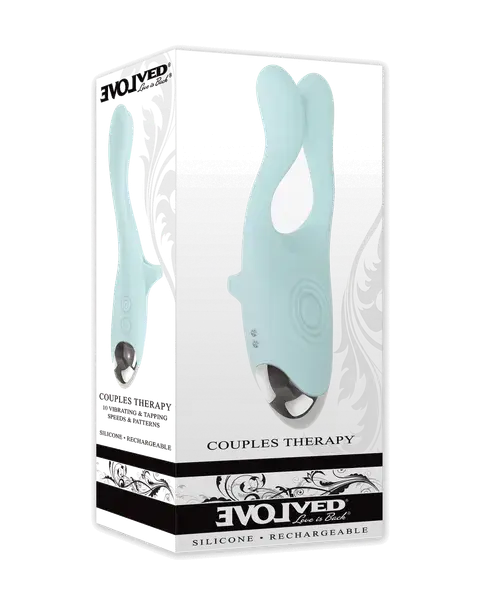
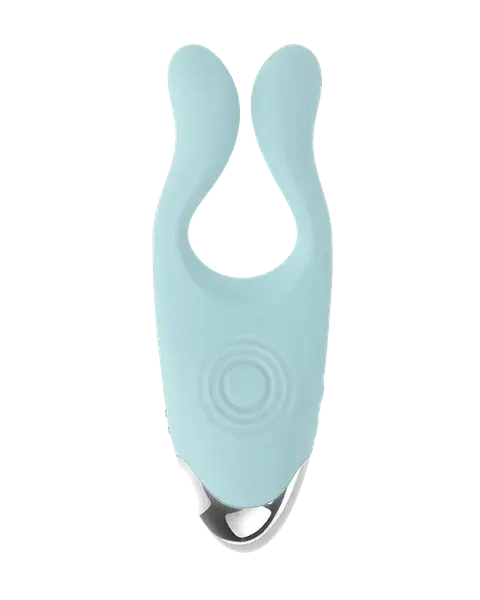
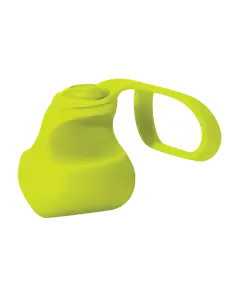
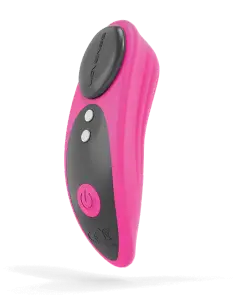
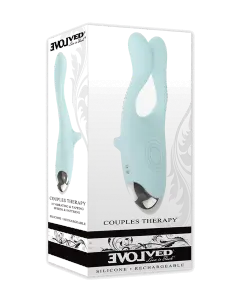
Once you’ve talked, a shared toy can be a natural next step, and picking it together is a communication exercise in itself. A hands-free couples vibrator like the Evolved Couples Therapy Vibrator or a simple Screaming O GO Vibe Ring are easy starting points. Remote toys such as the Dual Rider remote control grinder involve handing over control, so agree on settings and a stop signal first. Our couples vibrators guide walks through the options, and you can browse the full couples collection together.
Comfort is part of consent, too. Keep a bottle from our lubricants range nearby (check our lube and toy compatibility guide), and if words still feel hard, a slow massage with something from our massage and candles collection is a gentle way to practise asking for touch: harder, softer, there, not there.
How do you say no, and hear one, kindly?
Saying no
Be clear and, if you like, warm. “Not tonight, but I’d love to cuddle” or “That’s not for me, but I’m into this” both work. You never owe a reason. A clear no is a kindness; it saves everyone from guessing.
Hearing no
Thank your partner for telling you. Don’t sulk, bargain, or ask again five minutes later. Feeling disappointed is human; making your partner responsible for fixing that feeling isn’t fair. Every time a no is received gracefully, it becomes easier for both of you to say yes honestly.
What should you talk about after sex?
Aftercare is the time and attention you give each other after sex or intense play: cuddling, water, a blanket, reassurance. It’s also a lovely moment for a gentle debrief. Try “What was your favourite part?” and “Anything you’d like to change next time?” Keep it curious, not critical. Our aftercare guide has more ideas.
When should you talk to a clinician or therapist?
Good communication solves a lot, but not everything. Consider speaking to a doctor, nurse, or qualified sex or couples therapist if:
- Sex is painful during or afterwards. Pain is a signal worth checking, not something to push through. See our guide to painful sex and when to see a doctor.
- Changes in desire, arousal, erections or orgasm are causing you distress. These can have physical, hormonal, medication-related or emotional causes that a clinician can help untangle.
- Past experiences are resurfacing, such as anxiety, flashbacks, or freezing during intimacy. A trauma-informed therapist can help you move at your own pace.
- The same argument keeps happening and talking alone isn’t breaking the cycle.
- You have questions about STIs, contraception or sexual health. Our safer sex basics are a good starting point, and a clinic can test and advise.
If you ever feel pressured, controlled or unsafe with a partner, that isn’t a communication problem to fix on your own. Reach out to someone you trust or a local support service, and contact emergency services if you’re in immediate danger.
Ready to keep the conversation going?
Talking about what you want gets easier every time you do it. Start small, stay curious, and celebrate the moments you’re brave enough to say the real thing. If you’d like help choosing something to explore together, take our private Find Your Match quiz. Every order ships in a discreet plain box with a neutral billing name, shipping is free over $79, and unopened items can be returned within 30 days.
Frequently asked questions
Can you withdraw consent in the middle of sex?
Yes. Consent is reversible, so anyone can change their mind at any moment, even if they agreed earlier or things are already underway. Once someone says stop, uses a safeword, or shows they want to stop, the activity should end right away. A caring partner checks in afterwards without blame, and you never owe an explanation for changing your mind.
Does being in a relationship mean consent is implied?
No. Being married, in a long-term relationship, or having had sex before never means automatic consent. Each encounter and each activity still needs agreement. In established relationships, consent often becomes more relaxed and non-verbal because you know each other well, but checking in still matters, especially when trying something new or when either of you seems unsure.
Can someone consent if they have been drinking?
A person who is very drunk, high, asleep, or unable to understand what is happening cannot give meaningful consent. Being tipsy is a grey area, so the safest approach is simple: if you’re unsure whether someone is clear-headed enough to decide, wait. Save new activities, and especially important conversations about limits, for when you are both sober.
How do I tell my partner I’m not enjoying something?
Keep it kind and specific, and pair it with a redirect if you can. In the moment, try “Can we go slower?” or “Let’s switch to this instead.” Later, use an “I” statement such as “I’ve realised I don’t enjoy that much, but I love it when you…” Focus on what you want more of rather than criticism.
What if my partner gets upset when I say no?
Disappointment is normal, but a partner should respect your no without guilt-tripping, sulking, or repeated pressure. Calmly explain that hearing your no gracefully helps you feel safe enough to say yes honestly. If pressure becomes a pattern, consider talking it through with a couples therapist, and if you ever feel unsafe or controlled, reach out to a trusted person or local support service.
Is asking for consent awkward or a mood killer?
It doesn’t have to be. Checking in can be flirtatious: “Do you like this?”, “Want more?” or “Tell me what you want” show attention, and many people find that attractive. Talking about desires and limits before you’re in the moment also means fewer pauses later, because you already know each other’s yeses, maybes and nos.
How do I bring up a fantasy I feel embarrassed about?
Choose a relaxed moment outside the bedroom and frame it as curiosity rather than a demand, such as “I’ve been thinking about something and wanted to share it.” A game or card prompt can lower the stakes. Make it clear a no is fine. Sharing a fantasy doesn’t mean you must act on it; sometimes talking about it is fun enough.

Browse more couples, all shipped in a plain box with discreet billing.