
 By Sol ☀️
Key takeaways
- Masturbation is a normal, healthy part of sexuality for people of every gender, whether they're single or partnered.
- Widely recognized benefits include relaxation, easier sleep, getting to know your body, and pleasure with no pregnancy or STI risk.
- Myths about blindness, infertility, permanent vibrator numbness and ruined relationships aren't supported by mainstream medical guidance.
- Lube, clean hands, body-safe toys and varied technique prevent most minor side effects, like chafing or temporary numbness.
- See a clinician for pain, unexpected bleeding, numbness that doesn't fade, injuries, or distress you can't shake.
Masturbation is a normal, safe part of sexual health for people of every gender. Widely recognized benefits include stress relief, easier sleep, learning what you enjoy, and pleasure with no pregnancy or STI risk. Old myths about blindness, infertility or 'using up' your orgasms aren't true. It's only a concern if it causes pain, injury or real distress.
Few topics have collected as many strange warnings as touching yourself. Depending on where and when you grew up, you may have heard it would make you go blind, drain your energy, or ruin you for a future partner. None of that holds up. What does hold up is a lot less dramatic and a lot more useful. Solo pleasure is one of the simplest, lowest-risk ways to look after your sexual wellbeing.
Below, we cover what masturbation does for your body and mind and which myths deserve retiring. You'll also find how to keep solo play comfortable, and the specific situations where checking in with a clinician makes sense.
Is masturbation normal?
Masturbation means touching or stimulating your own body for sexual pleasure. That might be with your hands, a toy, a pillow, or anything else that's safe for your body. It may or may not end in orgasm, the peak of sexual arousal where built-up tension releases, often with rhythmic pelvic muscle contractions.
It's common across genders, sexual orientations and relationship statuses. Single people do it. People in happy long-term relationships do it. People in their twenties and people in their seventies do it. Major health organizations, including Planned Parenthood and the NHS, describe it as a normal, healthy part of sexuality.
It's equally normal not to masturbate, or to go through phases where you're just not interested. Desire ebbs and flows with stress, hormones, medications, sleep and life in general. There's no quota to hit.
What are the health benefits of masturbation?
Most of the benefits come from two places. First, arousal and orgasm trigger feel-good brain chemistry. Second, taking time for your own pleasure is a form of rest. Here's what's widely recognized.
Stress relief and relaxation
Many people find arousal and orgasm leave them calmer and looser. It won't fix whatever is stressing you out. As a short, free, private break from it, though, it's hard to beat.
Easier sleep
That post-orgasm drowsiness is real for a lot of people. If you struggle to switch off at night, a little solo time can be part of your wind-down routine, alongside the usual sleep basics like a dark room and less late-night scrolling.
Getting to know your body
This is arguably the biggest benefit. When you learn what kind of touch, pressure, speed and rhythm you like (and what you don't), asking for it with a partner gets much easier. Plenty of people with a vulva discover through solo play that clitoral stimulation matters more to them than penetration alone. That's valuable information to share.
Relief from period cramps, for some
Some people find that orgasm eases menstrual cramps, likely thanks to muscle release and those same feel-good chemicals. It doesn't work for everyone, and severe period pain is always worth raising with a doctor. But if you're curious, there's no harm in trying.
Pleasure without pregnancy or STI risk
Solo sex is the safest sex there is. With your own clean hands and your own toys, there's no risk of pregnancy and no risk of passing on a sexually transmitted infection. If you share toys, use a fresh condom on them or clean them between people. Our safer sex basics guide covers the details.
Support through body changes
Arousal increases blood flow to the genitals. During perimenopause and menopause, regular arousal, whether solo or partnered, is often mentioned as one part of staying comfortable, alongside lube and medical care where needed. Our guide to menopause and pleasure goes deeper.
Confidence and body image
Spending time enjoying your body, rather than critiquing it, can gently shift how you feel about it. It's not a cure-all, but it's a genuinely kind thing to do for yourself.
Does masturbation have any side effects?
For most people, the side effects are minor and easy to fix:
- Chafing or soreness from friction. Lube solves most of this.
- Temporary numbness after strong vibration. Sensation returns after a rest, and lowering the intensity or adding a layer of fabric helps.
- Irritation from scented products, unsuitable lubes or porous toy materials. Simple, fragrance-free products tend to be gentler. See our guide to ingredients that can cause irritation.
- Guilt or shame, which is usually learned rather than built in. If these feelings are heavy, they're worth talking through with someone you trust or a sex-positive therapist.
What are the most common masturbation myths?
Let's clear out the folklore. These are the myths we hear most, and what's actually true according to widely accepted medical guidance.
| Myth | What's actually true |
|---|---|
| It causes blindness, hairy palms or acne | No. These ideas came from moral panic, not medicine. |
| It causes infertility or "uses up" sperm | No. Sperm production is ongoing. If you're trying to conceive and have questions about timing, ask your clinician. |
| It causes erectile dysfunction | Masturbation doesn't damage erections. Erection changes have many possible causes that are worth checking with a doctor. |
| It ruins your sex life with a partner | For most people, the opposite. Knowing what you like makes it easier to communicate. |
| Only single or lonely people do it | People in satisfying relationships masturbate too. Solo and partnered sex happily coexist. |
| Vibrators permanently desensitize you | Numbness from strong vibration is temporary. Varying intensity and technique keeps things responsive. |
| It drains your energy or ruins workouts | There's no good evidence that it harms fitness, strength or your energy for the day. |
| Doing it every day is unhealthy | There's no medically "correct" frequency. What matters is how it fits into your life. |
What about "death grip"?
"Death grip" is an informal term, not a medical diagnosis. It describes getting so used to one very firm, fast technique that other kinds of touch feel less effective. The vibrator version is getting used to only ever using the highest setting. In both cases, the fix is variety: a lighter grip, a slower pace, more lube, a lower setting, or a different kind of stimulation now and then. Bodies are adaptable, and sensitivity tends to respond well to change.
How often is too often to masturbate?
There's no magic number. Some people masturbate several times a day and others a few times a year, and both can be completely healthy. A better question is whether it's working for you. It may be worth a closer look if:
- It regularly causes pain, injury or broken skin
- It's getting in the way of work, sleep, responsibilities or relationships
- You feel unable to stop, even when you want to
- You mostly use it to escape feelings that keep getting worse
- It leaves you feeling distressed rather than good
If any of those ring true, read the clinician section below. You're not broken, and support is available.
How can you make solo play more comfortable and body-safe?
A few simple habits make a big difference:
- Use lube. Even if you get naturally wet, lube reduces friction and makes most touch feel better. Water-based lube is the safest all-rounder, especially with silicone toys. Browse our lubricants and check which lube works with which toy.
- Start with clean hands and clean toys. Wash before and after. Our guide on how to clean sex toys walks you through it, and you'll find cleaners and storage pouches in toy care and essentials.
- Choose body-safe materials. Non-porous materials like silicone, glass and stainless steel are easier to keep clean. Here's what "body-safe" actually means.
- Use things designed for bodies. Household objects can break, scratch or get stuck. Anything used anally needs a flared base.
- Go slow and mix it up. Start on low settings, take breaks, and let arousal build. If something hurts, stop.
Which sex toys are good for solo play?
You don't need a toy to enjoy masturbation. But a vibrator, a toy that uses buzzing or rumbling motion for stimulation, makes orgasm easier for many people. That's especially true for people with a vulva, since steady clitoral stimulation is something hands can tire of. If you're new to all this, start with how to choose your first vibrator or our overview of types of vibrators.
| Toy type | Best for | Examples to explore |
|---|---|---|
| Bullet vibrator | Beginners, external play, small budgets, travel | B Yours Silver Bullet Mini, Screaming O 3 Speed Soft Touch Bullet, Rocks Off RO-80 7-Speed Bullet |
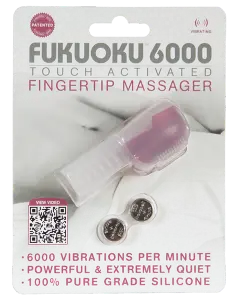
| Finger vibe | Adding buzz to your own hand, or a partner's | Fukuoku 6000 Fingertip Massager, Screaming O FingO Tips |
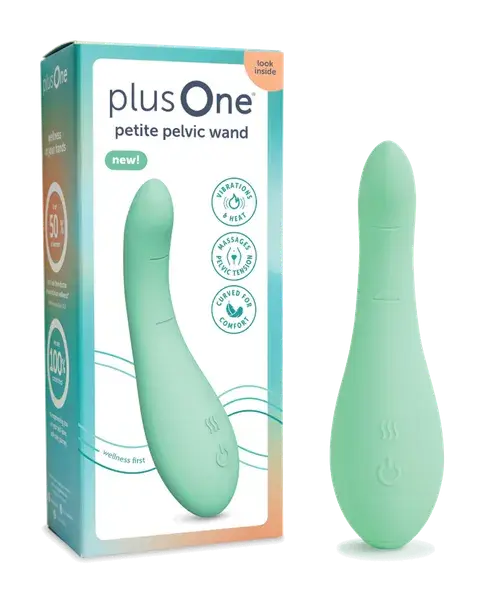
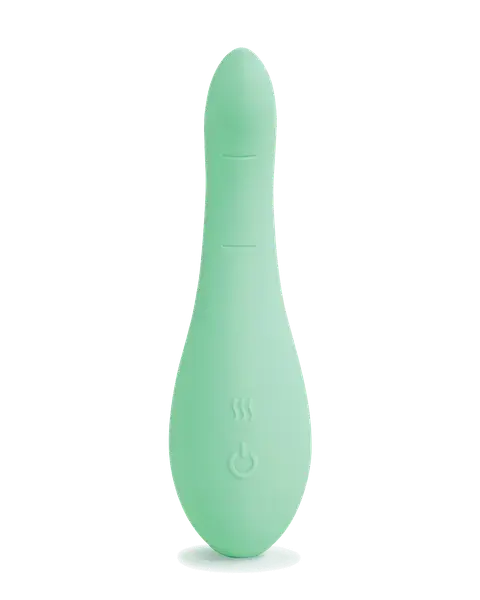
| Wand | Broad, rumbly external stimulation | plusOne Petite Pelvic Wand |
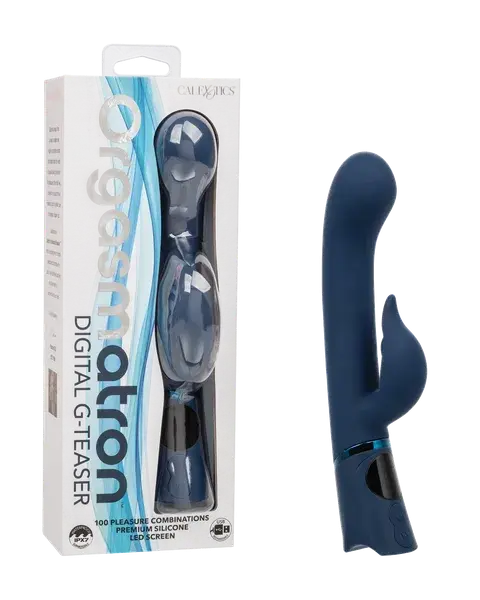
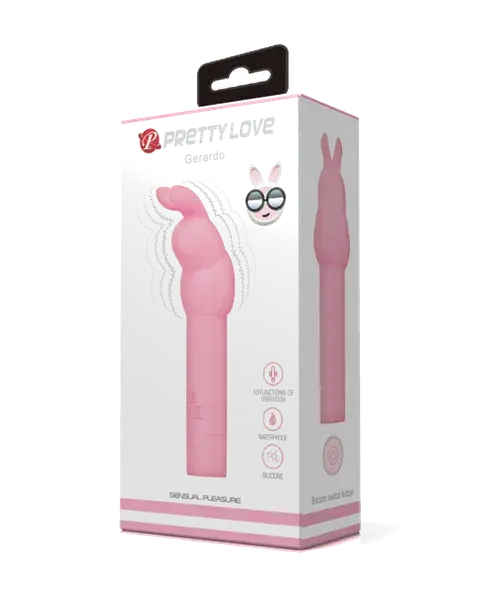
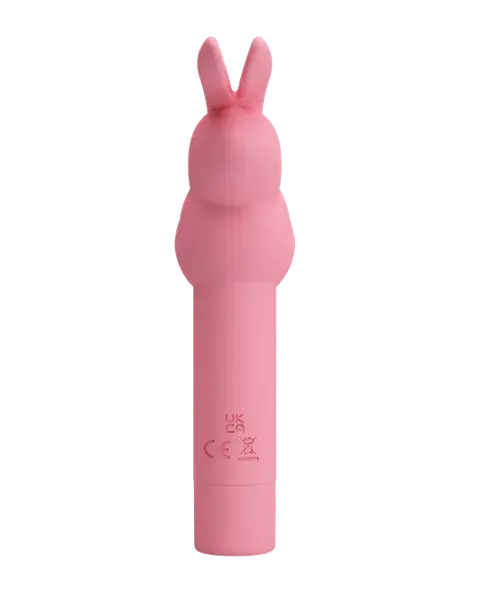
| Rabbit vibrator | Internal and clitoral stimulation at once | Pretty Love Gerardo Bunny, Blush Quinn Rabbit |
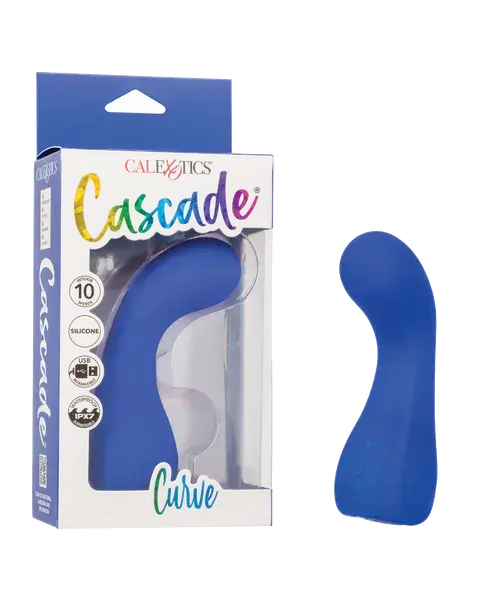
| G-spot vibrator | Curved internal exploration | Orgasmatron Digital G-Teaser, Cascade Curve Stimulator |
| Stroker | Penis owners who want texture and variety | Browse our strokers |
A few pointers depending on your situation:
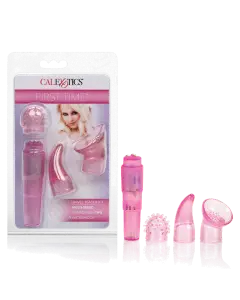
- Brand new and want options? A beginner kit like the First Time Travel Teaser Kit lets you experiment without a big commitment.
- Living with roommates or family? See our picks for quiet vibrators.
- Curious about internal play? Read our G-spot guide, then browse G-spot vibrators.
- Limited grip or mobility? Our guide to accessible sex toys covers handles, shapes and hands-free options.
- Have a penis? Start with our best strokers for beginners. Bullets work beautifully along the shaft and frenulum, too.
You can browse the full vibrator collection, or narrow things down to bullet vibrators or wands and clit toys. Still unsure? Our private Find Your Match quiz takes about two minutes.
When should you talk to a clinician?
Masturbation itself is rarely a medical problem, but it can bring other things to your attention. Because you're the one paying close attention to your body, you may notice changes first. It's a good idea to see a doctor, nurse, gynecologist or urologist if you notice:
- Pain during or after arousal or orgasm, or pain with penetration
- Bleeding that isn't from your period, or unusual discharge, sores, lumps or rashes
- Numbness or reduced sensation that doesn't come back after a rest
- A new curve, lump or pain in the penis, or ongoing erection changes
- Persistent dryness or irritation, including around menopause
- Difficulty reaching orgasm that bothers you
- Urges that feel out of your control, or ongoing distress, shame or anxiety about masturbation
Get urgent care for any injury, heavy bleeding, or a toy or object that's stuck. Don't try to dig it out yourself, and don't let embarrassment delay you. Emergency staff have seen it all.
For the emotional side, such as guilt, compulsive patterns or relationship tension around solo sex, a certified sex therapist or counselor can help. Bring it up plainly. Clinicians hear these questions far more often than you'd think. For general health information, Mayo Clinic is a reliable place to start.
Related reading from the Journal: painful sex and when to see a doctor, trouble reaching orgasm, erection changes and toys that help, and vaginal dryness and choosing a lubricant.
Ready to explore?
Think of solo pleasure as part of your self-care, as ordinary as a good night's sleep and as personal as your favorite playlist. Go at your own pace, keep it comfortable, and drop any rules that were never yours to begin with.
When you're ready to shop, every YourFemme order ships in a plain, discreet box with a neutral billing name. Shipping is free over $79, unopened items can be returned within 30 days, and you'll earn rewards points on every order.
Frequently asked questions
Is it normal to masturbate when you're in a relationship?
Yes, completely. Plenty of people in happy relationships masturbate, and it doesn't mean anything is missing. Solo sex can smooth over differences in desire, keep you connected to your own body, and give you new ideas to share. If it's causing tension, talk openly about what it means to each of you. A sex therapist can help if the conversation feels stuck.
Can masturbation affect fertility or sperm count?
Masturbation doesn't cause infertility or permanently use up sperm, because the body keeps producing it. It doesn't affect fertility for people with ovaries either. If you're actively trying to conceive and wondering about timing, or you've been trying for a while without success, that's a good question for your doctor or a fertility specialist, who can advise based on your situation.
Can using a vibrator too much make you numb?
Strong vibration can cause temporary numbness, a bit like your hand tingling after using a power tool. Sensation returns after a rest, and normal vibrator use isn't known to cause permanent damage. To keep things responsive, start on lower settings, vary speeds and patterns, and mix in hand play. If numbness doesn't go away, check in with a clinician.
Is it okay to masturbate during your period?
Yes. It's safe, and some people find orgasm eases cramps. Lay down a towel if you like, and wash any toys thoroughly afterward. Waterproof toys make shower play easy. If you have severe period pain that disrupts your daily life, mention it to a doctor, because it can have causes that are treatable.
Does masturbation lower testosterone or hurt muscle gains?
There's no good evidence that masturbation meaningfully lowers testosterone, saps strength or ruins your workouts. These ideas circulate widely online but aren't supported by mainstream medical guidance. If you're worried about low energy, low libido or hormone levels, a doctor can talk through your symptoms and decide whether any testing makes sense.
Is it normal to have no interest in masturbating?
Yes. Some people rarely or never masturbate, and that's healthy too. Interest can also shift with stress, medications, hormones, mental health or life stage. It's only worth raising with a clinician if a change in desire is new, bothers you, or comes with other symptoms such as low mood, fatigue or pain.
Can masturbation help with reaching orgasm during partnered sex?
Often, yes. Learning what kind of touch reliably works for you makes it easier to guide a partner or bring a toy into shared sex. Many people with a vulva need clitoral stimulation to orgasm, and solo play can make that clear. If orgasm feels difficult in every situation and that bothers you, a clinician or sex therapist can help.

Browse more vibrators, all shipped in a plain box with discreet billing.