 By Sol ☀️
Key takeaways
- Pain during sex is common, but it is a signal worth listening to rather than something to push through.
- Where it hurts (at the entrance or deeper inside) gives useful clues about the likely cause.
- More arousal time and a gentle, fragrance-free lube solve many cases linked to friction and dryness.
- Persistent pain, bleeding after sex, unusual discharge, fever or pelvic pain outside of sex all deserve a visit to a clinician.
- Many causes of painful sex are very treatable, and pelvic floor physical therapists and sex therapists can help alongside doctors.
Pain during sex (dyspareunia) often comes from too little arousal or lubrication, vaginal dryness linked to hormonal changes, infections, skin irritation, tight pelvic floor muscles, or conditions like endometriosis. Slowing down and using a gentle lube often helps, but see a clinician if pain keeps happening, comes with bleeding, unusual discharge or fever, or worries you.
If sex has started to hurt, or has always hurt a little and you assumed that was just how it is, you are in good company. Pain during sex is one of the most common things people quietly worry about and one of the least talked about. The good news: it is usually explainable, and very often fixable.
This guide walks through the causes clinicians most often look at, what you can safely try at home, and the signs that mean it is time to book an appointment. It is written mainly with vulva owners in mind, with a section for people with a penis too. It is general information, not a diagnosis, so use it as a starting point for a conversation with a professional.
Is it normal for sex to hurt sometimes?
A moment of discomfort, like a position that bumps something tender or rushing before you are ready, happens to lots of people. What is not something you should simply accept is pain that keeps coming back, pain that is sharp or burning, or pain that makes you dread intimacy.
The medical term is dyspareunia, which simply means persistent or recurring pain just before, during or after sex. It is a symptom, not a diagnosis in itself, which is why figuring out the pattern of your pain matters so much.
Sex is supposed to feel good. If it regularly does not, that is information, not a personal failing.
Does it matter where it hurts?
Yes. Clinicians usually start by asking whether pain happens at the entrance of the vagina (called superficial or entry pain) or deeper inside with thrusting or certain positions (called deep pain). The two tend to point toward different causes.
| Type of pain | What it often feels like | Commonly linked causes |
|---|---|---|
| Entry (superficial) | Stinging, burning, rawness or a feeling of being too tight at the opening | Not enough arousal or lubrication, vaginal dryness, yeast or other infections, skin irritation from products, vaginismus, vulvodynia |
| Deep | An ache, cramping or a sharp jolt with deeper penetration or certain angles | Endometriosis, pelvic inflammatory disease, ovarian cysts, fibroids, tight pelvic floor muscles, constipation or bladder irritation |
| After sex | Soreness, burning when peeing, cramping or spotting afterward | Friction, urinary tract infection, cervical sensitivity, infections, or any of the causes above |
Plenty of people have more than one type at once, and pain can also change over time. Jot down when it happens, where, and what it feels like. That record is gold at an appointment.
What are the most common causes of painful sex?
Not enough arousal or lubrication
This is the big one, and it is not a flaw. Arousal increases blood flow and natural wetness and helps the vagina lengthen and relax. Skip or rush that stage and penetration can rub, sting or feel blocked. Stress, tiredness, distraction or simply not being in the mood all play a part.
Vaginal dryness and hormonal changes
Lower estrogen levels can thin and dry the vaginal tissues. This is common during perimenopause and menopause, while breastfeeding, after childbirth, and for some people on certain hormonal contraceptives. Some medications, including certain antihistamines and antidepressants, can also reduce natural lubrication. Our guides to vaginal dryness and choosing a lubricant and menopause and pleasure go deeper on this.
Infections and irritation
Yeast infections, bacterial vaginosis (an imbalance of the usual vaginal bacteria), urinary tract infections and sexually transmitted infections can all make sex sore. So can contact dermatitis, an irritated skin reaction to something touching the area: scented soaps, bubble bath, douches, some condoms or spermicides, or a lube that does not agree with you. Skin conditions such as eczema or lichen sclerosus (a long-term condition that can make vulvar skin thin, itchy and fragile) can also cause pain and need a clinician to diagnose.
Muscle tension: vaginismus and the pelvic floor
Your pelvic floor is the hammock of muscles supporting your bladder, bowel and uterus. If those muscles are overly tight, penetration can feel painful or impossible. Vaginismus is an involuntary tightening of the muscles around the vaginal opening when penetration is attempted. It is not something you are choosing, and it responds well to treatment. Pelvic floor physical therapy is often part of the plan, and our pelvic floor health guide explains more about how these muscles work.
Vulvodynia
Vulvodynia means ongoing pain in the vulva, often burning or stinging, without an obvious cause such as infection or a skin condition. It can be triggered by touch, sex, tampons or tight clothing. It is a real, recognized condition, and a gynecologist can help you explore management options.
Conditions linked to deep pain
Deep pain sometimes points to something in the pelvis, such as endometriosis (tissue similar to the uterine lining growing elsewhere), pelvic inflammatory disease, ovarian cysts, fibroids, or scar tissue after surgery or childbirth. Constipation and bladder irritation can also make deep penetration uncomfortable. These need medical assessment, so deep pain that keeps happening is a clear reason to book in.
Stress, anxiety and past experiences
Your brain is part of your sexual anatomy. Anxiety about pain can make muscles tense, which causes more pain, which causes more anxiety. Relationship stress, body image worries and past painful or traumatic experiences can all contribute. None of this means the pain is "in your head." It means body and mind are working together, and both deserve care.
If you have a penis
Pain during sex can affect anyone. For penis owners, common culprits include friction and dryness, infections including STIs, a foreskin that is too tight to pull back comfortably (phimosis), skin irritation, and Peyronie's disease (a curve caused by scar tissue in the penis). Pain with ejaculation is also worth mentioning to a doctor. If erection changes are part of the picture, see our guide to erection changes and what can help.
What can you try at home to make sex more comfortable?
If you have no warning signs (more on those below) and you suspect friction, dryness or tension is the issue, these gentle changes are a sensible first step:
- Make warm-up non-negotiable. Kissing, massage, outercourse and toys before penetration give your body time to catch up with your head. A slow massage with something from our massage and candles range is a lovely way to stretch that runway.
- Use lube generously, even if you feel wet. Reapply whenever things start to drag.
- Let the person who feels pain set the pace. Positions where they control depth and angle, such as being on top or lying side by side, often help with deep pain.
- Go fragrance-free down there. Swap scented washes for plain water on the vulva, and skip douching, which can disrupt the vagina's natural balance.
- Stop when it hurts. Pushing through pain teaches your body to brace for it next time.
- Remember sex is more than penetration. Taking it off the menu for a while can lower pressure and make intimacy feel safe again.
How do you choose a lube for sensitive bodies?
The right lube can make a real difference, and the wrong one can make things worse. Look for short ingredient lists and fragrance-free or unscented formulas. Some people find glycerin, sugars and flavorings irritating, and anything labeled warming, tingling or cooling is best avoided if you are already sore. If a lube stings or burns, stop using it.
| Lube type | Pros | Watch-outs | Good for |
|---|---|---|---|
| Water-based | Easy to wash off, safe with all condoms and toys | Can dry out and need reapplying | Everyday use, toys, sensitive skin when fragrance-free |
| Silicone-based | Very long-lasting and slippery, condom-safe | Harder to wash off, can damage some silicone toys | Dryness, longer sessions, water play |
| Hybrid (water plus a little silicone) | Creamy feel, lasts longer than water-based | Patch test with silicone toys | People who want glide with a softer texture |
| Oil-based | Rich and long-lasting | Breaks down latex condoms; some people find it irritating internally | External massage, condom-free play if it suits you |
A few fragrance-free and gentle options from our lubricants collection:
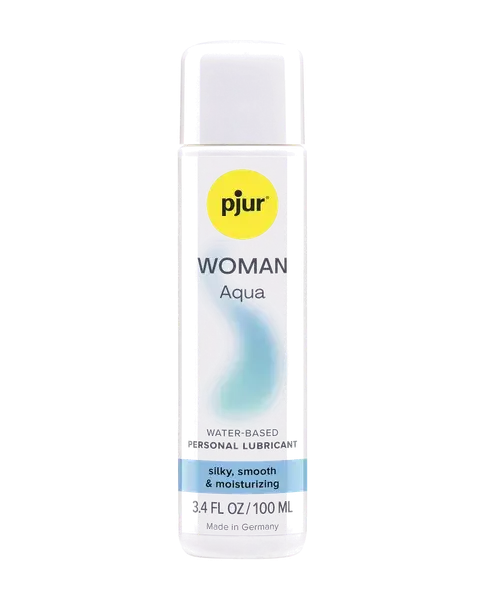
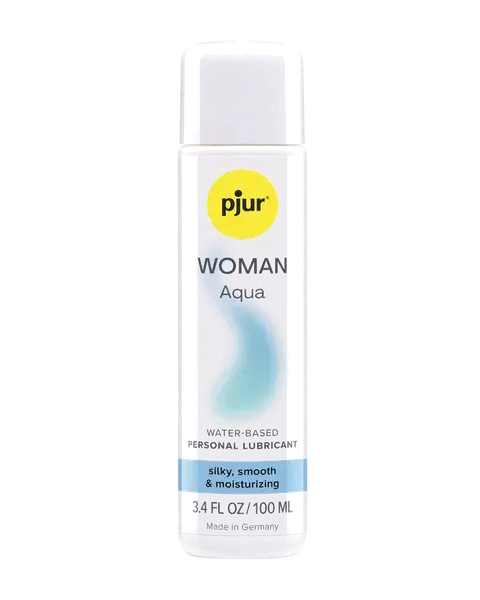
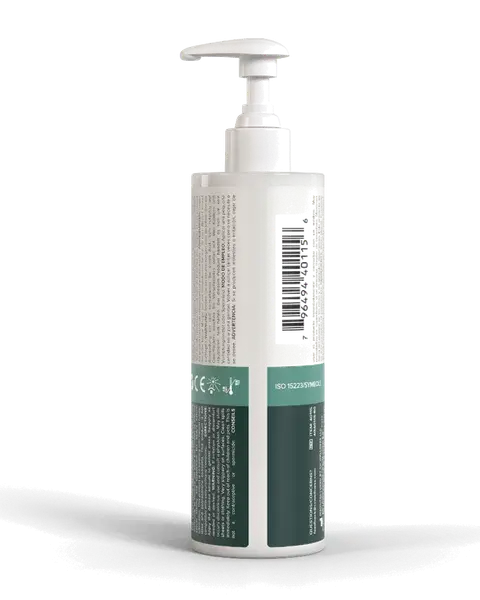
- Pjur Woman Aqua water-based lubricant is a simple, water-based pick designed with vulva owners in mind.
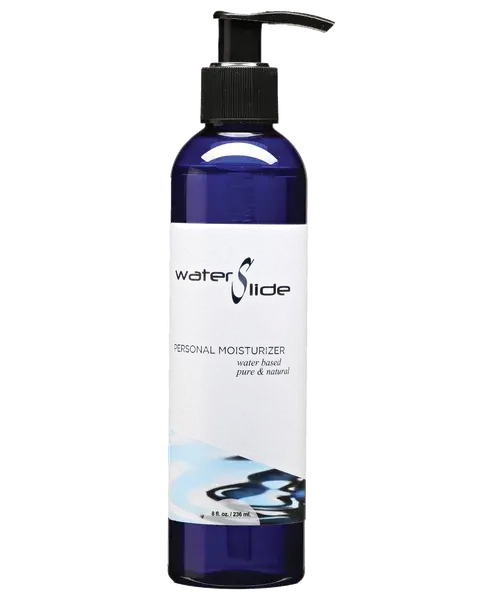
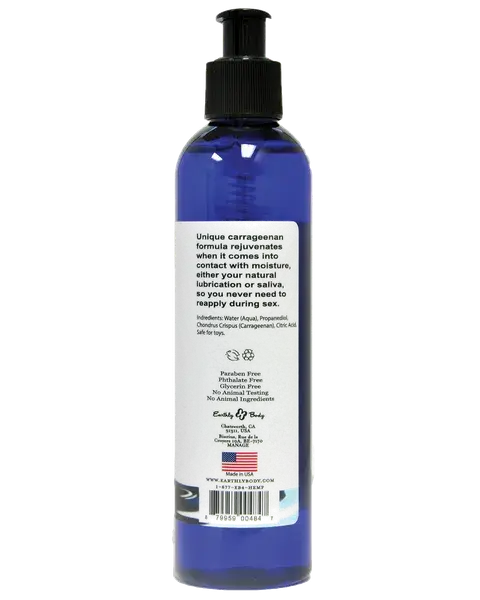
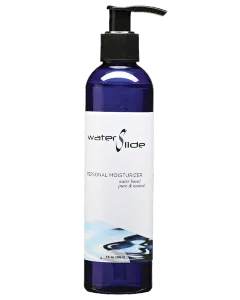
- Earthly Body Waterslide with carrageenan uses a seaweed-derived thickener for a silky, water-based glide.
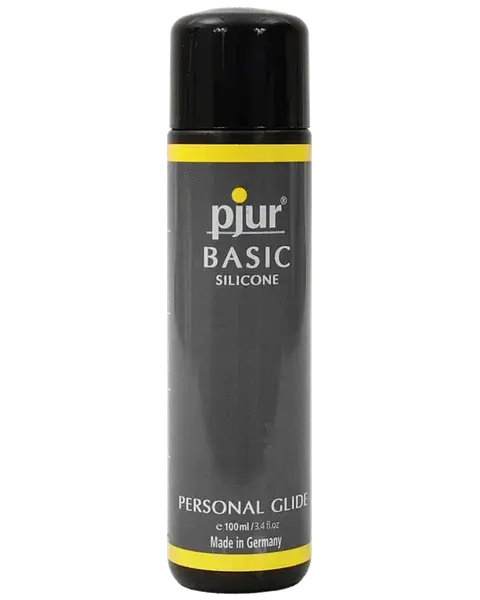
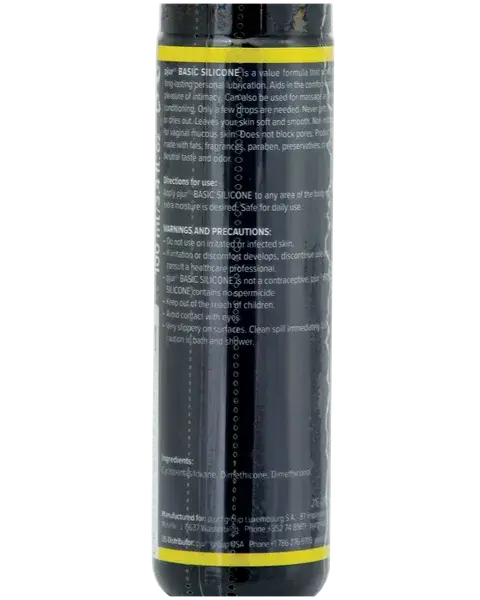
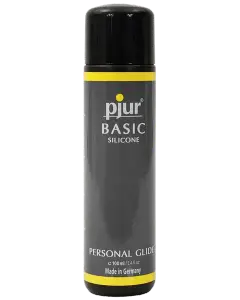
- Pjur Basic silicone lubricant lasts a long time, which helps if dryness means water-based lube keeps disappearing on you.
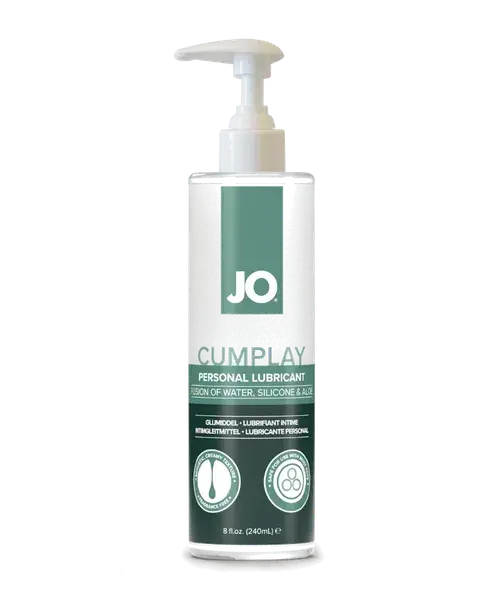
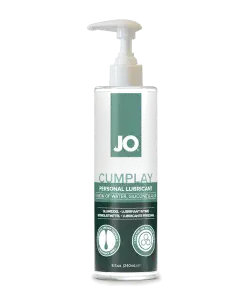
- JO fragrance-free lubricant offers a creamy texture without added scent.
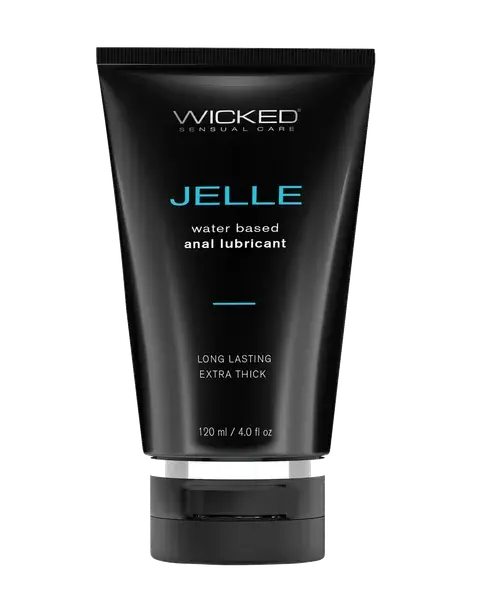
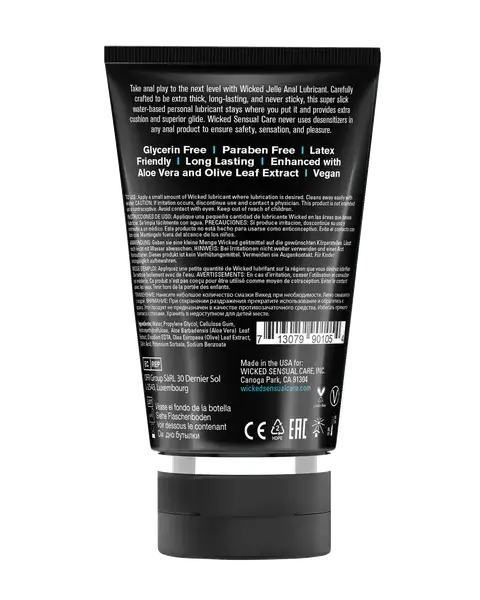
- Wicked Jelle fragrance-free is a thick, cushioning water-based gel, handy wherever extra padding helps (see our guide to the best lube for anal).
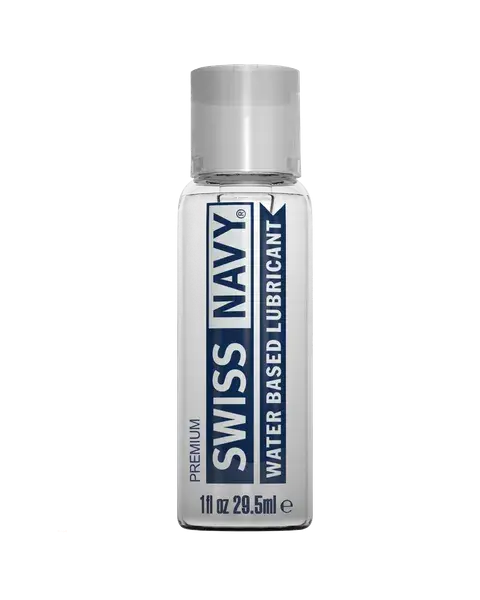
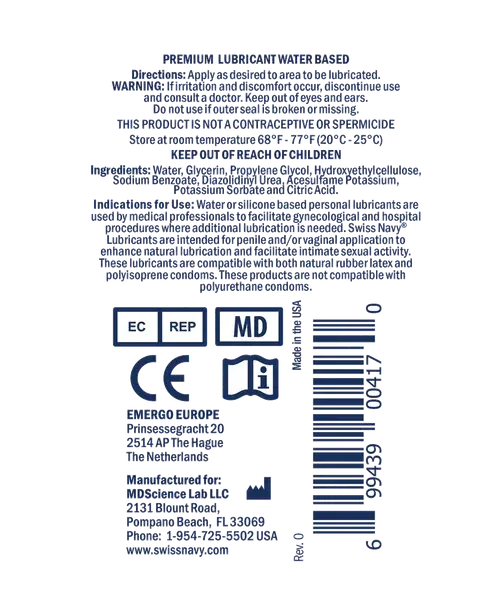
- Swiss Navy water-based lube comes in a small bottle, a low-commitment way to test a new formula.
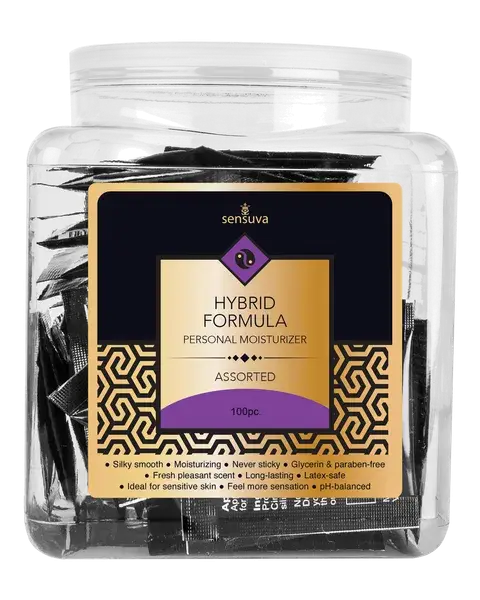
- Sensuva Hybrid unscented is a bulk option if you already know a hybrid suits you.
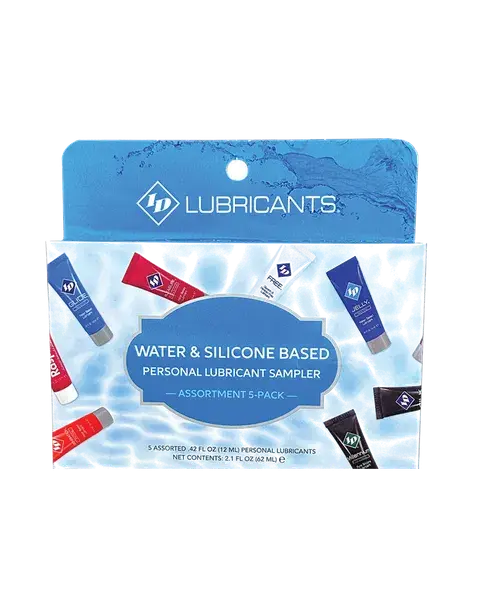
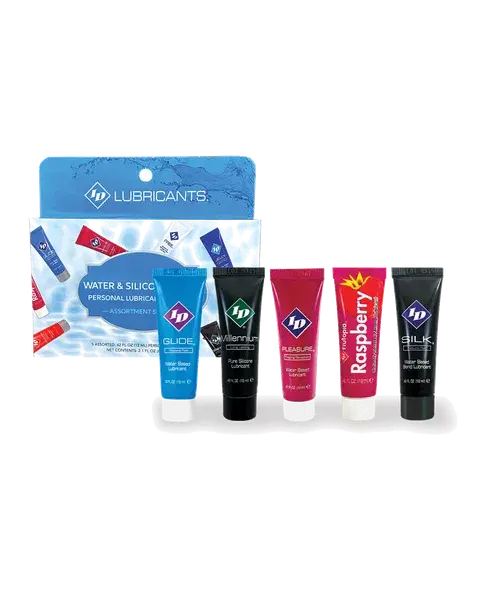
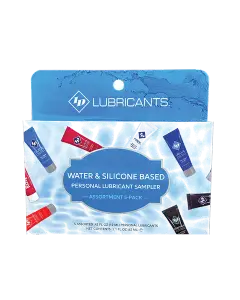
- Not sure what your body likes? The ID sampler pack lets you patch-test several formulas before committing to a big bottle.
A quick patch test, a small dab on your inner arm or the outer vulva a day before using it during sex, is a sensible habit with any new product. For more on matching lube to your toys and condoms, read water vs. silicone lube and which lube works with which toy. Clean toys matter too, and our toy care and essentials range has gentle cleaners. Note that a lube is different from a vaginal moisturizer, which is used regularly to help with ongoing dryness rather than just during sex. Ask a clinician which approach suits you.
When should you see a doctor about painful sex?
Lube and patience are great tools, but they are not a substitute for medical care. Trust your instincts: if something feels off, that is reason enough to get checked.
Book an appointment if you notice
- Pain that keeps happening, even with plenty of arousal time and lube
- Deep pain with penetration, especially if it is getting worse
- Bleeding after sex when you are not on your period, or any bleeding after menopause
- Unusual discharge, a strong or changed smell, itching or burning
- Sores, blisters, lumps, cracks or skin that looks white, thin or changed
- Pelvic pain, very painful periods or pain with peeing or bowel movements outside of sex
- Pain that started after childbirth, surgery or a new medication and has not settled
- Penetration that feels impossible, or muscles that seem to clamp shut
- Anxiety or avoidance of intimacy because of pain
- A possible STI exposure (our safer sex basics guide covers testing)
Seek urgent care if
- You have sudden, severe pelvic or abdominal pain
- You have pelvic pain along with fever, chills, vomiting or feeling faint
- You have heavy bleeding
- You could be pregnant and have pain or bleeding
- You were hurt during sex or sex was not consensual
Who can help?
A family doctor, gynecologist, nurse practitioner or sexual health clinic is a good first stop. Depending on the cause, they may involve a pelvic floor physical therapist, a specialist who helps tight or weak pelvic muscles work better, or a sex therapist, a counselor trained to help with the emotional and relational side of sexual concerns. Reliable background reading is available from ACOG, Planned Parenthood and the NHS.
What happens at an appointment for painful sex?
Knowing what to expect can take the edge off. Your clinician will usually ask about when the pain started, where it is, what it feels like, your periods, contraception, medications, and any recent life changes like childbirth or menopause. Bring your notes.
They may suggest an exam, and possibly swabs, urine tests or an ultrasound. You are always allowed to ask what is happening, to go slowly, to ask for a smaller speculum, to bring a support person, or to say stop. A good clinician will respect that, especially when pain is the very reason you are there.
Treatment depends on the cause. It might mean treating an infection, changing a product or medication, hormonal or non-hormonal treatments for dryness, pelvic floor therapy, or a referral for further investigation. Your clinician will talk you through the options that fit your situation.
How do you talk to a partner about pain during sex?
Saying "that hurts" mid-moment can feel like a mood-killer, but most partners would far rather know. Try raising it outside the bedroom, when you are both relaxed. Something like "I have been having some pain and I want sex to feel good for both of us, so I am getting it checked. Can we slow things down for a bit?" keeps it simple and shared.
Agree on an easy word or signal for "pause" or "change something," and build in a check-in afterward. Our aftercare guide has ideas for reconnecting after sex, and how to suggest a toy to your partner offers tips for tricky conversations that work here too.
Whatever you are dealing with, you deserve comfort and pleasure. Browse our wider wellness range knowing every order ships in a plain box with a neutral billing name, shipping is free over $79, and unopened items can be returned within 30 days.
Frequently asked questions
Is it normal for sex to hurt the first time?
Some people feel mild discomfort the first time, often from nerves, muscle tension or not enough arousal and lubrication. Going slowly, using lube and stopping when something hurts usually helps. Significant pain, bleeding that continues, or pain that keeps happening on later occasions is not something to accept as normal, and is worth discussing with a clinician.
Can lube fix painful sex?
Lube can make a big difference when pain comes from friction or dryness, and fragrance-free formulas suit sensitive skin best. It will not treat infections, skin conditions, endometriosis or muscle problems, though. If pain continues despite plenty of arousal time and lubrication, or comes with other symptoms like bleeding or discharge, see a clinician to find the cause.
Why does sex only hurt in certain positions?
Pain with deep penetration or particular angles can happen when something is bumped, such as the cervix, or it can point to conditions like endometriosis, ovarian cysts or pelvic floor tension. Positions where the person feeling pain controls depth often help. If deep pain happens regularly or is getting worse, it deserves a medical check rather than just avoiding positions.
Can birth control cause painful sex?
Some people notice vaginal dryness or reduced arousal on certain hormonal contraceptives, which can make sex less comfortable. This does not happen to everyone, and many other factors could be involved. Do not stop or switch contraception on your own; talk to your clinician about your symptoms so you can review options together without risking an unplanned pregnancy.
Is pain during sex a sign of an STI?
It can be. Some sexually transmitted infections cause pain, burning, unusual discharge or bleeding, but many cause no symptoms at all. Pain also has many non-infection causes. If you have had a possible exposure, new symptoms, or simply want peace of mind, getting tested at a clinic or with your doctor is a quick and sensible step.
Can stress or anxiety make sex painful?
Yes. Stress and anxiety can reduce arousal and natural lubrication and cause the pelvic floor muscles to tense, which can make penetration uncomfortable. Pain can then create more anxiety, forming a loop. It is still worth ruling out physical causes with a clinician, and a sex therapist or pelvic floor physical therapist can help break the cycle.
What kind of doctor should I see for painful sex?
A family doctor, gynecologist, nurse practitioner or sexual health clinic is a good starting point. They can check for infections, skin conditions and other causes, then refer you on if needed, for example to a pelvic floor physical therapist or a sex therapist. If you feel dismissed, it is okay to ask for a second opinion.

Browse more lubricants, all shipped in a plain box with discreet billing.