 By Sol ☀️
Key takeaways
- There's no deadline for sex after birth, and feeling ready emotionally matters as much as physical healing.
- Lower estrogen after birth, especially while breastfeeding, commonly causes vaginal dryness, so a gentle, fragrance-free lube is your best first purchase.
- Start slow with non-penetrative touch and positions where you control depth and pace, and stop if anything hurts.
- You can get pregnant before your period returns, so sort out contraception before you have penetrative sex.
- Pain that persists, unusual bleeding, signs of infection or low mood are all reasons to check in with a clinician.
Most clinicians suggest waiting until bleeding (lochia) has stopped and you've had your postpartum check, often around four to six weeks after birth, but there's no fixed date. The real green light is healing plus feeling ready. Go slowly, use plenty of lubricant, and talk to your clinician if sex is painful.
Nobody hands you a manual for this part. You've grown and birthed a whole human, you're running on broken sleep, and somewhere in the haze someone (maybe you) starts wondering when sex will be back on the menu. Or whether you even want it to be.
Both feelings are normal. Your body has done something enormous, and recovery isn't just about stitches healing. Hormones, sleep, feeding, body image and a brand-new routine all shape how desire and comfort come back. This guide walks through why things feel different, what readiness actually looks like, which lubricants are kindest to healing tissue, and when it's worth a chat with your clinician.
Why does sex feel different after having a baby?
If your first attempt (or even your first thought about it) feels unfamiliar, there's usually a good reason. A few changes happen to almost everyone, whatever kind of birth they had.
Healing tissue
After a vaginal birth, the vulva and vagina may be bruised, swollen or tender. Many people have a tear or an episiotomy (a small cut made to widen the vaginal opening during delivery) that needs stitches. Even once those have healed, the area can feel tight, sensitive or just different for a while.
Recovery from a C-section
A caesarean section is major abdominal surgery. Your vagina may not have been stretched, but you still bleed afterwards, your hormones still shift, and your abdomen needs time to heal. Positions that press on your belly or involve a lot of core effort may feel uncomfortable for a while.
Hormones and dryness
Estrogen levels drop sharply after birth and tend to stay lower while you're breastfeeding or chestfeeding. Estrogen helps keep vaginal tissue plump and naturally moist, so lower levels often mean dryness, thinner-feeling tissue and friction that wasn't there before. It's one of the most common reasons sex feels uncomfortable postpartum, and one of the easiest to help. Our guide to vaginal dryness and choosing a lubricant goes deeper on causes.
Your pelvic floor
The pelvic floor is the hammock of muscles that supports your bladder, bowel and uterus. Pregnancy and birth can leave it stretched or weaker for a while, which may show up as leaking when you cough or laugh, a feeling of heaviness, or changes in sensation during sex.
Exhaustion, touch and identity
When you've been held, fed on and needed all day, being touched by one more person can feel like a lot. That's sometimes called being "touched out," and it's real. Add sleep deprivation, a changing body and the mental load of a newborn, and low desire makes complete sense. It isn't a sign anything is wrong with you or your relationship.
How do you know you're ready, not just "cleared"?
A postpartum check is a useful milestone, but it isn't a permission slip you have to act on. Readiness is something you decide. A few honest questions can help:
- Has your bleeding stopped and do your stitches or incision feel comfortable to touch?
- Do you actually want to, or do you feel you should? Both are allowed, but only one is a good reason to start.
- Have you sorted contraception? You can ovulate before your first period comes back, which means pregnancy is possible even if your cycle hasn't returned.
- Do you feel safe saying "stop" or "not that" at any point?
- Is there some time and energy where you won't be counting down to the next feed?
If most of those land as yes, you're probably in a good place to try. If not, there's plenty of intimacy that doesn't involve penetration, and we'll get to that.
Which lube is best for sex after childbirth?
If there's one thing to have on your nightstand before you try, it's lubricant. Postpartum tissue is often drier and more sensitive, and generous lube reduces friction so you can focus on how things feel rather than bracing for a sting.
Look for simple, fragrance-free formulas without warming, cooling or tingling ingredients at first. Those sensations can be fun later, but healing tissue tends to prefer gentle. If you're prone to irritation, our guide to vaginal pH and ingredients to avoid is worth a read.
Lube types compared
| Lube type | How it feels | Latex condom safe? | With silicone toys? | Postpartum notes |
|---|---|---|---|---|
| Water-based | Light, natural, easy to wash off | Yes | Yes | Great starting point; reapply as it absorbs |
| Silicone-based | Silky, very long-lasting | Yes | Usually avoid, or spot-test | Good if dryness makes water-based fade too fast |
| Hybrid (water + a little silicone) | Creamy, cushioned | Check the label | Spot-test first | Nice middle ground for longer sessions |
| Oil-based | Rich, slippery, moisturizing feel | No, oil weakens latex | Generally fine | Only if you're not relying on latex condoms |
For a full breakdown of textures, our water vs. silicone lube guide covers the pros and cons in detail.
Gentle water-based picks
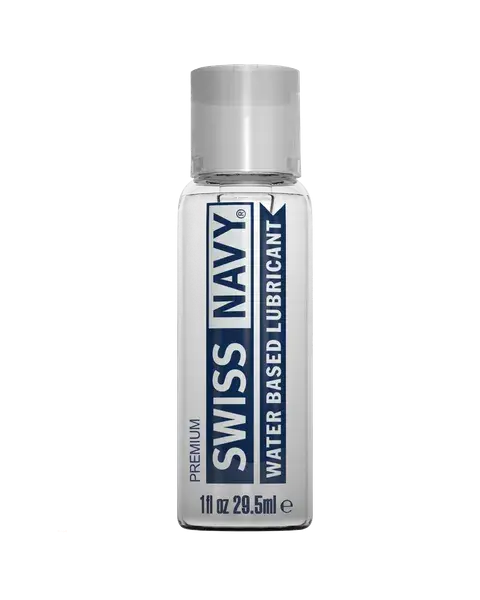
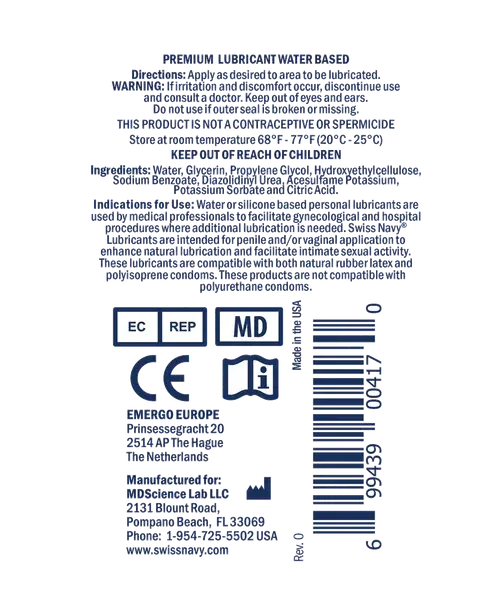
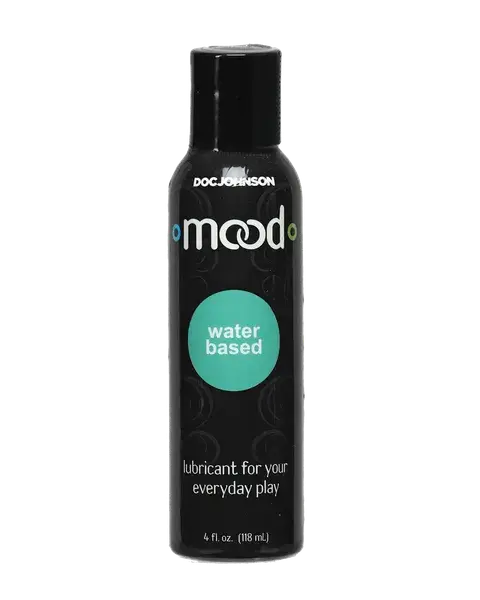
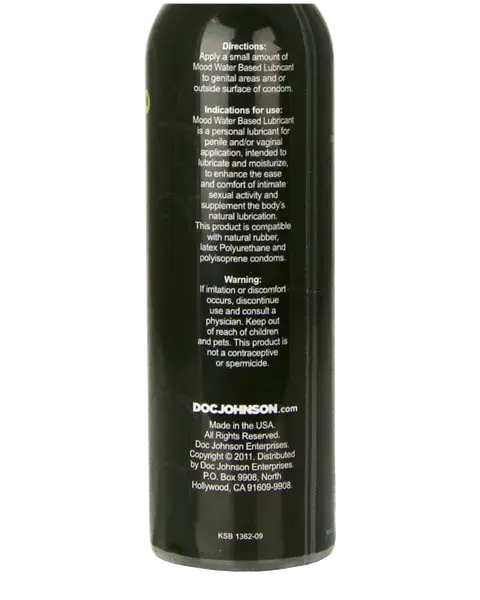
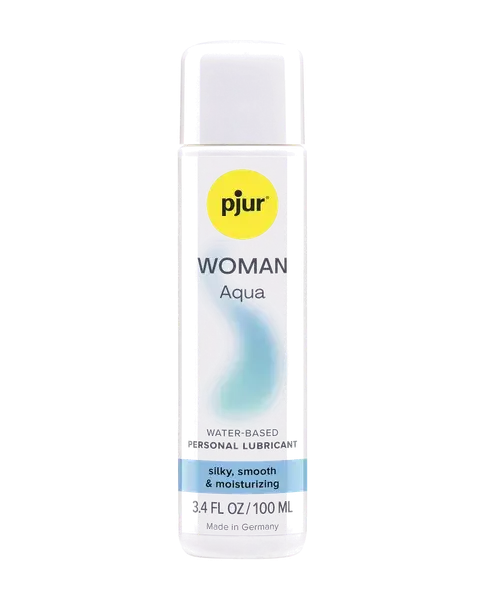
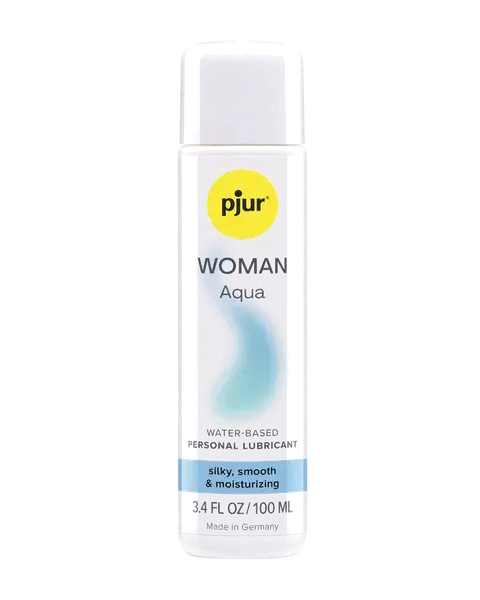
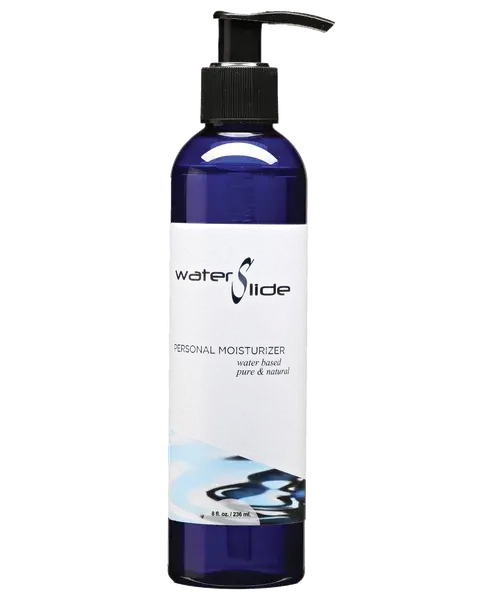
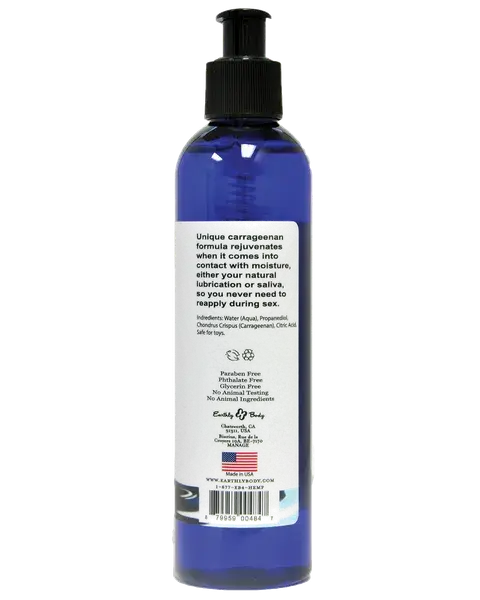
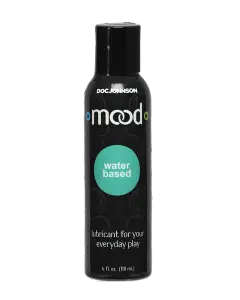
Pjur Woman Aqua is a simple water-based formula designed with vulva owners in mind, and it plays well with condoms and toys. Earthly Body Waterslide is thickened with carrageenan (a seaweed-derived ingredient) for a slicker, more cushioned glide than thin, watery lubes, and the 8 oz bottle means you won't run out mid-recovery. For a no-fuss everyday option, Swiss Navy Water Based Lube and Mood Lube Water Based are both straightforward choices.
When you need more staying power
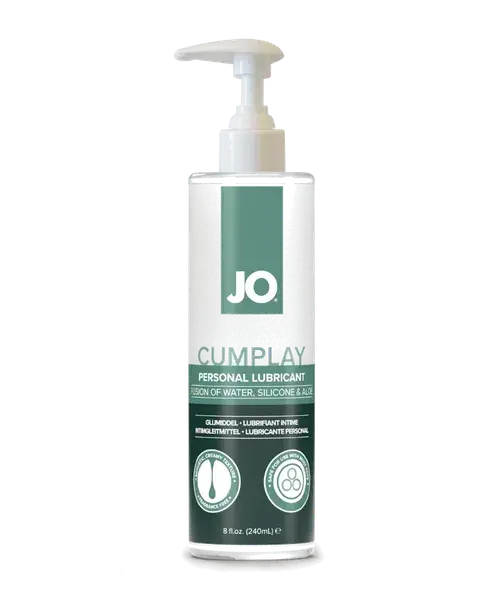
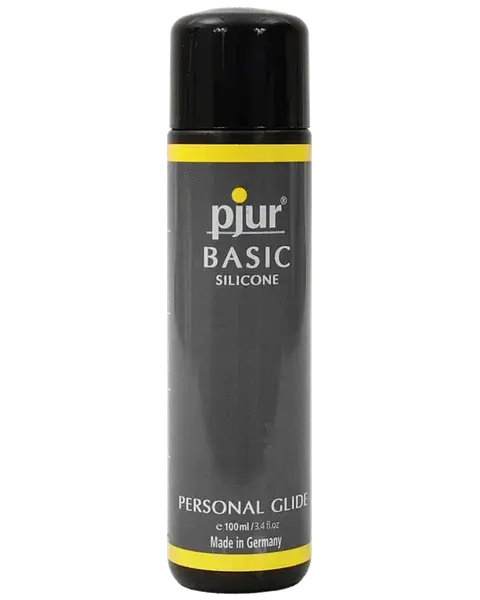
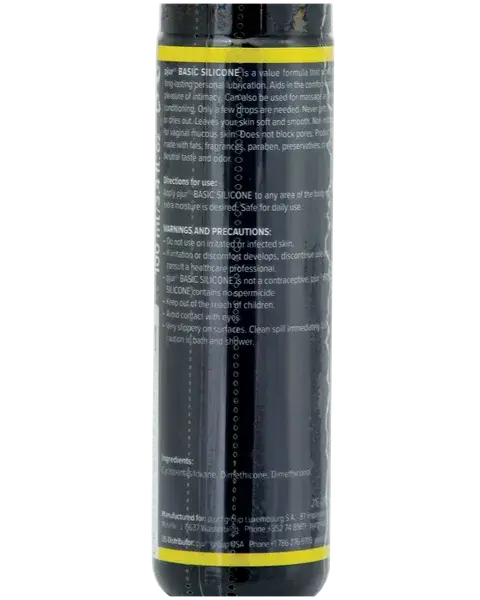
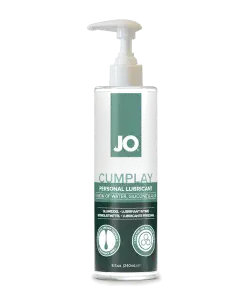
If water-based lube seems to vanish within minutes, silicone may suit you better. Pjur Basic Silicone stays slippery for a long time and a little goes a long way. Just keep it away from silicone toys unless the toy maker says it's fine. Prefer something creamier? JO Cum Play Fragrance Free has a richer, lotion-like feel without added scent.
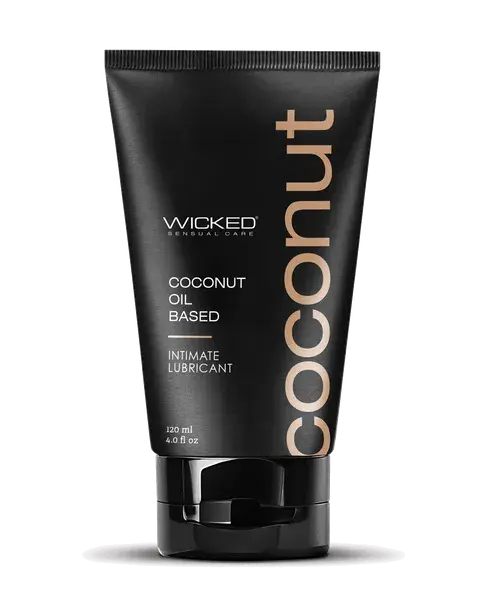
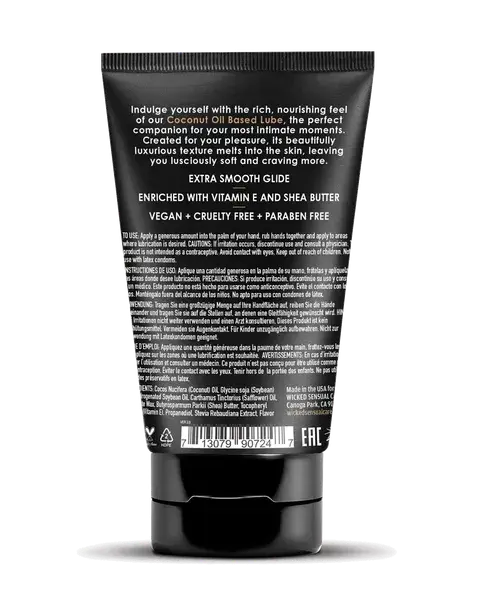
If you're not using latex condoms, Wicked Sensual Care Coconut Oil Based Lube offers a moisturizing oil glide. Remember: oil and latex don't mix.
Not sure which you'll like?
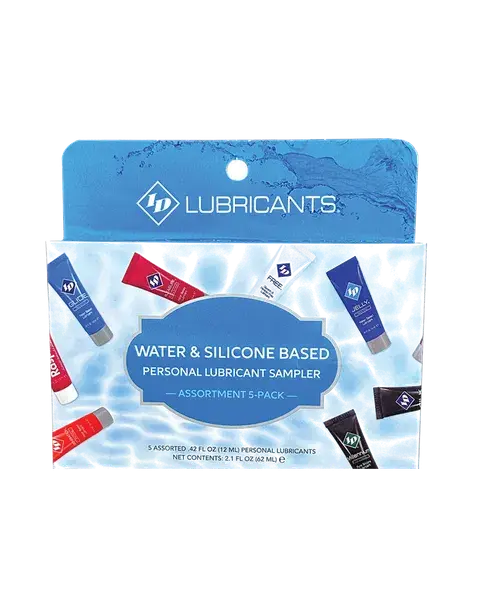
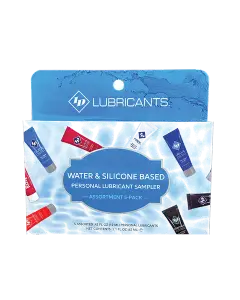
Texture is personal, and postpartum you may have different preferences than before. The ID Sampler pack lets you try several formulas without committing to a full bottle. You can browse every option in our lubricants collection, and if you plan to use lube with toys, check our lube and toy compatibility guide first.
How can you make the first time back more comfortable?
Think of it less as "getting back to normal" and more as getting to know a body that's been through something big. A slow, low-pressure approach helps:
- Pick your moment. Right after a feed, during a nap, or whenever you're least likely to be interrupted or exhausted.
- Start without penetration. Kissing, massage, mutual touch and outercourse rebuild closeness and arousal without pressure. A warm massage candle or oil from our massage collection can make this feel like a treat rather than a test.
- Use more lube than you think. Apply it to both bodies (or the toy), and reapply whenever things start to drag.
- Let the person who gave birth set the pace. Positions where you control depth and speed, like being on top or lying side by side, are often more comfortable than ones where someone else leads.
- Go slowly and check in. Pause often. A finger or slim toy first can help you gauge what feels OK.
- Stop if it hurts. Mild unfamiliarity is common; sharp or lasting pain isn't something to push through.
Practical things nobody mentions
If you're breastfeeding, arousal can trigger milk let-down, and your breasts may be tender. Wearing a supportive bra, keeping a towel nearby or simply laughing it off are all fair game. A towel also helps if a little bladder leakage happens while your pelvic floor recovers. None of this is unusual.
Can sex toys help after giving birth?
They can, especially for rebuilding arousal and pleasure without the pressure of penetration. Many people find external stimulation comes back comfortably before penetrative sex does.
A small, gentle option from our bullet vibrators or clit toys lets you explore at your own speed. Start on the lowest setting; postpartum tissue can be more sensitive than you expect. Our tips on how to use a bullet vibrator are a good starting point.
Stick to body-safe materials like silicone, and clean toys well before and after use. Our guides to what body-safe actually means and how to clean sex toys cover the details, and toy cleaners live in Toy Care & Essentials.
What about your pelvic floor?
Pelvic floor exercises (often called Kegels) are widely recommended after pregnancy and birth to help rebuild strength and control. They involve gently squeezing and lifting the muscles you'd use to stop passing urine or wind, then fully relaxing them.
Relaxing matters as much as squeezing. Some people's pelvic floor becomes tight and guarded after birth, which can make penetration painful. That's why a pelvic health physiotherapist (a physio who specializes in the pelvic floor) can be so useful: they assess what your muscles need rather than giving one-size-fits-all advice.
Thinking about Kegel balls or weights? Check with your clinician or physio before using them in the postpartum period. Our pelvic floor and Kegel balls guide explains how they work once you've been given the go-ahead.
How do you talk to your partner about sex after a baby?
Your partner may be eager, nervous, or quietly worried about hurting you. Saying things out loud tends to take the pressure off both of you.
- Name where you're at. "I want to feel close to you, but I'm not ready for penetration yet" is clear and kind.
- Separate affection from expectation. Agree that a cuddle or a kiss doesn't have to lead anywhere.
- Share the load. Desire often returns faster when you're less depleted. Uninterrupted sleep can be surprisingly romantic.
- Plan a signal. A word or tap that means "pause" makes it easier to relax.
If bringing a toy into the mix feels awkward, our guide to suggesting a sex toy to your partner has easy openers.
When should you talk to a clinician?
Some discomfort while you heal is expected, but certain signs deserve a professional opinion. Reach out to your midwife, doctor or OB-GYN if you notice:
- Pain during sex that doesn't ease over time, gets worse, or makes you dread intimacy
- Bleeding during or after sex once your postpartum bleeding has stopped
- Stitches or a C-section wound that is red, hot, swollen, oozing or opening
- Unusual or foul-smelling discharge, or a fever
- A feeling of heaviness, dragging or a bulge in the vagina
- Bladder or bowel leakage that isn't improving
- Ongoing low mood, anxiety, numbness or intrusive thoughts, which can be signs of postpartum depression or anxiety and are very treatable
Heavy bleeding, a high fever or severe pain need prompt medical attention, so don't wait for a routine appointment.
Persistent dryness is also worth mentioning. Your clinician can talk through options beyond over-the-counter lube if it's not enough. For more on pain specifically, see painful sex: common causes and when to see a doctor. Trusted general information is also available from the NHS and the American College of Obstetricians and Gynecologists.
Your timeline is yours. Weeks, months or longer, there's no wrong pace for coming back to pleasure.
Shopping while sleep-deprived
The last thing you need is a doorstep surprise. Every YourFemme order ships in a plain box with a neutral billing name, shipping is free over $79, and unopened items can be returned within 30 days. You'll also earn rewards points on every order, handy when you find the lube you love and want to restock.
Frequently asked questions
Is it normal to have no sex drive after having a baby?
Yes, very. Hormonal shifts, especially while breastfeeding, plus exhaustion, healing and the demands of a newborn commonly lower desire for weeks or months. Many people find it returns gradually as sleep improves and their body feels more like their own. If low desire comes with persistent sadness, anxiety or feeling disconnected from your baby, talk to your clinician, as those can be signs of postpartum depression.
Can I get pregnant before my period comes back after birth?
Yes. You can release an egg before your first postpartum period, so pregnancy is possible even if your cycle hasn't returned and even while breastfeeding. If you don't want to conceive again soon, talk to your clinician about contraception before you start having penetrative sex. Planned Parenthood and the NHS both have helpful overviews of postpartum birth control options.
Does breastfeeding cause vaginal dryness?
It often does. Estrogen levels stay lower while you're breastfeeding or chestfeeding, and lower estrogen can make vaginal tissue drier and more sensitive. A gentle, fragrance-free water-based or silicone lube usually helps a lot during sex. Dryness typically improves once feeding winds down, but if it's uncomfortable day to day or lube isn't enough, mention it to your clinician.
Will sex feel different after a vaginal birth?
It may feel different at first, whether that's tenderness, tightness around scar tissue, or changes in sensation. For many people, things settle as tissue heals and pelvic floor strength returns. Pelvic floor exercises and, where needed, support from a pelvic health physiotherapist can help. If sex stays painful or something feels persistently wrong, it's worth getting checked rather than waiting it out.
How soon can you have sex after a C-section?
The general guidance is similar to a vaginal birth: wait until postpartum bleeding has stopped, your incision is healing well, and you feel ready, which is often around your postpartum check. Choose positions that avoid pressure on your abdomen, such as side-lying, and go gently. Your clinician can advise based on how your recovery is going.
Is it normal to leak breast milk during sex?
Completely normal. Arousal and orgasm can trigger the same hormone involved in milk let-down, so leaking can happen. Some people wear a supportive bra or keep a towel nearby, and some simply don't mind. Breasts may also be tender while you're feeding, so let your partner know what kind of touch feels good right now.
What kind of lube is safest to use postpartum?
Simple, fragrance-free formulas are a good starting point. Water-based lube works with condoms and all toys, while silicone lasts longer if dryness is significant. Skip warming, cooling, tingling or flavored lubes until you've fully healed, since they can irritate sensitive tissue. Avoid oil-based lube if you're using latex condoms, because oil can weaken latex.

Browse more lubricants, all shipped in a plain box with discreet billing.