 By Sol ☀️
Key takeaways
- A healthy vagina is naturally acidic, and friendly lactobacilli bacteria help keep it that way.
- Common lube irritants include nonoxynol-9, fragrance, flavors, warming or numbing agents, and very concentrated, glycerin-heavy formulas.
- Simple, fragrance-free water-based or silicone lubes tend to be the gentlest starting point for sensitive bodies.
- Porous toy materials and phthalates can contribute to irritation, so nonporous silicone, glass, stainless steel or ABS toys are safer bets.
- Unusual discharge, odor, sores, bleeding, pain or symptoms that keep coming back deserve a visit to a clinician rather than more self-treatment.
If you're prone to irritation, BV or yeast infections, skip lubes with nonoxynol-9, fragrance, flavors, dyes, and warming, tingling or numbing agents. Go easy on glycerin-heavy, very concentrated formulas. Choose short-ingredient, fragrance-free water-based or silicone lube and nonporous toys made of silicone, glass or stainless steel. See a clinician if symptoms persist.
Itching after sex, a sting you can't explain, a vague "something's off" feeling the next day. It's easy to blame yourself, your partner or plain bad luck. Often, though, the culprit is sitting on your nightstand. The lube you grabbed, the toy you love, even the soap you cleaned it with can nudge your body's delicate balance.
The good news: once you know which ingredients tend to cause trouble, choosing gentler products gets a lot easier. Let's break it down, minus the jargon and the judgment.
What is vaginal pH, and what counts as normal?
pH is a scale from 0 to 14 that measures how acidic or alkaline something is. Lower numbers are more acidic, 7 is neutral, and higher numbers are alkaline (also called basic). Your vagina is designed to sit firmly on the acidic side.
During the reproductive years, a healthy vaginal pH usually lands somewhere around 3.8 to 4.5. That acidity comes mostly from lactobacilli, friendly bacteria that produce lactic acid. Think of them as bouncers: the acidic environment they create makes it harder for less welcome microbes to move in and multiply.
Normal isn't fixed for life, though. pH tends to be higher before puberty and after menopause, when lower estrogen means fewer lactobacilli. It also shifts a little across your cycle. So a single number matters less than whether things feel, look and smell normal for you. If you're in or past that transition, our guide to menopause and pleasure covers what changes and what helps.
What throws vaginal pH off balance?
The vagina is self-cleaning and pretty resilient, but some everyday things can temporarily push pH higher (less acidic):
- Semen, which is naturally alkaline
- Menstrual blood, which is also less acidic than vaginal fluid
- Douching and internal washes, which rinse away helpful bacteria
- Scented soaps, washes, sprays and wipes used on or near the vulva
- Antibiotics, which can reduce lactobacilli along with the bacteria they're targeting
- Hormonal shifts from pregnancy, postpartum, breastfeeding, perimenopause and menopause
- Products that don't agree with you, including some lubes and porous or poorly cleaned toys
When the balance tips, some people develop bacterial vaginosis (BV), an overgrowth of certain bacteria that often causes thin, grayish discharge and a fishy smell. Others get a yeast infection, an overgrowth of Candida fungus that typically brings itching and thick, white discharge. And many people simply get contact irritation: redness, stinging or soreness with no infection at all. That last one is the most common lube-and-toy story.
Can lube actually cause irritation or infections?
First, a defense of lube: it's one of the best things you can bring to bed. It reduces friction, which means less soreness and fewer tiny tears, and it makes condoms less likely to break. If dryness is a regular issue, our guide to vaginal dryness and choosing a lubricant goes deeper.
That said, not every formula suits every body. Two technical properties matter most.
The lube's own pH
A lube that's far from the vagina's natural acidity may be more likely to bother sensitive tissue. Public health guidance on lubricants, including an advisory note from the World Health Organization, favors formulas close to vaginal pH (around 4.5) for vaginal use. Some brands list pH on their packaging or website; many don't.
Osmolality
Osmolality describes how concentrated a liquid is with dissolved particles, such as glycerin or other glycols. When a lube is far more concentrated than your own cells, it can pull water out of the delicate lining of the vagina or rectum. That can leave tissue drier and more irritated, which is the opposite of what you wanted. The same WHO guidance recommends lower-osmolality lubes. Very thick, sticky or super-sweet water-based formulas are the usual suspects.
You rarely find osmolality printed on a bottle, which is why the ingredient list is your best clue.
Which lube ingredients should you avoid?
"Avoid" is relative. Plenty of people use these ingredients happily. But if you're prone to irritation, BV or yeast infections, these are the first ones to look at.
Glycerin and other sugars
Glycerin (sometimes listed as glycerol) is a sweet-tasting humectant, meaning it helps hold moisture, and it keeps many water-based lubes slick. In large amounts it raises osmolality, and some people who get frequent yeast infections notice that glycerin-heavy lubes seem to set them off. Flavored lubes often contain glycerin or other sweeteners.
Propylene glycol and similar glycols
Another common humectant. It's fine for many people, but it can sting sensitive skin and adds to a lube's overall concentration.
Nonoxynol-9
Nonoxynol-9 (N-9) is a spermicide found in some lubes and condoms. It's a well-known irritant, and frequent use can damage the vaginal and rectal lining. Major health bodies advise against relying on it for STI or HIV protection, because irritated tissue may make transmission easier, not harder. Unless a clinician has specifically suggested it, skip it. Our safer sex basics guide covers better options.
Fragrance, flavors and dyes
Scents and colors add nothing to how a lube works and are common causes of contact irritation. "Fragrance" or "parfum" on a label can cover many separate ingredients. If you're sensitive, look for fragrance-free or unscented formulas, and keep flavored lubes for oral and external play.
Warming, tingling, cooling and numbing agents
Sensation lubes create their effects with ingredients such as menthol, peppermint, cinnamon or heat-producing glycols. Some people love them; others find them miserable. Numbing (desensitizing) agents like benzocaine or lidocaine are a separate concern: pain is a useful signal to slow down, and masking it can lead to injury.
Parabens and some preservatives
Parabens are a family of preservatives that stop mold and bacteria from growing in the bottle. Research on their wider health effects is still debated, but some people simply find them irritating, and many brands now offer paraben-free formulas. Chlorhexidine, an antiseptic sometimes used as a preservative, is another ingredient sensitive users often avoid because it may affect helpful bacteria too.
Oils and petroleum products
Petroleum jelly, baby oil and many massage oils weren't made for internal use, can be hard for the body to clear, and break down latex condoms. Plant oils like coconut oil feel lovely to many people, but they also aren't latex-safe, and some people prone to infections find they don't agree with them.
| Ingredient | Why it's used | Possible issue | Be most cautious if you... |
|---|---|---|---|
| Glycerin and sugars | Slickness, sweet taste | High concentration; may coincide with yeast flare-ups for some | Get frequent yeast infections |
| Propylene glycol | Moisture, texture | Stinging; adds to concentration | Have sensitive skin |
| Nonoxynol-9 | Spermicide | Irritates vaginal and rectal lining | Have sex often or want STI protection |
| Fragrance, flavor, dyes | Scent, taste, color | Contact irritation | Have reacted to scented products before |
| Warming, tingling, cooling agents | Sensation | Burning, stinging | Are already sore or easily irritated |
| Numbing agents | Reduce sensation | Masks pain that signals injury | Are new to penetrative or anal play |
| Parabens, chlorhexidine | Preservatives | Irritation; may affect helpful bacteria | Are prone to BV or irritation |
| Petroleum, mineral and plant oils | Long-lasting glide | Breaks down latex; may not suit infection-prone users | Use latex condoms or get frequent infections |
What's the best lube for sensitive skin?
There's no single best formula, only the best one for your body. Here's how the main lube bases compare when sensitivity is the priority. (For the full showdown, see water vs. silicone lube.)
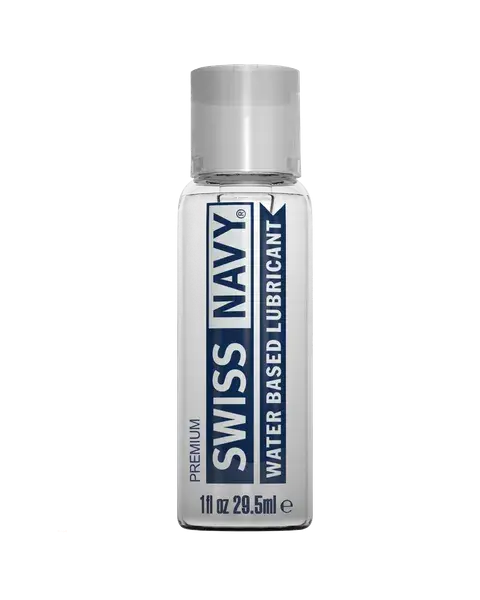
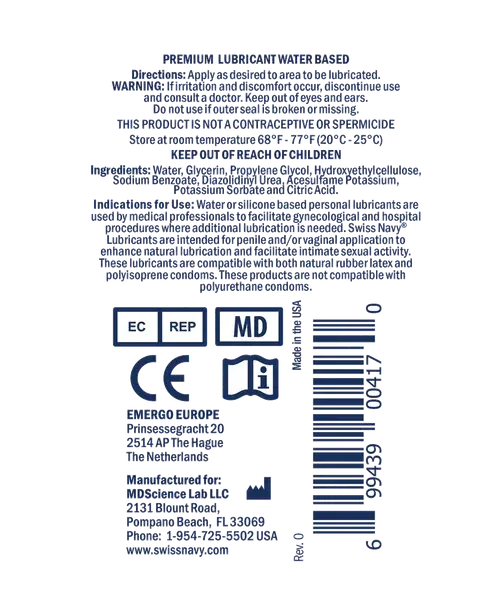
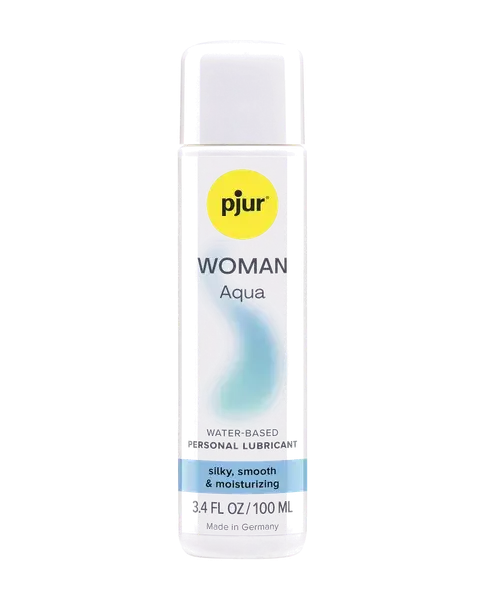
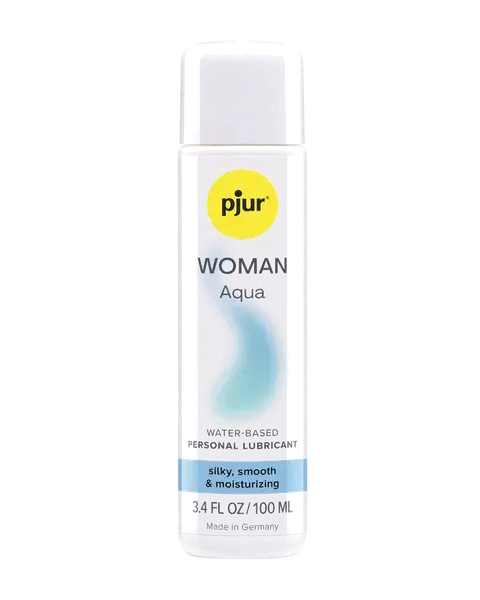
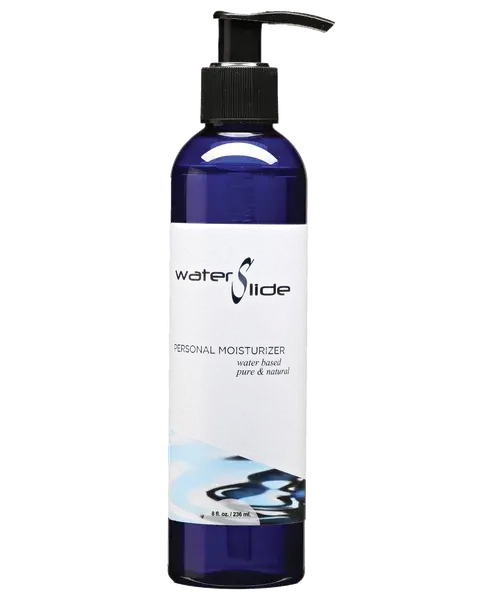
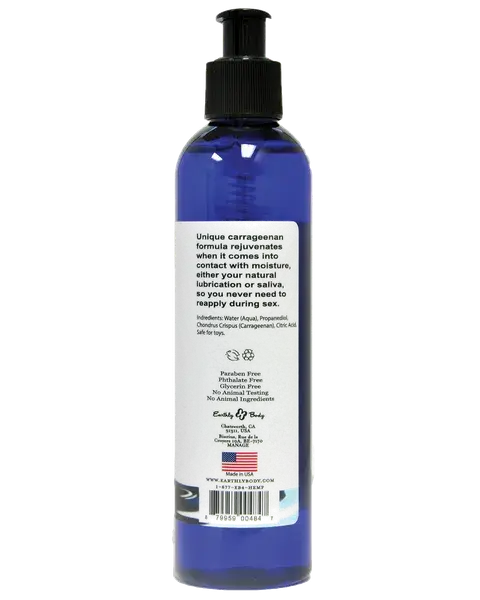
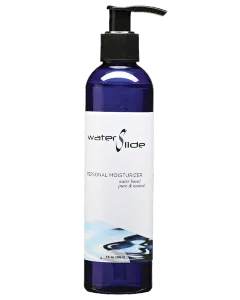
- Water-based: works with every toy and condom and rinses off easily. Look for short ingredient lists and no fragrance, and consider glycerin-free if yeast is your issue. Pjur Woman Aqua, Swiss Navy Water Based Lube and Earthly Body Waterslide, which is thickened with carrageenan (a seaweed-derived gel), are easy places to start.
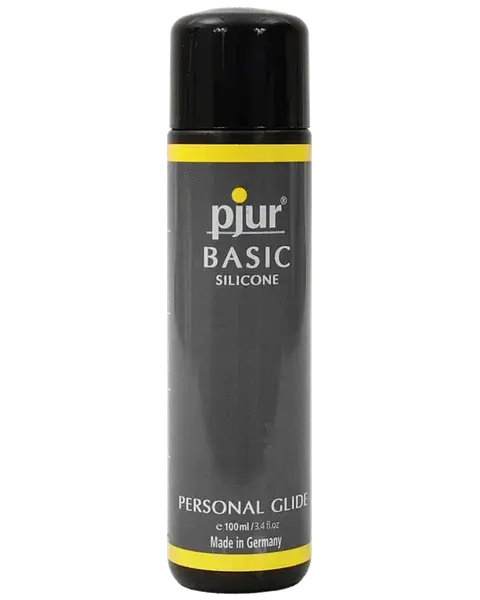
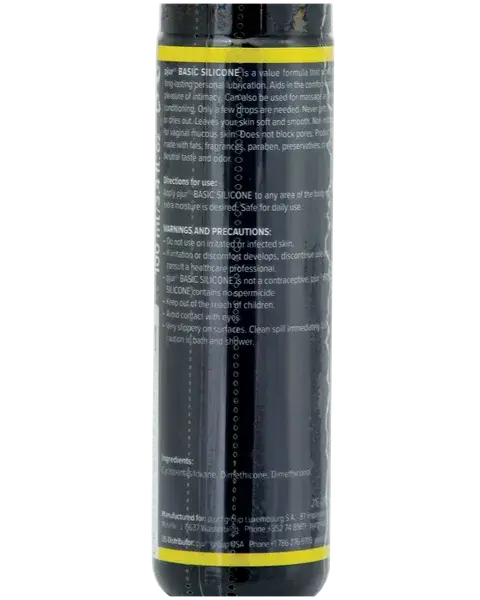
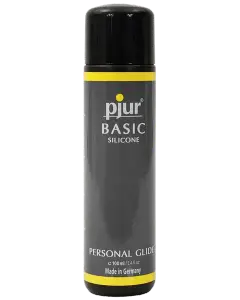
- Silicone-based: sits on top of skin rather than absorbing, so you reapply less, and formulas tend to be short and simple. Many sensitive people do well with silicone. Pjur Basic Silicone is a long-standing favorite. Just patch test it on silicone toys, or pair it with glass, metal or ABS plastic.
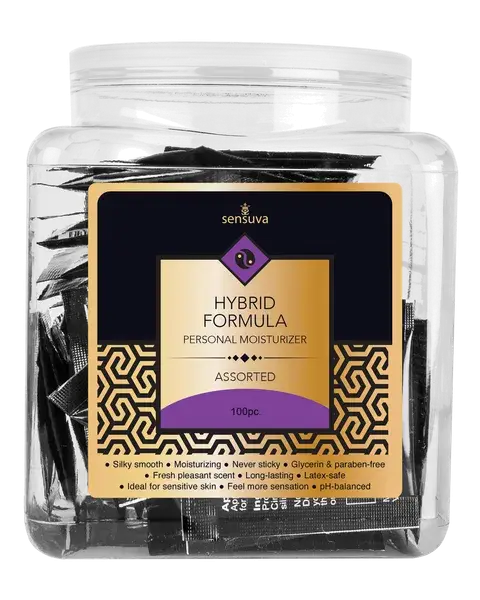
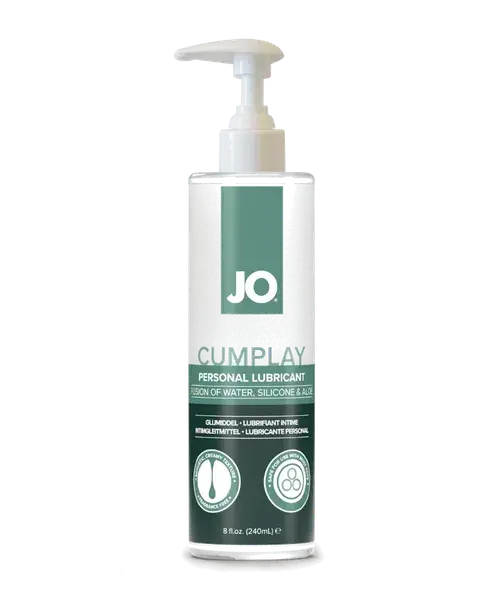
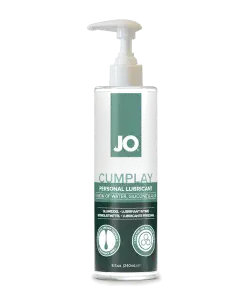
- Hybrid: mostly water with a little silicone for staying power. Try the unscented Sensuva Hybrid or JO Cum Play Fragrance Free.
- Oil-based: something like Wicked Sensual Care Coconut Oil Based Lube is lovely for external massage and non-latex play if your body likes oils. Never pair it with latex condoms.
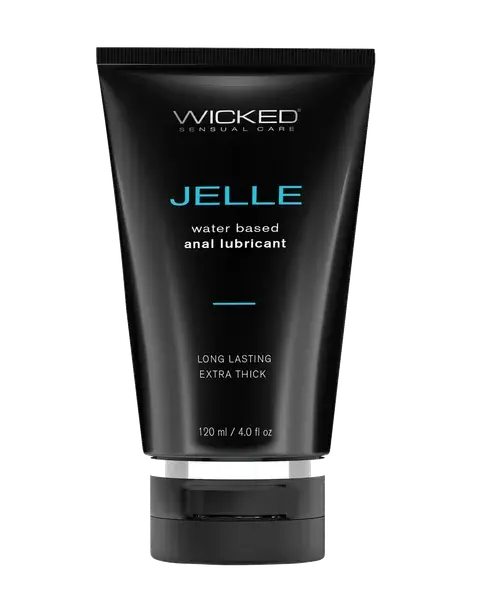
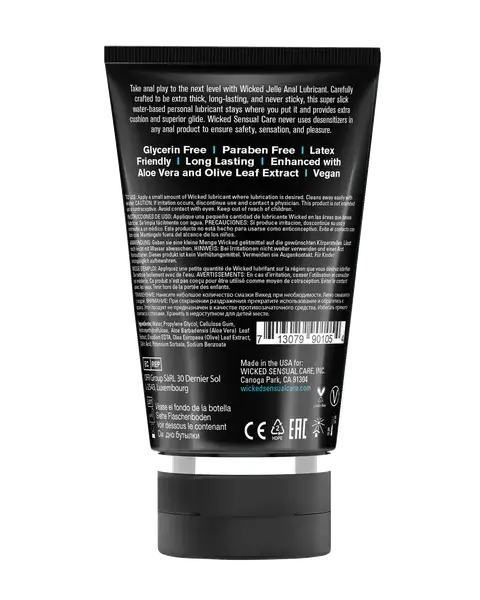
Planning anal play? The rectum has no natural lubrication and is especially sensitive to concentrated formulas, so a thicker, fragrance-free option like Wicked Jelle Fragrance Free makes sense. Our best lube for anal guide has more.
And sensation lubes? You don't have to give them up. Just treat Mood Lube Tingling, Mood Lube Warming or Swiss Navy Warming as occasional extras, patch test first, and skip them on days you're already tender. Flavored picks like Swiss Navy Strawberry Kiwi are best kept for oral and external fun.
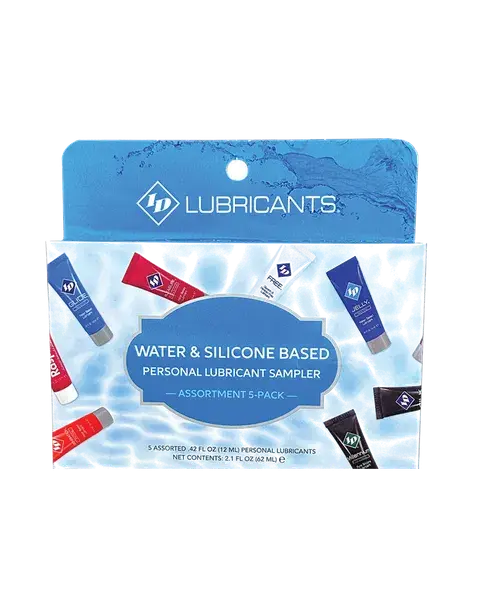
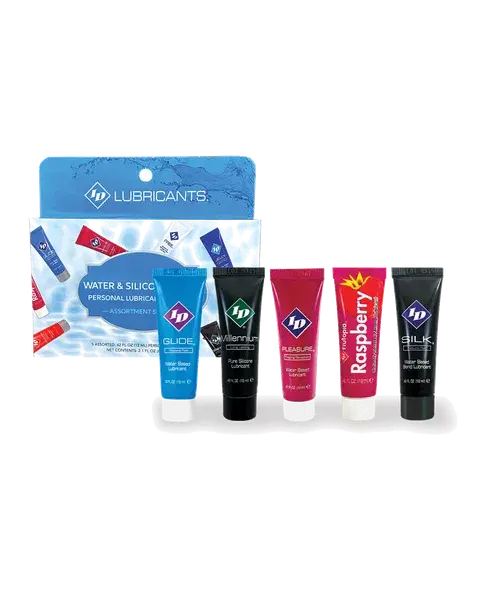
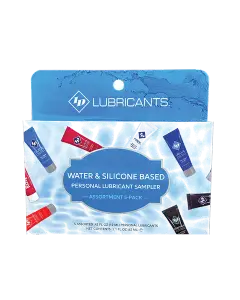
Not sure what you like yet? Sampler packs let you test-drive without committing to a full bottle. The ID Sampler, Skins Vital Lubes tubes and single-use Fuck Water Clear foils are all patch-test friendly. Browse everything in our lubricants collection, and always read the current ingredient list, since brands do reformulate.
Can sex toys cause vaginal irritation too?
Yes, and material is the big factor. A porous material has microscopic pores that can trap moisture, lube and bacteria, even after washing. Jelly rubber, PVC and some TPE or TPR toys fall into this camp. Porous toys can also harbor residue that irritates sensitive tissue.
Some soft plastics have also historically contained phthalates, chemicals added to make PVC flexible. Many people prefer to avoid them, especially in products that touch mucous membranes. A strong chemical smell is often a red flag.
Gentler choices are nonporous: body-safe silicone (ideally platinum-cure), borosilicate glass, stainless steel and hard ABS plastic. Browse our vibrators and dildos with that in mind, and dig into the details in what body-safe actually means and sex toy materials explained.
Cleaning matters just as much. Wash toys before and after use with warm water and a mild, unscented soap or a dedicated toy cleaner, rinse well, and let them dry fully before storing. Harsh or scented soaps can leave residue that irritates. Our toy cleaning guide walks through it, and you'll find cleaners and storage in Toy Care & Essentials. Also check that your lube and toy get along: our compatibility guide has the cheat sheet.
How do you patch test a new lube?
A patch test won't guarantee anything internally, but it can flag an obvious reaction before you're mid-moment.
- Dab a small amount on the inside of your wrist or elbow and leave it for several hours.
- If there's no redness or itching, try a little on the outer vulva and wait a day.
- Still happy? Use it during solo play first, so you can stop easily if anything stings.
- Introduce one new product at a time, so you know exactly what caused a reaction if you get one.
What else helps keep things balanced?
- Skip douching and internal washes. Your vagina cleans itself.
- Wash the vulva with water or a mild, unscented cleanser only.
- Use condoms if semen seems to throw you off; it's a common trigger for some people.
- Never go from anal to vaginal play without washing the toy or switching condoms.
- Pee after sex to help flush bacteria from the urethra.
- Change out of damp workout clothes or swimwear when you can.
When should you talk to a clinician?
Lube swaps are a great first step for mild, short-lived irritation. But BV, yeast infections, some STIs and skin conditions can look surprisingly similar, and treating the wrong thing can make symptoms drag on. Please check in with a doctor, nurse or sexual health clinic if you notice:
- Unusual discharge, especially gray, green, yellow or frothy
- A strong or fishy odor that doesn't go away
- Itching, burning or soreness that lasts more than a few days after removing a product
- Sores, blisters, bumps or swelling
- Bleeding between periods, after sex or after menopause
- Pain during sex, pelvic pain, fever or burning when you pee
- Symptoms that keep coming back, or that return after over-the-counter treatment
- Any symptoms during pregnancy
A clinician can test rather than guess, and they've heard it all, truly. If pain during sex is part of the picture, our guide to painful sex and when to see a doctor may help you prepare. For trustworthy background reading, ACOG, Mayo Clinic and Cleveland Clinic are reliable sources.
Shopping for gentler products, discreetly
Finding your perfect lube can take a little trial and error, so make it easy on yourself. Every YourFemme order ships in a plain box with a neutral billing name, shipping is free over $79, and unopened items can be returned within 30 days. You'll also earn rewards points on every order. Start with a sampler, read labels, listen to your body, and explore the wider Wellness shop when you're ready.
Frequently asked questions
Can lube cause a yeast infection?
Lube doesn't directly cause yeast infections, but some people notice flare-ups after using glycerin-heavy or sugary flavored lubes. If you're prone to yeast infections, try a glycerin-free water-based lube or a silicone lube and see whether things improve. If you get repeated infections, see a clinician to confirm it's actually yeast, since BV and other conditions can feel similar and need different treatment.
Can lube cause bacterial vaginosis (BV)?
BV is caused by a shift in vaginal bacteria, and many factors can contribute, including semen, douching and new partners. Some lube ingredients, such as harsh preservatives or very concentrated formulas, may irritate tissue or affect helpful bacteria in sensitive people. Choosing simple, fragrance-free lubes is a reasonable precaution. BV needs a proper diagnosis, so check with a clinician if you notice a fishy odor or unusual discharge.
Is coconut oil safe to use as lube?
Many people use coconut oil externally and love it, but it isn't compatible with latex condoms, and some people prone to vaginal infections find oils don't agree with them. If you want to try it, use it only with non-latex protection or none, patch test first, and stop if you notice irritation or changes in discharge. A purpose-made lube is often the simpler choice.
Is silicone lube better for sensitive skin?
Often, yes. Silicone lubes usually have short ingredient lists, don't absorb into skin and need less reapplying, which many sensitive people appreciate. They're condom-safe with latex. The main catch is toy compatibility: silicone lube can damage some silicone toys, so patch test on a hidden spot or pair it with glass, stainless steel or ABS plastic toys instead.
What pH should a lube be for vaginal use?
Public health guidance, including advice from the World Health Organization, favors lubes formulated close to natural vaginal pH, roughly around 4.5, for vaginal use. Many brands don't print pH on the label, so check their website or contact them if it matters to you. Ingredient simplicity and avoiding known irritants are just as important as the pH number itself.
Can a new partner change my vaginal pH?
It can, temporarily. Semen is alkaline, so unprotected sex can briefly raise vaginal pH, and some people notice more BV-type symptoms with new partners. Using condoms, washing toys between partners and avoiding douching can all help. If you notice unusual odor, discharge or discomfort, see a clinician, who can also advise on STI testing.
Should I test my vaginal pH at home?
Home pH tests exist, but a reading alone can't tell you what's going on. A higher pH might suggest BV or another issue, yet it can also shift with your period or recent sex, and yeast infections often don't change pH at all. They can be a starting point, but they're not a diagnosis. Use symptoms as your guide and see a clinician for proper testing.

Browse more lubricants, all shipped in a plain box with discreet billing.