Key takeaways
- Condoms used correctly and consistently are one of the most effective ways to reduce the risk of HIV, many other STIs and pregnancy, though they offer less protection against skin-to-skin infections like herpes and HPV.
- Water-based and silicone-based lubes are safe with latex condoms; oil-based products can weaken latex and raise the risk of breakage.
- Shared sex toys can pass on infections, so cover them with a fresh condom for each partner or each switch between anal and vaginal play, and clean them after every use.
- Many STIs cause no symptoms, so regular testing, along with vaccines for HPV and hepatitis B and HIV prevention options like PrEP, is part of a complete safer-sex routine.
- See a clinician promptly if a condom breaks, you notice unusual symptoms, or you think you may have been exposed to HIV, because some options are time-sensitive.
Safer sex means lowering, not eliminating, your risk of STIs and unplanned pregnancy. The basics: use a condom or other barrier every time, pair it with a compatible lube, put a fresh condom on shared toys and clean them after every use, get tested regularly, and ask a clinician about vaccines and HIV prevention such as PrEP.
Safer sex has an image problem. Most of us learned it as a list of scary don'ts, delivered with a banana and a lot of awkward silence. In reality, it's a toolkit, and the people who use it well tend to have more relaxed, more present, more fun sex, because they're not quietly worrying in the background.
This guide walks through the parts people actually search for: how condoms really work, which lubes play nicely with them, whether toys can spread infections, how often to get tested, and when it's time to bring in a professional. No judgment, no lectures, just the practical stuff.
What does “safer sex” actually mean?
Safer sex is any set of choices that lowers the chance of passing on a sexually transmitted infection or having an unplanned pregnancy. A sexually transmitted infection (STI) is an infection that spreads through sexual contact, either via body fluids or via skin-to-skin contact. You'll also see the term STD (sexually transmitted disease); they're used fairly interchangeably.
The word is “safer,” not “safe,” on purpose. Almost no sexual activity is zero-risk, and that's okay. The goal is stacking a few simple habits so your overall risk drops a lot. Those habits usually fall into six layers:
- Barriers: a barrier method is a physical layer between bodies, or between a body and a toy, such as condoms and dental dams.
- Lube: the right lubricant reduces friction, tiny tears and condom breakage.
- Toy hygiene: body-safe materials, fresh condoms for sharing, and cleaning after every use.
- Testing: knowing your status and your partner's.
- Vaccines and medication: protection for specific infections like HPV, hepatitis B and HIV.
- Communication: the step that makes all the others easier.
How well do condoms protect against STIs?
Used correctly every single time, condoms are one of the most effective tools you have for reducing the risk of HIV and infections spread through fluids, such as chlamydia and gonorrhea, as well as pregnancy. The words doing the heavy lifting there are correctly and every time.
Condoms offer less protection against infections spread by skin-to-skin contact, such as herpes, HPV (human papillomavirus) and syphilis, because those can affect skin a condom doesn't cover. Less protection isn't no protection, though. They still meaningfully lower your risk.
Getting the basics right
- Check the date and the wrapper. Skip anything expired, torn or brittle. Store condoms away from heat, so not in a wallet or a hot car.
- Open with fingers, not teeth or scissors.
- Pinch the tip and roll it on before any genital contact, not halfway through.
- Add lube to the outside for comfort and to reduce friction.
- Hold the base when pulling out, then remove it away from your partner and bin it (don't flush).
- Use a new condom every time, and switch to a fresh one when moving between anal and vaginal or oral sex.
- Never double up. Two condoms rub against each other and are more likely to tear.
External vs. internal condoms
An external condom is the familiar kind that rolls onto a penis or toy. An internal condom (sometimes called a female condom) is a soft pouch, usually made of nitrile, inserted into the vagina before sex. It's a great option if you want to control the barrier yourself, or if external condoms don't fit or feel right.
What if latex isn't an option?
If latex irritates you or your partner, look for polyurethane or polyisoprene condoms. One important note: lambskin (natural membrane) condoms can help prevent pregnancy, but they have tiny pores and don't protect against STIs.
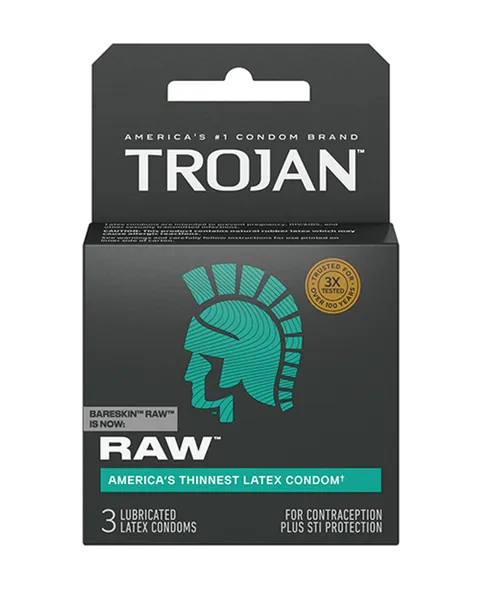
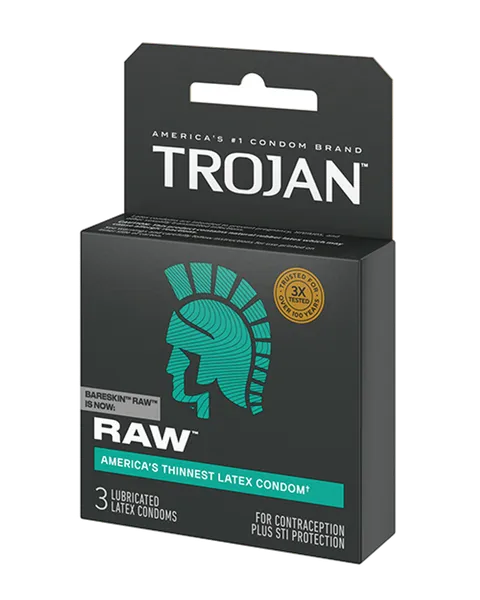
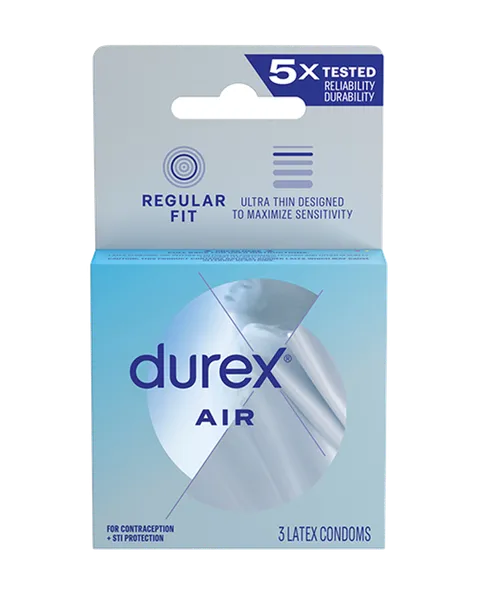
If latex works for you, thin options like the Durex Air condoms and the Trojan BareSkin Raw condoms are designed to feel closer to skin. Thinner doesn't mean weaker when they're used with enough lube. You'll find condoms and other basics in our Toy Care & Essentials shop.
Which lube is safe to use with condoms?
Lube is a safety product, not just a comfort extra. Less friction means fewer micro-tears in delicate tissue and a lower chance of a condom breaking. But not every lube works with every condom or toy.
| Lube type | Latex condoms | Polyurethane / nitrile | Silicone toys | Good to know |
|---|---|---|---|---|
| Water-based | Yes | Yes | Yes | Easy cleanup; may need reapplying |
| Silicone-based | Yes | Yes | Often not; patch-test or check the label | Long-lasting, great in water |
| Oil-based (including coconut oil, lotions, petroleum jelly) | No, can weaken latex | Yes | Check the toy maker's advice | Harder to wash out; some find it irritating |
| Hybrid (water + silicone) | Usually yes | Usually yes | Patch-test first | Always check the label |
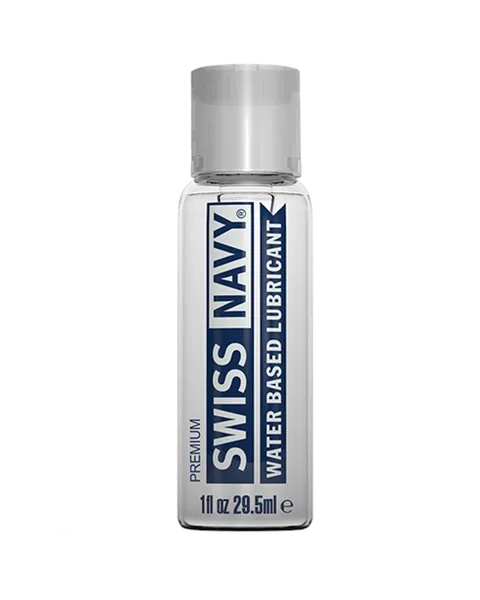
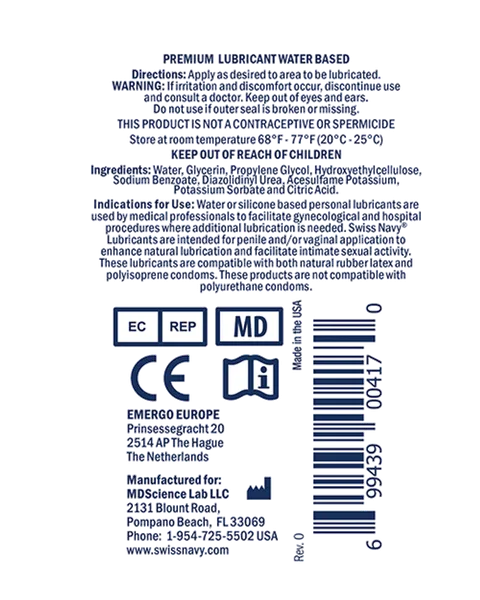
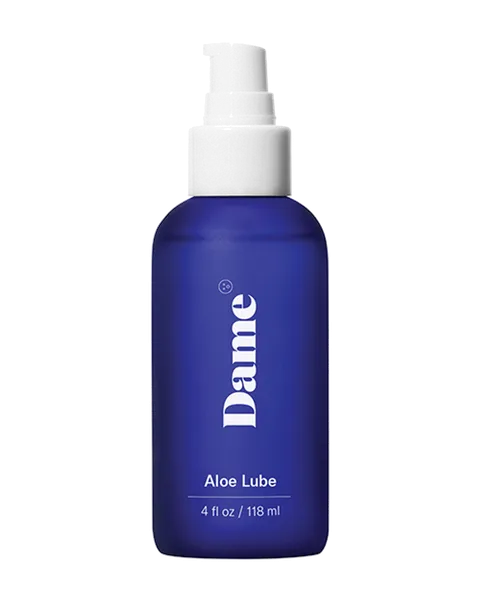
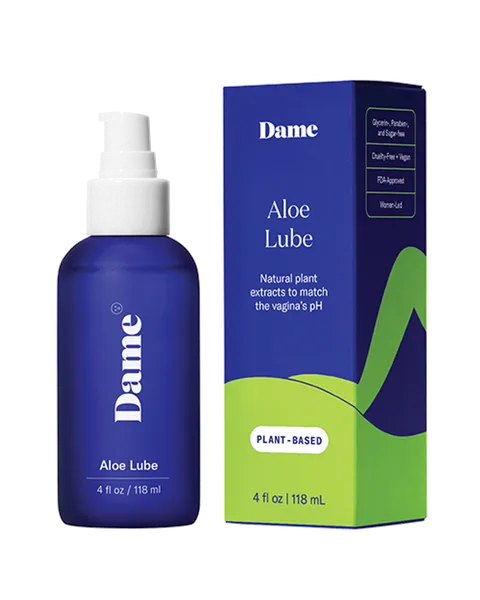
For an all-rounder that works with every condom and toy, a water-based formula like Swiss Navy Water Based Lube is hard to beat, and the Dame Alu aloe-based lube is a gentle pick if you're sensitive. If you prefer the slip of silicone with latex condoms, a Sensuva silicone moisturizer in single-use packets keeps portions tidy and travel-friendly. Our water vs. silicone lube guide goes deeper, or browse the full lubricant collection.
Two products to be cautious with
- Spermicide (often nonoxynol-9) doesn't protect against STIs, and frequent use can irritate tissue. Don't rely on it for STI prevention.
- Numbing products can mask pain, which is your body's signal to slow down, especially during anal play.
Can you get an STI from a sex toy?
Yes, it's possible. If a toy goes from one person's body to another's without being covered or cleaned, it can carry fluids and the infections in them. Moving a toy from anal to vaginal play without a fresh condom or a wash can also transfer bacteria and lead to irritation or infections such as urinary tract infections.
Why material matters
A non-porous material, like solid silicone, glass or stainless steel, has a sealed surface that can be cleaned thoroughly. A porous material, like some jelly rubbers and TPE, has microscopic pockets that can hold onto bacteria even after washing. Porous toys are best kept to one person and always used with a condom. Our guides to what “body-safe” really means and sex toy materials break it down further.
Simple rules for sharing toys
- Cover shared dildos and vibrators with a fresh condom for each partner.
- Change the condom (or wash the toy) every time you switch between anal and vaginal use.
- Keep anal toys dedicated to anal play where you can.
- Consider one “just mine” toy for solo time, especially if it's porous.
- Clean before first use and after every session, even when you used a condom.
How do you clean sex toys between uses?
For most toys, warm water and a mild, unscented soap or a dedicated toy cleaner does the job. Wash, rinse well, let it dry completely and store it somewhere clean. Waterproof and non-motorized toys can handle a more thorough wash; anything with a charging port needs a gentler touch, so always follow the manufacturer's instructions. Our full walkthrough on how to clean sex toys covers every material.
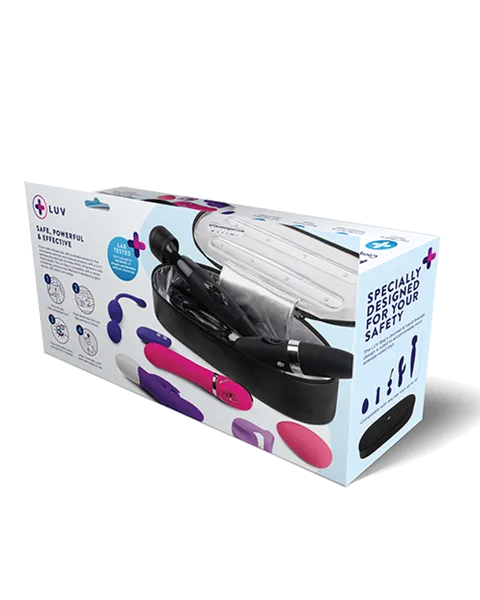
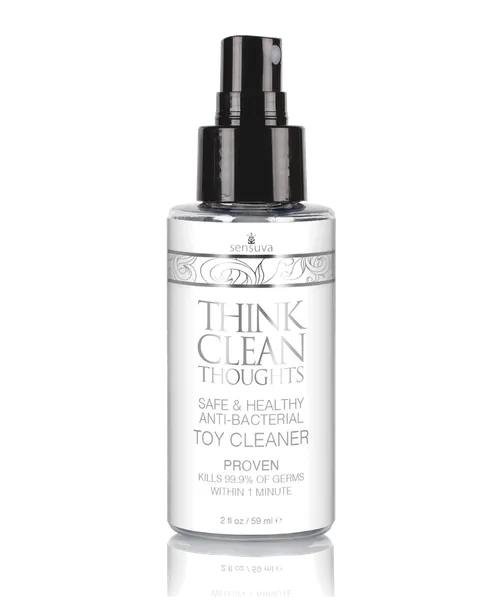
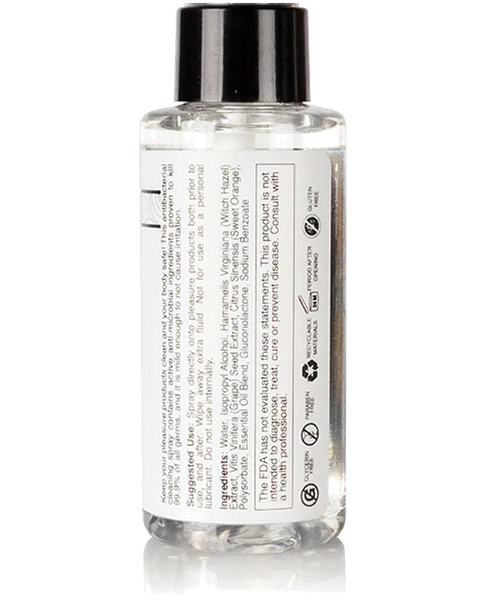
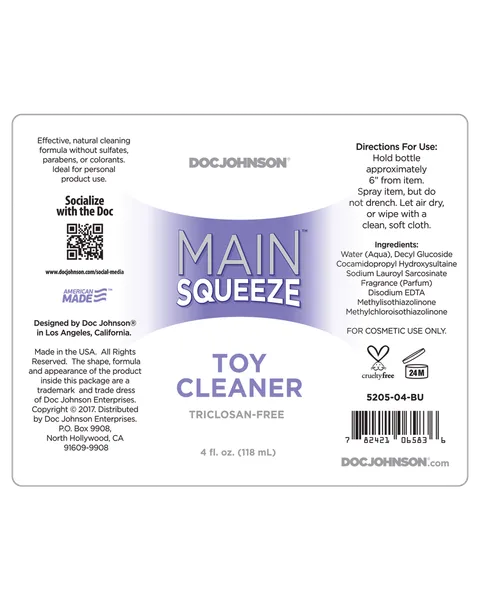
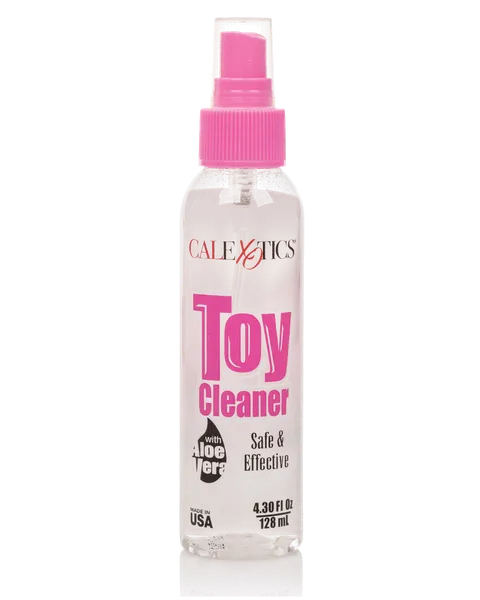
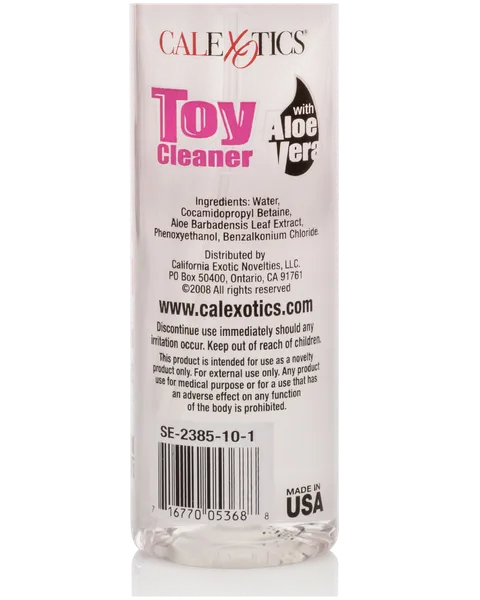
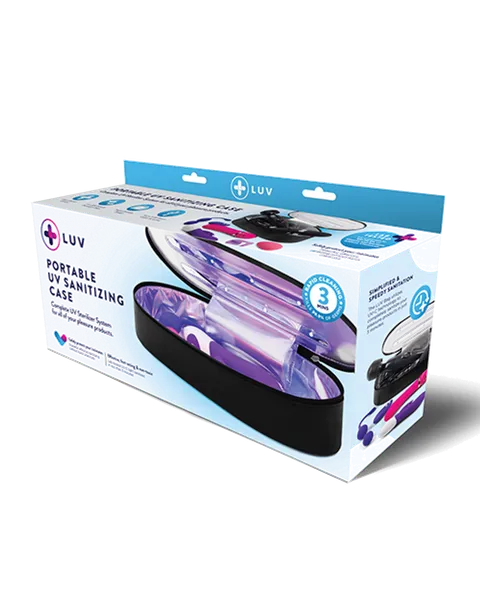
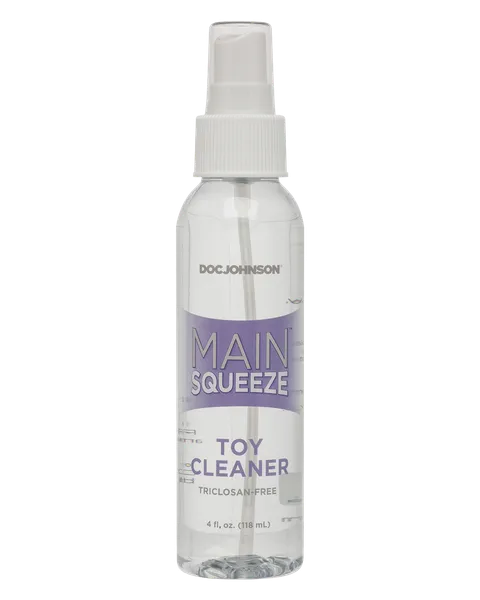
A purpose-made spray makes the habit easier to keep. Good options include Universal Toy Cleaner with Aloe Vera, Main Squeeze Toy Cleaner, the pocket-sized Swiss Navy Toy & Body Cleaner and Sensuva Think Clean Thoughts. If you want an extra step after washing, the LUV Portable UV Sanitizing Case doubles as clean storage.
Cleaning lowers risk, but it isn't the same as a fresh barrier. When a toy is going between partners mid-session, a new condom is the quickest, most reliable swap.
Storage counts too: keep toys apart so materials don't react, and away from dust and lint. See how to store and charge your toys for ideas.
How often should you get tested for STIs?
Here's the part that surprises people: many STIs, including chlamydia and gonorrhea, often cause no symptoms at all. Feeling fine isn't the same as being clear, which is why testing is a routine part of sexual health rather than something you only do when something seems wrong.
Widely shared guidance is to test at least once a year if you're sexually active, and more often if you have new or multiple partners. A smart moment to test is before you and a new partner stop using condoms. A clinician can tailor how often and which tests make sense for you.
You may hear the term window period: the time between a possible exposure and when a test can reliably detect an infection. If you've had a recent risk, tell the clinic when it happened so they can time your tests properly. Planned Parenthood's STD and safer sex hub is a reliable place to read more.
What else helps prevent STIs besides condoms?
Barriers are the foundation, but modern sexual health has more tools than ever. Ask a clinician which of these fit your life:
- HPV vaccine: protects against the types of HPV most linked to genital warts and certain cancers.
- Hepatitis B vaccine: protects against an infection that can spread through sex.
- PrEP (pre-exposure prophylaxis): prescription medication taken before possible exposure to greatly lower the risk of getting HIV. It doesn't protect against other STIs, so condoms still matter.
- PEP (post-exposure prophylaxis): emergency medication after a possible HIV exposure. It must be started as soon as possible and within 72 hours.
- Dental dams: a thin sheet used as a barrier during oral sex on a vulva or anus. In a pinch, a condom cut lengthwise can work as one.
- Treating infections promptly: if you test positive, both you and your partners getting treated stops the infection bouncing back and forth.
How do you talk to a partner about safer sex?
Bringing it up before things get heated is far easier than negotiating in the moment. Keep it matter-of-fact and about both of you, not an accusation. Try something like:
- “I always use condoms with new partners. I've got some I like, so we're covered.”
- “When were you last tested? I went last month and I'm happy to share results.”
- “If we're sharing toys, I'd like to pop a condom on them. Easy cleanup, too.”
If they push back on basic protection, that's useful information about how they'll handle other boundaries. Our tips on bringing up toys with a partner work just as well for safer-sex conversations, and you'll find shared-play ideas in our couples collection.
When should you talk to a clinician?
A doctor, nurse or sexual health clinic is your best ally, and conversations there are confidential. Reach out if any of these apply:
- A condom broke or slipped off. Emergency contraception and HIV PEP both work best the sooner you start, so don't wait to see what happens.
- You think you've been exposed to HIV or another STI.
- You notice symptoms such as unusual discharge, sores, bumps, itching, burning when you pee, pelvic pain or bleeding after sex.
- A condom, lube or toy causes ongoing irritation, which could point to an allergy or sensitivity.
- Sex is regularly painful, or dryness is getting in the way. Our guides on vaginal dryness and menopause and pleasure are a good starting point, but persistent pain deserves a proper check.
- You want routine testing, vaccines or PrEP. You don't need a problem to book a visit.
If you're in the UK, the NHS guide to STIs explains how to find free sexual health services. Elsewhere, your regular clinician or a local sexual health clinic can help. Please don't try to self-diagnose from photos online; many conditions look alike and need a proper test.
What should a safer-sex kit include?
Having everything within reach turns safer sex from a decision into a default. A simple bedside kit might hold:
- A few condoms you actually like, checked for expiry every so often
- A condom-compatible lube in a size you'll use
- A toy cleaner and a soft, lint-free cloth
- A clean pouch or case for storing toys separately
- Your clinic's phone number saved in your phone
When you order from YourFemme, everything ships in a plain, discreet box with a neutral billing name. Shipping is free over $79, unopened items can be returned within 30 days, and you'll earn rewards points on every order. Want to stock up on several essentials at once? Build your own bundle and save.
Safer sex isn't about fear. It's about looking after yourself and the people you play with, so you can stop worrying and actually enjoy the moment.
Frequently asked questions
Do condoms protect against all STIs?
No. Used correctly every time, condoms greatly reduce the risk of HIV and infections spread through fluids, like chlamydia and gonorrhea. They offer less protection against infections spread by skin-to-skin contact, such as herpes, HPV and syphilis, because those can affect skin the condom doesn't cover. Combining condoms with regular testing and vaccines like the HPV vaccine gives you broader protection.
Can I use coconut oil or lotion with condoms?
Not with latex condoms. Oil-based products, including coconut oil, body lotion and petroleum jelly, can weaken latex and make it more likely to break. Stick to water-based or silicone-based lubes with latex. Polyurethane and nitrile condoms are compatible with oil, but oil can be harder to wash out and some people find it irritating, so water-based lube is the easiest all-rounder.
Is it safe to share sex toys?
It can be, with a few habits. Put a fresh condom on the toy for each partner, change it whenever you switch between anal and vaginal use, and clean the toy thoroughly after every session. Non-porous materials like silicone, glass and stainless steel are easiest to clean. Porous toys are best kept to one person and always used with a condom.
What should I do if a condom breaks?
Stay calm and act quickly. Contact a clinician, pharmacist or sexual health clinic as soon as you can. Emergency contraception and HIV post-exposure prophylaxis (PEP) are both time-sensitive, and PEP must start within 72 hours. You may also want STI testing, timed according to when the exposure happened, so tell the clinic the date.
How soon after sex can I get tested for STIs?
It depends on the infection. Each one has a window period, the time between exposure and when a test can reliably detect it. Testing too early can give a false negative. Tell your clinician or clinic when the possible exposure happened, and they'll advise which tests to do now and whether you should come back for a repeat test later.
Do I need protection for oral sex?
Several STIs, including herpes, gonorrhea and syphilis, can pass through oral sex. Using a condom on a penis or a dental dam on a vulva or anus lowers that risk. If you don't have a dental dam, a condom cut lengthwise can work as one. Avoid brushing or flossing right before oral sex, since tiny cuts in your mouth may raise the risk.
Does PrEP replace condoms?
PrEP is prescription medication that greatly lowers the risk of getting HIV when taken as prescribed, but it doesn't protect against other STIs or pregnancy. Many people use PrEP and condoms together for broader protection. A clinician can tell you whether PrEP is a good fit, how to take it, and what regular check-ups and testing it involves.
Browse more toy care & essentials, all shipped in a plain box with discreet billing.