
Key takeaways
- Difficulty reaching orgasm is common, and it only counts as a problem if it bothers you.
- For most people with a vulva, direct or indirect clitoral stimulation matters far more than penetration alone.
- Stress, self-monitoring, pain, hormones and certain medications can all make orgasm harder, and several often overlap.
- More time, generous lube, consistent stimulation and the right vibrator solve a lot of situational difficulty.
- See a clinician if the change is sudden, follows a new medication, comes with pain or numbness, or is causing you real distress.
Trouble reaching orgasm is common and usually has a mix of causes: not enough of the right stimulation (often clitoral), stress or distraction, relationship factors, hormones, health conditions or medications such as some antidepressants. Practical fixes include more time, solo exploration, lube and a vibrator. If it's persistent or distressing, talk to a clinician.
If you've ever found yourself close, closer… and then nowhere, you're in very good company. Orgasm is one of those things everyone assumes should “just happen,” which makes it extra frustrating when it doesn't. The truth is that bodies are wonderfully specific, and climax depends on far more than effort.
This guide walks through what's actually going on, the practical changes that help most people, and the signs it's worth looping in a professional. No pressure, no performance reviews, just useful information.
Is it normal to have trouble reaching orgasm?
Yes. Difficulty climaxing is one of the most common sexual concerns people bring to doctors and sex therapists, across all genders and ages. It can look like never having had an orgasm, having them less often than you used to, only being able to climax in certain situations (solo but not with a partner, for example), or orgasms that feel weaker or take much longer than you'd like.
When the difficulty is persistent and causes you distress, clinicians call it anorgasmia or orgasmic dysfunction. That label simply means “trouble reaching orgasm that bothers you.” It isn't a judgment. You may also hear these terms:
- Lifelong (primary): you've never had an orgasm.
- Acquired (secondary): you used to orgasm, but now it's difficult.
- Situational: it happens in some circumstances but not others. This is the most common pattern.
- Generalized: it's difficult in any situation, with any partner or toy.
One important nuance: if you rarely or never orgasm and you're genuinely happy with that, there is nothing to fix. Pleasure, closeness and fun count on their own. This article is for anyone who'd like things to feel different.
What causes difficulty reaching orgasm?
There's rarely one neat answer. Most of the time it's a combination of body, mind, relationship and plain old technique. Mayo Clinic's overview of anorgasmia groups the causes in a similar way.
Not enough of the right stimulation
This is the big, unglamorous one. For most people with a vulva, the clitoris is the main event, and penetration alone often gives it very little direct attention. If sex mostly means penetration, it's no surprise orgasm feels elusive. For everyone, speed, pressure, rhythm and duration all matter, and what worked years ago may not work now.
Stress, distraction and “spectating”
Arousal needs your brain on board. Work stress, a mental to-do list, body-image worries or plain exhaustion can all pull focus. Sex therapists talk about spectating: mentally watching yourself from the outside and monitoring whether you're “getting there.” Ironically, trying hard to orgasm is one of the most reliable ways to stall it.
Medications
Some medications are well known for affecting orgasm, especially certain antidepressants such as SSRIs (selective serotonin reuptake inhibitors). Some blood pressure medicines, antipsychotics and other drugs can play a role too. Never stop or change a prescription on your own. Talk to whoever prescribes it, because there are often options.
Hormones and life stages
Lower estrogen around perimenopause and menopause, after childbirth or while breastfeeding can mean less natural lubrication, thinner and more sensitive tissue, and changes in sensation. Our guide to menopause and pleasure goes deeper on what changes and what helps.
Health conditions and pain
Anything that affects blood flow or nerves can affect orgasm, for example diabetes, multiple sclerosis, heart and circulation problems, pelvic surgery or pelvic floor issues. Pain during sex, whether from dryness, endometriosis, vulvodynia or something else, makes it very hard to relax into pleasure. Alcohol and some recreational substances can also blunt sensation.
Emotional and relationship factors
Anxiety, depression, past trauma, shame-heavy messages about sex, unresolved conflict or not feeling safe enough to ask for what you want can all get in the way. These aren't “all in your head” in a dismissive sense. They're real, and they respond well to support.
| Possible factor | What it might look like | What may help |
|---|---|---|
| Stimulation gap | Easy solo, hard with penetration only | More clitoral focus, a vibrator, a longer warm-up |
| Stress or spectating | Your mind wanders or you feel “watched” | Mindfulness, taking orgasm off the table, slower touch |
| Medication | Changes began after starting a new prescription | Talk to your prescriber; don't stop on your own |
| Hormonal changes | Dryness, discomfort, reduced sensitivity | Lube, stronger vibration, asking a clinician about treatment |
| Health condition or pain | Pain, numbness or a sudden change | A medical check-up; pelvic floor physical therapy if advised |
| Relationship or emotional | Hard to ask for what you want, or feeling disconnected | Open conversation, couples or sex therapy |
Why can I orgasm alone but not with a partner?
This is one of the most searched versions of the question, and it's usually good news: your body clearly can do it. The gap tends to come down to a few things:
- Control. Solo, you set the exact pressure and pace and adjust instantly. A partner is guessing.
- Type of touch. Many people rely on clitoral stimulation alone, then expect penetration to do the job with a partner.
- Self-consciousness. Feeling watched, worrying about taking “too long,” or focusing entirely on your partner's pleasure pulls you out of your own.
- Time pressure. Real or imagined, it's an arousal killer.
The fix is often to bring what works solo into partnered sex, including your own hands or your favorite toy. If raising that feels awkward, our guide on how to suggest a sex toy to your partner has easy ways to start the conversation.
How can I make it easier to orgasm?
None of these are magic switches, but together they shift the odds. Try a few at a time rather than all at once.
- Take orgasm off the goal list. For a week or two, make the aim “feel good” rather than “finish.” Removing the finish line often lowers the pressure enough for your body to get there anyway.
- Explore solo first. Self-exploration is a well-established approach that sex therapists use, especially for people who've never had an orgasm. Learn what kind of touch, pressure and rhythm you like with no one else to think about.
- Give arousal more time. Many people need longer to warm up than they assume. Kissing, massage and slow touch aren't a detour; they're part of the route.
- Center the clitoris. Direct or indirect, by hand, mouth or toy. Adding clitoral stimulation during penetration is normal, not a workaround.
- Keep going with what works. When you're getting close, resist the urge to switch things up. Consistent stimulation usually beats variety at that point.
- Breathe and move. Some people tense up and hold their breath near climax; others find that helps. Experiment with slow breathing, shifting position and letting your hips move.
- Talk, and show. Guide a partner's hand, say “softer” or “stay right there,” or demonstrate with a toy.
- Look at the bigger picture. Sleep, stress, alcohol and how connected you feel to your partner all show up in the bedroom.
Can a vibrator help you orgasm?
For many people, yes. Vibrators deliver steady, consistent stimulation that's hard to match by hand, which is why they're so often suggested for people who find orgasm difficult. They're especially useful if sensitivity has changed with age, hormones or medication. If you're new to toys, start with how to choose your first vibrator or our rundown of the types of vibrators.
| Toy type | Sensation | Often suits | Examples |
|---|---|---|---|
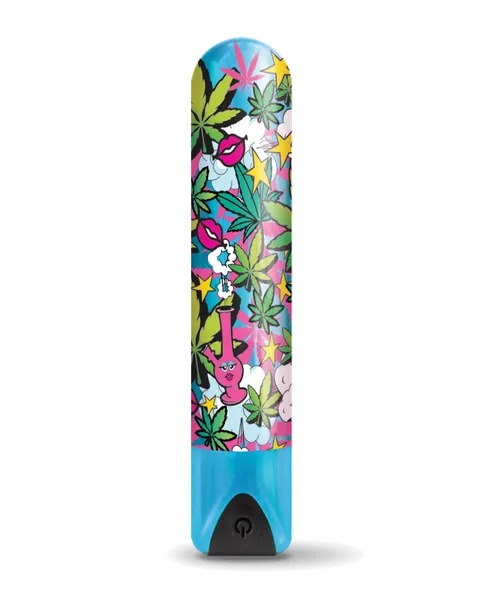
| Bullet | Buzzy, focused, small | Beginners; adding to partnered sex | Buzzed 3.5" Rechargeable Bullet |
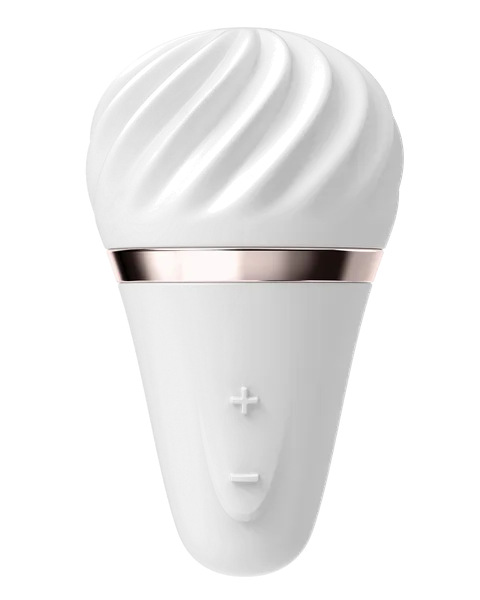
| Wand | Strong, deep and rumbly | Anyone who needs more intensity | Satisfyer Little Wand |
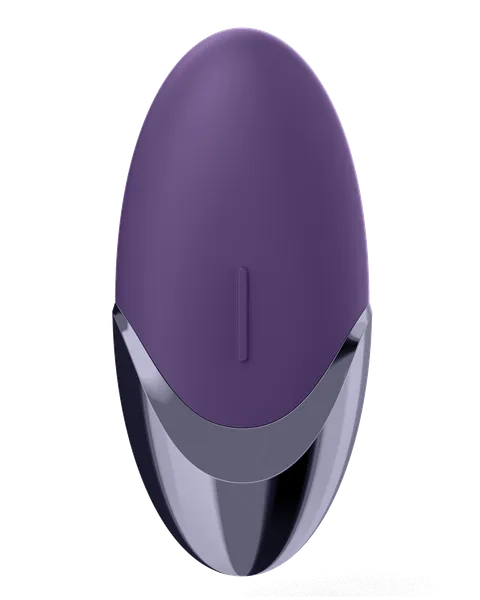
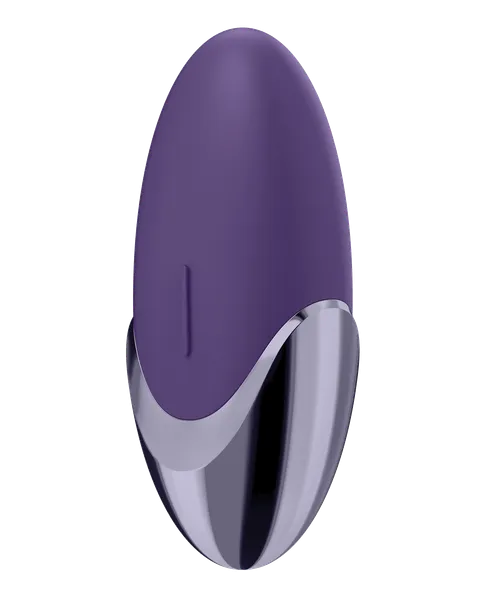
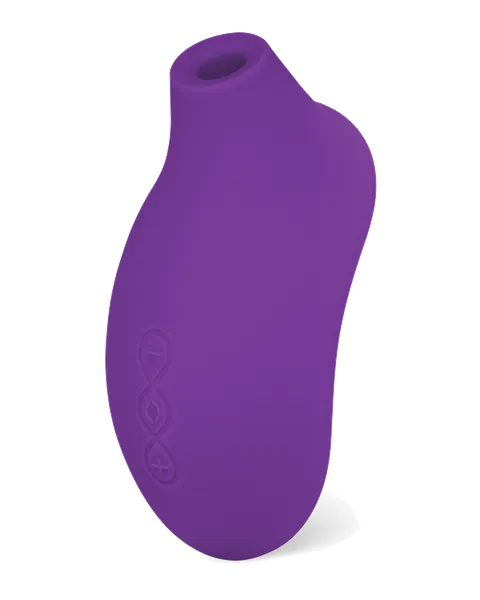
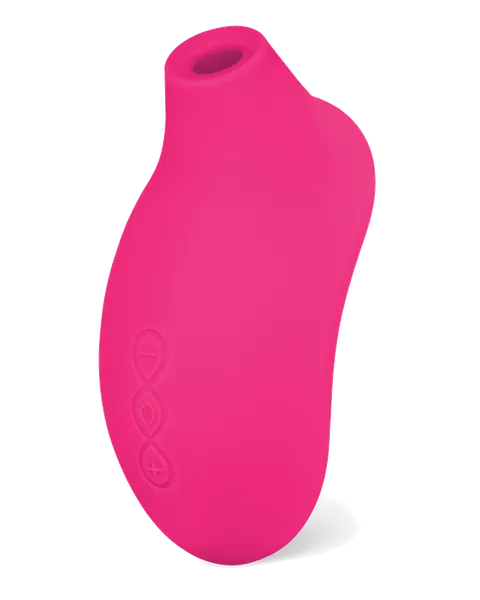
| Air-pulse (suction) | Indirect pulsing, no rubbing | People who find direct contact too intense | Satisfyer Purple Pleasure |
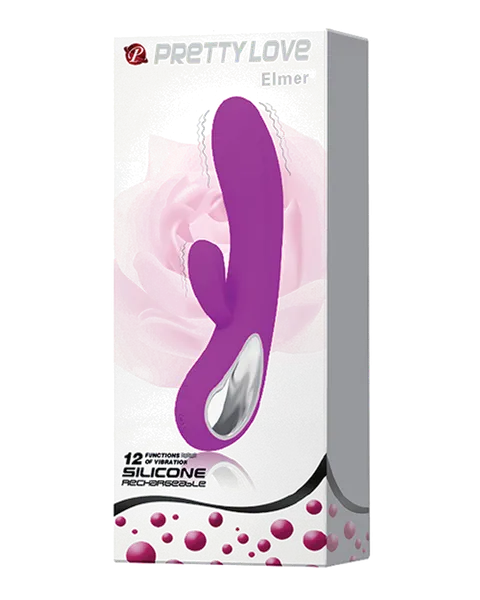
| Rabbit | Internal and external together | People who enjoy both at once | Pretty Love Elmer Rabbit |
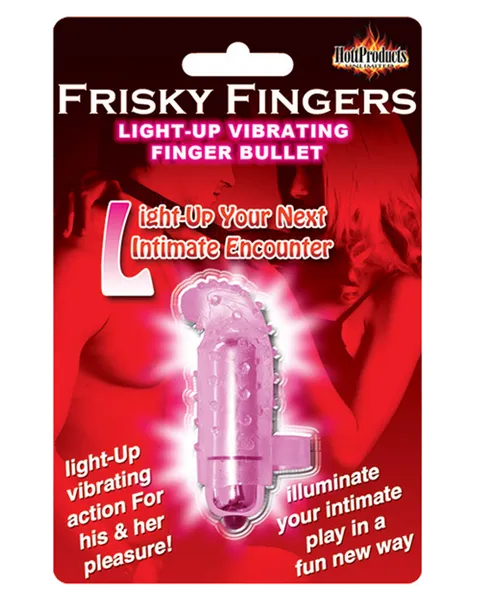
| Finger vibe | Hands-on, gentle buzz | Partnered play and exploring | Frisky Finger Vibrating Bullet |
If you need more intensity
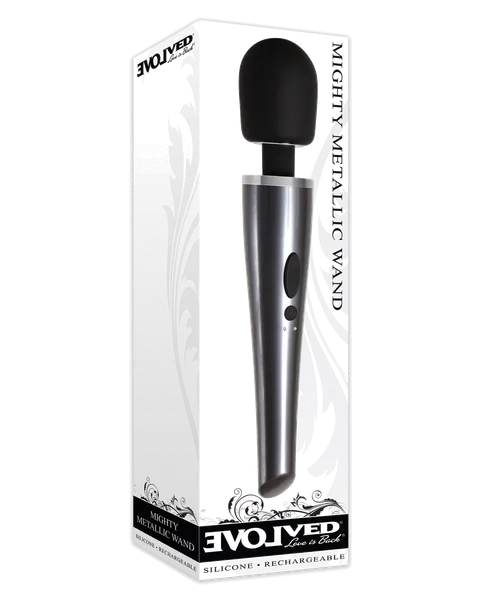
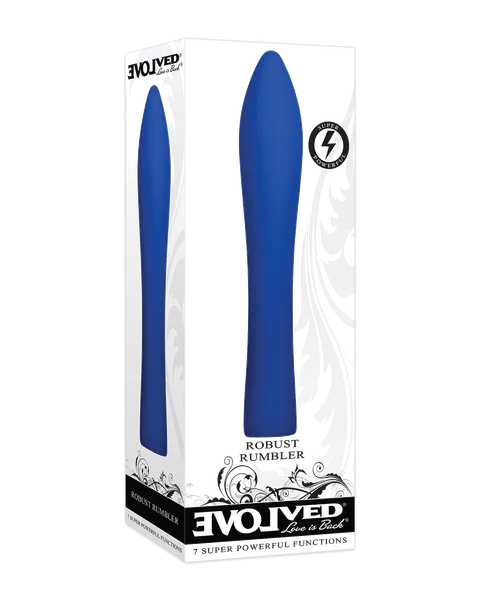
A wand gives broad, powerful vibration that many people find helpful when sensitivity feels lower. Beyond the compact Satisfyer, the Evolved Mighty Metallic Wand offers serious power. Start on the lowest setting and work up; more isn't always better. Browse the full range of wands and clit toys.
If direct touch feels like too much
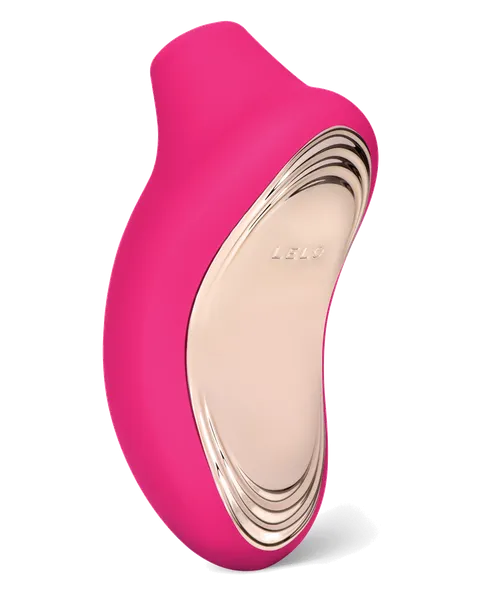
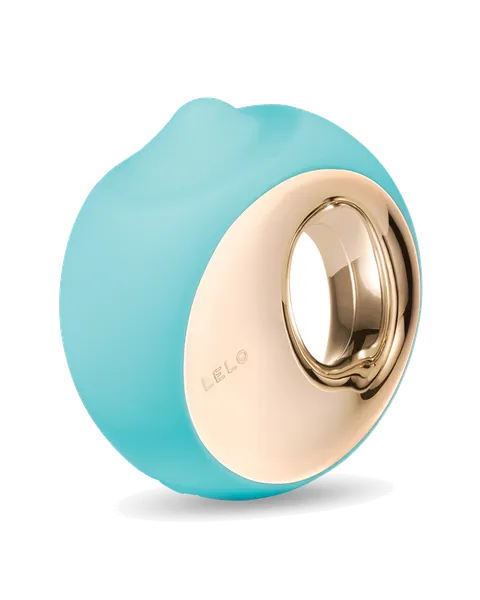
Air-pulse toys (often called suction toys) stimulate the clitoris with gentle waves of air pressure rather than direct contact. The LELO Sona 2 is a popular premium pick. Our explainer on how clitoral suction toys work covers who they suit best.
If you want something small and simple
Bullets are affordable, quiet and easy to bring into partnered sex. The Screaming O 3 Speed Soft Touch Bullet is a low-commitment place to start, and there's plenty more in our bullet vibrators collection.
If you enjoy internal sensation too
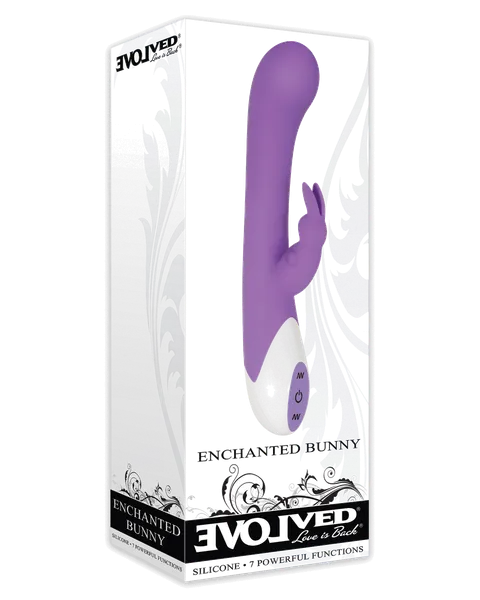
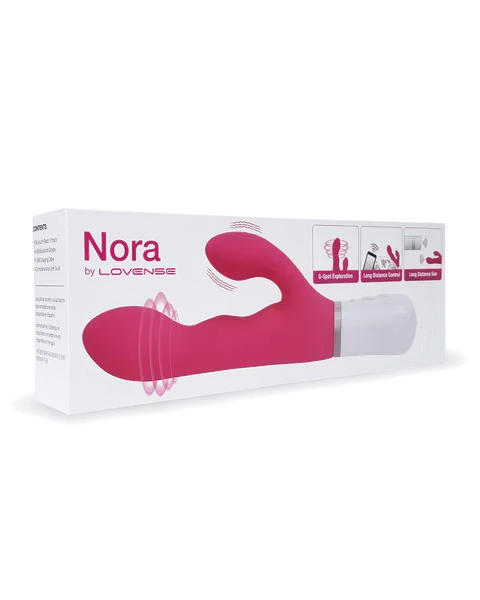
A rabbit vibrator stimulates inside and outside at the same time. The Love to Love Captain Charm Rabbit is a friendly mid-price option; see more in rabbit vibrators.
If you want to bring it into partnered sex
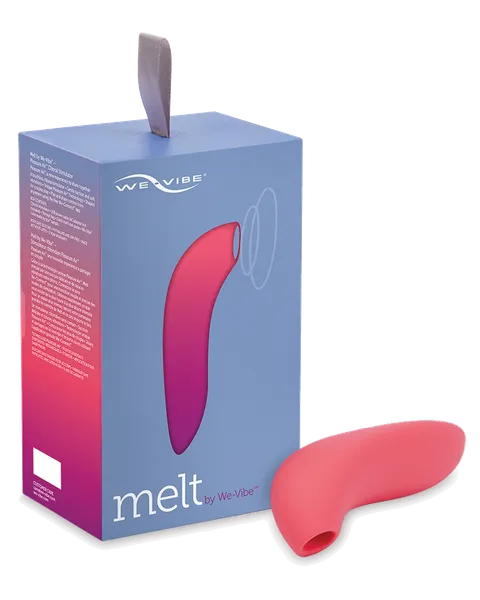
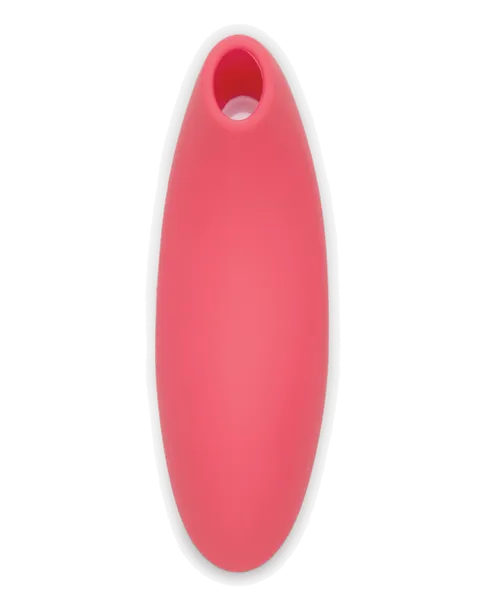
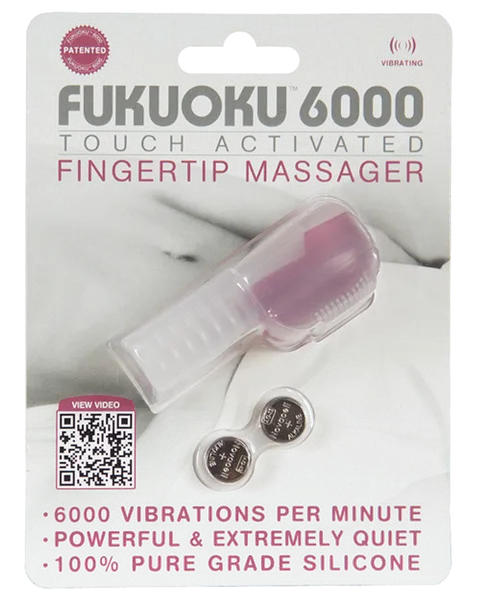
Some toys are designed to fit between bodies. The We-Vibe Melt is an air-pulse toy shaped for use during partnered sex, and finger vibes like the Fukuoku 6000 Fingertip Massager let a partner's hands do more. Explore our couples range or read the couples vibrators guide. Still unsure? The Find Your Match quiz takes two private minutes, or browse every option in vibrators.
Does lube make it easier to orgasm?
Lube won't cause an orgasm on its own, but discomfort and friction are reliable ways to block one. Good glide lets you relax, keeps sensitive tissue comfortable and makes toys feel smoother. It's especially worth trying if you notice dryness, which can happen with hormones, stress, some medications or simply not enough warm-up time.
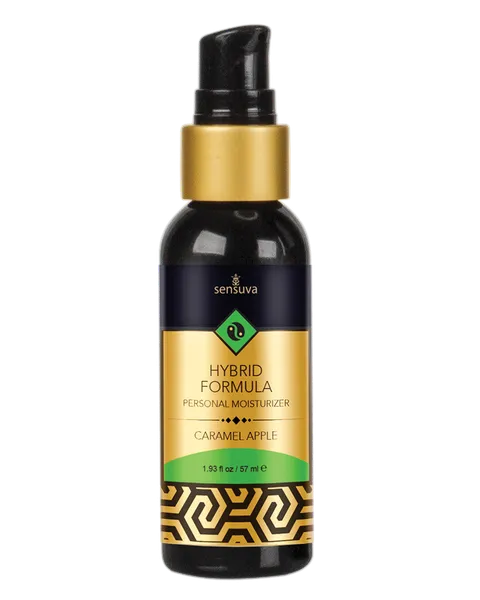
A water-based option like Swiss Navy Water Based Lube works with every toy material. A hybrid such as Sensuva Hybrid Personal Moisturizer lasts a little longer. If you're prone to irritation, skip warming or tingling formulas at first. Compare options in our lubricants collection and read water vs. silicone lube or vaginal dryness: causes and relief for more.
What about people with a penis?
Trouble climaxing isn't only a vulva-owner experience. In people with a penis it's often called delayed ejaculation, and many of the same factors apply: medications, stress, alcohol, nerve or hormonal changes and performance pressure. The same principles help too: slow down, communicate, and treat persistent or sudden changes as worth a medical conversation. Our For Him section has toys designed for different kinds of stimulation.
When should you talk to a clinician about trouble reaching orgasm?
You never need permission to ask a professional about your sex life. It's a normal part of health. It's especially worth booking an appointment if:
- You've never had an orgasm and would like to.
- The change was sudden, or you can't pin down a reason for it.
- It started after beginning a new medication or changing a dose.
- You have pain, bleeding, numbness or tingling in the genitals or pelvis.
- It comes alongside other new symptoms, such as bladder changes or numbness elsewhere.
- You're going through perimenopause or menopause and sex has become uncomfortable.
- It's causing you real distress or straining your relationship.
- Past trauma is coming up during sex.
Who can help?
A primary care clinician is a good first stop. Depending on the cause, they may refer you to a gynecologist, urologist, pelvic floor physical therapist or a certified sex therapist. Expect questions about your health, medications and sexual history, possibly a physical exam and sometimes blood tests. Be as honest as you can; they've heard it all.
What treatment can look like
Support depends entirely on the cause. It might mean a medication review with your prescriber, treating an underlying condition, local hormone treatment for menopausal symptoms, pelvic floor physical therapy, or sex therapy and counseling, alone or as a couple. If you need low-cost or confidential sexual health care, Planned Parenthood is a good place to start.
Orgasm difficulty is a symptom, not a verdict. With the right information and support, most people find something that helps.
A kinder way to think about orgasm
Your body isn't broken because it needs specific conditions to climax. Everyone does; some people's conditions are just less obvious to them yet. Treat this as curiosity rather than a test: what feels good, what helps you relax, what you want more of.
Whatever you choose, keep your toys in good shape with a gentle cleaner like Universal Toy Cleaner with Aloe Vera and our guide on how to clean sex toys. Explore more in our wellness collection. Every order ships in a plain, discreet box with a neutral billing name, shipping is free over $79, unopened items can be returned within 30 days, and you'll earn rewards points as you go.
Frequently asked questions
How long does it normally take to orgasm?
There's no correct amount of time, and it varies hugely between people and from day to day. Many people, especially those with a vulva, need longer warm-up than they expect. Worrying about taking too long tends to slow things down further, so focus on what feels good rather than the clock. If timing is causing you distress, a clinician or sex therapist can help.
Can antidepressants stop you from having an orgasm?
Some can. Difficulty reaching orgasm is a well-known side effect of certain antidepressants, particularly SSRIs. Don't stop or adjust your medication on your own, as that can be risky. Talk to your prescriber instead; they may be able to review the dose, timing or type of medication. Depression itself can also affect desire and arousal, so it's worth discussing both.
Can using a vibrator too often make you numb?
Some people notice temporary numbness after a long or very intense session, and sensation typically returns after a rest. This isn't generally considered a cause of lasting harm. Varying intensity, starting on lower settings and taking breaks can help. If numbness is persistent, appears without toy use, or comes with other symptoms, check in with a clinician.
Is it normal not to orgasm from penetration alone?
Yes, very normal. For most people with a vulva, clitoral stimulation plays a central role in orgasm, and penetration on its own often doesn't provide much of it. Adding a hand, a partner's touch or a small vibrator during penetration isn't cheating or a sign something is wrong. It's simply how many bodies work.
Can stress really stop me from orgasming?
It can. Arousal depends on being able to relax and focus on sensation, and stress, anxiety and distraction all compete for your attention. Worrying about whether you'll orgasm adds another layer of pressure. Slowing down, taking orgasm off the table for a while and practicing mindful, sensation-focused touch can help. If anxiety is affecting your life more broadly, consider talking to a professional.
Can pelvic floor exercises help with orgasm?
The pelvic floor muscles contract during orgasm, and some people find that becoming more aware of them improves sensation. But more squeezing isn't always the answer: overly tight pelvic floor muscles can cause pain and make orgasm harder. A pelvic floor physical therapist can assess whether you need strengthening, relaxation or both before you start a routine.
What kind of doctor should I see about orgasm problems?
Start with your primary care clinician, who can review your health and medications. Depending on what they find, they may refer you to a gynecologist, urologist, pelvic floor physical therapist or a certified sex therapist. Sex therapists focus on the emotional, relational and practical side, while medical specialists look at physical causes. Many people benefit from a combination.
Browse more vibrators, all shipped in a plain box with discreet billing.