Sexual Health
Body-positive, evidence-based answers on pleasure, comfort and sexual health at every stage of life. Practical guidance, with clear advice on when to talk to a clinician.
4 articles in Sexual Health · Clear filters

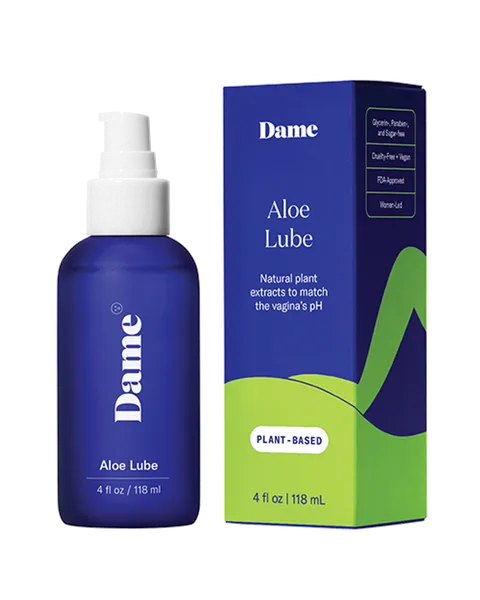
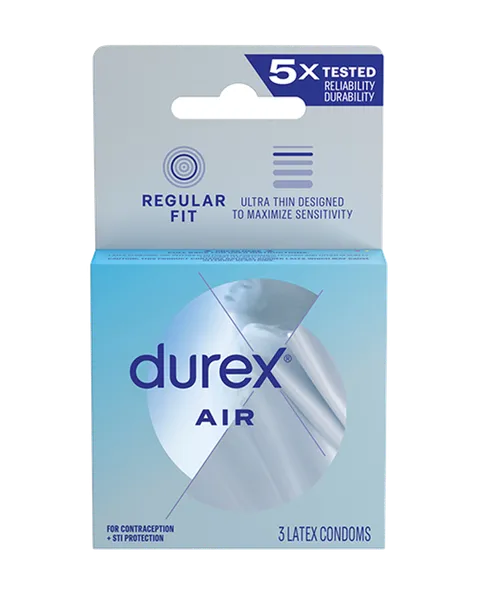
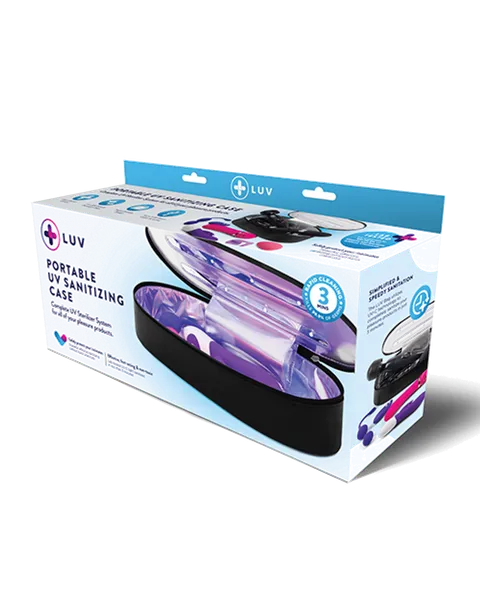
Safer Sex Basics: Condoms, Toys and STI Prevention Guide
Safer sex basics made simple: how to use condoms and lube correctly, share sex toys safely, prevent STIs, get tested, and know when to see a clinician.

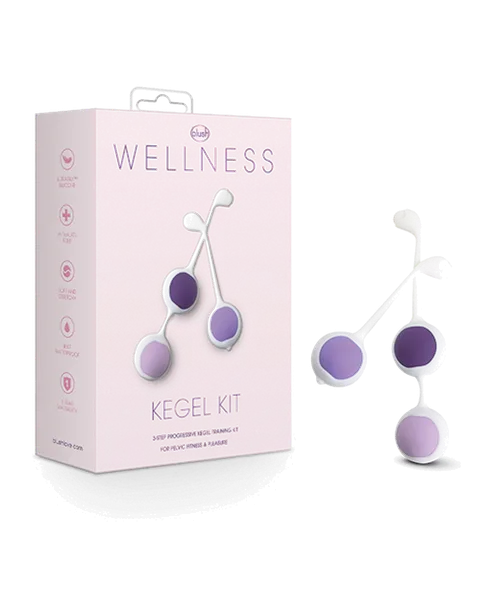
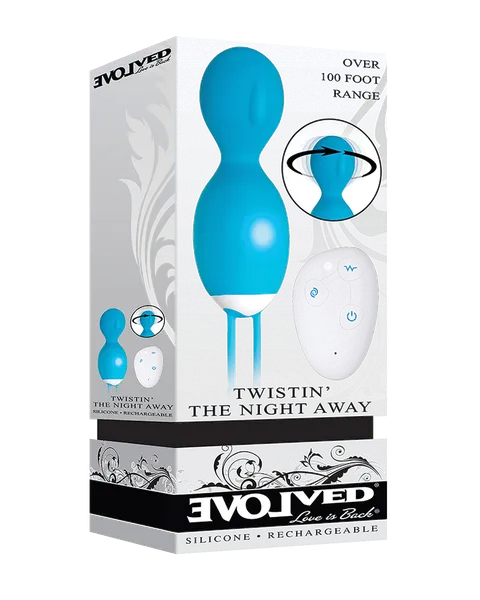
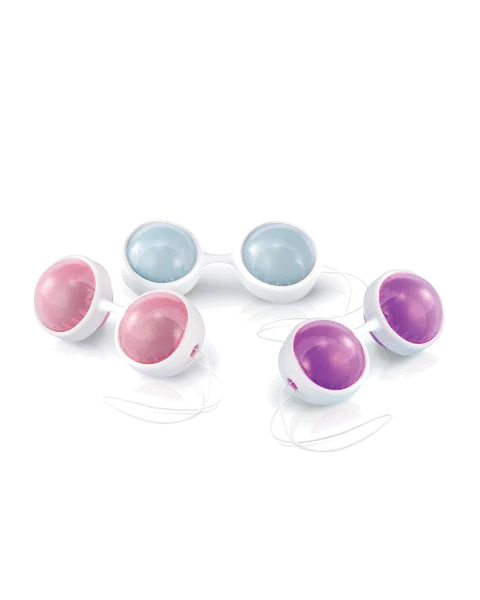
Pelvic Floor Health & Kegel Balls: A Beginner's Guide
New to Kegel balls? Learn how your pelvic floor works, how to choose and use Kegel balls safely, how to clean them, and when to talk to a clinician first.

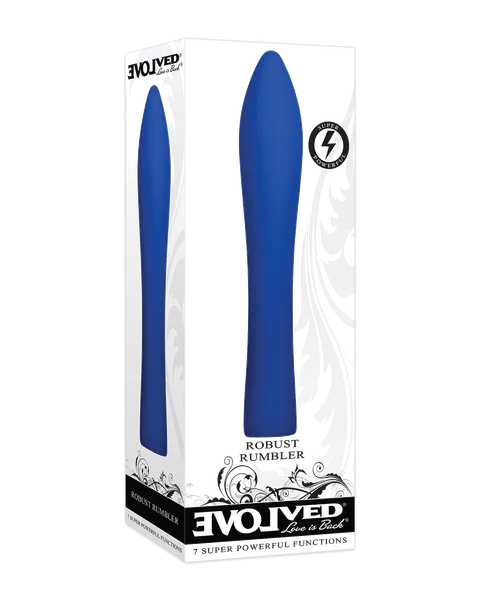
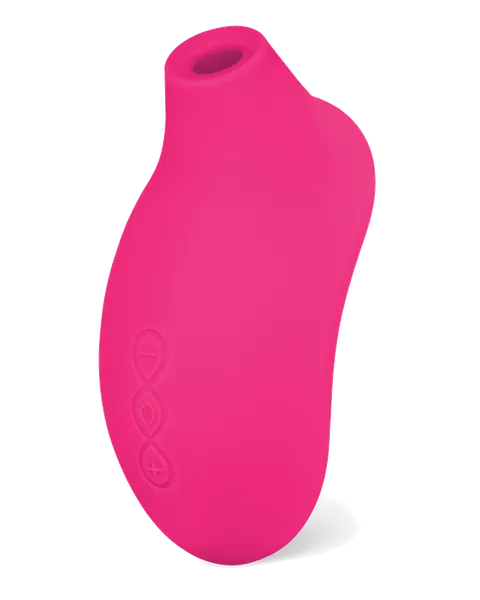
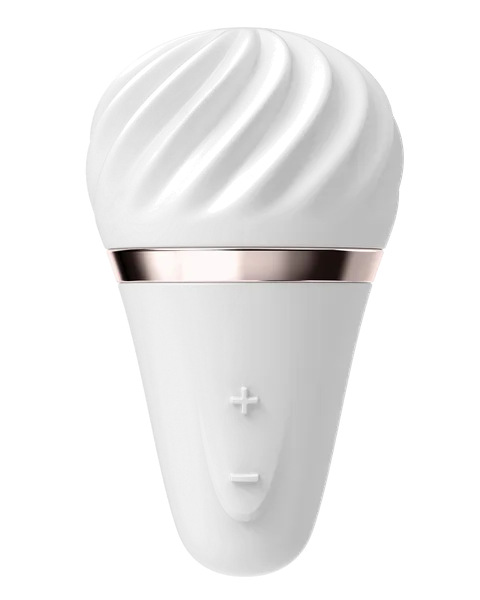
Menopause and Pleasure: What Changes and What Helps
Menopause and pleasure: how falling estrogen affects arousal, dryness and desire, plus the lubes, toys and clinician support that genuinely help.

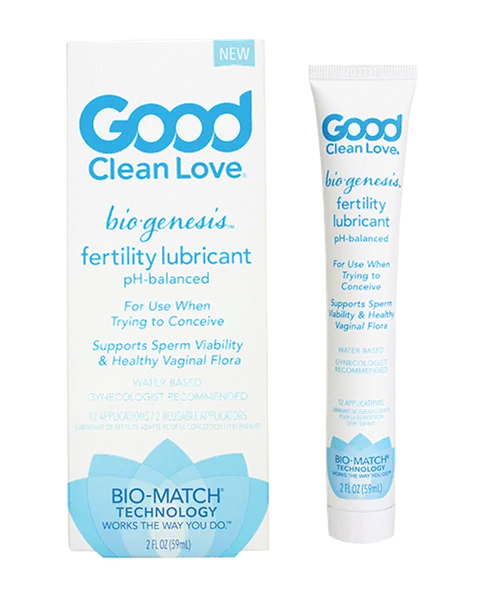
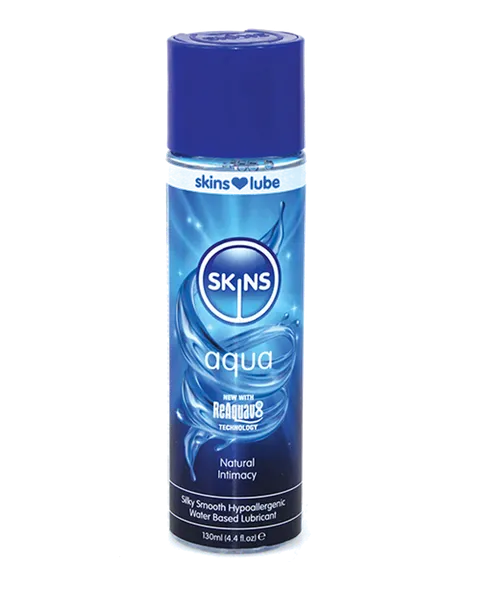
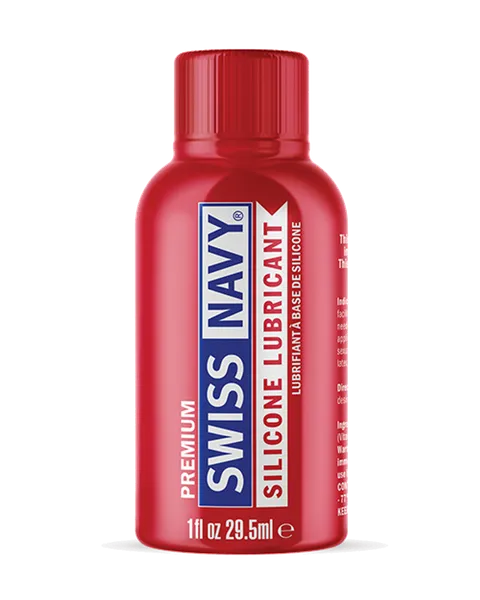
Vaginal Dryness: Causes, Relief & Choosing a Lubricant
Vaginal dryness is common and treatable. Learn the main causes, relief options, when to see a clinician, and how to choose a lubricant that suits you.
Showing 4 of 4
Questions these guides answer
Can you still orgasm after menopause?
Yes. Many people continue to have orgasms after menopause, though they may take longer or feel different. Reduced blood flow and sensitivity can mean you need more warm-up time and stronger or broader stimulation, such as a wand or air-pulse clitoral toy. If orgasm has become difficult and it bothers you, mention it to a clinician, since medications and other health factors can play a role.
How long should I wear Kegel balls?
Start with short sessions of just a few minutes, ideally lying down, and build up gradually as long as everything feels comfortable. Avoid wearing them for hours at a time or overnight. If a clinician or pelvic floor physical therapist has given you a specific routine, follow that. Stop and remove them right away if you feel pain, cramping or soreness.
Do condoms protect against all STIs?
No. Used correctly every time, condoms greatly reduce the risk of HIV and infections spread through fluids, like chlamydia and gonorrhea. They offer less protection against infections spread by skin-to-skin contact, such as herpes, HPV and syphilis, because those can affect skin the condom doesn't cover. Combining condoms with regular testing and vaccines like the HPV vaccine gives you broader protection.
Can stress or anxiety cause vaginal dryness?
Yes, it can contribute. Lubrication is part of the arousal response, and stress, anxiety, distraction or fatigue can make it harder for your body to respond. That doesn't mean anything is wrong with you or your relationship. Slowing down, extending foreplay and using lube generously often help. If stress-related dryness is affecting your wellbeing, a clinician or sex-positive therapist can be a good ally.
Is it normal to lose interest in sex during perimenopause?
It's common, but it isn't universal. Hormonal shifts, poor sleep, night sweats, stress and mood changes can all lower desire. Many people find their desire becomes more responsive, meaning it builds after touch begins rather than appearing out of nowhere. If low libido is causing you distress, talk to a clinician, who can review possible contributors such as medications or mood.
Can Kegel balls fall out or get stuck?
They can slip out, especially when you first stand up, and that's common for beginners. Try a lighter session lying down or a different size. They can't travel anywhere past your cervix. If you're struggling to remove one, relax, bear down gently and pull slowly on the retrieval cord. If you still can't remove it, contact a healthcare provider.