
 By Coco 🌴
Key takeaways
- Material matters most: non-porous silicone, glass and metal outlast porous TPE and jelly rubber by a wide margin.
- Retire any toy with cracks, tears, a lingering smell, a sticky surface or a swollen or overheating battery.
- Condoms, lubes and arousal products have printed expiry dates, so check your essentials drawer as well as your toys.
- Most sex toys can't go in curbside recycling, so take electronics and batteries to e-waste drop-offs and check brand take-back schemes.
- Cleaning after every use, storing toys separately and matching your lube to the material all help a toy last longer.
Body-safe toys made of silicone, glass or stainless steel can last for years, and glass and metal can last almost indefinitely. Porous materials like TPE and jelly rubber often need replacing within months to a year. Replace any toy that is cracked, sticky, smelly or losing power, and recycle batteries and electronics at e-waste drop-off points.
Your favorite toy has been with you through a lot. But like a good pair of running shoes, it won't last forever. Unlike shoes, though, a worn-out toy touches some of the most sensitive skin on your body. Knowing when to retire one is part of good toy care, and it matters for more than looks.
Below we cover what actually decides a toy's lifespan and the warning signs to watch for. We also look at which essentials quietly expire in your nightstand and what to do with a toy once it's done.
How long do sex toys actually last, by material?
The biggest factor is material, and specifically whether it's porous or non-porous. A porous material has microscopic holes that can trap moisture, lube and bacteria, even after washing. A non-porous material has a sealed surface that you can clean completely. Our materials explainer and our guide to what "body-safe" really means go deeper.
The ranges below are rough, real-world expectations, not guarantees. How often you use a toy, how you clean it and where you store it all make a difference.
| Material | Porous? | Rough lifespan with good care | Usual weak point |
|---|---|---|---|
| Glass (borosilicate) | No | Indefinitely, unless chipped or cracked | Drops and sudden temperature changes |
| Stainless steel and aluminum | No | Indefinitely | Very little; check for dents or rough spots |
| 100% silicone (no motor) | No | Many years | Tears, nicks and the wrong lube |
| Silicone vibrators | No (body) | Several years | The battery and motor, not the silicone |
| ABS plastic | No | Years | Cracked casing and worn seams |
| TPE / TPR | Yes | Months to a year or two | Stickiness, odor and tears |
| Jelly rubber / PVC | Yes | Often just months | Oily "sweating," cloudiness and smell |
Why motorized toys age differently
With vibrators, the silicone shell usually outlives the electronics. Rechargeable lithium-ion batteries hold less charge as they age, and motors can weaken or start to rattle. That's normal wear, not a defect. If a fairly new toy fails early, check the manufacturer's warranty before you throw it out.
What shortens a sex toy's lifespan?
Most toys don't simply wear out from age. They're usually worn down by small habits you can easily change. The usual suspects:
- The wrong lube. Silicone lube can degrade some silicone toys over time. Oil-based products can break down TPE, jelly and latex. When in doubt, reach for a water-based lube and check our lube and toy compatibility guide.
- Harsh cleaning. Bleach, alcohol and scented soaps can dry out or damage surfaces. Boiling only suits certain non-motorized toys. Never boil anything with a battery.
- Storing toys touching each other. Some materials react when pressed together for long periods and leave melted or tacky patches. TPE and jelly are especially prone to this.
- Heat and sunlight. A hot car or a sunny windowsill is hard on soft materials and batteries.
- Charging habits. Leaving a toy plugged in all the time is hard on its battery. So is storing it completely flat for months.
- Trusting "waterproof" too much. Splashproof doesn't mean submersible. Water getting past a seal is a common reason toys stop working suddenly.
What are the signs it's time to replace a sex toy?
Give each toy a quick once-over whenever you clean it. Retire it if you notice any of the following.
Surface damage
- Cracks, tears, nicks or splitting seams. These create pockets you can't clean and edges that can scratch delicate tissue.
- A chip of any size in a glass toy.
- Rough, flaking or peeling patches.
Material changes
- A sticky, tacky or greasy feel that comes back after washing.
- A smell that won't wash out.
- Cloudiness, dark spots or discoloration that seems to sit inside the material rather than on top of it.
- An oily film beading on the surface, which is common with older jelly toys.
Electrical and mechanical problems
- Noticeably weaker vibrations, or new rattling or grinding.
- A battery that barely holds a charge.
- Corrosion or residue around the charging port or contacts.
- Any swelling or bulging, heat when the toy isn't in use, or a burning smell. Stop using and charging it right away, because these can be signs of a damaged battery.
A simple rule: if you can't get it completely clean, or you hesitate before using it, it's time to let it go.
Do condoms, lube and other essentials expire?
Yes, and this is the part people forget. Many of the products in your essentials drawer have expiry dates printed on the packaging, and those dates matter.
Condoms
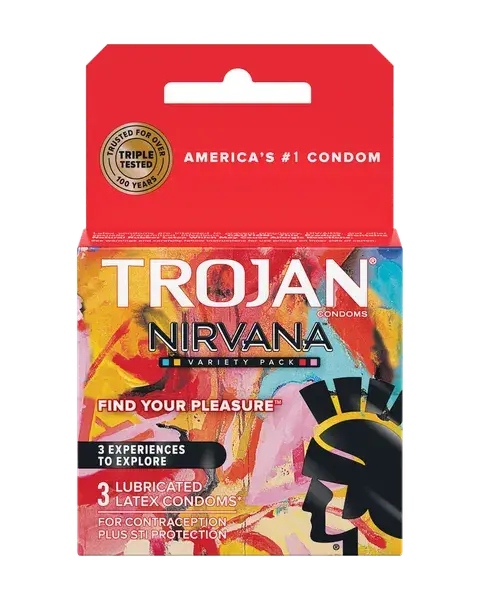
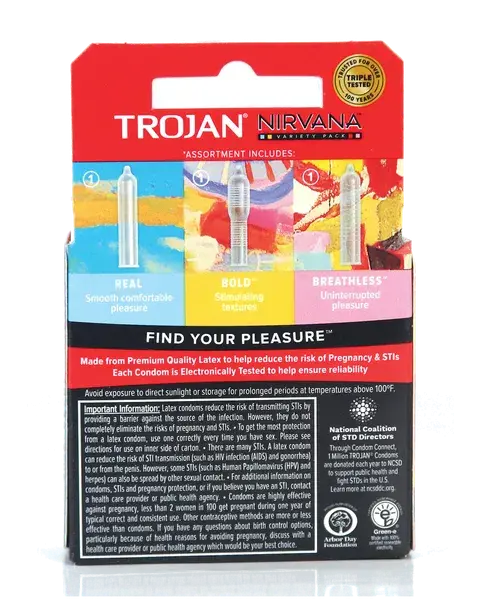
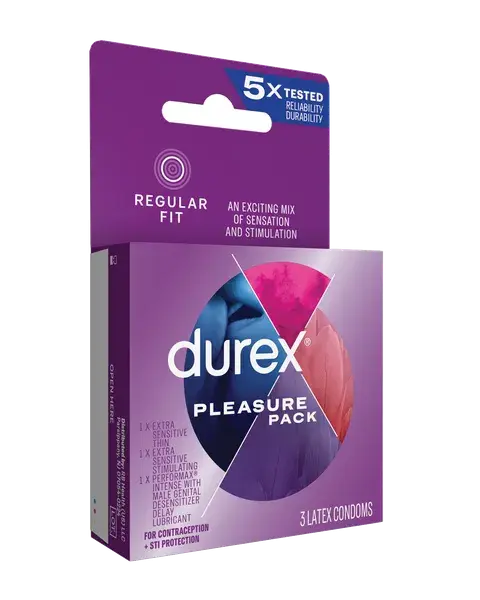
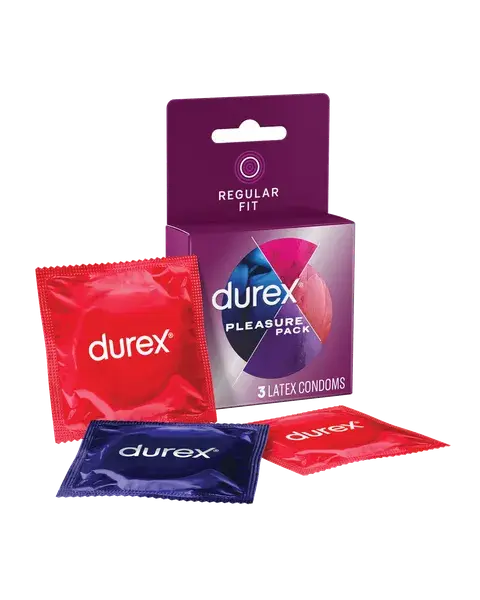
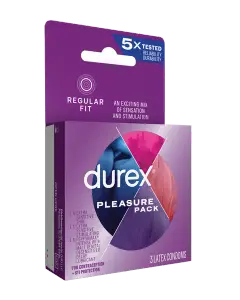
Condoms carry a printed expiration date. An expired or heat-damaged condom is more likely to break, and wallets and glove compartments are especially hard on them. If yours are past their date, swap in a fresh box such as the Durex Pleasure Pack or Trojan Nirvana. For a roomier fit, try Trojan Magnum Ecstasy. Planned Parenthood has a clear overview of condom use, and our safer sex basics guide covers the rest.
Condoms help your toys too. Putting one over a porous toy makes cleanup easier. It's also a smart habit if you share a toy between partners.
Lubes, balms and arousal products
Lubricants, arousal gels and flavored products usually have a best-before or expiry date as well. Throw out anything that has changed color, smell or texture, has separated, or is well past its date. That applies to arousal balms and flavored oral gels as much as to your everyday bottle. If an older product starts to sting, replace it. If the irritation doesn't go away, check in with a clinician.
Toy cleaner
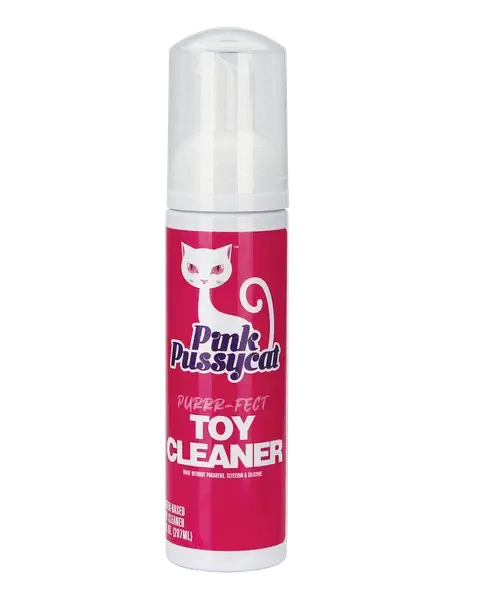
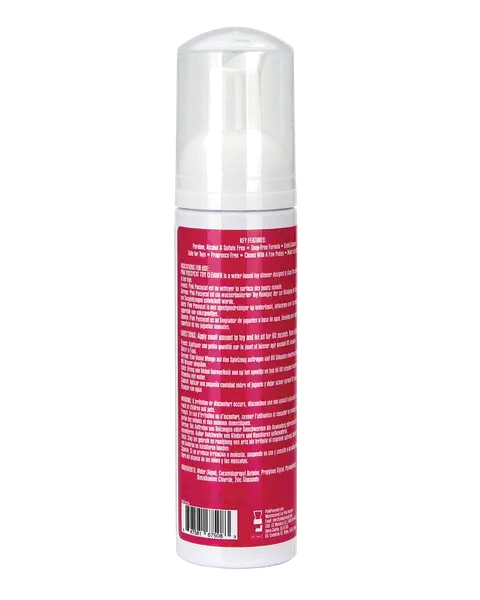
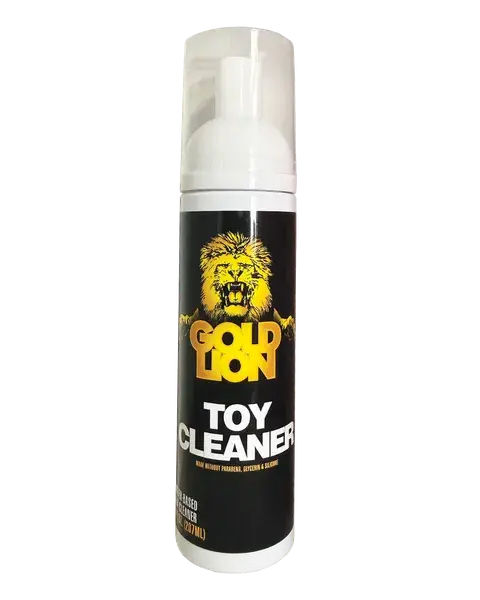
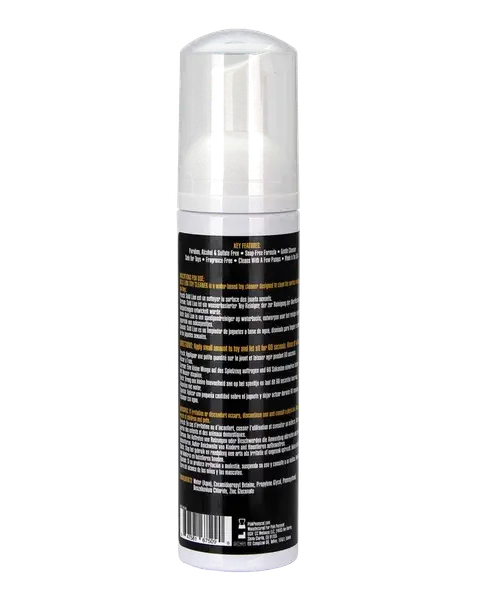
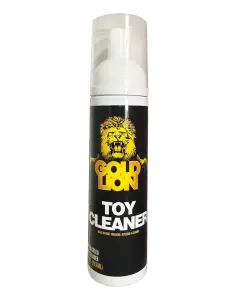
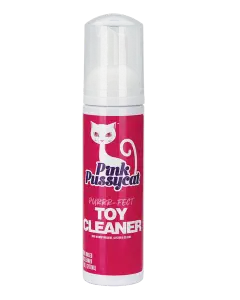
A dedicated cleaner is one of the cheapest ways to help a toy last. Sprays like Gold Lion Toy Cleaner or Pink Pussycat Toy Cleaner are quick to use after every session. Check the date and directions on the bottle, and see our step-by-step cleaning guide for each material.
Do swings, slings and positioners wear out too?
Anything that holds your body weight needs a regular safety check. Straps, buckles, stitching and door anchors all take real strain.
- Door slings and swings, such as the Sportsheets Door Jam Sex Sling or the Fetish Fantasy Deluxe Door Swing. Look for fraying straps, loose stitching, bent hardware and padding that's flattened or torn. Stay within the maker's weight limit and replace the item at the first sign of fraying.
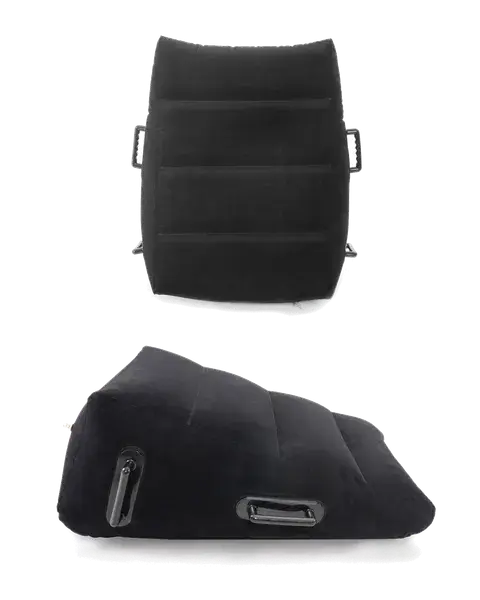
- Inflatables, such as the Ultra Inflatable Position Master. Slow leaks and weakened seams are the giveaways. Store them deflated, away from heat and sharp objects.
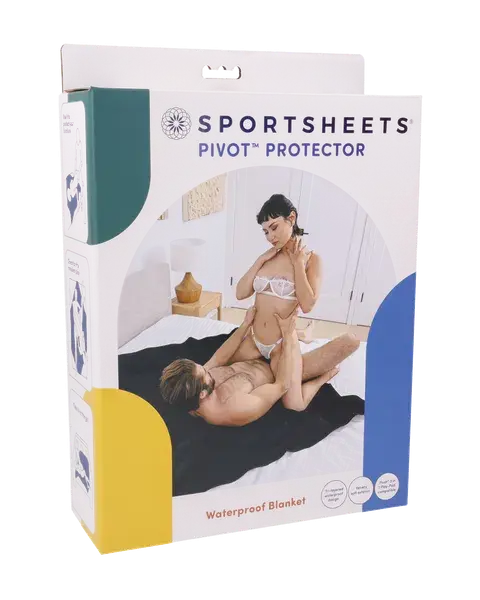
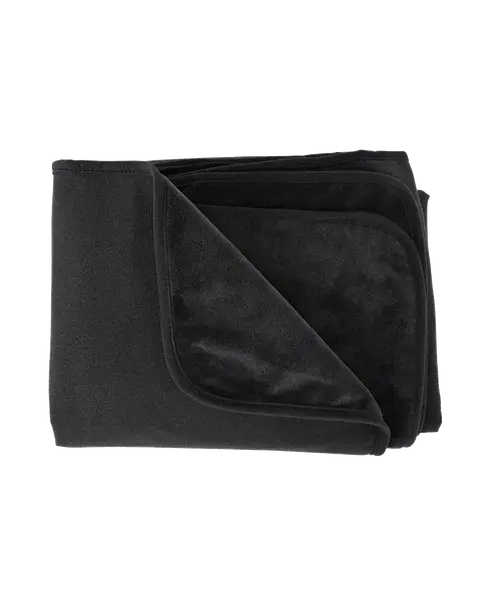
- Foam positioners and blankets. Foam can flatten over time. A protective throw like the Pivot Protector helps keep your mattress and furniture in better shape for longer.
Can you recycle old sex toys?
Sometimes, but rarely in your curbside bin. Most toys mix several materials, such as silicone over a plastic core plus a battery, a motor and a circuit board. Local recycling systems usually can't separate those parts. Here's how to handle each type.
Rechargeable and battery-powered toys
Treat these like any other small electronics. Lithium-ion batteries shouldn't go in household trash because they can be a fire risk there. Take the toy to an e-waste or battery drop-off point. Many electronics retailers and local councils run them. Remove any disposable batteries first and recycle them separately. Nobody at the drop-off will look twice, but you can put the toy in a plain bag if you'd like more privacy.
Glass and metal toys
These rarely need replacing at all. If one is chipped or you're simply done with it, stainless steel can usually go to scrap-metal recycling. Glass toys are often made of borosilicate, which can't go in ordinary bottle-and-jar recycling. Check your local rules. You may need to wrap the toy safely and put it in general waste.
Silicone, TPE, jelly and plastic toys
These usually can't go in household recycling. Some manufacturers run take-back or recycling schemes, so check the brand's website. Otherwise, clean the toy, wrap it and put it in general waste.
What not to do
- Don't donate, resell or pass on used toys. Porous toys can hold on to bacteria even after a good clean, and most charities won't accept them anyway.
- Don't try to take apart or puncture a toy with a lithium battery.
- Don't put a swollen or damaged battery in household trash. Take it to a battery drop-off.
How can you make your next toy last longer?
- Buy non-porous when you can. Silicone, glass and stainless steel last longer and clean more thoroughly. Compare your options in platinum silicone vs TPE, or browse dildos and vibrators by material.
- Clean before and after every use with mild, unscented soap and water or a toy cleaner. Let the toy air-dry completely before you put it away.
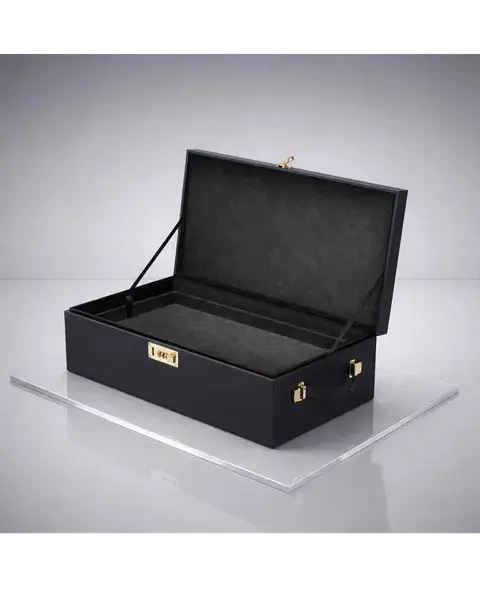
- Store toys separately in their own pouches or a dedicated case. A lockable option like the Strap-On-Me Le Coffret lock case keeps toys dust-free, apart from each other and private. For more ideas, see how to store and charge your toys.
- Charge smart. Use the cable the toy came with and unplug it once it's charged. If a toy lives in a drawer, top it up every few months.
- Match your lube to the material, and patch-test any new combination on a hidden spot.
- Respect the waterproof rating and keep charging ports dry.
- Use condoms on porous toys or when sharing toys between partners.
Strokers and sleeves need extra care because they're usually porous. Our stroker care guide walks you through it, and the strokers range includes easy-clean designs.
When is it a health concern, not just a toy problem?
You might notice itching, burning, unusual discharge, a rash or infections that keep coming back. Don't assume an old toy is the only cause, and don't wait it out. Stop using the toy, switch to fresh products and talk to a clinician. Our guide to vaginal pH and irritation explains which ingredients commonly cause trouble.
Replacing a toy? A few things to know
Retiring an old favorite is a good excuse to upgrade. If you're not sure what to choose, the Find Your Match quiz takes about two minutes. You can pair a new toy with fresh cleaner and lube through Build Your Own Bundle, and you'll earn rewards points on the order. Everything ships in a plain box with a neutral billing name. Shipping is free on orders over $79, and you can return unopened items within 30 days.
Frequently asked questions
Do sex toys expire?
Most toys don't have an official expiry date, but they do wear out. Non-porous glass and stainless steel can last almost indefinitely. Silicone can last for years, while porous TPE and jelly often degrade within months. Electronics fade as batteries age. Condoms, lubes and arousal products do carry printed expiry dates, so check the packaging and replace anything past its date.
Can you put sex toys in the recycling bin?
Usually not. Most toys combine materials that curbside recycling can't separate, and lithium-ion batteries can be a fire risk in household waste. Take rechargeable or battery-powered toys to an e-waste or battery drop-off. Stainless steel can often go to scrap-metal recycling. For silicone and other materials, check whether the brand runs a take-back scheme, or put the toy in general waste.
How long does a rechargeable vibrator battery last?
It varies by toy and by how you charge it. Many rechargeable vibrators give several years of regular use before you notice shorter run times. You can help the battery by using the original cable, unplugging once it's charged and topping up stored toys every few months. If the toy swells, overheats or smells like burning, stop using it right away.
Is it safe to buy, sell or share used sex toys?
Buying or selling used toys isn't recommended, especially porous ones, because bacteria can stay in the material even after cleaning. Non-porous toys can be shared between partners if you clean them thoroughly in between. A fresh condom over the toy for each person adds another layer of protection. If you're unsure about a toy's history or condition, replace it.
Should I replace my toys after an infection?
Porous toys made of TPE, jelly or rubber are hard to fully disinfect, so replacing them after an infection is a sensible precaution. Non-porous toys can usually be cleaned thoroughly with soap and water or a toy cleaner. If an infection keeps coming back, talk to a clinician, because they can help you work out whether a toy, a product or something else is involved.
Does silicone lube ruin silicone toys?
It can. Silicone lube may degrade some silicone toys over time and leave the surface tacky or uneven. Water-based lube is the safe default for silicone toys. If you prefer silicone lube, patch-test it on the base of the toy first and watch for any change in texture before using the two together regularly.
Can I keep using a toy with a small tear or crack?
It's best not to. Even a small tear or crack creates a pocket you can't fully clean, and a rough edge can irritate or scratch delicate skin. A chipped glass toy can also become sharp. Retire the toy, recycle or dispose of it properly, and look for a replacement made of a durable, non-porous material.

Browse more toy care & essentials, all shipped in a plain box with discreet billing.