 By Coco 🌴
Key takeaways
- When in doubt, water-based lube is the universal option that works with every toy material and every condom type.
- Silicone lube is long-lasting and great with glass, metal and hard plastic, but always patch-test it on silicone toys first.
- Oil-based lube weakens latex and polyisoprene condoms and can break down porous materials like TPE, jelly and PVC.
- Porous, skin-like toys such as most strokers and realistic dildos are happiest with water-based lube only.
- The instructions on your toy's packaging or product page always outrank a general compatibility chart.
Water-based lube is safe with every toy material and every condom, so it's the default pick. Silicone lube suits glass, metal and hard plastic toys but can damage some silicone toys, so patch-test first. Oil-based lube works with glass and metal but weakens latex condoms and can degrade porous toys like TPE.
You finally found the toy. It's soft, it's sleek, it's everything you wanted. Then you reach for the bottle on the nightstand and a little voice asks: wait, is this okay to use with that?
That's a smart question. The wrong pairing usually won't hurt you in any dramatic way, but it can quietly ruin a toy you love or weaken a condom you're relying on. And nobody wants a gummy, sticky vibrator or a surprise tear.
The good news is that lube compatibility comes down to just two things: what the lube is made from and what the toy (or condom) is made from. Once you know both, the rest is easy. Here's the full breakdown, plus charts worth screenshotting.
Why does lube compatibility matter?
Every lubricant has a base, meaning the main ingredient that makes it slippery. The base decides how long the lube lasts, how it cleans up and what it might react with.
Toys, meanwhile, are either porous or non-porous. Porous materials (like TPE, jelly rubber and PVC) have tiny openings in their surface that can absorb liquids and hold onto bacteria. Non-porous materials (like silicone, glass, stainless steel and ABS plastic) have a sealed surface that's much easier to keep clean. For the deeper material science, our guide to sex toy materials has you covered.
When a lube and a material don't get along, you might notice:
- A sticky, tacky or gummy surface that won't wash off
- Swelling, softening or a subtle change in shape
- Pitting, cloudiness or a rough texture
- Condoms that feel weaker or tear more easily
A damaged surface is harder to clean properly, which is why a toy that's gone tacky should usually be retired. We explain why in what “body-safe” actually means.
What are the main types of lube?
Before we start matching, here's a quick cheat sheet on the four bases you'll find in our lubricant collection.
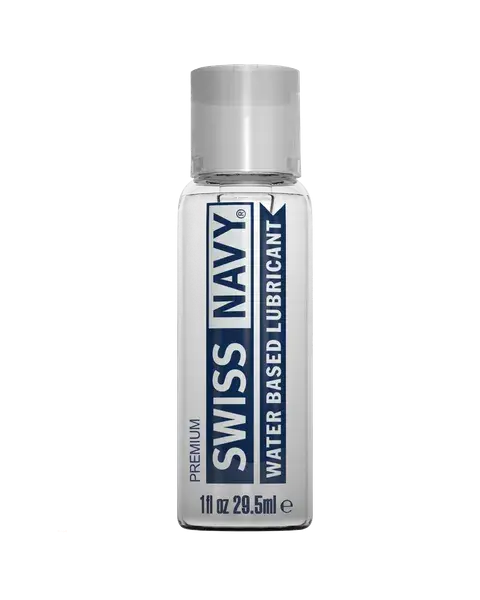
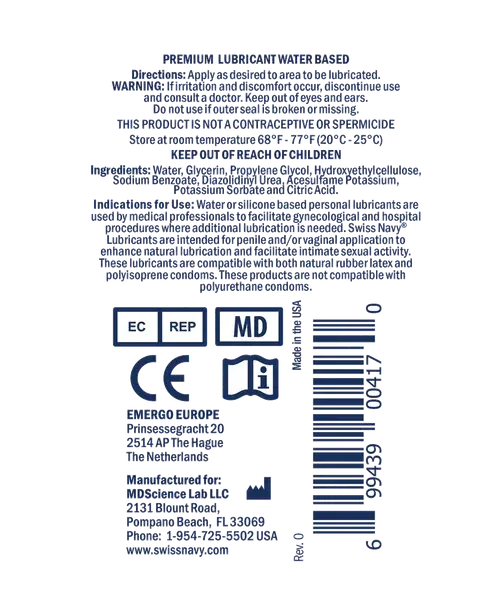
- Water-based lube: Mostly water plus thickeners. It washes off easily and plays nicely with every material, but it can dry out faster, so you may need to reapply. Try Swiss Navy Water Based Lube or a single-use Fuck Water Clear H2O foil for your bag.
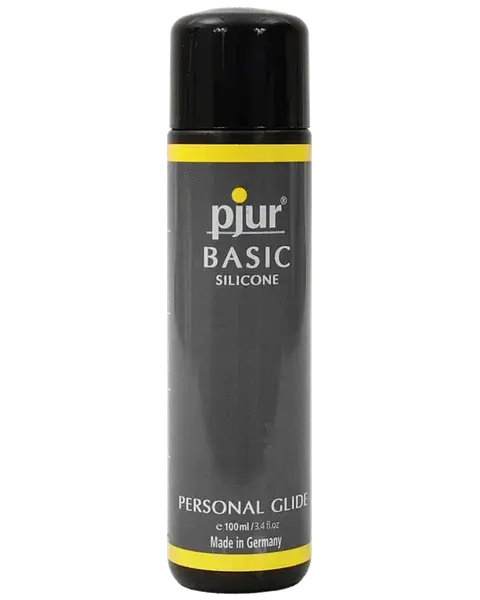
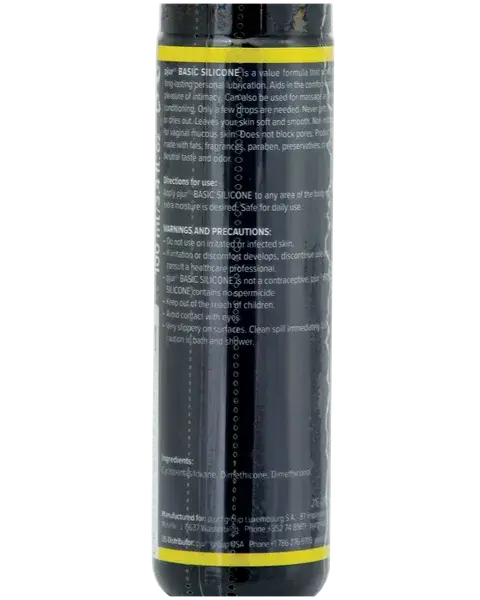
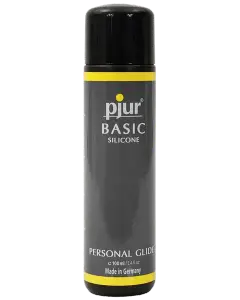
- Silicone-based lube: Made with silicone fluids that don't absorb into skin, so it stays slick for a long time and holds up in water. It's trickier to wash off and can react with some silicone toys. A classic pick is Pjur Basic Silicone Lubricant.
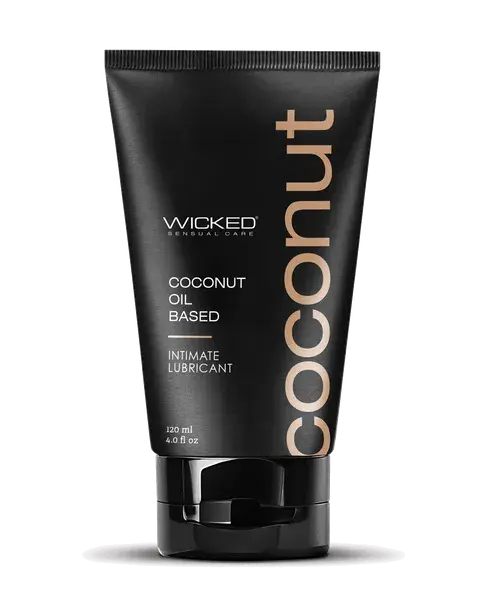
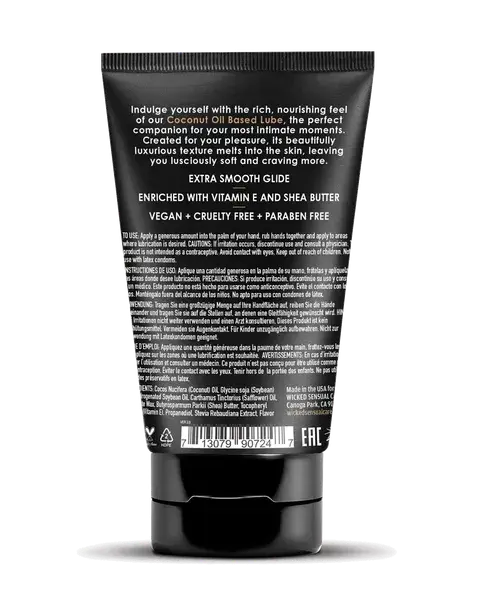
- Oil-based lube: Made from plant oils, butters or other oils. Rich, long-lasting and lovely for massage, but not friends with latex condoms or porous toys. Example: Wicked Sensual Care Coconut Oil Based Lube.
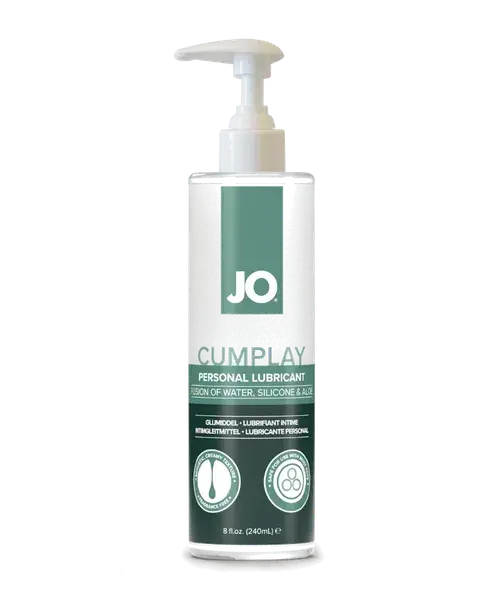
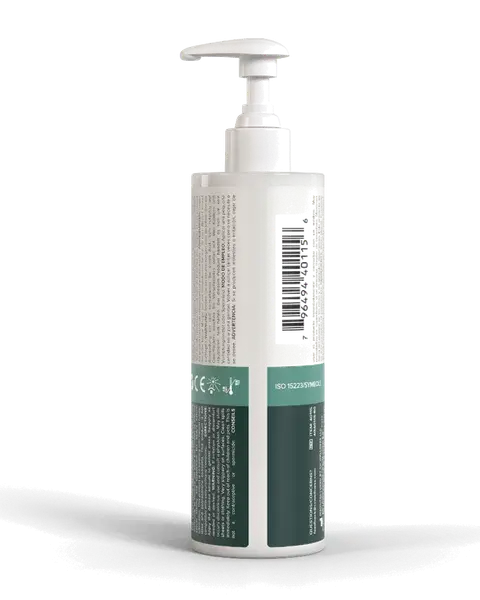
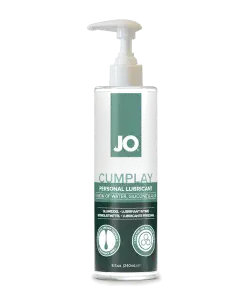
- Hybrid lube: Mostly water-based with a little silicone added, for a creamy, longer-lasting feel that still cleans up fairly easily. Try JO Cum Play, which is fragrance-free.
Flavored, warming and tingling lubes are usually water-based formulas with extra ingredients. Check the label, but they generally follow water-based rules. For a head-to-head on the two most popular bases, read water vs. silicone lube.
Lube and toy compatibility chart
Here's the at-a-glance version. “Patch-test” means it's often fine but depends on the specific toy and lube, so test before you commit.
| Toy material | Water-based | Silicone-based | Oil-based | Hybrid |
|---|---|---|---|---|
| Body-safe silicone | Yes | Patch-test | Usually OK, harder to clean | Usually OK, patch-test |
| Glass | Yes | Yes | Yes | Yes |
| Stainless steel and metal | Yes | Yes | Yes | Yes |
| ABS and hard plastic | Yes | Yes | Generally OK | Yes |
| TPE, TPR and “skin-like” materials | Yes (best choice) | Check the label | No | Check the label |
| Jelly rubber, PVC and latex | Yes | Check the label | No | Check the label |
If you're ever unsure, water-based is your universal adapter. And whatever the toy's own packaging or product page says always beats a general chart.
Which lube is best for silicone toys?
Silicone is the most common material on our vibrators and dildos shelves, and it's the one people worry about most. Water-based lube is the no-stress choice: it won't react with the surface and it rinses away cleanly.
Watch out for toys that are hard plastic underneath with a silicone coating on the outside. Plenty of vibrators are built this way, and you should treat them exactly like a silicone toy.
The famous rule “never use silicone lube on silicone toys” is a little more nuanced than it sounds. Silicone can bond with silicone, and on some toys, especially lower-grade blends, silicone lube can leave the surface tacky or soft. Platinum-cured silicone (silicone set using a platinum catalyst, generally considered the higher-quality, more stable option) often handles it fine. You can't tell by looking, though, so test first. Our platinum silicone vs TPE guide explains the difference.
How to patch-test a lube on a silicone toy
- Pick a discreet spot, like the base or the handle.
- Dab on a small amount of lube and leave it for at least an hour. Some people leave it overnight for extra certainty.
- Wash it off with warm water and mild soap or toy cleaner.
- Run your finger over the spot. If it feels sticky, gummy, swollen or rough, skip that lube for this toy.
Want long-lasting glide without the risk?
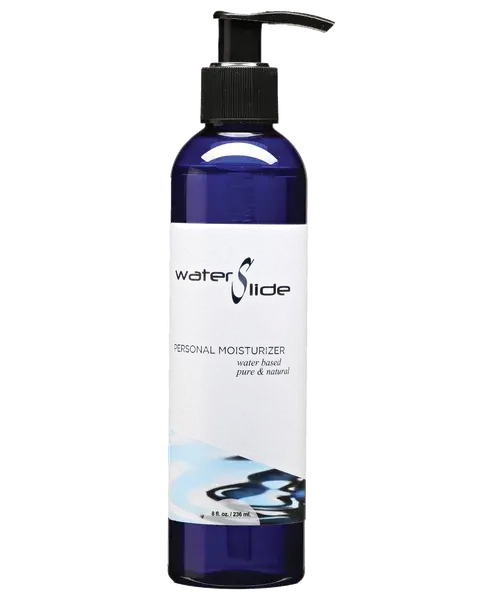
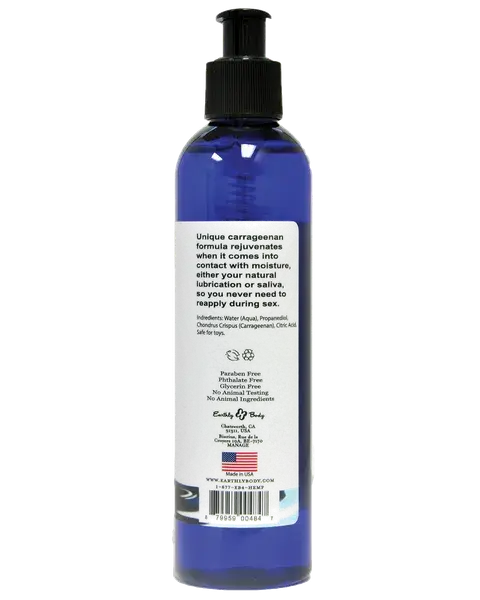
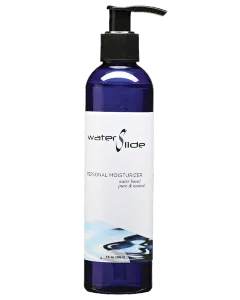
Reach for a thicker water-based formula like Earthly Body Waterslide with Carrageenan. Carrageenan is a thickener derived from seaweed that gives a cushioned, slippery feel. A hybrid is another good middle ground, as long as it passes your patch test.
What lube can you use with glass, metal and hard plastic toys?
Pretty much anything. Glass, stainless steel and ABS plastic are non-porous and don't react with lube bases, which makes them the easiest toys to pair.
This is where silicone lube really shines. It stays slick for ages, so it's a great match for a glass wand or a steel plug when you want glide that doesn't quit. Oil-based lube works with these materials too, and some people love the combo for slow, massage-style play.
The catch with oil isn't the toy, it's everything else involved: condoms, other toys in the mix and your own body's comfort. Keep reading for those.
What lube should you use with TPE, jelly and realistic toys?
Stick to water-based. Many strokers and sleeves, plus a lot of realistic or “skin-like” dildos, are made from TPE or similar porous blends. Oil can cause these materials to break down, and many manufacturers advise against silicone lube as well.
Because water-based lube can dry faster inside a sleeve, choose a thicker formula and keep a little water nearby to revive it mid-session. Porous toys also hold onto residue, so wash and air-dry them thoroughly. Our stroker and sleeve care guide walks you through it.
Which lube is safe to use with condoms?
This one matters for your health, not just your toys. Oil weakens latex and polyisoprene condoms, which can make them more likely to break. Here's how the common condom materials match up:
| Condom material | Water-based | Silicone-based | Oil-based | Hybrid |
|---|---|---|---|---|
| Latex | Yes | Yes | No | Usually yes, check the label |
| Polyisoprene (non-latex) | Yes | Yes | No | Usually yes, check the label |
| Polyurethane | Yes | Yes | Yes | Yes |
| Nitrile (internal condoms) | Yes | Yes | Yes | Yes |
If you share toys with a partner, putting a fresh condom on the toy is an easy safer-sex habit, which means your lube needs to suit the condom too. Planned Parenthood's condom guide is a great refresher, and our safer sex basics covers toys specifically.
Does the type of play change which lube you need?
Yes. Compatibility tells you what's safe; the type of play tells you what will feel best.
Vaginal play
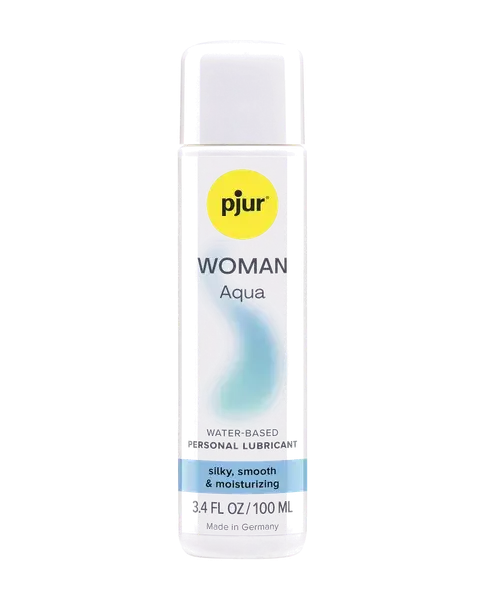
Water-based lube is the gentle all-rounder here. If you're prone to irritation, look for fragrance-free formulas and keep ingredient lists short. Pjur Woman Aqua is a popular smooth, unscented option. Some people find oil-based or heavily scented products irritating, so notice how your body responds. If dryness or discomfort is ongoing, read our guide to vaginal dryness and lubricant and check in with a clinician.
Anal play
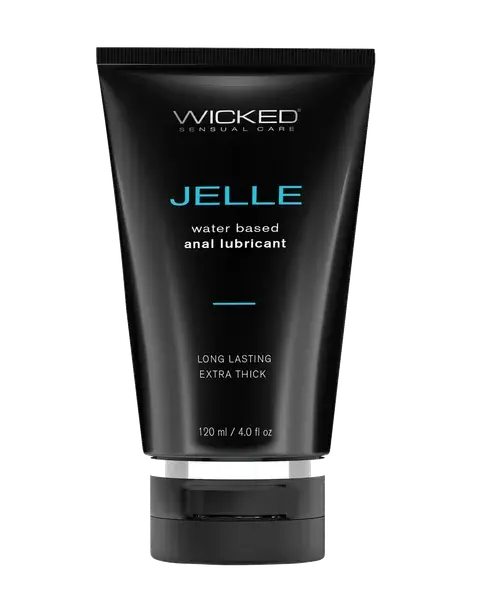
The anus doesn't make its own lubrication, so you want something thicker and longer-lasting, and plenty of it. With silicone anal toys, a thick water-based gel like Wicked Sensual Care Jelle keeps things toy-safe. With glass or metal plugs, silicone lube is a fantastic match. Our roundup of the best lube for anal goes deeper.
Shower and bath play
Water-based lube rinses away quickly under running water, while silicone lube stays put. That makes silicone the favorite for water play, but remember the patch-test rule if your waterproof vibrator is silicone. And go easy: silicone lube on a tub or tile floor is seriously slippery.
Oral play and flavored lube
Flavored lubes such as Swiss Navy 4 in 1 Strawberry Kiwi or Shunga Toko Aroma are typically water-based, so they follow water-based compatibility rules. If you have sensitivities, scan the ingredient list before using any flavored product internally.
Warming and tingling lube
Sensation lubes like Mood Lube Warming and Mood Lube Tingling add a little extra feeling. They're usually water-based, but the sensation ingredients can feel intense on delicate tissue. Try a small amount on your inner arm first, then start small during play.
How do you clean lube off your toys?
Each base cleans up a little differently:
- Water-based: Warm water and mild, unscented soap or toy cleaner. Easy.
- Silicone-based: It can cling, so you may need two rounds of soap and warm water.
- Oil-based: Soap is essential, plus a bit more scrubbing to remove the film.
Always let toys dry completely before storing. Toy cleaner and storage pouches live in Toy Care & Essentials, and our full guide on how to clean sex toys covers every material.
What's the easiest way to find your favorite lube?
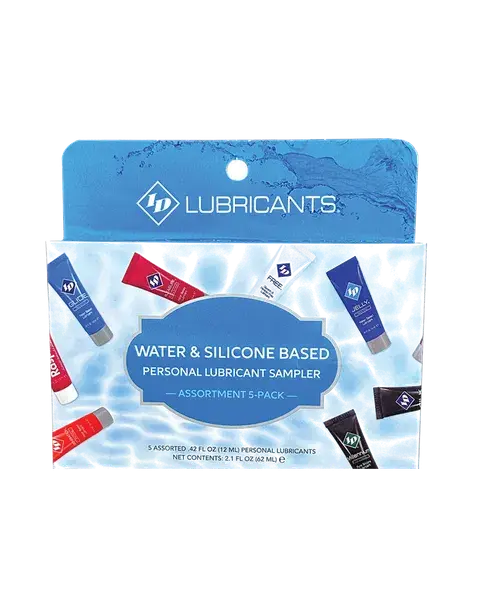
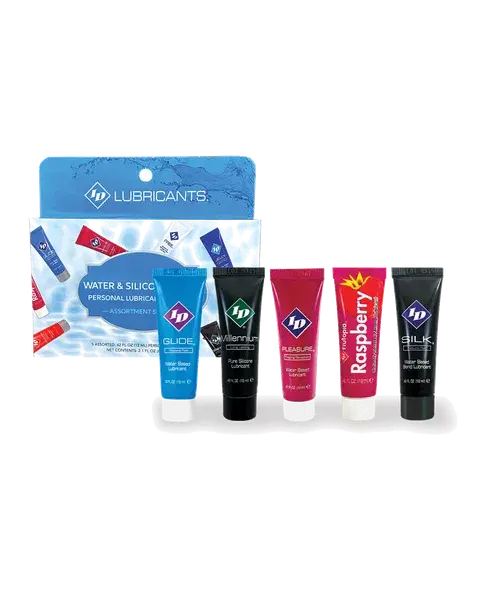
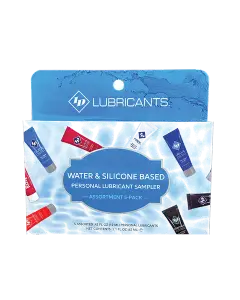
Sample before you stock up. A variety pack like the ID Sampler or Skins Vital Lubes & Fruity Tubes lets you compare textures without committing to a full bottle. Once you've found your match, a big bottle like Fuck Water H2O 16 oz keeps you covered for a good while.
A simple starter kit for most people looks like this: one water-based lube for everyday use with any toy, plus one silicone lube for glass, metal or water play. Add a toy and lube together with Build Your Own Bundle to save.
Rule of thumb: if you can't confirm the toy's material, use water-based lube until you can.
Every order ships in a plain, discreet box with a neutral billing name, shipping is free over $79, and unopened items can be returned within 30 days. You'll also earn rewards points on every order, which makes restocking your favorite lube that little bit sweeter.
Frequently asked questions
Can I use coconut oil as lube with sex toys?
Coconut oil works with glass, metal and hard plastic toys, and many silicone toys tolerate it, though it's harder to wash off. Avoid it with porous materials like TPE, jelly and PVC, and never pair it with latex or polyisoprene condoms because oil weakens them. Some people also find oils irritating vaginally, so pay attention to how your body responds.
What happens if I used the wrong lube on my toy?
Wash the toy right away with warm water and mild soap, then let it dry. If the surface stays sticky, gummy, swollen, cloudy or rough, the material has likely been damaged. A damaged surface is harder to clean properly, so it's usually safest to retire that toy and switch to a compatible lube next time.
Is hybrid lube safe with silicone toys?
Often, yes. Hybrid lubes are mostly water-based with a small amount of silicone, so they're less likely to react than pure silicone lube. Because formulas and toy materials vary, do a quick patch test on a hidden spot of the toy first. If the surface feels normal after washing, you're good to go.
Can I use spit as lube?
Saliva works in a pinch, but it dries quickly and isn't very slippery, so it's not ideal for toy play, especially anal play, which needs plenty of long-lasting glide. Saliva can also pass on some infections. A small travel bottle or single-use foil of water-based lube is an easy, more comfortable upgrade.
Can I use lotion or petroleum jelly as lube?
It's best not to. Lotions often contain fragrances and other ingredients not designed for intimate tissue and can cause irritation. Petroleum jelly is oil-based, so it weakens latex condoms, can damage porous toys and is tough to wash off. A purpose-made personal lubricant is designed for internal use and toy compatibility.
How much lube should I use with a toy?
Start with a small coin-sized amount on the toy, on your body, or both, and add more whenever things feel less smooth. There's no prize for using too little. Anal play and toys with textures usually need more, and water-based lube may need reapplying more often than silicone or hybrid formulas.
Does lube expire?
Yes. Most lubes have an expiry or best-before date printed on the bottle or packaging. Once a lube passes that date, or if it changes color, smell or texture, replace it. Store bottles with the cap closed, away from heat and direct sunlight, to help them last as long as intended.

Browse more lubricants, all shipped in a plain box with discreet billing.