 By Coco 🌴
Key takeaways
- Water-based lube is compatible with every toy material and every condom type, which makes it the best default bottle to own.
- Silicone lube outlasts water-based formulas and holds up in the shower, but spot test it before using it on silicone toys.
- Oil-based lube weakens latex condoms, so save it for condom-free play with partners you're fluid-bonded with, or for massage.
- Hybrid lubes blend water with a little silicone or oil for a creamy, longer-lasting feel, so always check the label for toy and condom guidance.
- If you have sensitive skin, look for short ingredient lists and skip glycerin, parabens, fragrance, and warming or numbing additives until you've patch tested.
Water-based lube is the safest all-rounder: it works with every toy and condom and rinses away easily, but needs reapplying. Silicone lube lasts much longer and stays slick in water, and it's latex-safe, but it can damage some silicone toys and takes soap to wash off. Many people keep one of each.
Here's a secret the bedroom-upgrade industry doesn't shout about: the most transformative thing you can buy usually costs less than a nice dinner. A good bottle of lube makes sex, solo play and toy time more comfortable, more relaxed and, frankly, more fun. Needing lube isn't a sign that something's wrong with you. Bodies vary, arousal varies, and friction is nobody's friend.
The tricky part is choosing. Walk into any shop (or scroll our lubricants collection) and you'll meet water-based, silicone-based, hybrid, oil-based, flavored, warming, cooling and more. This guide breaks down what each type actually does, who it suits, and the few compatibility rules that genuinely matter.
What's the actual difference between water-based and silicone lube?
Every lubricant has a base: the main ingredient that creates the slippery feel. That base decides almost everything else, including how long it lasts, what it's safe with and how you clean it up.
Water-based lube
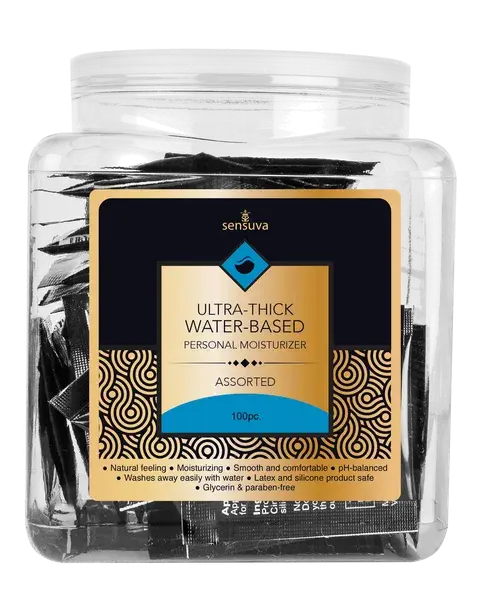
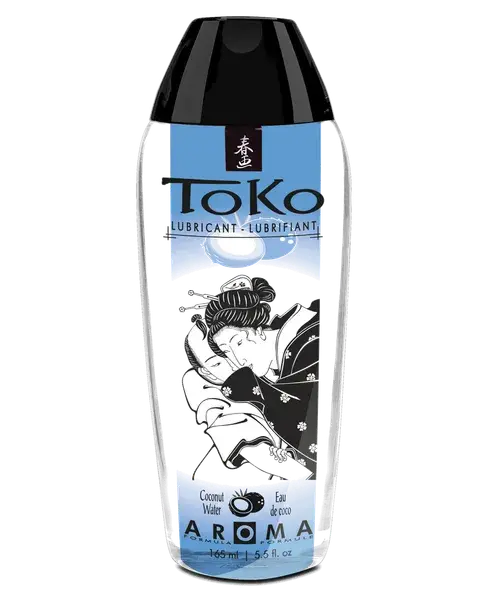
Water-based lubes use water as the main ingredient, usually thickened with plant-derived gums or cellulose. They feel the most like natural wetness, they're easy to wash off skin and sheets, and they play nicely with every toy material and condom. The trade-off is that water evaporates and absorbs into skin, so you'll reapply more often.
Silicone-based lube
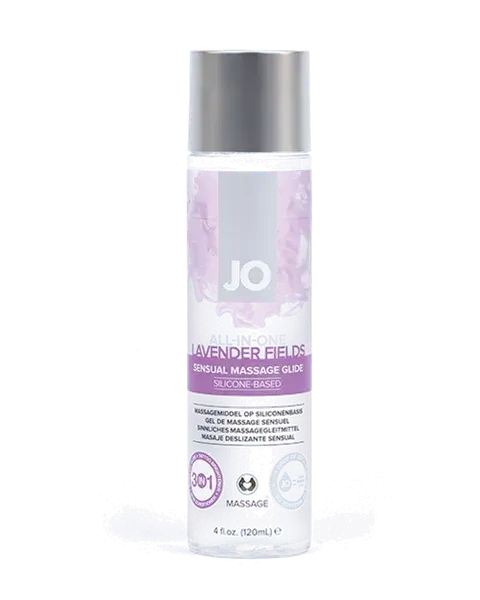
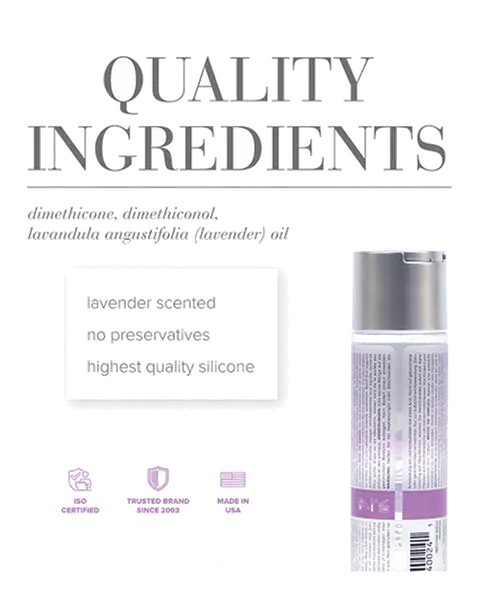
Silicone lubes are made from medical-grade silicone fluids (often listed as dimethicone or cyclomethicone). They don't absorb into skin or evaporate, so a little goes a very long way. They feel silky rather than wet, and they don't rinse away in water, which makes them a favorite for shower play. You'll need soap and warm water to remove them.
Hybrid and oil-based lube
A hybrid lube is mostly water with a smaller amount of silicone or oil blended in, giving a creamy texture that lasts longer than pure water-based formulas. Oil-based lubes use plant oils, mineral oil or butters. They're long-lasting and lovely for massage, but they break down latex.
Water vs. silicone vs. hybrid vs. oil: how do they compare?
| Type | Feel | How long it lasts | Safe with silicone toys? | Safe with latex condoms? | Cleanup | Best for |
|---|---|---|---|---|---|---|
| Water-based | Natural, wet, light | Shortest; reapply or add water | Yes | Yes | Rinses off with water | Everyday use, toys, condoms, sensitive skin |
| Silicone-based | Silky, slick, cushiony | Longest | Spot test first | Yes | Soap and warm water | Shower play, long sessions, anal play |
| Hybrid | Creamy, smooth | Medium to long | Usually; check the label | Depends on the blend; check the label | Mostly water-soluble | People who want water-based ease with more staying power |
| Oil-based | Rich, thick | Long | Generally yes | No: weakens latex | Soap; can stain fabric | Massage, condom-free play |
If you only remember one row, make it the first. When in doubt, water-based is the choice that won't clash with anything in your bedside drawer. For a deeper dive into materials, see What Does “Body-Safe” Actually Mean?
When is water-based lube the better choice?
Water-based lube is the reliable friend you can bring anywhere. Reach for it when:
- You're using toys, especially silicone ones like most vibrators and dildos.
- You're using condoms or dental dams of any material: latex, polyisoprene, polyurethane or nitrile.
- You want easy cleanup with no slick residue on sheets or skin.
- You're new to lube and want something that feels close to natural.
- You have sensitive skin and want simple, gentle formulas.
Water-based lubes worth trying
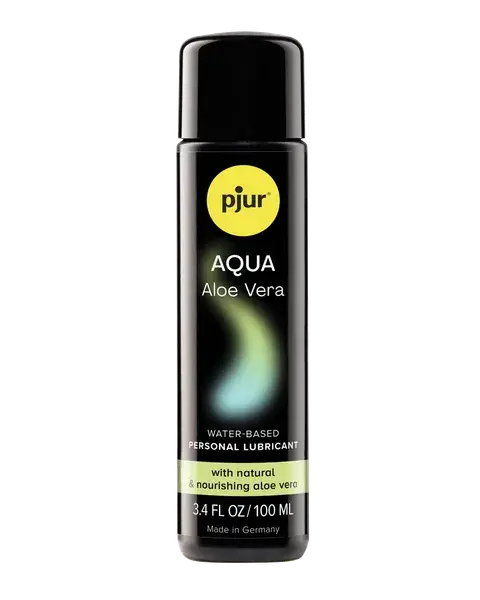
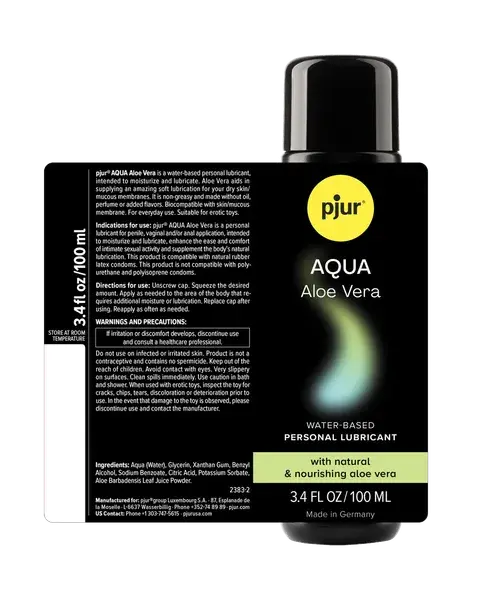
For a no-fuss everyday bottle, After Dark Essentials Water Based Personal Lubricant is a solid starting point, and the 2 oz size is handy if you want to try before committing. If you like a botanical touch, Pjur Aqua Aloe Vera adds aloe to a classic water-based glide. Wicked Simply Aqua is another clean, straightforward pick.
Go through lube quickly? Buy big. The Mood Lube 16 oz bottle or an 8 oz water-based glide from Fuck Sauce will keep you stocked for a long while. Prefer a thicker texture? A jelly-style lube like Swiss Navy Slip'N Slide stays put better than thin, runny formulas.
The quick fix for drying out
Water-based lube getting tacky? You don't always need more lube. A few drops of water (or a little saliva) will often reactivate what's already there.
When is silicone lube worth it?
Silicone lube earns its place when staying power matters more than anything else. It shines for:
- Shower and bath play, because water won't wash it away.
- Long sessions where constant reapplying breaks the mood.
- Anal play, since the anus doesn't self-lubricate and needs a glide that lasts.
- Hand play and sensual massage, where a few drops cover a lot of skin.
A couple of honest caveats. Silicone lube is very slippery on tiles and tub floors, so wipe up spills and consider a bath mat. It can also leave marks on some fabrics, so keep a towel nearby. And it's the one type that needs a little caution around silicone toys, which brings us to the question everyone asks.
Can you use silicone lube with silicone toys?
Sometimes. The concern is that silicone lube can react with the surface of some silicone toys, leaving them gummy, tacky or pitted over time. High-quality, fully cured, platinum-cured silicone is much less likely to react, but lower-grade silicone or silicone blends can.
How to do a spot test
- Put a small dab of silicone lube on an inconspicuous spot, like the base of the toy.
- Leave it for at least a few hours (overnight is better).
- Wash it off with warm water and mild soap.
- Check the spot. If it feels sticky, soft or looks different, stick to water-based with that toy.
Also check the manufacturer's guidance: many toy brands state which lube type they recommend. If you'd rather skip the guesswork altogether, use water-based with silicone toys and keep silicone lube for skin-on-skin play and non-silicone toys like glass or stainless steel. Our guide on how to choose your first vibrator covers toy materials in more detail.
Are hybrid lubes the best of both worlds?
For many people, yes. Hybrids feel creamier and last noticeably longer than water-based lube, yet they still clean up mostly with water. They're a great middle ground if water-based dries too fast for you but silicone feels too slick.
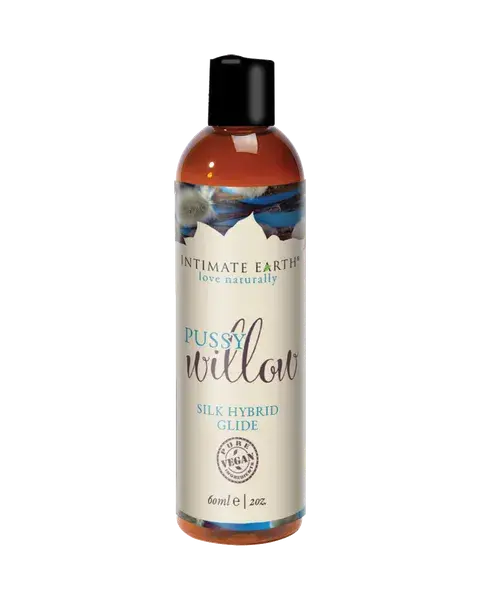
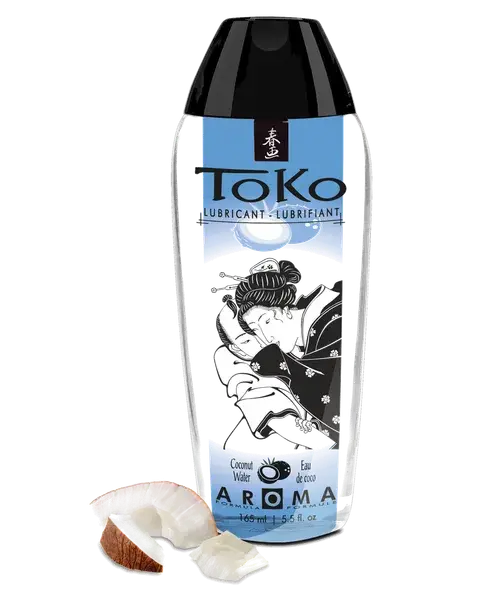
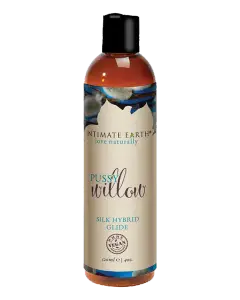
Intimate Earth Pussy Willow Silk Hybrid Glide is a silky option that comes in 60 ml and 240 ml sizes too. Intimate Enhancements Hybrid Lubricant blends water with coconut. Because some hybrids contain oil, always read the label for condom and toy compatibility before you combine them.
Which lube is best for anal play?
Anal play calls for a thicker, longer-lasting lube, and plenty of it. Thin, watery formulas absorb quickly, which can lead to friction and discomfort. Good options include a thick water-based gel, a silicone lube or a dedicated anal hybrid.
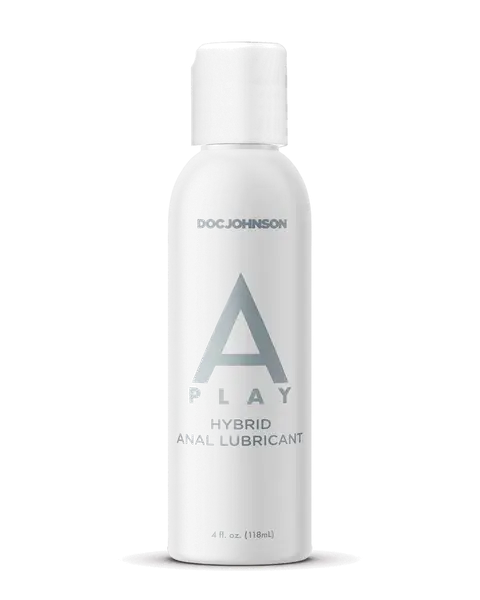
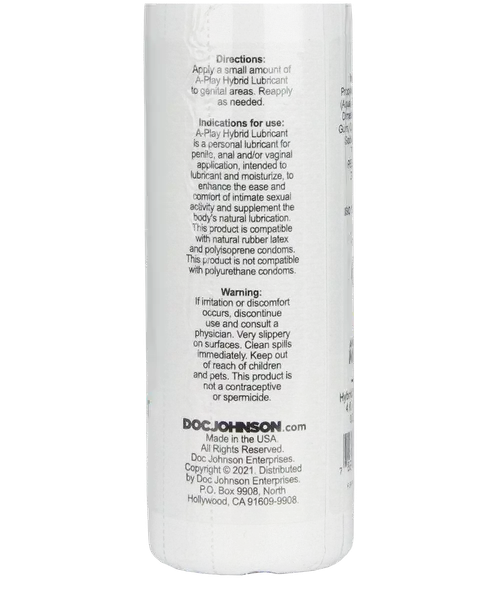
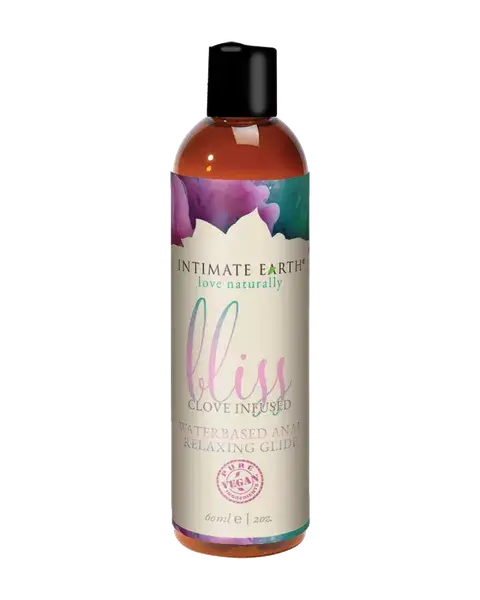
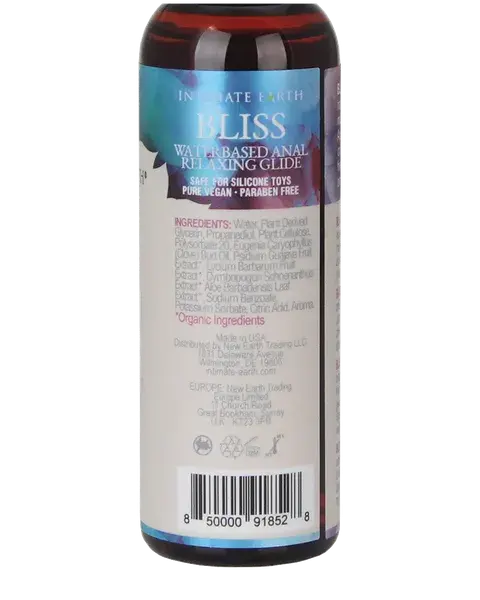
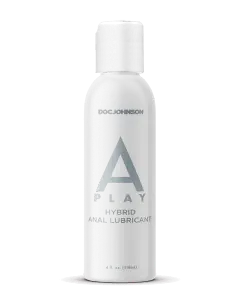
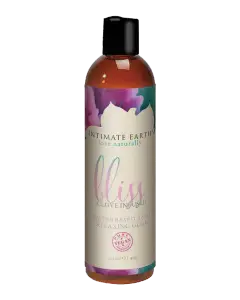
Intimate Earth Bliss Anal Relaxing Glide is a water-based formula designed for anal play, and A-Play Hybrid Anal Lubricant offers more cushion with water-based convenience. If you're not using condoms, the A-Play Extra Thick Anal Glide is oil-based, so keep it away from latex.
One firm rule: avoid numbing lubes for anal play. Pain is your body's signal to slow down, and dulling it raises the risk of injury. Relaxation, patience and lots of lube do the job far better. Browse our anal toys for beginner-friendly shapes with flared bases.
Is oil-based lube ever a good idea?
Oil has its moments. It's rich, long-lasting and doubles beautifully as a massage glide. But there are two important cautions:
- Oil weakens latex, which can cause condoms and dams to break. If you rely on latex for STI or pregnancy protection, skip oil completely. Polyurethane and nitrile condoms are generally oil-compatible, so check the packet.
- Some people find oil irritating internally, particularly those prone to vaginal infections. If that's you, keep oils external.
For massage, our massage and candles collection has oils made for skin, like Earthly Body Massage & Body Oil. Keep massage oils for massage, and switch to a proper lube when things move below the waist. For more on safer sex basics, Planned Parenthood is a trustworthy resource.
What about flavored, warming and cooling lubes?
These are the fun extras of the lube world, usually built on a water base.
Flavored lube
Flavored lubes are made with oral play in mind. Try a single flavor like watermelon or strawberry, grab the variety 4 pack to find your favorite, or go dessert-mode with Swiss Navy Salted Caramel Delight. Some flavored formulas contain sweeteners or glycerin, so if you're prone to irritation, use them externally.
Warming and cooling lube
After Dark Essentials Sizzle brings a warming sensation, while After Dark Essentials Chill offers a cool tingle. Sensations vary a lot between people, so patch test on your inner arm first, then try a small amount externally before going further.
What should you avoid if you have sensitive skin?
If lube has ever left you itchy, stinging or uncomfortable, the ingredient list is the first place to look. Common culprits include:
- Glycerin: a sweet-tasting humectant (an ingredient that draws in moisture). Some people prone to yeast infections find glycerin-free lubes more comfortable.
- Parabens: preservatives some people prefer to avoid.
- Fragrance and flavorings: a frequent source of irritation.
- Warming, cooling or tingling agents: wonderful for some, too much for others.
- Numbing agents like benzocaine or lidocaine, which can mask pain.
You may also see brands mention pH (how acidic or alkaline a product is; the vagina is naturally mildly acidic) and osmolality (how concentrated a formula is compared to your body's cells). Lubes closer to your body's natural balance tend to be gentler. If irritation persists, or you're experiencing ongoing dryness, pain during sex or symptoms of infection, check in with a clinician. The NHS has helpful overviews of vaginal health too. If you're trying to conceive, ask your clinician about fertility-friendly lubes, as some formulas may not be ideal.
How much lube should you use, and how do you clean up?
More than you think. Start with a coin-sized amount, warm it between your fingers, and add more whenever things feel less than smooth. There's no prize for using less.
Cleanup depends on the base. Water-based lube rinses off with water. Silicone and oil need warm water and a mild soap. For your intimate skin, a gentle external wash like EXSENS Intimate Balance Cleansing Gel works well. For toys, follow our guide on how to clean sex toys and store them, and stock up on cleaners in Toy Care & Essentials.
How do you build a lube collection that covers everything?
You don't need a whole shelf, but two or three bottles cover nearly every situation:
- An everyday water-based lube for toys, condoms and solo time.
- A long-lasting option, either silicone or hybrid, for the shower, anal play or marathon sessions.
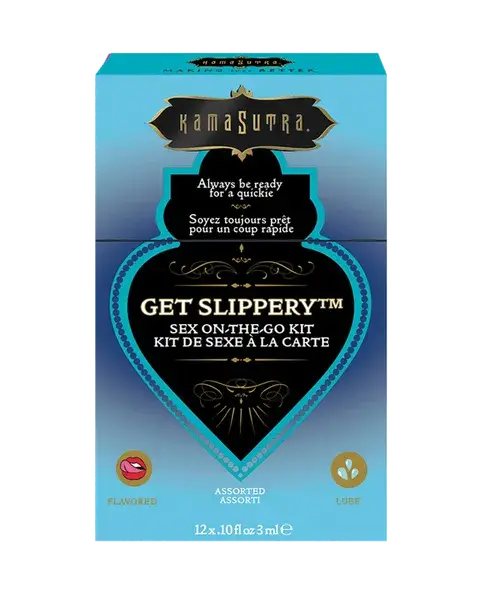
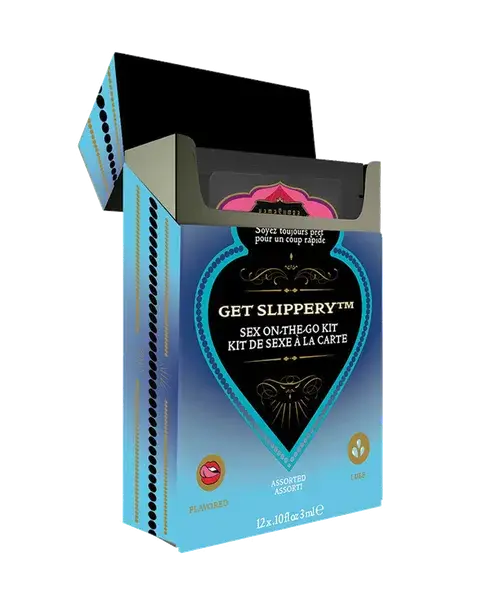
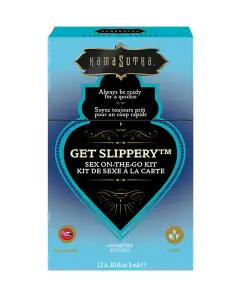
- A travel pick, like the Kama Sutra Get Wet Sex to Go Kit, for weekends away.
- Something playful, like a flavored or warming lube, if you and a partner enjoy experimenting. Our tips on how to suggest a toy to your partner work for lube too, and our couples collection has more ideas.
Every order ships in a plain, discreet box with a neutral billing name, shipping is free on every order, and you'll earn rewards points on every bottle. Unopened items can be returned within 30 days, so if you're torn between two, it's easy to stock up and settle on your favorite.
The best lube is the one that feels good on your body and works with what you're using. Start with water-based, add a long-lasting bottle, and let your preferences guide the rest.
Frequently asked questions
Is water-based or silicone lube better?
Neither is better overall; they suit different moments. Water-based lube is the most versatile because it's safe with every toy and condom and washes off easily. Silicone lube lasts much longer and works in water, making it great for the shower and anal play. Many people keep a water-based bottle for everyday use and a silicone or hybrid lube for when they need extra staying power.
Can I use silicone lube with condoms?
Yes. Silicone lube is safe with latex, polyisoprene, polyurethane and nitrile condoms, so it's a good long-lasting option for safer sex. The type to avoid with latex is oil-based lube, which can weaken the material and make breakage more likely. If you use a hybrid that contains oil, check the label for condom compatibility before using the two together.
Why does silicone lube ruin some silicone toys?
Silicone lube can react with the surface of some silicone toys, especially lower-grade or blended silicone, leaving them sticky, soft or pitted. High-quality platinum-cured silicone is less likely to react. To be safe, spot test a small dab on the base of the toy overnight, then wash and check it. If anything changes, stick to water-based lube with that toy.
Why does my water-based lube get sticky?
Water-based lube gets tacky as its water evaporates or absorbs into your skin, leaving the thickeners behind. You can often revive it with a few drops of water or a little saliva rather than adding more lube. If it happens constantly, try a thicker gel or a hybrid formula, which tends to stay slippery longer while remaining easy to clean up.
Can I use coconut oil as lube?
Some people do, but there are caveats. Coconut oil breaks down latex condoms and dams, so it's not suitable if you rely on latex for protection. It can also stain sheets, and some people prone to vaginal infections find oils irritating internally. If you're curious, a purpose-made hybrid with coconut gives a similar feel; just read its label for condom and toy guidance.
What lube is best for sensitive skin?
Look for a simple water-based or hybrid formula with a short ingredient list and no fragrance, flavor, warming or numbing agents. Some people also prefer glycerin-free and paraben-free options. Patch test any new lube on your inner arm before intimate use. If irritation, burning or dryness continues, speak with a clinician, since it may have a cause beyond the lube itself.

Browse more lubricants, all shipped in a plain box with discreet billing.