 By Coco 🌴
Key takeaways
- “Body-safe” isn't a legally regulated term for sex toys, so the material listed on the product matters more than the label.
- Non-porous materials like 100% silicone, borosilicate glass, stainless steel and ABS plastic can be fully cleaned and are the safest everyday choices.
- Porous materials like TPE, TPR and jelly rubber can trap bacteria, so use them with a condom, keep them to one user and replace them sooner.
- Body-safe also applies to lube, cleansers and wipes: check ingredients, keep oils away from latex condoms and patch-test silicone lube on silicone toys.
- Good cleaning, separate storage and a quick inspection before each use keep even the best materials safe over time.
“Body-safe” means a product is made from materials that won't harbor bacteria, leach chemicals or break down against your skin. For sex toys, that usually means non-porous materials like 100% silicone, borosilicate glass, stainless steel or ABS plastic. It isn't a legally regulated term, so check the actual material listed rather than trusting the label alone.
Flip through almost any sex toy listing and you'll see it: “body-safe,” usually tucked beside a cheerful promise like “premium” or “luxe.” It sounds reassuring. But a label is only as good as what's behind it, and when a product touches the most sensitive skin you have, it pays to know the difference between a real material standard and a marketing flourish.
This guide breaks down what the phrase should mean, which materials earn it, which ones need extra care, and how to shop, clean and store with confidence.
Is “body-safe” a regulated term?
Short version: not really. In many markets, including the US, there's no single legal standard a sex toy has to meet before a brand can call it body-safe. Toys have long been sold as “novelties,” which has let some manufacturers skip material disclosure altogether.
That doesn't make the phrase meaningless. Among sex educators and reputable brands, it has a fairly settled meaning. It just means you are the quality control. Learn the criteria, and the label becomes something you can verify instead of something you have to take on faith.
What makes a material body-safe?
When people who know their stuff use the term, they're pointing to a handful of qualities:
- Non-porous. A porous material has tiny openings in its surface, too small to see, where moisture, lube and bacteria can settle in. A non-porous material has a sealed surface that soap and water can clean completely.
- Free of concerning additives. Especially phthalates (more on those below) and other softeners that can migrate out of a material over time.
- Chemically stable. It shouldn't turn sticky, cloudy, oily or smelly as it ages. Those are signs a material is breaking down.
- Easy to clean properly. If the only care advice is “wipe gently,” ask why.
- Safely designed. Material is only half the story. Anything meant for anal play needs a flared base or a sturdy handle, and rough seams can irritate delicate tissue.
A toy that ticks all five is about as worry-free as it gets. Miss the first two and you're in “use with care” territory.
Which sex toy materials are body-safe?
Here's how the most common materials stack up. Keep it handy when you're browsing vibrators, dildos or anal toys.
| Material | Porous? | Cleaning | Lube notes | Verdict |
|---|---|---|---|---|
| 100% silicone | No | Warm water and mild unscented soap or toy cleaner; some solid, non-motorized pieces can be boiled (check the brand) | Water-based is the safe default; patch-test silicone lube | Gold standard |
| Borosilicate glass | No | Soap and water; follow the maker's guidance on heat | Any type | Body-safe |
| Stainless steel | No | Soap and water | Any type | Body-safe |
| ABS (hard) plastic | No | Soap and water; keep motors and ports dry as directed | Any type | Body-safe |
| Sealed wood | No, while the seal is intact | Gentle soap and water; never soak | Water-based | Body-safe if finish is undamaged |
| TPE / TPR | Yes | Soap and water, then dry thoroughly | Water-based only | Use with care |
| Jelly rubber / PVC | Yes | Very hard to clean fully | Water-based | Best avoided |
The gold standard: 100% silicone
Silicone is smooth, slightly velvety, flexible and non-porous. It holds up for years with basic care and doesn't absorb smells. You'll sometimes see “medical-grade” or “platinum-cured” on listings. Both are good signs, but they aren't policed consistently either, so treat them as nice extras rather than proof.
Glass and stainless steel: firm, sleek and low-maintenance
Borosilicate glass (the heat-resistant kind used in some kitchenware) and stainless steel are non-porous and pleasingly weighty. Both can be gently warmed or cooled in water for temperature play; always test on your wrist first. Retire any glass toy with a chip or crack, no matter how small.
ABS plastic: the unsung workhorse
Hard plastic doesn't get much glamour, but it's non-porous and common in bullets, wand heads and toy casings. It's a solid budget-friendly choice when you don't need squish.
TPE, TPR and jelly: the porous crowd
TPE (thermoplastic elastomer) and TPR (thermoplastic rubber) are soft, stretchy and affordable, which is why they show up in a lot of realistic-feel toys and sleeves. They aren't automatically toxic, but they're porous, so they can't be fully sanitized. Jelly rubber is a step further down: it's often PVC softened with additives, tends to have a strong “new shower curtain” smell and can feel greasy over time.
Toys that stay in longer deserve extra scrutiny
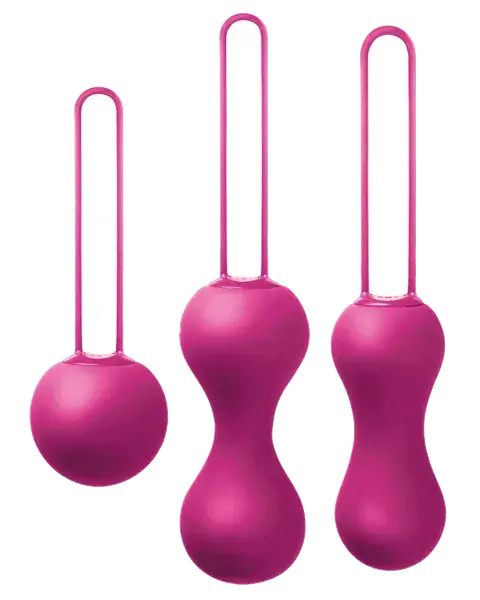
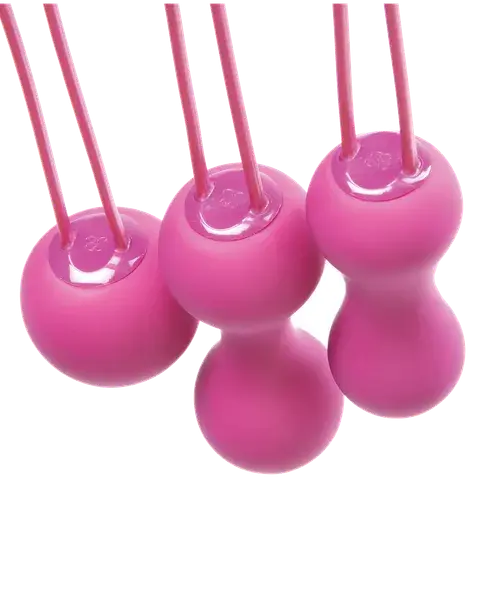
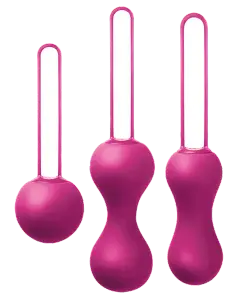
Anything you wear internally for a while, like pelvic-floor trainers such as the Je Joue Ami Progressive Pelvic Weights or the Rechargeable Kegel Teaser, is exactly where you want to confirm the material and the removal design on the listing before you buy. If you have pelvic pain or a known pelvic-floor issue, check with a clinician or pelvic floor physiotherapist before starting a routine.
What are phthalates, and should you worry?
Phthalates are chemical plasticizers used to make hard plastics like PVC soft and bendy. Some phthalates are restricted in children's toys in the US and EU because of health concerns, which is reason enough for many people to keep them away from intimate tissue.
Here's the catch: “phthalate-free” doesn't automatically mean body-safe. A phthalate-free TPE toy is still porous. Think of phthalate-free as the minimum bar, not the finish line.
How can you tell if a toy is really silicone?
Since labels can be fuzzy, look for these red flags:
- Hedge words. “Silicone blend,” “silicone-like,” “skin-safe rubber” or “elastomer” with no further detail.
- No material listed at all. Reputable brands name their materials clearly and proudly.
- “For novelty use only.” That phrase is often there to sidestep responsibility for what goes in or on your body.
- A strong chemical smell. Pure silicone is basically odorless.
- An oily or tacky surface. Real silicone feels smooth and dry, even a little powdery.
- A price that seems too good. Silicone costs more to produce. A rock-bottom price on a “silicone” toy deserves a second look.
None of these is proof on its own, but two or three together are a strong hint to keep scrolling. If you're shopping for your very first toy, our guide on how to choose your first vibrator walks through materials alongside shape and power.
Can you make a porous toy safer?
Yes. If you already own a TPE or jelly favorite, you don't have to bin it today. Just give it some extra boundaries:
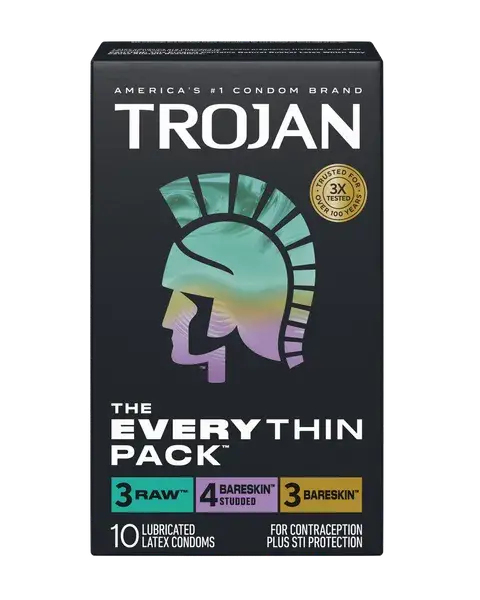
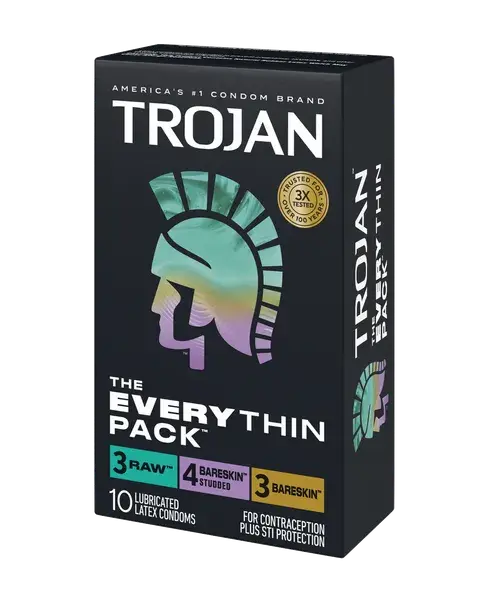
- Cover it with a condom. A fresh condom creates a non-porous barrier. Something thin like the Trojan BareSkin EveryTHIN Variety Pack keeps sensation high, and a small Trojan BareSkin Raw 3-pack fits easily in a toy bag. If anyone involved has a latex allergy, check the material and choose a non-latex option.
- Change condoms between partners and between anal and vaginal play. Every time, no exceptions.
- Keep it to one user. Porous toys are best treated like a toothbrush.
- Stick to water-based lube. It's gentle on soft materials.
- Replace it sooner. If it turns sticky, discolored, cloudy or smelly, it's time.
Does “body-safe” apply to lube, cleansers and wipes?
Absolutely. For anything you put on your body, body-safe is about ingredients and how they interact with your skin, your toys and your condoms.
Lube
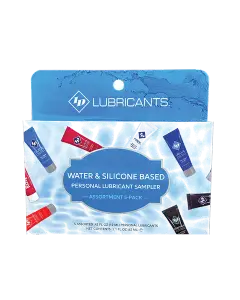
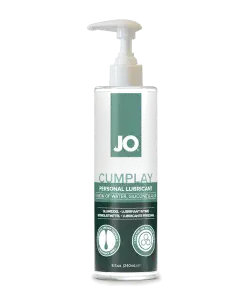
Water-based lube works with every toy material and every condom, which makes it the easiest default. Silicone lube is long-lasting and silky but can degrade some silicone toys, so do a small patch test on the base first. Oil-based products weaken latex condoms. Our guide to water vs. silicone lube goes deeper, or browse our lubricants by base.
Massage oils are a lovely part of foreplay, and something like Earthly Body Massage & Body Oil is made for backs and shoulders. Just keep oils away from latex condoms and internal use. You'll find more ideas in Massage & Candles.
Cleansers and wipes
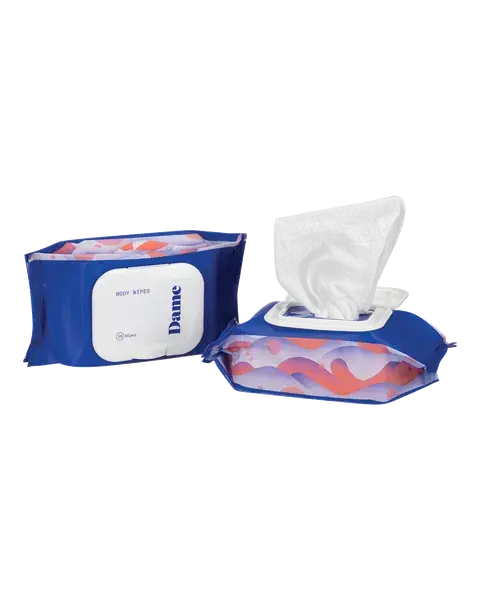
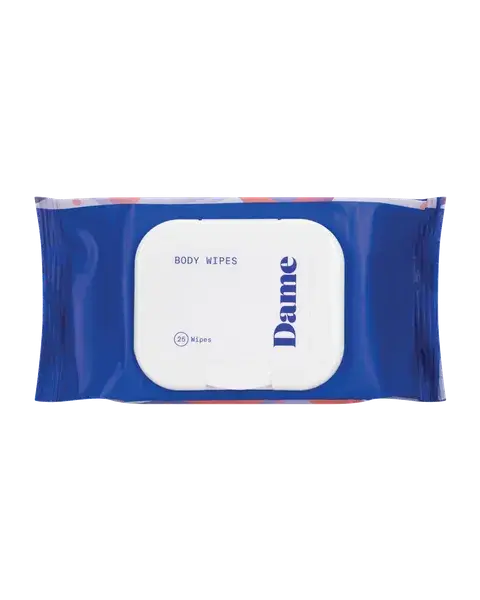
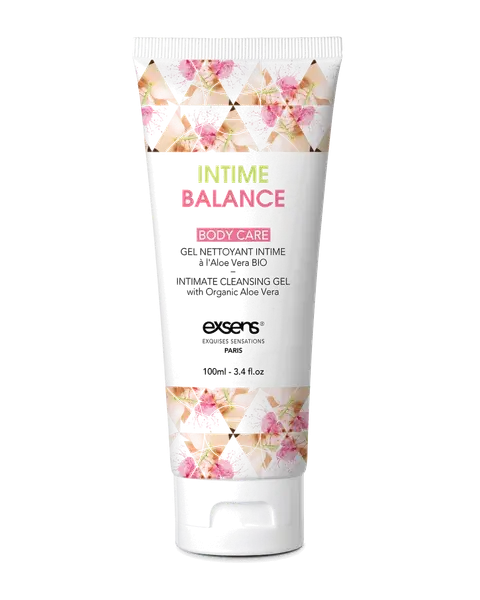
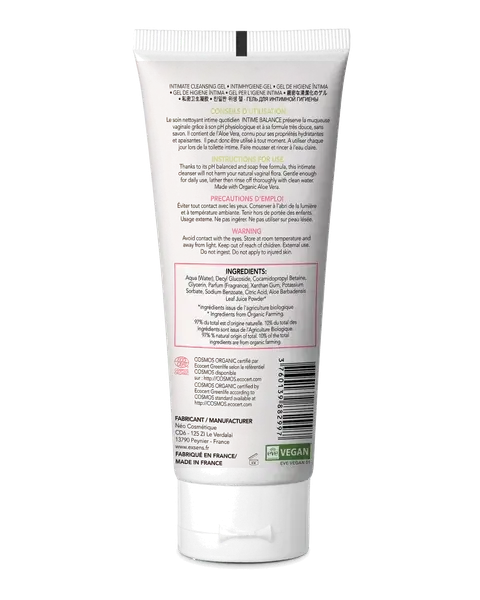
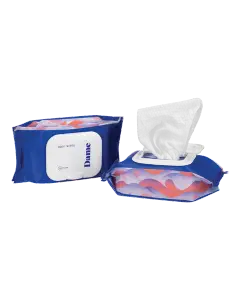
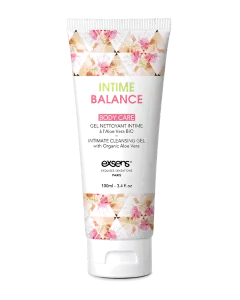
The vagina is self-cleaning, so there's no need to wash inside it, and douching isn't recommended. For the external vulva, warm water or a gentle product made for intimate skin is plenty. The Exsens Intime Intimate Balance Cleansing Gel is designed for external use. For quick after-play freshening, keep Dame Body Wipes or Clean AF Personal Cleansing Body Wipes on the nightstand. Remember these are for bodies; toys still need a proper wash.
If you have sensitive skin, fragrance is the usual suspect behind irritation. Patch-test anything new on your inner arm first.
Numbing and “enhancement” products
Desensitizing gels and sprays dull sensation, and that includes pain, which is your body's way of telling you to slow down. That matters most for anal play. Go slow, use plenty of lube, and if something hurts, stop rather than numb it.
How do cleaning and storage keep a toy body-safe?
Even the best material can become a problem if it's put away damp or tossed in a drawer with everything else. Our step-by-step guide to cleaning and storing sex toys covers the details, but the essentials are simple:
- Wash before and after every use with warm water and mild, unscented soap or a dedicated toy cleaner.
- Dry completely before storing. Trapped moisture is where trouble starts.
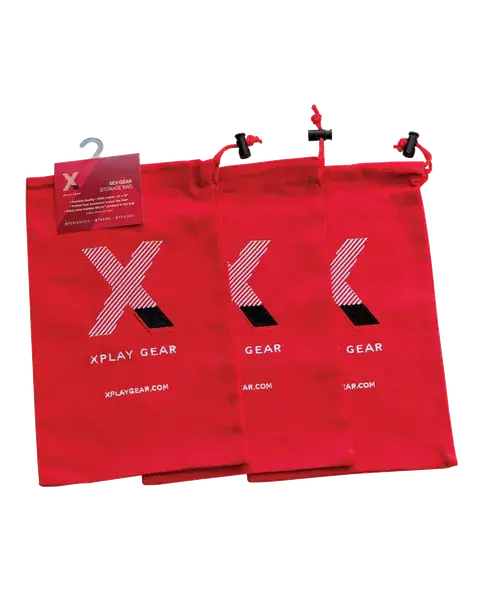
- Store toys separately. Some soft materials can react when pressed against each other. Individual pouches like the Xplay Gear Ultra Soft Cotton Gear Bags keep each toy dust-free and apart.
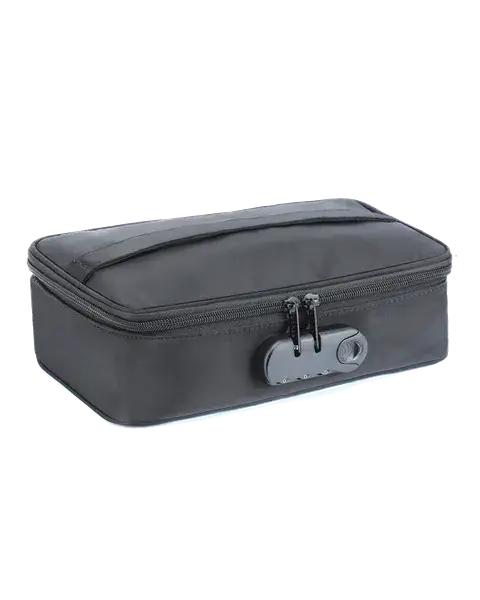
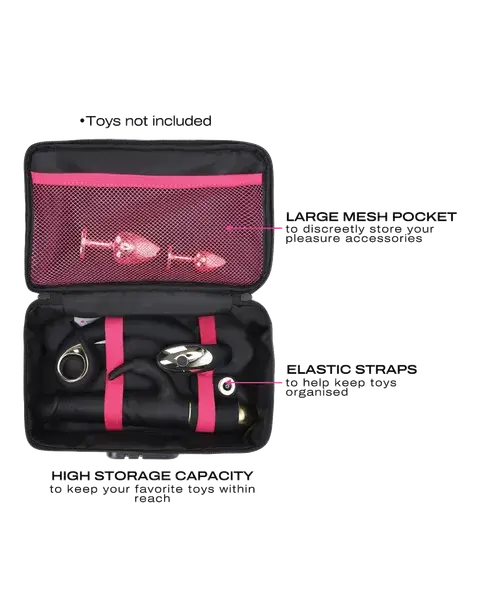
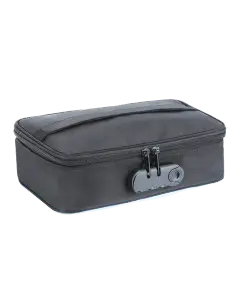
- Keep them private and protected. A Dorcel Lockable Discreet Box keeps your collection clean, organized and away from curious hands.
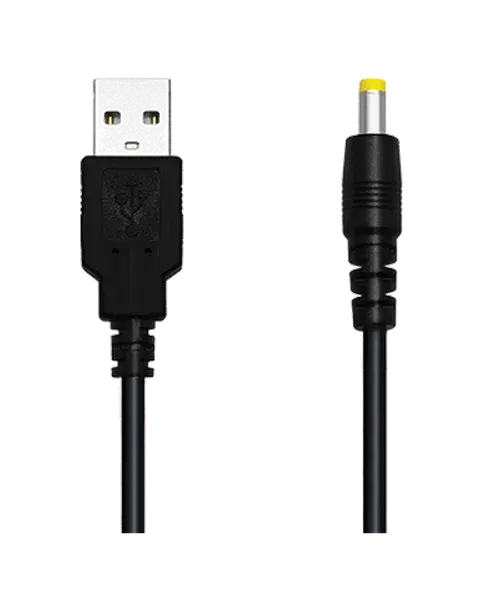
- Look after the electronics. Inspect charging ports and cables, and replace frayed or lost ones with the correct part, such as the Lovense Charging Cable for the Domi 2, rather than forcing a mismatched charger.
You'll find storage, cleaning and protection basics together in Toy Care & Essentials.
What's a quick body-safe shopping checklist?
- Is the material named specifically, not just “rubber” or “blend”?
- Is it non-porous (silicone, glass, steel, ABS or sealed wood)?
- If it's soft and cheap, is it honest about being TPE or TPR?
- Does it list clear cleaning and lube-compatibility instructions?
- For anal use, does it have a flared base or handle?
- For lubes and cleansers, can you read the full ingredient list?
Six yeses? You're in great shape.
When should you talk to a clinician?
Stop using a product and check in with a healthcare provider if you notice itching, burning, a rash, unusual discharge or pain after using a toy, lube or cleanser. Those can point to irritation, an allergy or an infection that deserves a proper look. Planned Parenthood and Cleveland Clinic are good places to start reading, but they're no substitute for an appointment.
The bottom line
“Body-safe” is a promise, and you're allowed to ask a brand to back it up. Look past the label to the material, favor non-porous options for anything you'll use often, and give porous favorites the extra care they need.
When you're ready to shop, every YourFemme order ships in a plain box with a neutral billing name, shipping is free on every order, and you earn rewards points as you go. Unopened items can be returned within 30 days, so if a listing leaves you unsure about materials, it's worth checking before you break the seal.
Frequently asked questions
Is TPE a body-safe material?
TPE isn't automatically toxic, but it is porous, which means it can hold onto bacteria even after washing. That puts it in the “use with care” category rather than the gold standard. Keep TPE toys to one user, cover them with a condom when you can, stick to water-based lube, and replace them once they turn sticky, cloudy or smelly.
Can you boil silicone sex toys?
Some solid, non-motorized 100% silicone, glass and stainless steel toys can be boiled for a few minutes, but never boil anything with a motor, battery or charging port. Always check the manufacturer's instructions first. For everyday cleaning, warm water and mild unscented soap or a dedicated toy cleaner is all most toys need.
Does phthalate-free mean a toy is body-safe?
Not on its own. Phthalate-free means the toy doesn't contain those particular plastic softeners, which is a good start. But a phthalate-free toy made from TPE or jelly is still porous and can't be fully sanitized. Look for a non-porous material like 100% silicone, glass, stainless steel or ABS plastic if you want the full body-safe picture.
Can I use silicone lube with silicone toys?
Sometimes. Silicone lube can degrade certain silicone toys, making the surface tacky or uneven over time. Many people use them together without trouble, but the safest approach is to patch-test a small dab on the base of the toy and check it after a day. When in doubt, water-based lube is compatible with every toy material.
How often should I replace a sex toy?
Non-porous toys made from silicone, glass, steel or ABS plastic can last for years with good care. Replace any toy that becomes cracked, chipped, sticky, discolored or smelly, or one whose charging port or casing is damaged. Porous toys like TPE and jelly need replacing more often, since they wear down faster and can't be fully cleaned.
Is “medical-grade silicone” better than regular silicone?
It can signal a higher-quality material, but the term isn't applied consistently across the sex toy industry, so it isn't a guarantee. What matters most is that the toy is 100% silicone rather than a “blend,” comes from a brand that's transparent about materials, and feels smooth, odorless and non-tacky. Treat “medical-grade” as a bonus, not proof.
More Product Safety & Materials questions in the Help Center

Browse more toy care & essentials, all shipped in a plain box with discreet billing.