 By Coco 🌴
Key takeaways
- Water-based lube is the safest default because it works with every toy material and every condom type.
- Match lube to your toy's material: patch-test silicone lube on silicone toys, and use only water-based lube on TPE and jelly toys.
- Use more lube than you think you need for anal play, strokers and condoms, and top up at the first sign of drag.
- Oil-based lube can weaken latex condoms, so save it for condom-free play or for polyurethane or nitrile condoms.
- If a lube stings, itches or burns, stop, rinse with water, and switch to a simpler, fragrance-free formula.
Start with a coin-sized amount on your hand or toy, warm it briefly, and apply it to both the toy and your body before play. Reapply whenever things feel draggy. Water-based lube works with every toy and condom; save silicone for glass, metal and hard plastic toys, and skip oil with latex condoms.
Lube might be the most underrated thing in your nightstand. It costs less than almost any toy and makes nearly everything feel better. Even so, plenty of people skip it, use a stingy drop, or grab whatever bottle is closest.
Maybe a toy has felt “grabby,” a condom has felt draggy, or a session ended early because things got uncomfortable. The fix is often just better lube habits.
This guide covers the practical side: how much to use, when to put it on and top it up, and how to match lube to the material your toy is made from. For a deeper look at formulas, our water vs. silicone lube guide has you covered.
Why use lube if your body makes its own lubrication?
Needing lube doesn't mean something is wrong. Natural lubrication changes with hormones, stress, hydration, medications, your cycle, and how long you've been playing. Some parts of the body, including the anus, don't make their own lubrication at all.
Here's what lube does for you:
- Cuts friction, so skin, toys and condoms glide instead of tug.
- Makes toys feel better. Smooth silicone and glass can feel surprisingly grippy on dry skin.
- Helps condoms do their job. Friction is one of the things that can cause tears.
- Helps you relax, because you're not bracing for discomfort.
If dryness is a regular, frustrating issue, read our guide to vaginal dryness and choosing a lubricant. A clinician can also help rule out underlying causes.
What are the main types of lube?
Every lube belongs to one of four families. Each family is defined by its base, the main ingredient that does the gliding.
Water-based lube
Water-based lube is the all-rounder. It's compatible with every toy material and every condom type, it washes off with water, and it rarely stains sheets. The trade-off is that it absorbs into skin and evaporates, so you'll reapply more often.
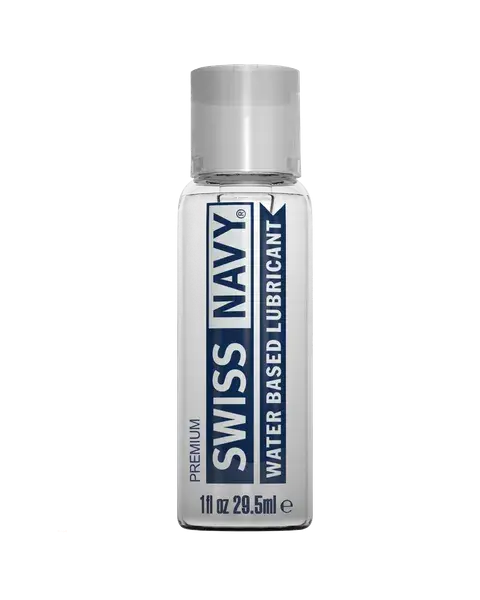
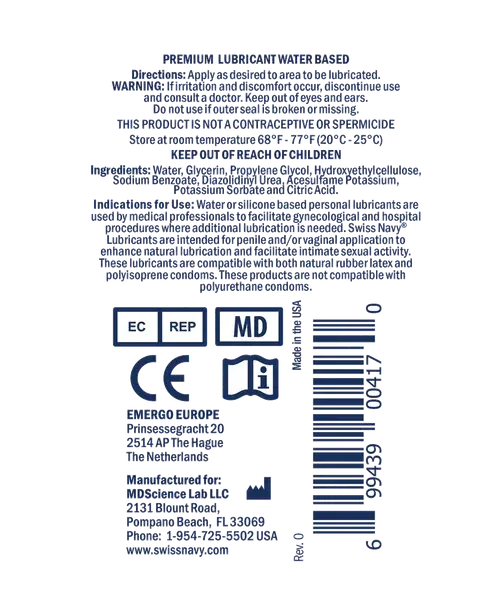
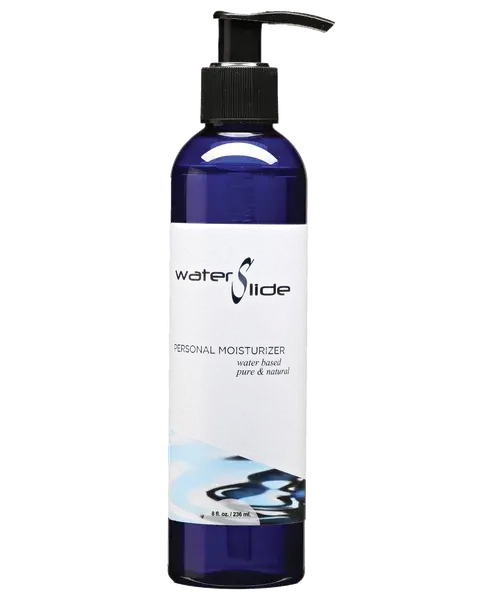
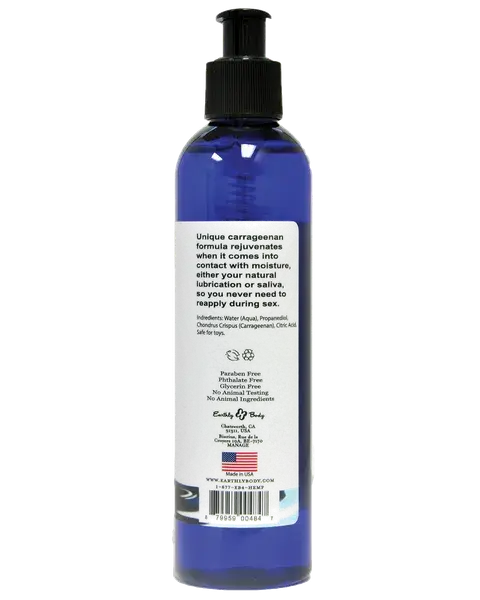
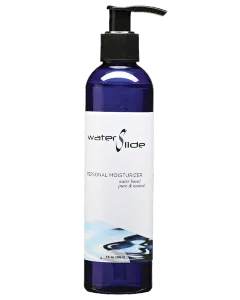
Swiss Navy Water Based Lube is an easy first bottle. If you like a more cushiony feel, try Earthly Body Waterslide with carrageenan. Carrageenan is a seaweed-derived thickener that gives the lube a silkier texture.
Silicone-based lube
Silicone lube doesn't soak into skin, so a little goes a long way. It also doesn't rinse away in the shower or bath. That makes it ideal for long sessions, water play, and anal play with non-silicone toys.
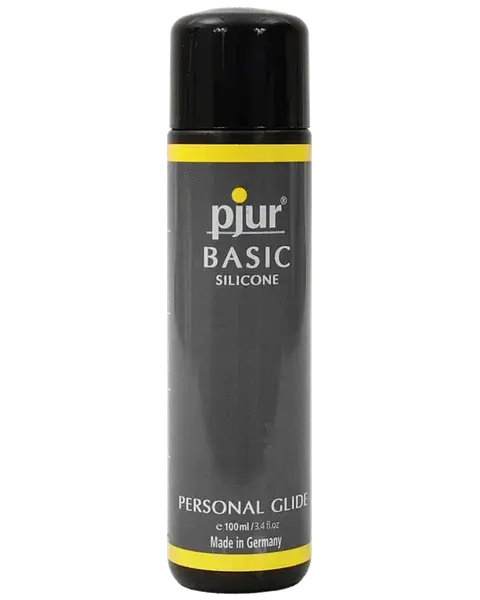
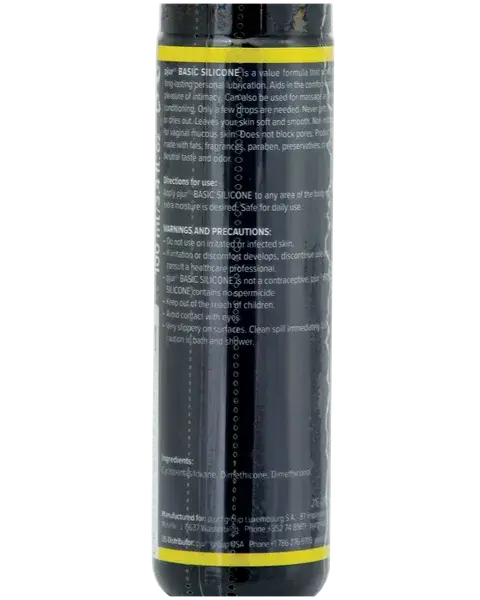
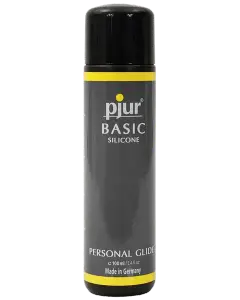
The downsides: you need soap to wash it off, it can stain fabric, and it can make tiles and tub floors dangerously slick. Pjur Basic Silicone Lubricant is a popular, no-fuss option.
Hybrid lube
A hybrid is mostly water-based with a small amount of silicone added. You get the easy cleanup of water-based lube with a little more staying power. Hybrids often look creamy, a bit like lotion.
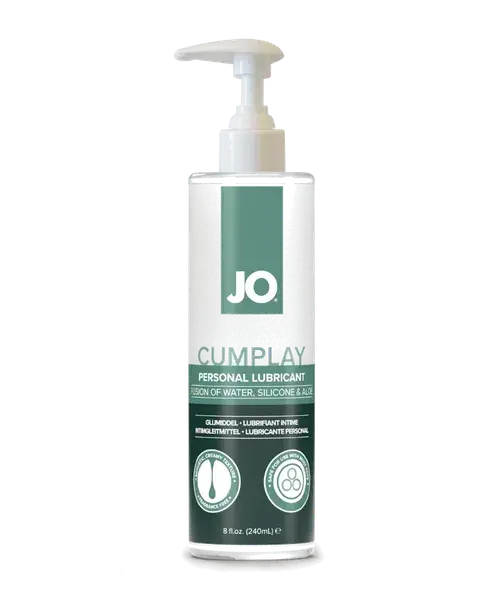
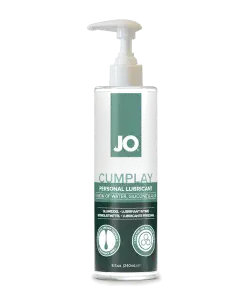
JO Cum Play, from JO's hybrid line, is fragrance-free and works nicely for hand play and toys. Because hybrids contain some silicone, patch-test them on silicone toys first.
Oil-based lube
Oil-based lubes feel rich and last a long time, which makes them lovely for external play. However, oil can weaken latex condoms and is harder to wash off. It may also not suit everyone internally, especially if you're prone to irritation.
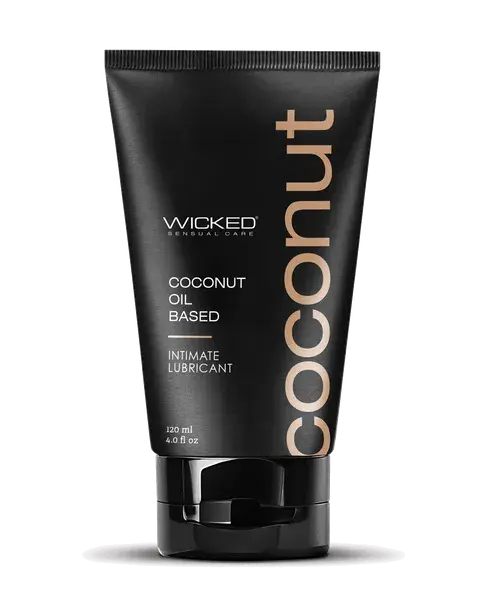
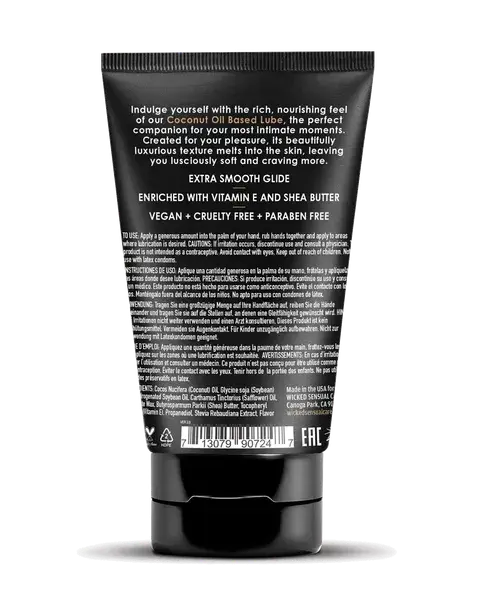
Wicked Sensual Care Coconut Oil Based Lube is a good pick when latex condoms aren't involved.
Water vs. silicone vs. hybrid vs. oil: how do they compare?
| Type | Feel | Staying power | Toy compatibility | Condoms | Cleanup |
|---|---|---|---|---|---|
| Water-based | Light and slick, or thick and gel-like | Short; reapply often | All materials | Works with all types | Rinses off with water |
| Silicone-based | Silky, very slippery | Long; stays put in water | Glass, metal, hard plastic; patch-test on silicone; avoid on TPE | Works with common types | Needs soap; can stain |
| Hybrid | Creamy, cushioned | Medium to long | Most materials; patch-test on silicone | Generally fine | Mostly rinses with water |
| Oil-based | Rich, thick | Long | Glass and metal; avoid on TPE and jelly | Not with latex or polyisoprene | Needs soap; can stain |
Which lube works with which toy?
The golden rule: match the lube to the toy's material, not its shape. Here's the cheat sheet. Our full lube and toy compatibility guide covers the edge cases.
Silicone toys
Most vibrators and many dildos are made from silicone. Make water-based lube your default for these.
Silicone lube can react with some silicone toys and leave the surface tacky, gummy or pitted. Not every toy reacts, but it isn't worth gambling with a favorite.
To patch-test, dab a little silicone or hybrid lube on the base or another hidden spot. Leave it for a while, then wipe it off and check. If the surface feels sticky or looks different, keep that lube away from that toy.
Glass, metal and hard plastic toys
Glass, stainless steel and ABS plastic all work with any lube. ABS is a rigid, smooth plastic used in many bullet vibrators and toy casings. All three are non-porous, meaning they have no tiny openings to trap moisture or react with ingredients. Silicone lube is a favorite on these materials because it stays slick against hard surfaces.
TPE, jelly and “skin-feel” materials
TPE (thermoplastic elastomer) and similar soft, stretchy materials are common in strokers and budget toys. They're porous, so they can trap moisture and bacteria. They can also break down when they meet oil or silicone.
Use only water-based lube on these toys, then follow our stroker and sleeve care guide afterward. Curious how porosity affects safety? See what “body-safe” actually means.
Condoms and barriers
- Latex condoms: water-based, silicone and hybrid lubes are fine. Avoid oil.
- Polyisoprene condoms: treat them like latex and avoid oil.
- Polyurethane and nitrile condoms: most lubes are fine, including oil.
For more on barriers and STI prevention, see our safer sex basics guide or the condom resources at Planned Parenthood.
How much lube should you use?
Probably more than you're using now. Under-lubing is far more common than overdoing it, and the right amount depends on what you're doing. Use these as rough starting points:
- External solo play: a fingertip's worth, spread over the area you're focusing on.
- Vaginal play with a toy: enough to coat the toy's tip and shaft, plus a little at the entrance.
- Anal play: be generous. Aim for roughly double what you'd use vaginally, and top up often.
- Strokers and sleeves: a good squeeze inside the opening, plus some on you.
- Hand play with a partner: a small pool in your palm, warmed up first.
- Condoms: a few drops on the outside once it's on.
Signs you need more
Watch for tugging, a squeaky or sticky feel, a toy that drags, or any stinging from friction. Any of these means it's time to top up. Don't push through.
Can you use too much?
Not in a harmful way, but it can get messy. Too much lube can mute sensation, make a toy hard to grip, or cause a condom to slip. If that happens, wipe some away with a towel and carry on.
When should you apply lube, and how?
Timing matters as much as quantity. Follow these steps for a smoother session:
- Warm it first. Squeeze lube onto your fingers or palm and rub for a few seconds. Cold lube is a real mood-killer.
- Coat both surfaces. Put some on the toy, hand or condom and some on the body. Lube on only one side wears off faster.
- Start before you need it. Apply lube at the beginning, not after things already feel dry.
- Keep it within reach. Flip caps and pump bottles are easy to open one-handed mid-session.
- Reapply at the first hint of drag. Long sessions need several top-ups, especially with water-based formulas.
Can you revive water-based lube instead of adding more?
Often, yes. Water-based lube gets tacky as its water evaporates. A few drops of water can bring back the glide without adding more product.
Where should lube go when using a condom?
Put the condom on first, then apply lube to the outside. Some people add a tiny drop inside the tip for extra sensation. Keep it very small, because too much lube inside can make the condom slip off.
Which lube is best for anal play?
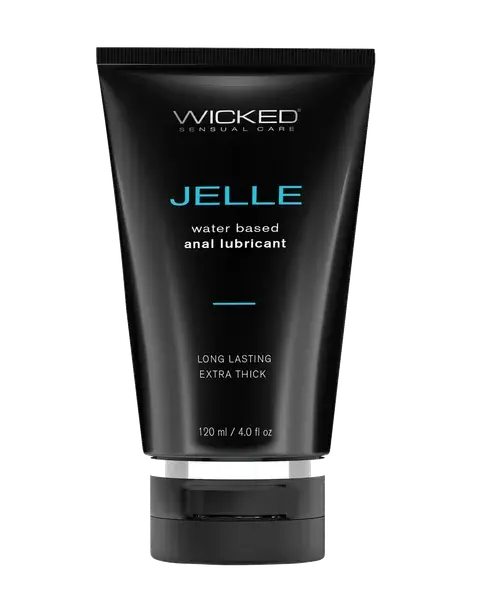
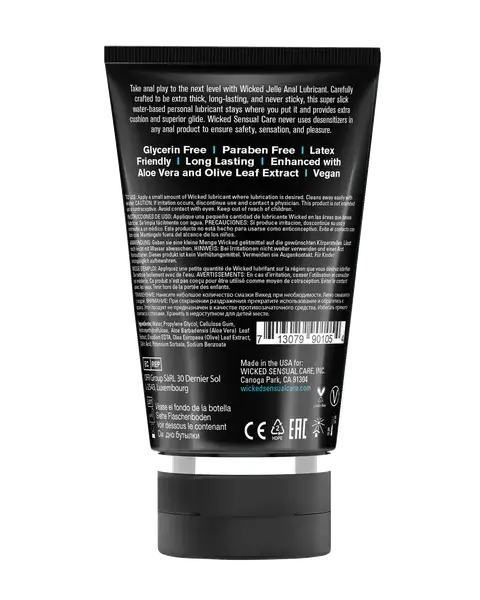
Since the anus doesn't self-lubricate, anal play needs a thicker, longer-lasting lube. Water-based gels are a great all-purpose choice. Wicked Sensual Care Jelle is a fragrance-free option made for anal play and safe with every toy.
Silicone lube lasts even longer and works well with glass, metal or hard plastic anal toys. Avoid numbing or desensitizing lubes. Discomfort is your body's signal to slow down, add more lube or stop, and you want to be able to feel it.
For product picks, see our roundup of the best lube for anal. If you're new to this, start with anal play for beginners.
Are flavored, warming and tingling lubes safe?
Sensation lubes can be a lot of fun, but they contain more ingredients, so they're more likely to irritate. Here's what each type is good for:
- Flavored lubes are made mainly for oral play. Swiss Navy 4 in 1 Playful Flavors Strawberry Kiwi is a good example.
- Warming lubes create a gentle heat. Mood Lube Warming is one option.
- Tingling lubes add a cooling or buzzing feel, usually for external play.
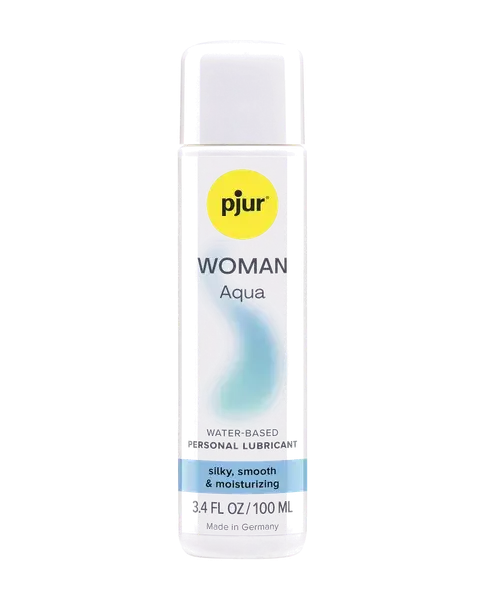
Patch-test any sensation lube on your inner arm before using it somewhere more delicate, and read the label for intended use. If you're sensitive, stick with simple, unscented formulas. Pjur Woman Aqua is a water-based lube from Pjur's line for women.
You may also see osmolality mentioned on lube labels or in reviews. It describes how concentrated a lube is compared with your body's own fluids. Very concentrated formulas can draw moisture out of delicate tissue. Our guide to vaginal pH and irritation lists ingredients worth avoiding.
How do you clean up after using lube?
How you clean up depends on the type of lube:
- Bodies: water-based lube rinses off with warm water. Silicone and oil lubes need mild soap.
- Sheets: lay down a towel before you start. Pre-treat silicone or oil marks before washing.
- Toys: wash after every use according to the material. A dedicated cleaner from our toy care essentials makes it easy. Our guide on how to clean sex toys covers each material.
- The bottle: close it tightly and store it somewhere cool, away from direct sun.
How do you find a lube you love?
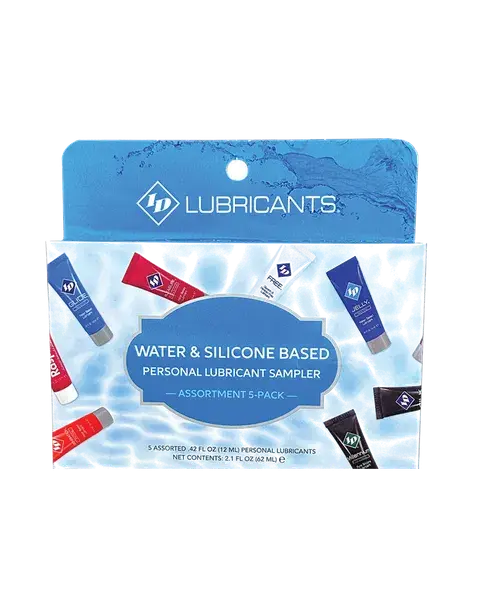
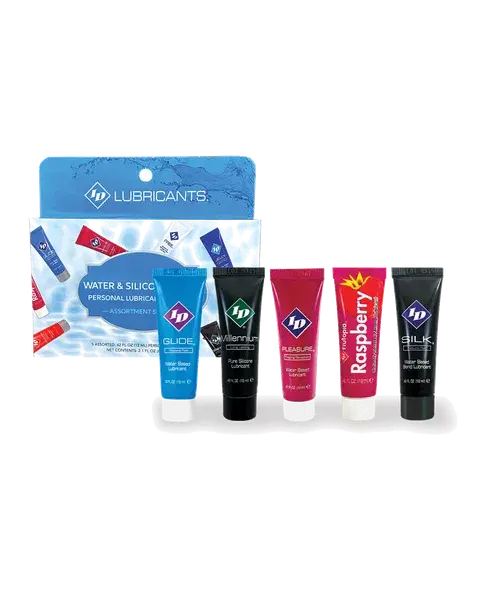
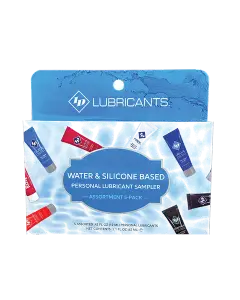
Lube preference is personal. Thickness, slickness and taste all matter, and what you like with a vibrator may differ from what you like with a partner. A sampler is the easiest way to experiment. The ID Sampler gives you five small tubes to compare.
Once you've found a favorite, a big bottle like Fuck Water H2O 16 oz saves you from frequent reorders.
Browse the full lubricants collection to compare formulas. You can also pair lube with a toy through Build Your Own Bundle to save.
Every order ships in a plain, discreet box with a neutral billing name. Shipping is free over $79, unopened items can be returned within 30 days, and every purchase earns rewards points.
Lube isn't a backup plan for when something goes wrong. It's one of the simplest ways to make good sex and solo play even better.
If you notice ongoing pain during sex, even with plenty of lube, talk to a clinician. Our guide to painful sex and when to see a doctor explains what to look out for.
Frequently asked questions
Can I use silicone lube on a silicone toy?
Sometimes, but it's a gamble. Silicone lube can react with some silicone toys and leave the surface sticky, gummy or pitted. Use water-based lube with silicone toys by default. If you really want silicone lube, test a small dab on the base or a hidden spot first. If the surface feels or looks different afterward, keep that lube away from that toy.
Can I use coconut oil, lotion or Vaseline as lube?
Skip lotion and petroleum jelly. They aren't made for intimate use, can irritate, and are hard to wash away. Coconut oil is popular for external play, but like any oil it can weaken latex and polyisoprene condoms and damage TPE toys. A lube designed for bodies is the safer choice, especially for internal use or alongside condoms.
Can lube cause irritation or yeast infections?
Some people react to certain ingredients, especially fragrances, flavors, warming or tingling agents, and very concentrated formulas. If a lube stings, itches or burns, stop using it and rinse with water. Then switch to a simple, fragrance-free water-based lube. If symptoms such as itching, unusual discharge or soreness don't settle, see a clinician rather than guessing.
Is it safe to use lube when trying to get pregnant?
Many everyday lubricants can make it harder for sperm to move. If you're trying to conceive, look for a lube labeled fertility-friendly or sperm-friendly. A clinician or fertility specialist can also recommend options that suit your situation and answer questions about timing and comfort.
Does lube expire?
Yes. Most lubes have an expiration date printed on the bottle or packaging. Throw out any lube that is past its date or has changed in smell, color or texture. Storing it with the cap tightly closed, somewhere cool and out of direct sunlight, helps it last.
Is spit a good substitute for lube?
Not really. Saliva dries quickly, so it doesn't provide lasting glide, and it can carry bacteria and some sexually transmitted infections. It may do in a pinch for brief external touch. For penetration, toys or anything lasting more than a few minutes, a proper lube is more comfortable and more reliable.
Can you use lube in the shower or bath?
Yes. Silicone lube is the best choice for water play because it won't rinse away. Keep it off the floor and tub surface, since it makes them very slippery, and keep silicone lube away from silicone toys unless you've patch-tested. Water-based lube washes off quickly in water, so it won't last long there.

Browse more lubricants, all shipped in a plain box with discreet billing.