 By Coco 🌴
Key takeaways
- Knowing whether your toy is porous or non-porous tells you how thoroughly it can be cleaned and whether it can be sanitized.
- Check a vibrator's water rating before rinsing, and never boil, microwave or dishwasher anything with a motor or battery.
- Scented soaps, alcohol, abrasive sponges and body wipes are not substitutes for a proper toy wash.
- Store toys clean, completely dry and in separate pouches, away from heat, sunlight and other soft toys.
- Retire any toy that is cracked, sticky, discolored or smelly after washing, and see a clinician if a toy leaves you itchy or sore.
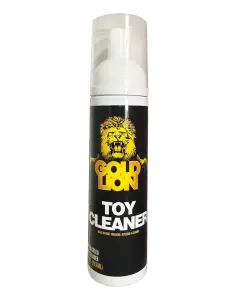
Wash most sex toys after every use with warm water and mild, fragrance-free soap or a dedicated toy cleaner. Rinse well, then air dry or pat dry with a lint-free towel. Non-porous materials like silicone, glass and steel clean easily. Porous ones like TPE need gentler care. Store each toy separately, clean and dry, away from heat.
You did the research, picked the perfect toy and had a lovely time. Now it's lying on the nightstand and a few questions creep in. Does this need soap? Can it go under the tap? Is that faint tackiness normal? Toy care is one of those things nobody really teaches you. Yet it makes a real difference to your comfort, your health and how long your favorites last.
This guide covers it all: why materials matter, how to clean each type, how to handle anything with a motor, which products to skip, smart storage, and the signs it's time to say goodbye. Bookmark it and you'll never have to guess again.
Why does cleaning your sex toys actually matter?
Your toys spend time against some of the most sensitive tissue on your body. Leftover fluids, lube and skin cells give bacteria and yeast somewhere to linger. Over time, that can raise the odds of irritation, bacterial vaginosis, yeast infections or urinary tract infections.
There's a practical side too. Clean toys feel silkier, work properly and last longer, which protects the money you spent on them. Grime that builds up around seams and buttons can also wear down materials and seals faster than you'd expect.
Good toy hygiene starts before you buy. Choosing body-safe materials (non-toxic, stable materials that won't leach chemicals or break down against skin) makes cleaning far simpler. For the full rundown, read What Does "Body-Safe" Actually Mean?
What's the difference between porous and non-porous toys?
If you remember one thing from this article, make it this. A toy's material decides how clean it can actually get.
- Non-porous materials have a sealed, smooth surface with no tiny holes for bacteria to settle into. Examples include 100% silicone, glass, stainless steel and hard ABS plastic. These clean thoroughly, and some can be fully sanitized.
- Porous materials have microscopic openings that can trap moisture, lube and bacteria even after a wash. Examples include TPE and TPR (thermoplastic elastomer and thermoplastic rubber, soft stretchy plastics), jelly rubber, PVC and many realistic "skin-feel" materials. You can clean them, but you can never fully sterilize them.
Own a few porous toys? No need to panic. Clean them straight after use, dry them carefully and consider using a condom over them, especially if you share with a partner.
How can you tell what your toy is made of?
Check the packaging, the product page or the manual first. If the label just says "silicone blend" or doesn't list a material at all, treat the toy as porous to be safe. A strong chemical smell straight out of the box is another hint that it isn't 100% silicone.
How do you clean each type of sex toy material?
Use this table as a quick reference. Always check the manufacturer's instructions too, since they know their product best.
| Material | Porous? | Best way to clean | Can you boil it? | Storage tip |
|---|---|---|---|---|
| 100% silicone | No | Warm water and mild soap or toy cleaner | Yes, if it has no motor or battery | Pouch to keep off lint and dust |
| Glass | No | Warm soapy water; check for chips first | Only if the maker says so | Padded pouch so it can't knock against anything |
| Stainless steel | No | Warm soapy water | Yes, if non-motorized | Dry fully; store apart to avoid scratching others |
| ABS plastic | No | Warm soapy water or toy cleaner | No, heat can warp it | Pouch or box, away from heat |
| TPE / TPR | Yes | Warm water and mild soap only | No | Bone-dry, in its own pouch |
| Jelly rubber / PVC | Yes | Gentle soap and water; use with condoms | No | Isolated storage; replace more often |
Silicone toys
Silicone is the gold standard because it's non-porous, durable and easy to keep fresh. Wash with warm water and a fragrance-free soap or toy cleaner, rinse and dry. If your silicone toy has no motor or battery, like many dildos and plugs, you can boil it for a few minutes to sanitize it. Let it cool on a clean towel before handling.
Glass and stainless steel toys
These are refreshingly low-maintenance. Warm soapy water does the job. Steel without electronics usually handles boiling, and some glass does too, but sudden temperature changes can stress glass, so follow the maker's guidance. Before every use, run your fingers over glass to feel for chips or cracks, and retire it immediately if you find any.
Hard plastic (ABS) toys
ABS is a rigid, non-porous plastic used in lots of bullet vibrators and budget-friendly toys. Soap and water or a toy cleaner is all it needs. Skip boiling, since high heat can warp plastic and damage seals.
TPE, jelly and other soft, porous toys
Squishy materials feel lovely but need a gentler touch. Use only warm water and mild soap, skip boiling and alcohol, and make sure they're completely dry before storing. A quick dusting of cornstarch (not talc) can help some soft toys keep their texture, if the manufacturer recommends it. Because these materials can hold onto bacteria, many people keep them for solo use or always pop a condom on.
How do you clean a vibrator or rechargeable toy safely?
Motors and water can get along, but only if the toy is built for it. Look in the manual for its water rating:
- Waterproof, often labeled IPX7 or higher (an international scale for how well a device keeps water out), means the toy can be fully submerged for a short time.
- Splashproof or water-resistant means a quick rinse is fine, but no dunking.
- No rating means wipe it down only, keeping water well away from buttons and charging ports.
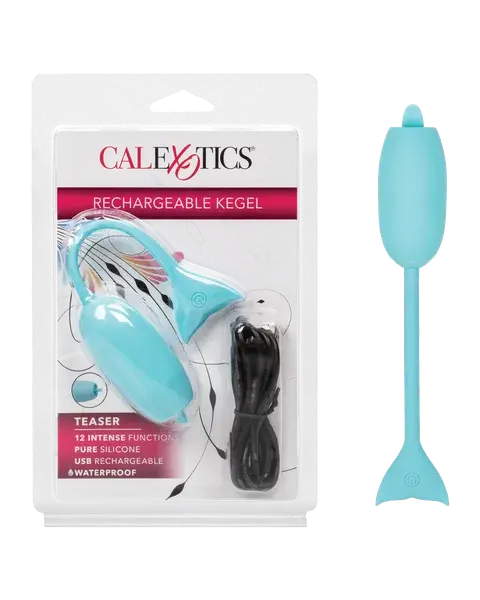
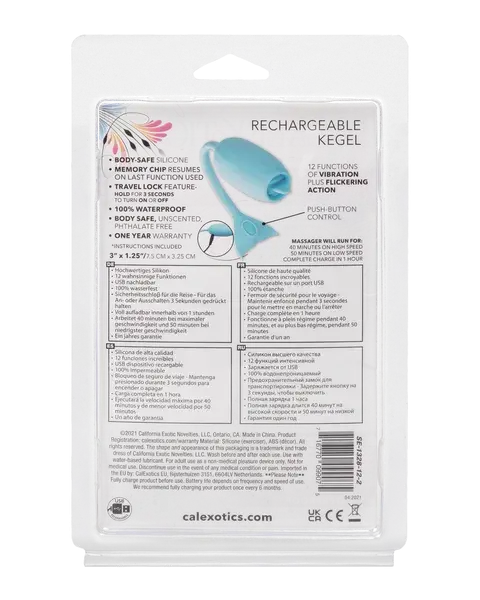
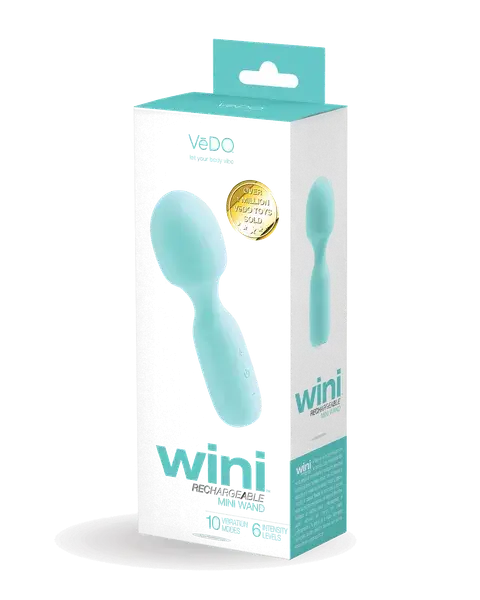
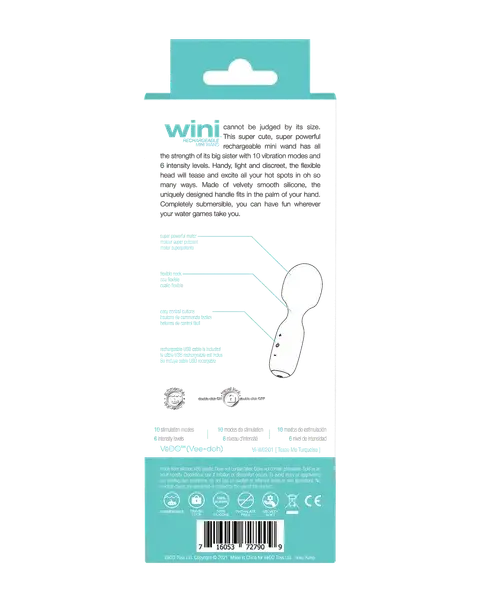
Here's the routine for most rechargeable toys, from compact picks like the VeDO Wini Rechargeable Mini Wand to internal toys like the Rechargeable Kegel Teaser:
- Switch the toy off and unplug it from the charger.
- Make sure any port covers are firmly closed.
- Wash with warm water and mild soap or toy cleaner, following the water rating.
- Rinse carefully around seams, buttons and textured areas where lube likes to collect.
- Pat dry with a lint-free towel, then let it air dry fully before you charge it.
Never boil, microwave or dishwasher a vibrator. For battery-powered toys, remove the batteries before washing and before long-term storage to prevent corrosion.
What about chargers and cables?
Magnetic charging points can attract grime and stray hairs, so give them a gentle wipe with a dry cloth now and then. Only charge a toy when its contacts are completely dry. Keep each charger with its toy so you're not hunting for the right one, and if a cable goes missing, use an official replacement such as the Lovense Charging Cable for Domi 2 rather than a random cable that may not match.
How should you clean anal toys, strokers and pelvic-floor tools?
Anal toys
Anal toys need a thorough wash after every single use, with extra attention to the base and any ridges. One non-negotiable rule: never move a toy from anal to vaginal use without washing it properly first or switching to a fresh condom. Doing so can introduce bacteria that cause infections.
Strokers and sleeves
Strokers are usually made of soft, porous material with an internal texture, so moisture can hide deep inside. Rinse the inner channel with warm water and mild soap, turn the sleeve inside out if the design allows, and let it air dry completely, ideally standing upright or on a drying stand. Never put a stroker away damp.
Kegel balls and pelvic weights
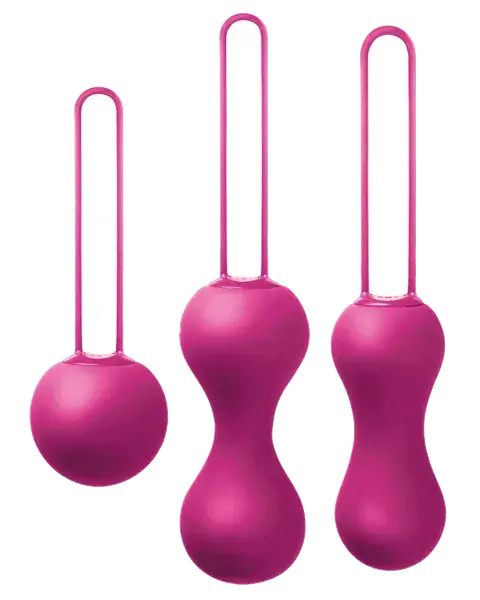
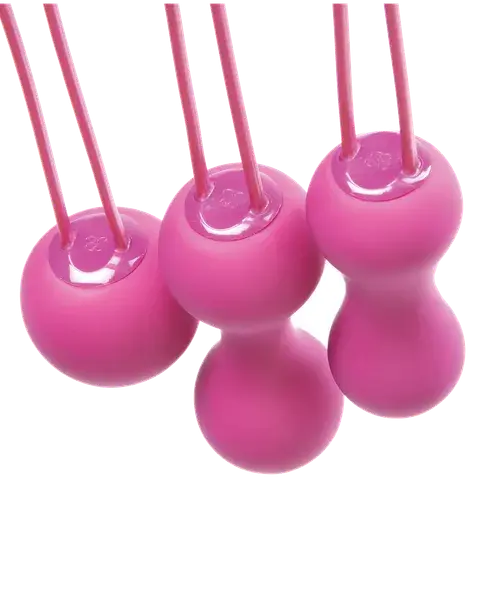
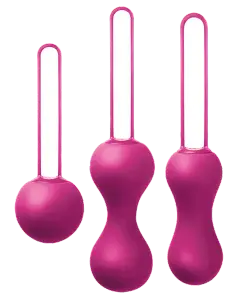
Pelvic-floor tools are worn internally, sometimes for a while, so they deserve the same care as any insertable toy. Wash weights like the Je Joue Ami Progressive Pelvic Weights before and after each session, pay attention to any retrieval cord, and dry fully before storing. If you have pelvic pain or are recovering from birth or surgery, check with a clinician before starting.
What should you never use to clean sex toys?
A few common household products do more harm than good:
- Scented soaps, body washes and shower gels. They can leave residue that irritates sensitive tissue.
- Alcohol and harsh disinfectants. These can dry out or degrade soft materials, and cause irritation if not rinsed off thoroughly.
- Bleach. Too harsh for most materials and for your body.
- Abrasive sponges or stiff brushes. They scratch surfaces, creating tiny grooves where bacteria can hide.
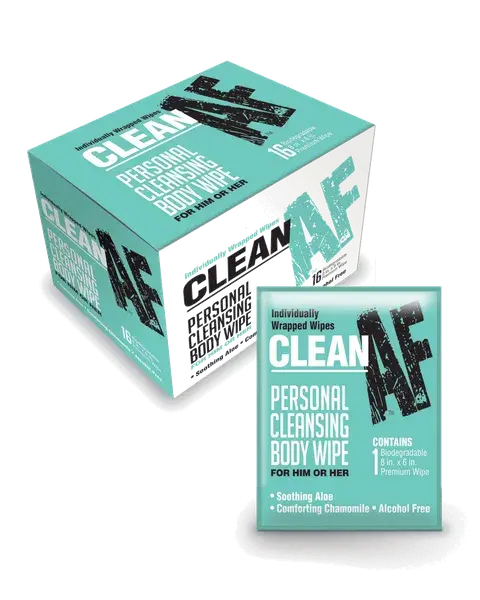
- Body wipes as a toy cleaner. Personal wipes are made for skin, not toys. Great for freshening yourself up, but your toy still needs a proper wash.
- The dishwasher, unless the manufacturer specifically says it's safe. Detergents are harsh, and heat can damage seals and electronics.
Does your lube choice change how you clean?
It does. Water-based lube rinses away with plain warm water and is compatible with every toy material, so it's the easiest pick for cleanup. Silicone lube lasts longer but clings to surfaces, and with some silicone toys it can make the surface tacky or break down over time. If you want to pair silicone lube with a silicone toy, test a tiny dab on the base first and wait to see if anything changes.
Oil-based products need a bit more soap to wash off and can damage latex condoms, so keep that in mind if you're covering toys. Our Water vs. Silicone Lube guide covers compatibility in detail, and you can browse every formula in Lubricants.
How should you store sex toys?
Storage is the step most people skip, yet it's where a lot of toy damage happens. Follow these simple rules:
- Store clean and dry. Lingering moisture invites mildew and bacteria.
- Give each toy its own space. Soft materials like jelly and TPE can react with each other or with other plastics, turning sticky or even fusing together.
- Keep away from heat and sunlight. Radiators, hot cars and sunny windowsills can warp materials and degrade batteries.
- Protect from dust and lint. Silicone in particular is a lint magnet.
- Keep rechargeables topped up. Many manufacturers suggest charging lithium-ion toys every few months when not in use so the battery doesn't fully drain.
Pouches and bags
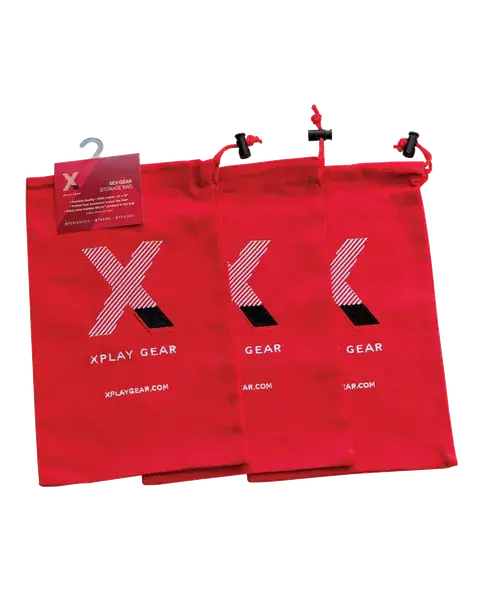
A soft, breathable fabric bag is the simplest fix. The Xplay Gear Ultra Soft Cotton Gear Bags come in a pack of three, so each toy gets its own home and nothing rubs together. Cotton lets any last trace of moisture escape, unlike sealed plastic bags.
Lockable boxes
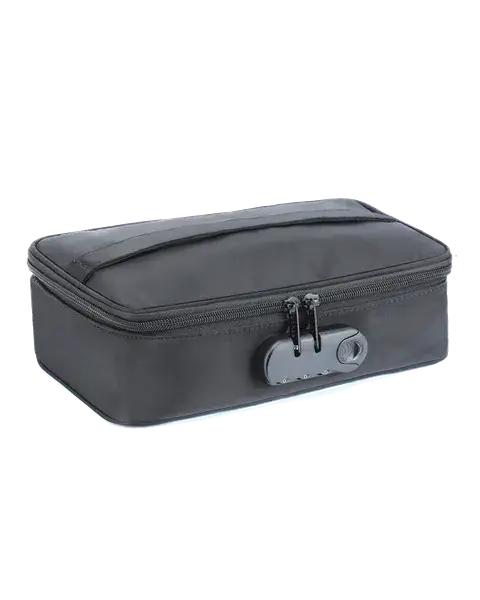
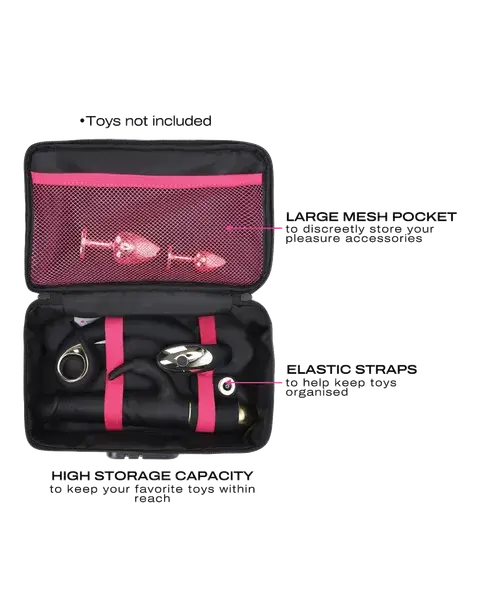
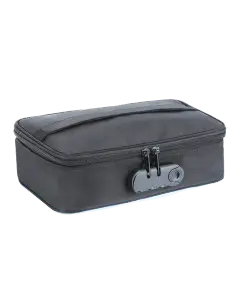
Living with roommates, kids or curious visitors? A box that locks gives you real peace of mind. The Dorcel Lockable Discreet Box keeps your collection private and dust-free while looking like any other storage box. Pop each toy in its own pouch inside for double protection.
Traveling with toys
Pack toys clean and dry in individual pouches, remove batteries or switch on a travel lock if your toy has one, and bring a travel-sized cleaner. Keeping a condom or two in your kit is smart too.
Should you put condoms on sex toys?
Condoms on toys are a low-effort, high-value habit in three situations: when you share a toy with a partner, when the toy is porous, and when you're switching between anal and vaginal play. Use a fresh condom for each person and each type of play.
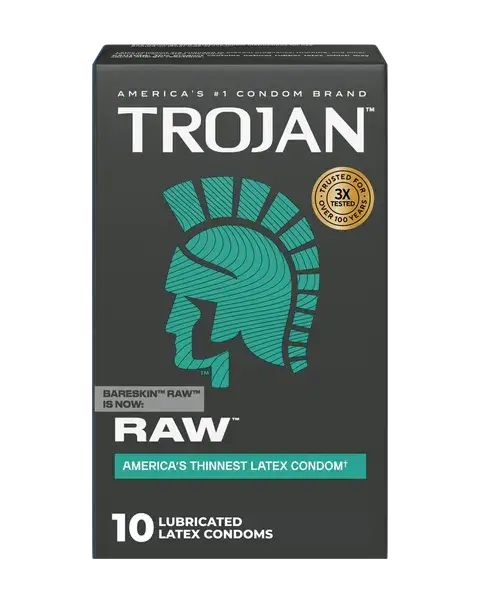
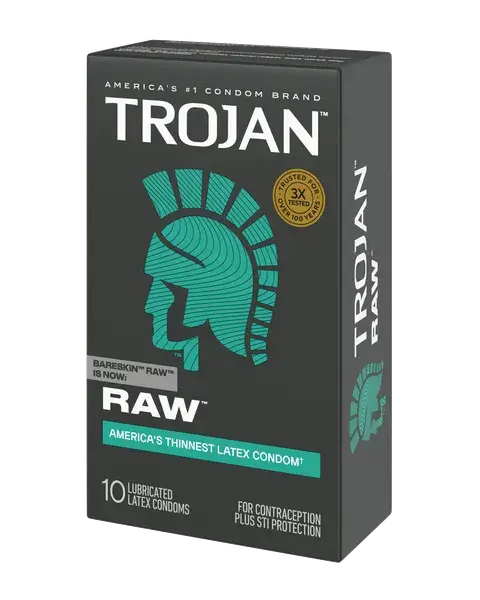
Keep a pack like Trojan BareSkin Raw Condoms or the Trojan BareSkin EveryTHIN Variety Pack near your toy stash so they're always within reach. A condom still doesn't replace washing the toy afterward. For broader safer-sex information, Planned Parenthood is a reliable resource. And if you're introducing toys to a new partner, our guide on how to suggest a toy to your partner can help that conversation feel easy.
What about cleaning up yourself afterward?
Aftercare is for bodies too. A quick pee after play can help flush bacteria from the urethra, which many people find lowers their UTI risk. The vagina cleans itself, so skip douching and harsh products. Warm water on the vulva is usually all you need.
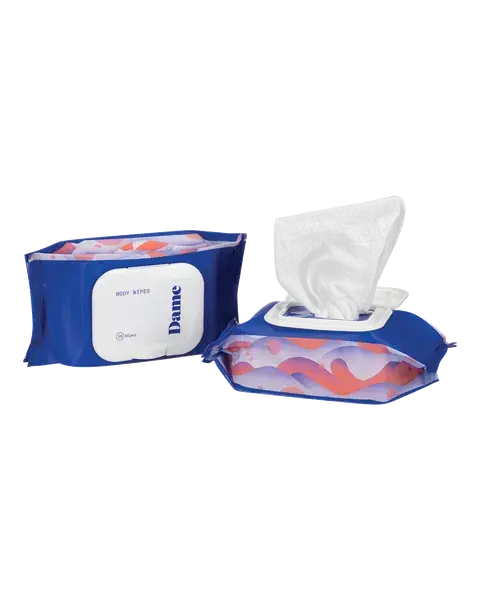
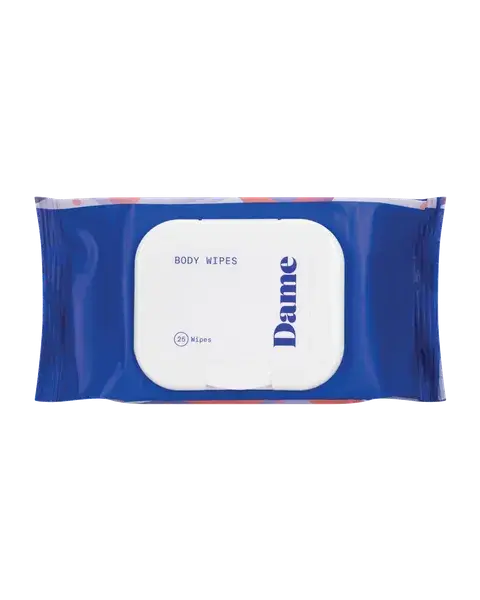
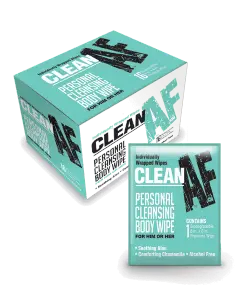
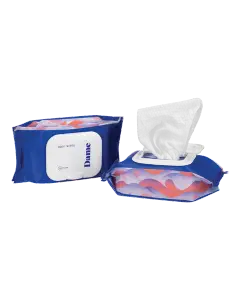
For freshening up on the go, Clean AF Personal Cleansing Body Wipes or Dame Body Wipes slip easily into a bag or nightstand drawer. If you prefer a gentle wash, the EXSENS of Paris Intime Intimate Balance Cleansing Gel is designed for external intimate use. Just remember: these are for skin, not toys.
When should you replace a sex toy?
Even well-loved, well-cared-for toys don't last forever. Retire a toy if you notice:
- Cracks, chips, tears or peeling surfaces
- A sticky, tacky or greasy texture that won't wash off
- Discoloration or cloudiness that wasn't there before
- A smell that lingers after cleaning
- A swollen or bulging battery, or a motor that runs hot
Damaged surfaces can harbor bacteria and irritate skin, and faulty batteries can be a safety risk. If you ever notice itching, burning, unusual discharge or soreness after using a toy, stop using it and check in with a clinician.
Ready for an upgrade? Our guide on how to choose your first vibrator will help you pick a body-safe replacement, and the Vibrators collection is a great place to start browsing.
Your quick toy-care checklist
Wash after every use. Dry completely. Store separately. Inspect regularly. Replace when in doubt.
That's genuinely it. A minute of aftercare keeps your toys feeling wonderful and your body happy. Stock up on pouches, cleaners and storage in our Toy Care & Essentials collection, or explore everything in Wellness. Every order ships in a plain, discreet box with a neutral billing name, shipping is free on every order, unopened items can be returned within 30 days, and you'll earn rewards points with every purchase.
Frequently asked questions
Can I clean sex toys with regular hand soap?
Yes, as long as it's mild and fragrance-free. Plain, unscented soap and warm water clean most toys well. Avoid antibacterial, heavily scented or moisturizing soaps, which can leave residue that irritates sensitive skin or degrades soft materials. Rinse thoroughly so no soap film is left behind, and dry the toy completely before storing it.
How often should I clean my sex toys?
Clean them after every use, ideally soon after so fluids and lube don't dry on. It's also a good idea to give toys a quick rinse before use if they've been in storage for a while, since dust and lint can settle on them. Toys used for anal play always need a thorough wash before any other use.
Can you put sex toys in the dishwasher?
Generally, no. Dishwasher detergents are harsh, and the heat can warp plastics, damage seals and ruin electronics. A few non-motorized silicone, glass or steel toys are labeled dishwasher-safe by their makers, but if the instructions don't explicitly say so, stick to warm water and mild soap or a dedicated toy cleaner instead.
Is it safe to boil silicone sex toys?
Boiling is a reliable way to sanitize 100% silicone toys that have no motor, battery or electronic parts. A few minutes in boiling water is enough, then let the toy cool on a clean towel. Never boil vibrators, ABS plastic or porous materials like TPE or jelly, and check the manufacturer's guidance first.
Why has my sex toy gone sticky?
Stickiness usually means the material is breaking down. It's common with porous materials like jelly or TPE, especially if they were stored touching other toys, kept somewhere warm, or used with an incompatible lube. Silicone lube can also make some silicone toys tacky. If washing doesn't fix it, it's time to replace the toy.
Can I use alcohol wipes to clean sex toys?
It's best not to. Alcohol can dry out, crack or degrade many toy materials, especially soft and porous ones, and any residue can irritate delicate tissue. Personal body wipes aren't designed for toys either. Warm water with mild, fragrance-free soap or a toy cleaner made for the purpose is the safer, gentler choice.
Is it safe to share sex toys with a partner?
Sharing can be safe with a little care. Wash the toy thoroughly between users, and use a fresh condom for each person, particularly with porous toys that can't be fully sanitized. Non-porous materials like silicone, glass and steel are the easiest to share hygienically. Never move a toy from anal to vaginal use without washing it or changing the condom.

Browse more toy care & essentials, all shipped in a plain box with discreet billing.