Key takeaways
- Porosity matters most: nonporous materials like silicone, glass, stainless steel and ABS can be cleaned completely, while porous TPE can hold onto bacteria.
- Silicone is the best all-rounder for softness and flexibility, but pair it with water-based lube unless the maker says silicone lube is fine.
- Glass and metal are firm, heavy, compatible with any lube and great for temperature play, as long as you check for chips or cracks.
- TPE is a fine budget option if you clean it promptly, use water-based lube, store it separately and use a condom when sharing.
- Vague labels like jelly, skin-safe or novelty use only, plus a strong chemical smell, are signs to look elsewhere.
Silicone, glass, stainless steel and ABS plastic are nonporous, so they clean thoroughly and are widely considered body-safe. TPE is softer and cheaper but slightly porous, so it needs careful cleaning, water-based lube only, and a condom if shared. Choose by feel: silicone for softness, glass or metal for firmness and temperature play, ABS for budget vibrators.
You have found a toy you love the look of. The shape is right, the price is right, the reviews sound promising. Then you hit the spec sheet and see a word like TPE, ABS or borosilicate, and suddenly you are not sure what you are putting near the most sensitive parts of your body.
Good news: you do not need a chemistry degree. Once you understand a handful of materials, product pages get a lot easier to read, and you will know exactly how to clean, lube and store whatever you bring home. This guide walks through the five materials you will see most often, with honest pros and cons for each. If you want the deeper backstory on safety labels, pair it with our explainer What Does Body-Safe Actually Mean?
Why does sex toy material matter so much?
Material shapes almost everything about a toy: how it feels, how it carries vibration, which lube you can use, how long it lasts and, most importantly, how clean you can get it.
The key idea is porosity. A porous material has tiny microscopic gaps in its surface. Those gaps can trap moisture, lube, body fluids and bacteria, and no amount of scrubbing fully reaches inside them. A nonporous material has a sealed surface, so soap and water (or a dedicated toy cleaner) can remove everything.
Here is what material affects, in plain terms:
- Hygiene: nonporous toys can be cleaned completely; porous ones can only be cleaned well.
- Feel: soft and squishy, smooth and firm, or heavy and solid.
- Vibration: firm materials carry buzzy sensations; soft ones feel more rumbly.
- Lube compatibility: some materials react badly to certain lubes.
- Lifespan: high-quality materials can last years; cheaper ones can tear, go sticky or discolor.
- Temperature play: glass and metal can be warmed or cooled; most others cannot.
What is silicone, and why is it the gold standard?
Silicone is a flexible, rubber-like polymer, and it is the material you will see on most premium vibrators, dildos and pelvic-floor trainers. The kind used in quality toys is usually described as body-safe, medical-grade or platinum-cured silicone. Platinum-cured simply refers to the process used to set the silicone, and it tends to produce a very stable, odor-free finish.
How silicone feels
Silicone ranges from velvety and soft to firm with a little give. It warms quickly to body temperature, has a smooth, slightly grippy touch, and comes in solid colors or dual-density designs with a firm core and softer outer layer. It is the material most people picture when they think of a modern toy.
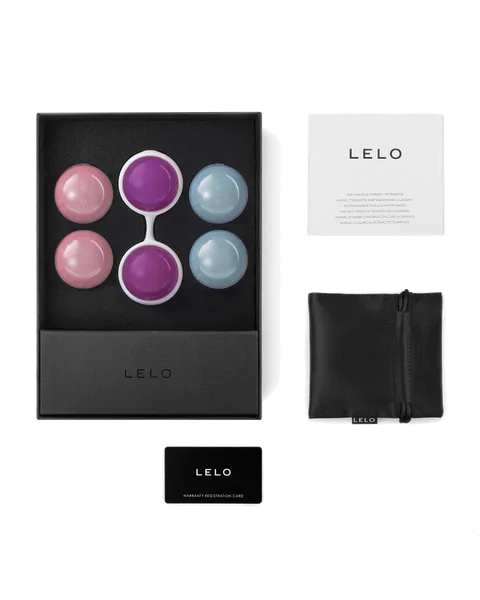
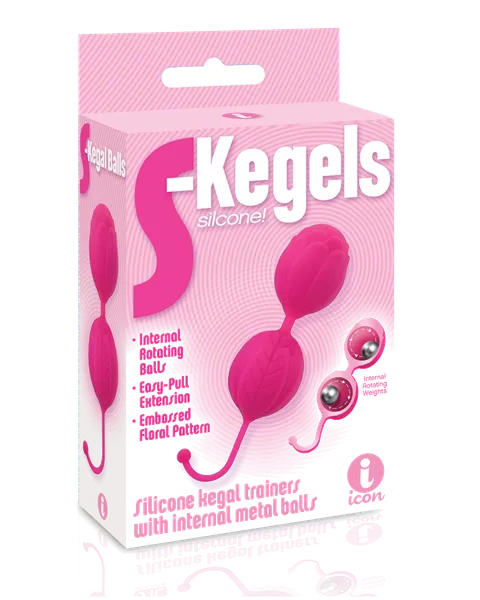
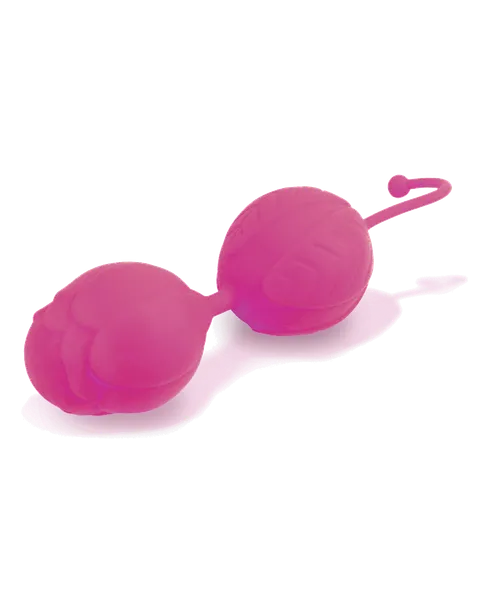
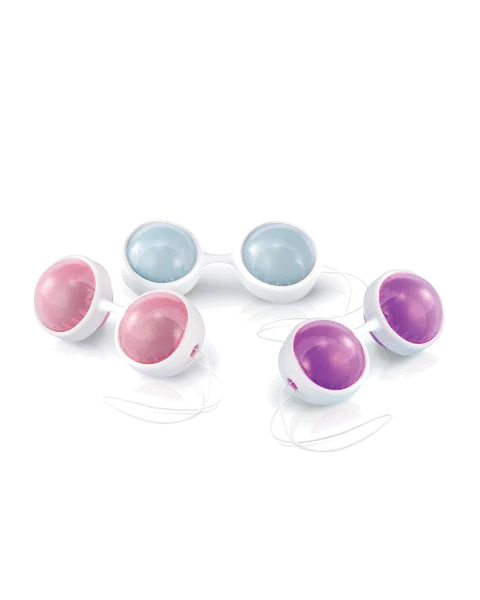
Because it is comfortable and easy to keep clean, silicone is the go-to for anything worn internally for longer periods. Kegel trainers like LELO Beads Plus and The 9's S-Kegels Silicone Balls are good examples of why: smooth, seamless silicone is easy on delicate tissue and easy to wash afterward.
Caring for silicone
Wash with warm water and mild, unscented soap or a toy cleaner, rinse well and air-dry. Solid silicone toys with no motor or battery can usually be boiled for a few minutes to sanitize them, but always check the manufacturer's instructions first. Anything with electronics, even if it is waterproof, should never be boiled.
The silicone lube question
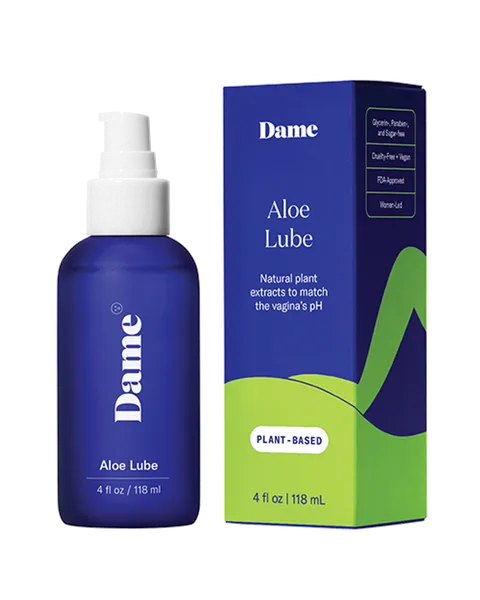
Silicone lube can react with some silicone toys and leave the surface tacky or pitted. Water-based lube is the safe default; you will find plenty in our lubricant collection. If you love silicone lube, check whether the toy maker approves it or do a small patch test on the base. Our water vs. silicone lube guide covers the trade-offs in detail.
Are glass sex toys safe?
Yes, when they are made from the right glass. Quality glass toys are made from borosilicate glass, the same tough, heat-resistant type used in lab equipment and some ovenware. It is designed to cope with temperature changes far better than ordinary glass, and it is completely nonporous.
Why people love glass
- A silky-smooth, slippery glide, especially with lube.
- Firm and rigid, which many people find great for targeted pressure.
- Works with any lube: water-based, silicone or oil.
- Holds temperature, so you can warm it in a bowl of warm water or cool it in cool water for a different sensation.
- Often beautiful enough to look more like art than a toy.
What to watch for
Glass is not unbreakable. Before every use, run your fingers over the whole surface and look closely for chips, cracks or rough spots. If you find any damage, retire the toy. Avoid extreme temperature swings (no freezer straight into hot water), and test the temperature on your wrist before it goes anywhere sensitive. Store glass in a padded pouch so it does not knock against anything hard.
What about metal toys: stainless steel vs. aluminum?
Metal toys are sleek, heavy and surprisingly sensual. Like glass, they are nonporous, work with any lube and are great for temperature play. The two you will see most are:
Stainless steel
Usually labeled medical-grade or 316L stainless steel, this is the heavyweight of the toy world. The weight gives a satisfying fullness and makes it popular for anal toys such as plugs, where a heavier base feels secure. It is extremely durable and, without electronics, can typically be boiled or washed thoroughly.
Aluminum
Lighter and often anodized in bright colors. It is still smooth and nonporous, but the coating can scratch over time, so treat it gently and skip harsh scrubbing or boiling unless the maker says otherwise.
A note on allergies: some stainless steel contains small amounts of nickel. If you have a known metal or nickel allergy, check the product details carefully or choose glass or silicone instead, and talk to a clinician if you are unsure.
What is ABS plastic, and why is it on so many vibrators?
ABS (acrylonitrile butadiene styrene) is a hard, rigid, nonporous plastic. It is the same family of plastic used in lots of everyday hard goods, and in the toy world it shows up constantly on bullet vibrators, vibrator handles and the bodies of wands and palm massagers.
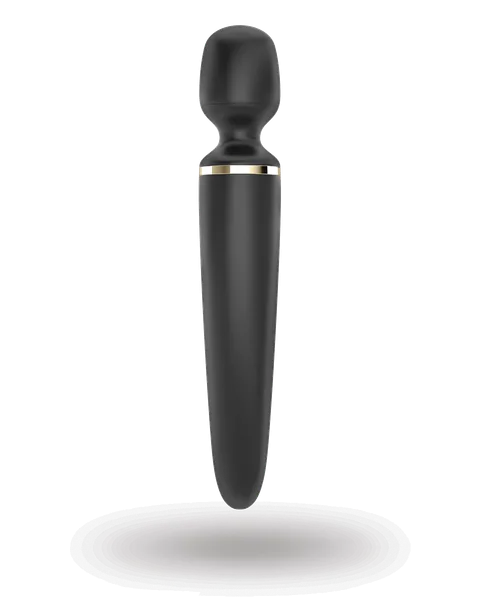
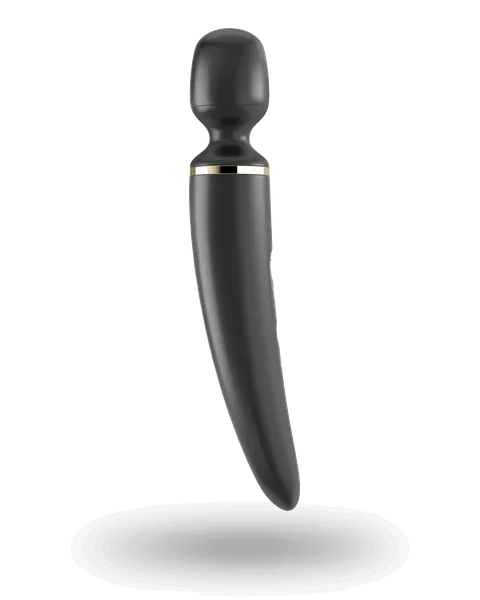
Many toys mix materials: a soft silicone head for comfort with a hard ABS body that houses the motor and buttons. When you browse wand-style toys like the Satisfyer Wand-er Woman or compact options like the Palm Power Rechargeable Massager, check the product page to see which parts are made of what, because that tells you how to clean each section.
Pros and cons of ABS
- Pros: nonporous, affordable, lightweight, transmits strong, buzzy vibration, works with water-based and silicone lube.
- Cons: no give at all, can feel a bit plasticky, cannot be boiled, and seams between parts need a little extra attention when cleaning.
ABS is a smart choice if you want a budget-friendly first vibrator. If you are still deciding, How to Choose Your First Vibrator can help you narrow things down.
What is TPE, and is it body-safe?
TPE (thermoplastic elastomer) and its close cousin TPR (thermoplastic rubber) are soft, stretchy blends used for realistic-feel dildos, sleeves and strokers. You may also see them marketed under brand names or as cyberskin-style materials. They are cheaper than silicone and can feel very lifelike.
The catch: TPE is slightly porous. Quality TPE is generally free from phthalates (chemicals once common in cheap jelly toys), so it is a big step up from old-school jelly. But because of those micro-pores, it cannot be fully sanitized.
How to use TPE more safely
- Wash it right after every use with warm water and a gentle toy cleaner.
- Let it dry completely before storing it, since trapped moisture encourages bacterial growth.
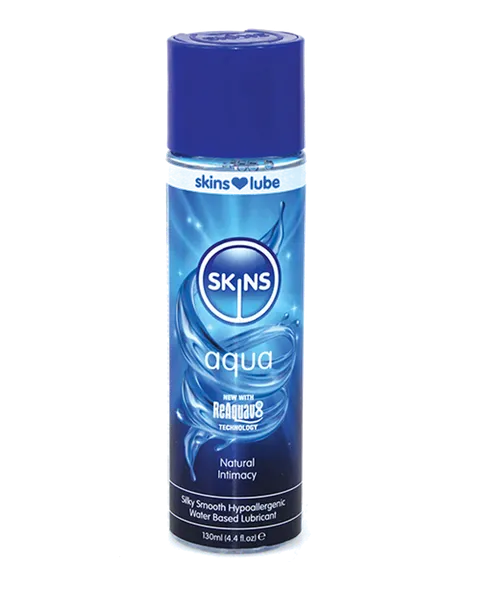
- Use water-based lube only. Oil and silicone lube can degrade it. A simple option like Skins Aqua Water Based Lubricant does the job.
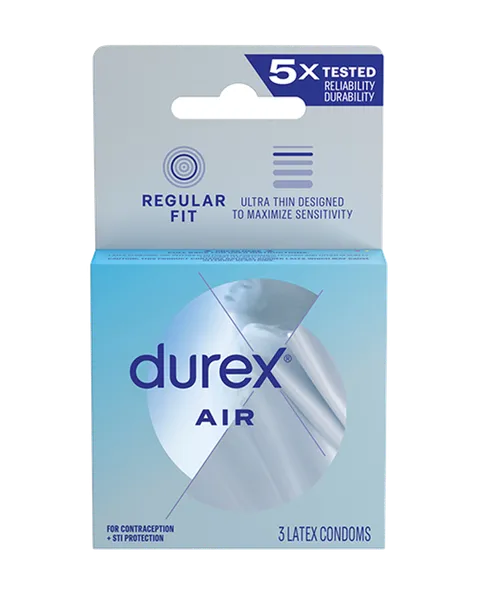
- Put a condom over it if you share it or move between body areas. Thin options like Durex Air or Trojan BareSkin Raw keep sensation high.
- Store it on its own. Soft plastics can react with other toys and turn sticky where they touch.
- Replace it when it looks cloudy, smells off, feels tacky or starts to tear.
How do these materials compare side by side?
| Material | Porous? | Feel | Lube it likes | Can you boil it?* | Best for |
|---|---|---|---|---|---|
| Silicone | No | Soft to firm, velvety | Water-based (silicone only if approved) | Often, if no electronics | Vibrators, dildos, Kegel trainers, everyday use |
| Borosilicate glass | No | Rigid, ultra-smooth | Any | Check maker; avoid sudden temperature shocks | Firm pressure, temperature play |
| Stainless steel | No | Rigid, heavy, cool | Any | Usually, if no electronics | Plugs, wands, weighty sensation |
| Aluminum | No | Rigid, light | Any | Usually not (coating can wear) | Lightweight metal toys |
| ABS plastic | No | Hard, smooth | Water-based or silicone | No | Bullets, budget vibrators, toy bodies |
| TPE / TPR | Slightly | Soft, stretchy, realistic | Water-based only | No | Budget realistic toys, strokers |
*Always follow the manufacturer's care instructions. Never boil anything with a battery, motor or charging port.
How can you tell what a toy is really made of?
Reputable brands list their materials clearly. When a listing is fuzzy, treat that as information too. Be cautious if you notice:
- Vague wording like skin-safe, jelly, rubber or silicone blend with no further detail.
- For novelty use only on the packaging, which can be a way of avoiding body-contact standards.
- A strong chemical or plastic smell straight out of the box.
- An oily or sticky surface, or a toy that seems to sweat over time.
- A price that seems far too low for something sold as pure silicone.
You may have heard of the flame test for silicone, but it is not a reliable way to judge a toy at home and it can damage what you just bought. Buying from a retailer that lists materials, and from brands that stand behind them, is the simpler route.
How do you clean and store each material?
For almost every material, the basics are the same: clean before and after use, rinse well, dry completely and store somewhere clean. The differences are mostly about heat and harsh products. Our full walkthrough, How to Clean Sex Toys (and Store Them) the Right Way, goes step by step, but here are the essentials.
Everyday cleaning
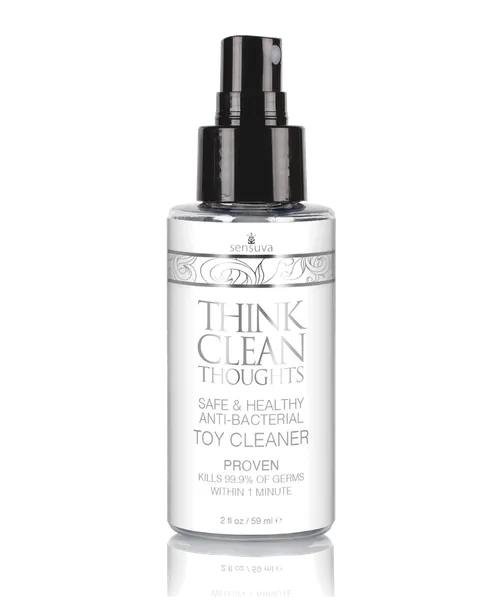
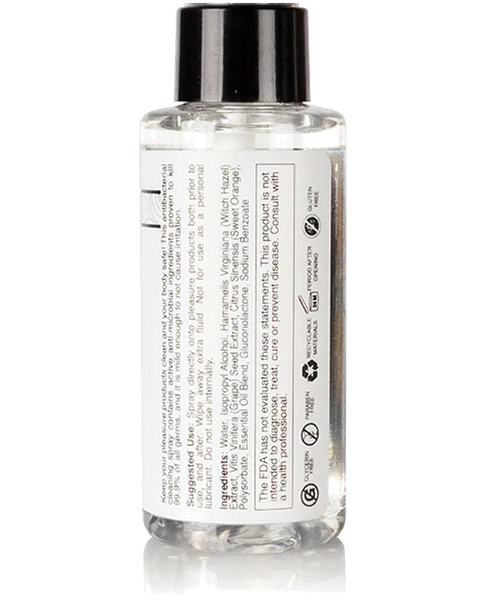
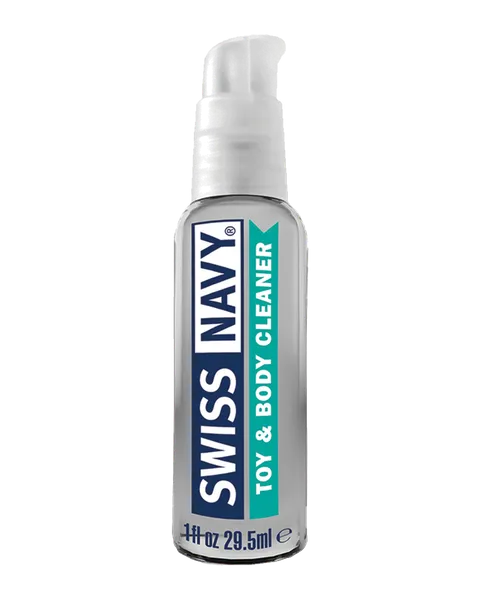
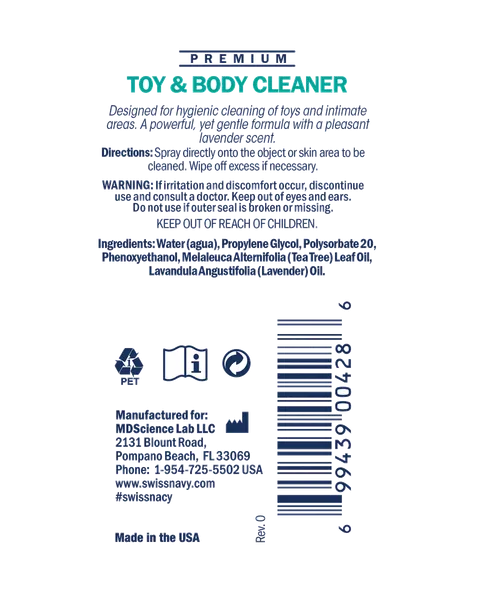
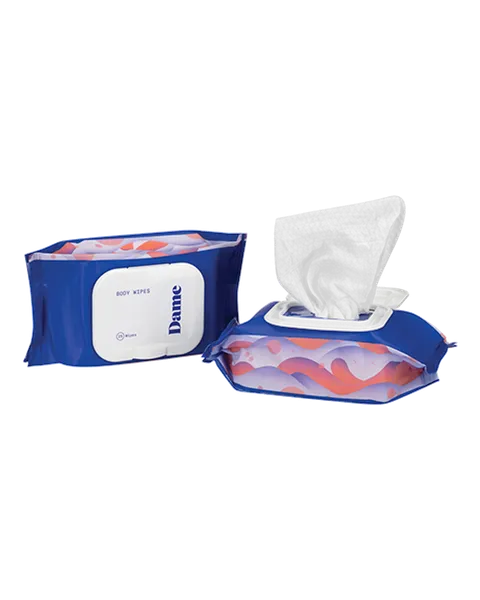
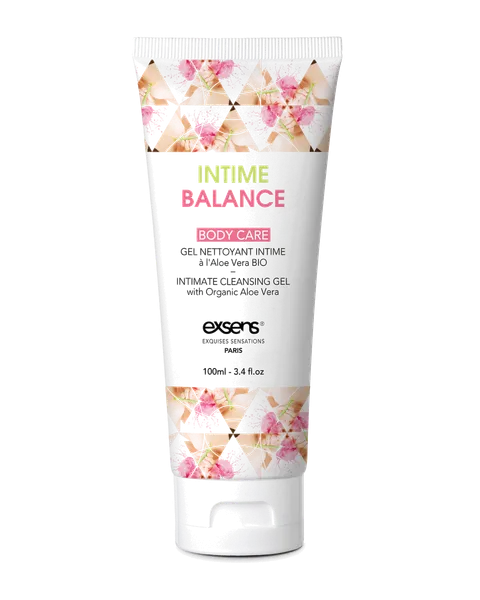
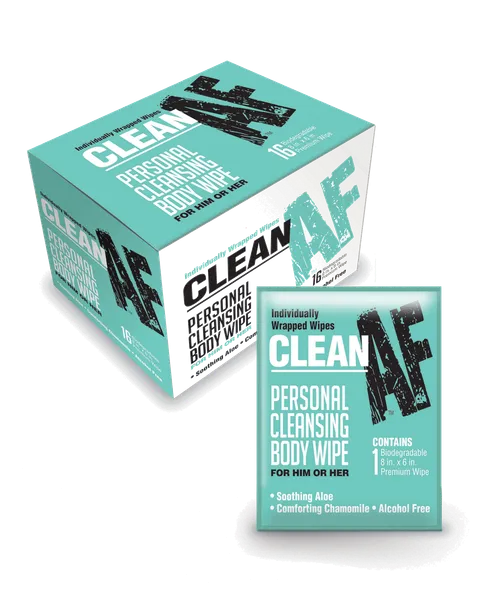
A dedicated toy cleaner is gentle on materials and on you. Swiss Navy Toy & Body Cleaner comes in a handy travel size, and Sensuva Think Clean Thoughts Anti Bacterial Toy Cleaner is a good spray-and-wipe pick for nonporous toys. Skip bleach, alcohol and harsh household cleaners; they can damage silicone, scratch coatings and irritate skin.
Extra sanitizing
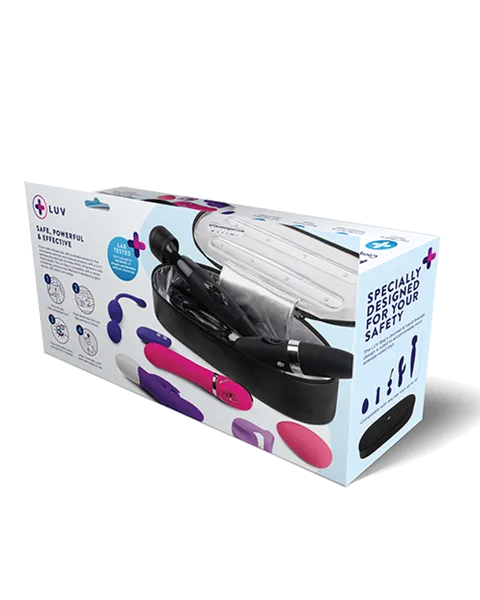
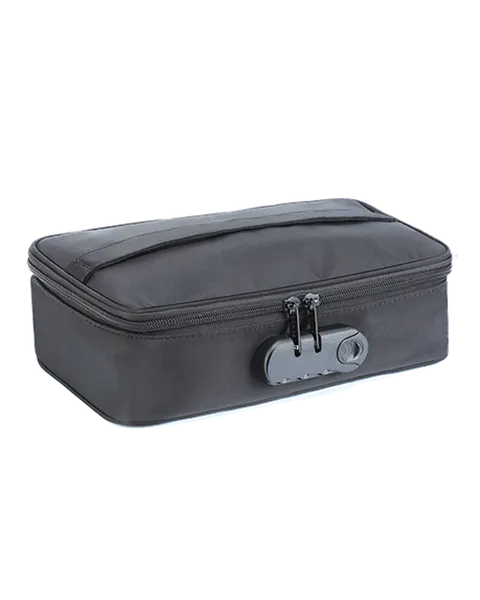
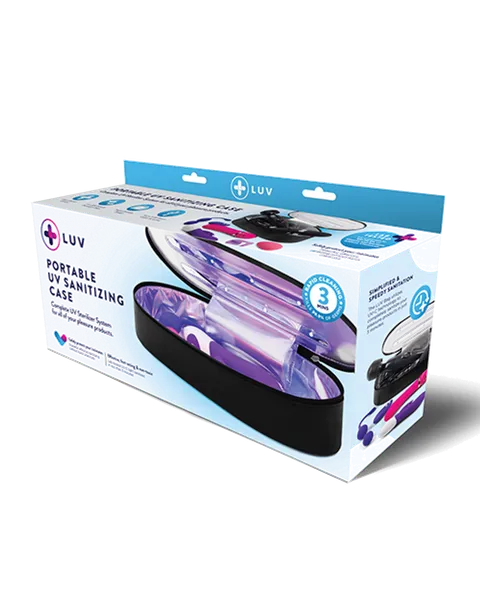
If you like an extra step between washes, the LUV Portable UV Sanitizing Case uses UV light designed to sanitize toys and doubles as discreet storage. Think of it as a bonus, not a replacement for washing.
Storage
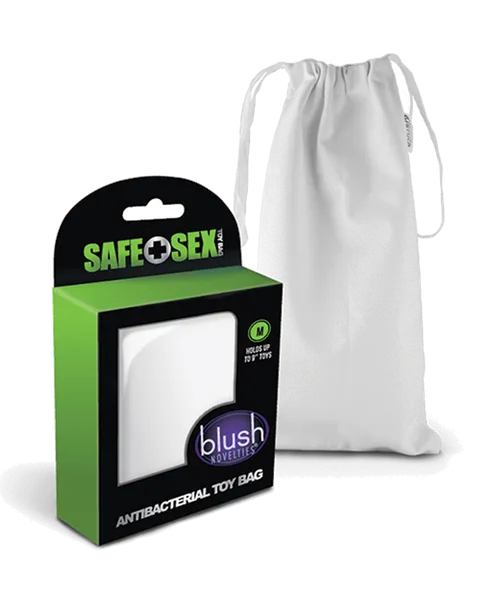
Keep toys in individual pouches so different materials do not touch. A breathable bag like the Blush Safe Sex Antibacterial Toy Bag works well, especially for TPE or anything that should not rub against other toys. Glass and metal appreciate padding to prevent chips and scratches. You will find more storage and cleaning supplies in Toy Care & Essentials.
Which material should you choose?
There is no single right answer, just the right fit for your body, budget and habits. Try asking yourself these questions in order:
- How much does hygiene matter for this toy? If you plan to share it, use it often or use it internally for long periods, go nonporous: silicone, glass or metal.
- What sensation do you want? Soft and flexible points to silicone. Firm, precise and smooth points to glass or steel. Strong buzz on a budget points to ABS.
- What lube do you prefer? Silicone lube lovers often enjoy glass, metal and ABS. Water-based fans can use anything.
- What is your budget? TPE and ABS cost less up front. Silicone, glass and steel cost more but tend to last much longer.
- Any sensitivities? If you have allergies or recurring irritation, stick with well-labeled silicone or glass and check in with a clinician. Planned Parenthood is a reliable starting point for sexual health questions.
Still torn? Our Find Your Match quiz takes about two minutes and points you toward toys that suit what you are after. You can also browse every style in our vibrator collection and filter by what matters to you.
The bottom line on toy materials
Knowing your materials turns shopping from guesswork into a confident choice. Look for clear labels, favor nonporous options for anything you will use often, match your lube to your material, and give porous toys a little extra love.
When you are ready, everything ships in a plain, unbranded box with a neutral billing name, shipping is free on orders over $79, and unopened items can be returned within 30 days. Pairing a new toy with cleaner and lube? Build Your Own Bundle can save you up to 20%, and every order earns YourFemme Rewards points.
Frequently asked questions
Can I use silicone lube with silicone sex toys?
Sometimes, but it is not guaranteed. Silicone lube can react with some silicone toys and leave the surface tacky or rough, which makes it harder to clean. Water-based lube is the safe default. If you prefer silicone lube, check whether the toy maker approves it, or test a small dab on the base of the toy and wait before using it fully.
Can you boil sex toys to sanitize them?
Only some. Solid silicone, stainless steel and some glass toys with no electronics can usually be boiled for a few minutes, but always check the manufacturer's instructions first. Never boil anything with a motor, battery or charging port, even if it is waterproof. ABS, TPE and coated aluminum should not be boiled; wash them with warm water and a gentle toy cleaner instead.
Is TPE toxic or unsafe?
Quality TPE is generally phthalate-free and is not considered toxic, but it is slightly porous, so it cannot be fully sanitized. That makes it fine for personal use if you clean it promptly, dry it completely, use water-based lube and store it separately. Use a condom over it if you share it, and replace it when it turns sticky, cloudy or smelly.
Will a glass sex toy break during use?
Toys made from borosilicate glass are tough and designed to handle body-temperature use and gentle warming or cooling. The main risk is existing damage. Inspect the toy before every use for chips, cracks or rough patches and retire it if you find any. Avoid dropping it, avoid sudden extreme temperature changes, and store it in a padded pouch.
What does phthalate-free mean on a sex toy?
Phthalates are chemicals that were commonly added to soft plastics, including older jelly and PVC toys, to make them flexible. Many people prefer to avoid them for toys that touch intimate skin. A phthalate-free label is a good sign, but it does not mean a toy is nonporous. Check the actual material too, since TPE can be phthalate-free and still slightly porous.
How long do sex toys last?
It depends on material and care. Well-kept silicone, glass and stainless steel toys can last for years, while rechargeable vibrators eventually depend on battery life. Porous TPE toys usually need replacing sooner. Retire any toy that shows cracks, tears, a sticky or cloudy surface, an odor that will not wash out, or electronics that stop working properly.
Which sex toy material is best for beginners?
Silicone is the easiest all-rounder for most beginners: it is soft, warms quickly, is nonporous and is simple to clean. If you want a low-cost first vibrator, an ABS bullet is also a good nonporous option. Glass and metal are lovely once you know you enjoy firmer pressure. Pair any of them with a water-based lube and a gentle toy cleaner.
More Product Safety & Materials questions in the Help Center
Browse more toy care & essentials, all shipped in a plain box with discreet billing.