Key takeaways
- The G-spot is best understood as a sensitive region on the front vaginal wall rather than a single on-off button.
- It likely involves the internal clitoris, the urethral sponge and Skene's glands, all of which respond to arousal.
- Warm up first, use plenty of lube and try firm, steady “come here” pressure instead of fast movement.
- A curved G-spot vibrator solves the reach problem and works especially well alongside external clitoral stimulation.
- Not loving G-spot play is completely normal, while pain is a signal to stop and check in with a clinician.
The G-spot is a sensitive area on the front (belly-side) wall of the vagina, usually a couple of inches inside. Many experts now see it as part of a network including the internal clitoris, urethral sponge and Skene's glands. To find it, get aroused first, then use a 'come here' curl with a finger or curved toy.
Few body parts have caused as much confusion, debate and frankly bad advice as the G-spot. It's been called a myth, a magic button and, worst of all, a test you can somehow fail. The truth is kinder and a lot more interesting. It's a real, explorable area that responds differently from person to person, and there's no wrong result.
This guide covers what's actually going on anatomically, how to explore solo or with a partner, which toys make the search easier, and what to do if the whole thing leaves you shrugging.
Is the G-spot real, or is it a myth?
Short version: the sensations are real, but the word “spot” is a bit misleading. The name honors Ernst Gräfenberg, a German gynecologist who described a sensitive zone on the front vaginal wall in 1950. The catchy nickname took off decades later.
Researchers have looked for a single, distinct G-spot structure and haven't agreed on one. What many experts describe instead is a cluster of tissues sitting close together behind the front vaginal wall, all of which get more sensitive with arousal:
- The internal clitoris. The clitoris is far bigger than the small glans you can see. Its legs (called crura) and bulbs extend inside the body and wrap around the vaginal opening and urethra.
- The urethral sponge. Spongy erectile tissue surrounding the urethra, the tube you pee through. It fills with blood when you're turned on.
- Skene's glands. Small glands near the urethra, sometimes nicknamed the “female prostate” because they develop from similar tissue.
Together, these are often called the clitourethrovaginal (CUV) complex, a mouthful that simply means these structures work as a team. So when you press on the “G-spot,” you're likely stimulating that whole neighborhood, including parts of the clitoris from the inside. That's why some people adore it, some feel very little, and both responses are completely normal.
Think of the G-spot less as a button and more as a region, one that's much easier to feel when you're already turned on.
Where exactly is the G-spot located?
Most people find it on the anterior vaginal wall, meaning the front side that faces your belly button, roughly one to three inches in. That's about the depth of one or two finger knuckles. Bodies vary, so treat this as a starting point rather than a measurement.
What does it feel like to the touch?
When you're not aroused, the area may feel just like the rest of the vaginal wall. As arousal builds and the urethral sponge fills, many people notice a slightly raised, ridged or textured patch. Some compare it to the roof of your mouth. Others never feel a distinct texture at all, and that's fine. How it feels to you matters more than finding a landmark.
Why does arousal matter so much?
Because the tissues involved swell with blood, the area tends to become more noticeable and more pleasurable the more turned on you are. Jumping straight to internal pressure often feels like nothing much, or like someone's pressing on your bladder. Warm-up isn't extra credit here. It's the main event.
What does G-spot stimulation feel like?
Descriptions vary a lot, but you'll often hear people mention:
- A deep, full, spreading pleasure that feels different from external clitoral touch
- A strong urge to pee, especially at first
- Pleasure that builds slowly rather than peaking fast
- Not much at all, or mild discomfort
That need-to-pee feeling makes sense once you know the anatomy: you're pressing on tissue that surrounds the urethra. Emptying your bladder beforehand helps you relax into it and trust that the sensation usually passes or shifts into pleasure.
If pressure ever feels sharp or painful, stop. If pain during penetration is a regular thing for you, it's worth talking to a gynecologist or your doctor. Planned Parenthood and the Cleveland Clinic are also reliable, judgment-free places to read up on sexual health.
How do you find your G-spot? A step-by-step approach
Solo exploration is the easiest way to learn what you like before bringing anyone else in. Here's a low-pressure method:
- Set the scene. Pee first, wash your hands, file any sharp nails and give yourself time with zero agenda.
- Warm up externally. Start with whatever usually feels good: your hands, a wand or clit toy, a favorite fantasy. Aim to be genuinely aroused before going inside.
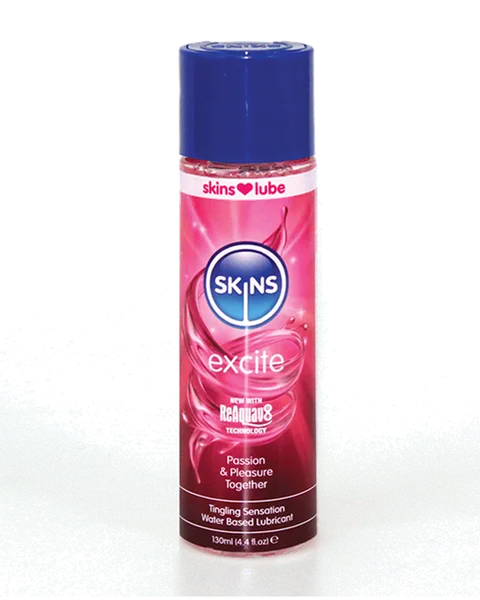
- Add lube. Even if you're naturally wet, a slick water-based option like Skins Excite Water Based Lubricant makes everything smoother. Browse more in our lubricants section.
- Find the front wall. Lying on your back with knees bent, insert one or two fingers palm-up and curl them toward your belly button in a “come here” motion.
- Explore pressure, not speed. Try firm, steady pressure, slow strokes, small circles or gentle tapping. This area often prefers broader, firmer pressure than the external clitoris does.
- Combine. Keep external stimulation going with your other hand or a toy. For many people, inside-plus-outside is where it clicks.
- Pause and notice. If it feels like nothing, that's information, not failure. Try again another day, in another position or with a toy.
Which positions make it easier?
Reaching your own front wall with fingers can be awkward, so experiment. Try lying on your back with a pillow under your hips, squatting, or kneeling. Lying on your stomach changes the angle in a way some people prefer. With a partner, positions that angle toward the front wall, like you on top leaning back slightly or rear-entry positions, tend to work well.
Do you need a G-spot vibrator?
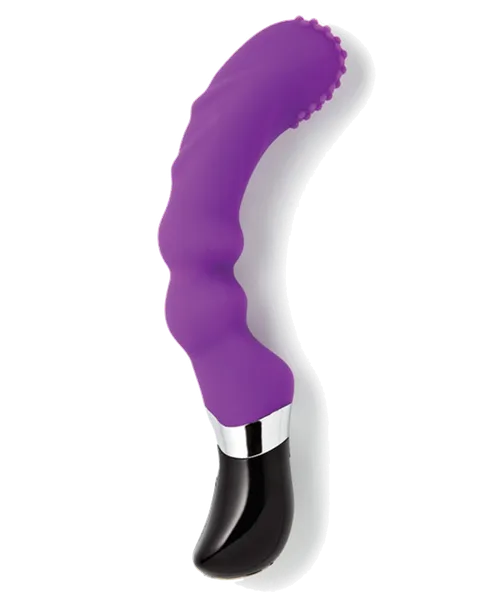
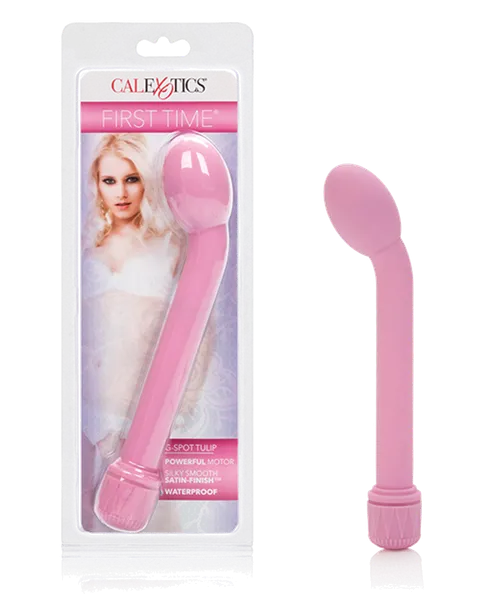
Need? No. But a G-spot vibrator, meaning a vibrator with a curved shaft and a firmer, often rounded or flattened tip designed to press on the front vaginal wall, solves the biggest practical problem: reach. The curve does the angling for you, so you can focus on sensation instead of wrist gymnastics.
Browse our full range of G-spot vibrators and you'll notice a few distinct styles. Here's how they compare:
| Style | What it is | Good for | Try |
|---|---|---|---|
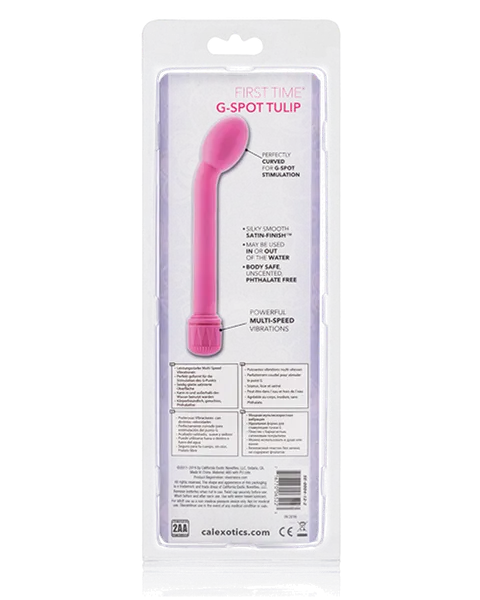
| Slim curved | Narrow shaft with a gentle bend | Beginners and anyone who prefers a smaller size | First Time G Spot Tulip ($29.99) |
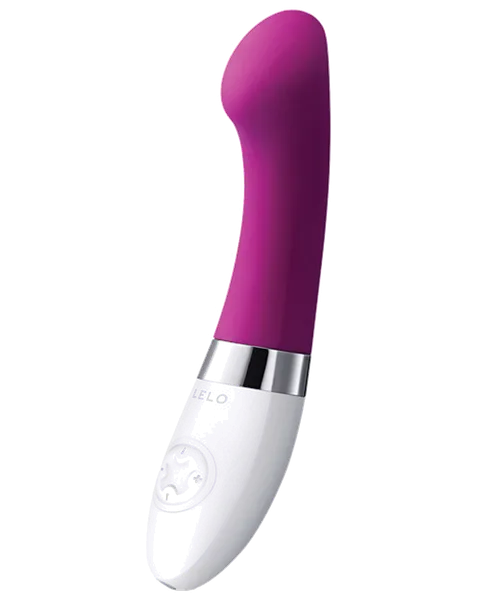
| Flat or rounded tip | Wider head built for broad, targeted pressure | People who like firm, focused pressure | LELO Gigi 2 ($163.99) |
| Mini | Short, compact and discreet | Travel or a low-commitment first try | VeDO Gee Mini Vibe ($39.99) |
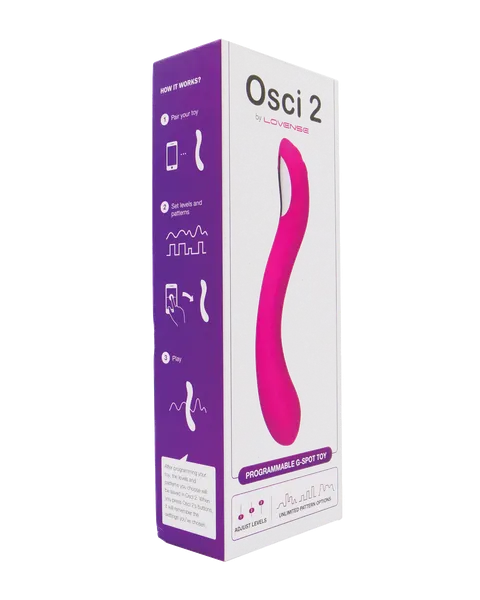
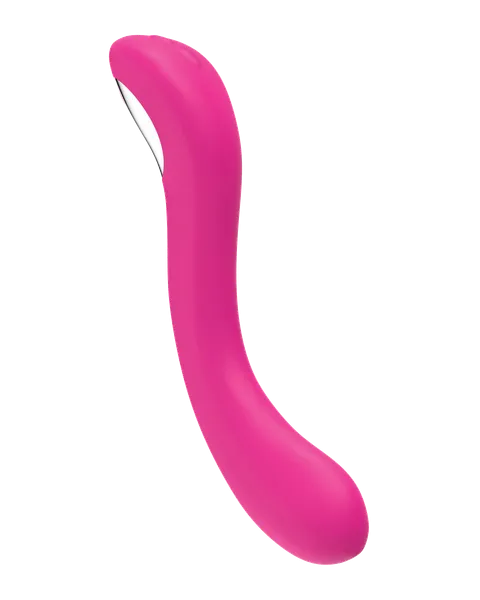
| Oscillating or rolling | Moves back and forth or rolls rather than only buzzing, echoing the “come here” motion | Anyone who prefers motion over vibration | Lovense Osci 2 ($130.99) |
| Dual stimulation | Internal shaft plus an external arm for the clitoris | Inside-and-outside at the same time | Dorcel G-Stormer ($169.99) |
Easy, affordable starter picks
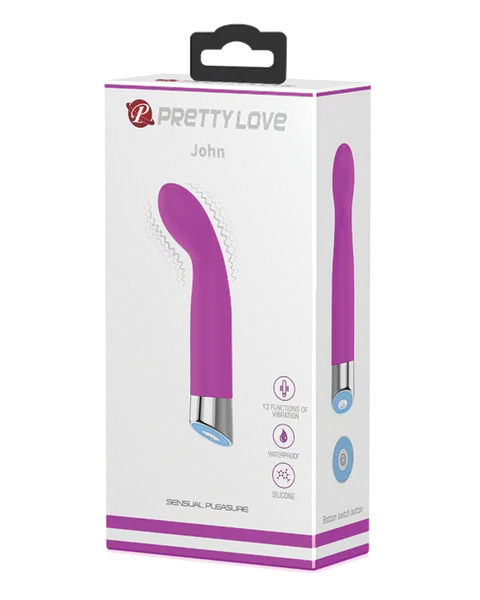
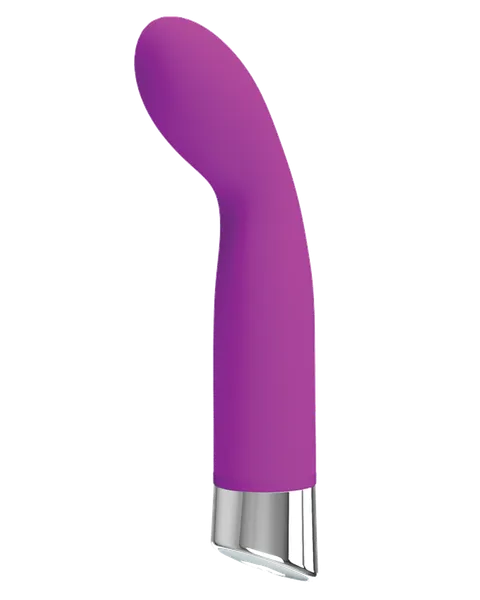
If you're new to internal toys, start small and simple. The First Time G Spot Tulip is made with beginners in mind, the Pretty Love John Mini G keeps things compact, and the Blush Luxe Purity G Silicone Vibrator gives you a smooth silicone curve under $40. Not sure where to begin? Our guide on how to choose your first vibrator helps, or take the two-minute Find Your Match quiz.
Worth-the-splurge options
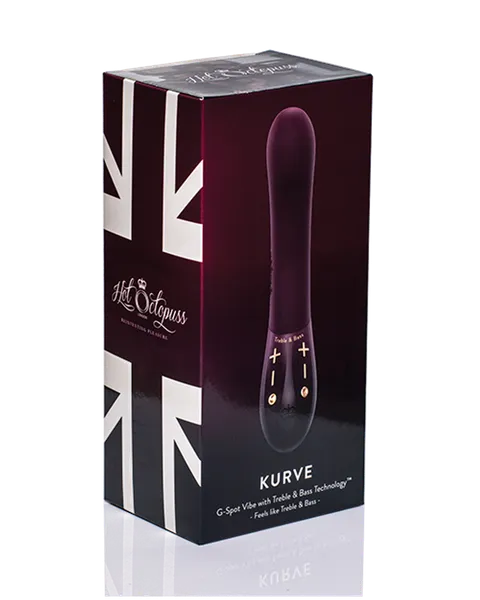
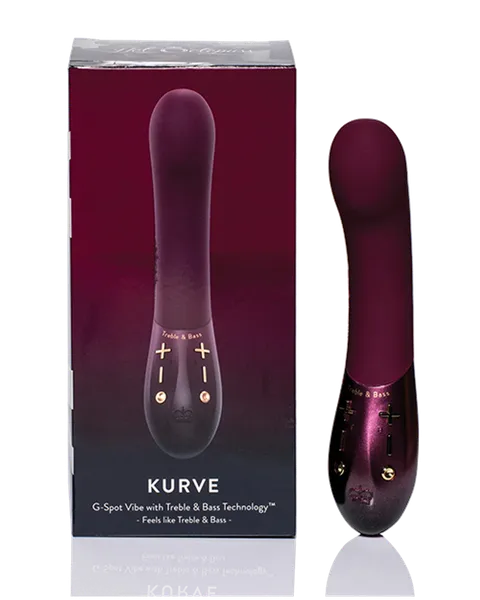
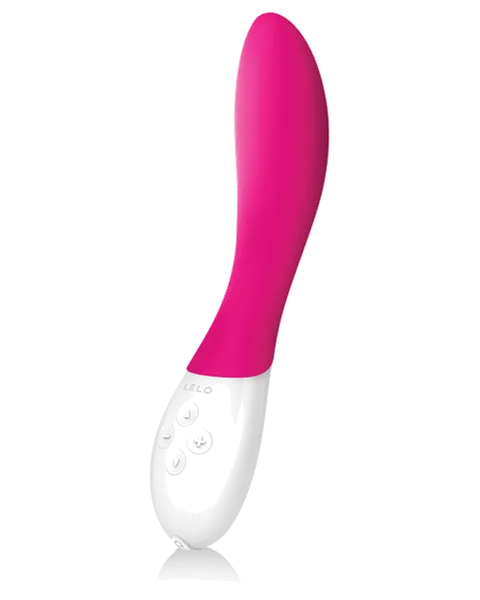
If you already know you like internal pressure, a premium toy can be a long-term favorite. The LELO Mona 2 pairs a pronounced curve with a rounded tip, while the LELO Gigi 2 has a flatter tip for broad pressure. The Le Wand GEE and Hot Octopuss Kurve are other rechargeable, G-spot-targeting options worth a look.
If vibration alone doesn't do it
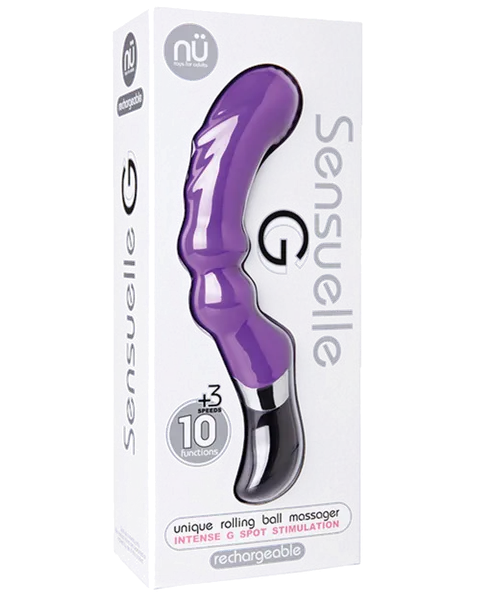
Some people find that pure buzz goes numb fast inside. Motion-based toys like the Lovense Osci 2 or the Nu Sensuelle G Unique Rolling Ball imitate the stroking of fingers. If you love combining sensations, explore rabbit vibrators, which handle both zones at once. For a full tour of shapes, see types of vibrators explained.
Whatever you pick, choose a body-safe material, meaning non-porous and free from questionable additives, such as silicone, glass or metal. Our guide to what body-safe actually means breaks it down.
How do you use a G-spot vibrator?
Start the same way you would with fingers: arousal first, lube second. Turn the toy on at its lowest setting and use it externally for a while before going inside.
When you're ready, insert it with the curve facing your belly button. Instead of thrusting in and out, try holding it still and pressing the tip gently upward, or rocking the handle so the tip moves in small strokes against the front wall. That “lever” motion is often more effective than speed.
Play with settings slowly. Many people find steady, deep vibration works better internally than fast, fluttery patterns. And don't forget the outside: a free hand or a second toy on the clitoris often turns “that's nice” into something much better.
What about squirting?
Some people release fluid during G-spot stimulation or orgasm, commonly called squirting. Researchers still debate exactly what the fluid is made of, but it's a normal response for some bodies and not one for others. It isn't a sign of a “better” orgasm, and it isn't a goal you need to chase. If you'd like to stop worrying about sheets, a towel underneath does the job.
What if G-spot play just isn't your thing?
Then it isn't, and your body is not broken. Plenty of people orgasm mainly or only from external clitoral stimulation, and plenty find internal pressure underwhelming. Given that the G-spot area likely involves the internal clitoris anyway, preferring direct external touch is simply preferring a different route to the same place.
If you're curious, try again when you're more aroused, with more lube, in a new position or with a differently shaped toy. If it still doesn't land, you've learned something useful about your body. That's a win.
How can you explore the G-spot with a partner?
Partner exploration works best when it's collaborative rather than a performance. Share what you've learned solo, guide their hand, and give real-time feedback like “firmer,” “slower” or “right there.” A curved toy can take the pressure off fingers and lets you both experiment with angles.
If bringing a toy into the bedroom feels like a big conversation, our guide on how to suggest a sex toy to your partner makes it easier, and our couples collection has plenty of shared-play ideas.
How should you care for your G-spot toys?
Clean your toy before and after every use with warm water and mild soap or a dedicated cleaner like Swiss Navy Toy & Body Cleaner. Let it dry fully, then store it somewhere dust-free. Our guide to cleaning and storing sex toys has the details, and you'll find cleaners and pouches in Toy Care & Essentials.
One lube tip: pair silicone toys with water-based lube, since some silicone lubes can affect silicone surfaces. More in our water vs. silicone lube guide.
When you're ready to shop, everything ships in a plain box with a neutral billing name, shipping is free over $79, and unopened items can be returned within 30 days. Pairing a toy with lube and cleaner? Build Your Own Bundle saves you up to 20%, and every order earns YourFemme Rewards points.
Frequently asked questions
Does everyone with a vagina have a G-spot?
Everyone with a vagina has the tissues that make up the G-spot area: the internal clitoris, the urethral sponge and Skene's glands. What varies is how sensitive that area is and how much you enjoy pressure there. Some people find it intensely pleasurable, some feel very little, and some prefer external stimulation entirely. All of those are normal responses, not signs that something is missing.
How far inside is the G-spot?
For most people it sits roughly one to three inches inside the vagina on the front wall, the side facing your belly button. That's usually reachable with one or two fingers curled upward. Because the tissue swells with arousal, it can feel closer and more noticeable when you're turned on, so explore after a good warm-up rather than right away.
Why do I feel like I need to pee during G-spot stimulation?
The G-spot area surrounds the urethra, so pressing on it can mimic bladder pressure, especially at first. Peeing beforehand helps you relax and trust the feeling, and many people find the urge fades or turns into pleasure as arousal builds. If you notice pain, burning or frequent urgency outside of sex, check in with a clinician to rule out an infection.
Can you stimulate the G-spot during penetrative sex?
Yes, though it depends on angles and anatomy. Positions that direct penetration toward the front vaginal wall tend to work best, such as you on top leaning back slightly or rear-entry positions. Adding external clitoral stimulation or a curved toy often helps more than any single position. Clear, real-time communication with your partner beats guesswork every time.
Is a G-spot orgasm different from a clitoral orgasm?
Some people describe G-spot orgasms as deeper or more full-bodied, while clitoral orgasms feel sharper and more localized. Others notice no difference at all. Since the G-spot area likely includes internal parts of the clitoris, the two aren't as separate as older debates suggested. There's no hierarchy here; the best orgasm is simply the one you enjoy.
Do people with a penis have a G-spot?
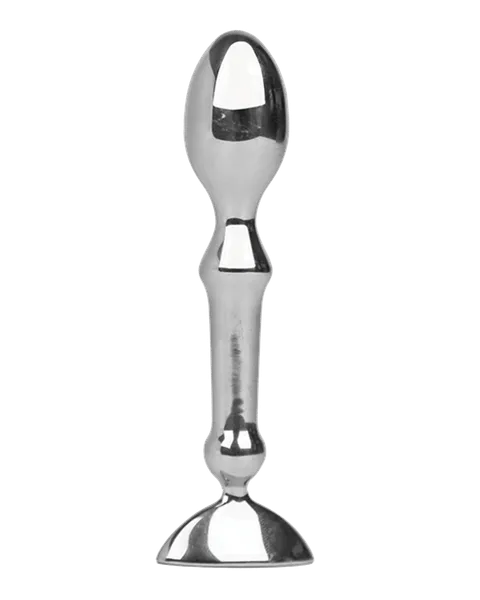
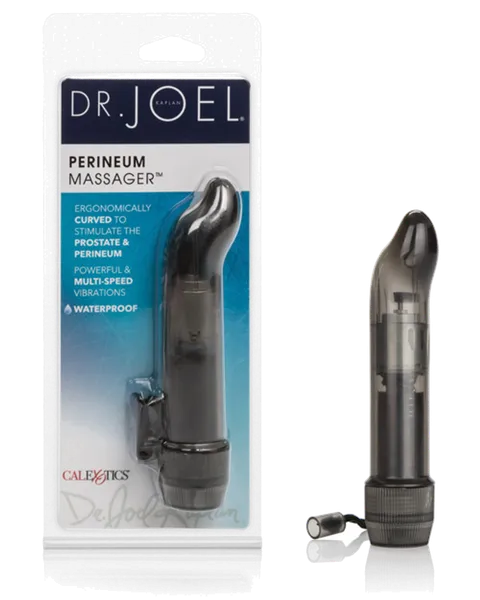
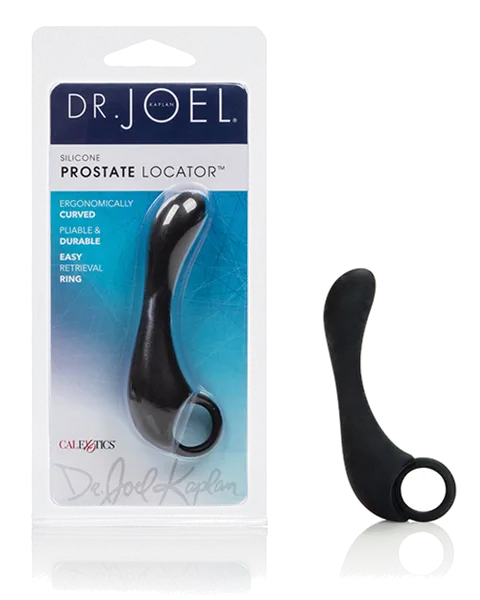
Not the same structure, but there's a comparable hotspot: the prostate, often called the P-spot. It sits a couple of inches inside the rectum toward the front of the body and can be very pleasurable to stimulate. Exploring it calls for plenty of lube, patience and toys designed for anal use with a flared base, like those in our Prostate & P-Spot section.
Is it normal not to enjoy G-spot stimulation?
Completely. Plenty of people find G-spot play underwhelming or uncomfortable, and many orgasm mainly or only from external clitoral stimulation. Your body isn't doing anything wrong. If you're curious, try again when you're more aroused, with more lube or with a different toy shape. If it's just not for you, that's a valid answer, not a problem to fix.
Browse more g-spot vibrators, all shipped in a plain box with discreet billing.