Knowledge Base
Clear, practical guides to choosing, using and caring for sex toys, lubricants and accessories. Every guide is written to answer the questions shoppers actually ask, with no jargon and no judgement.
22 articles

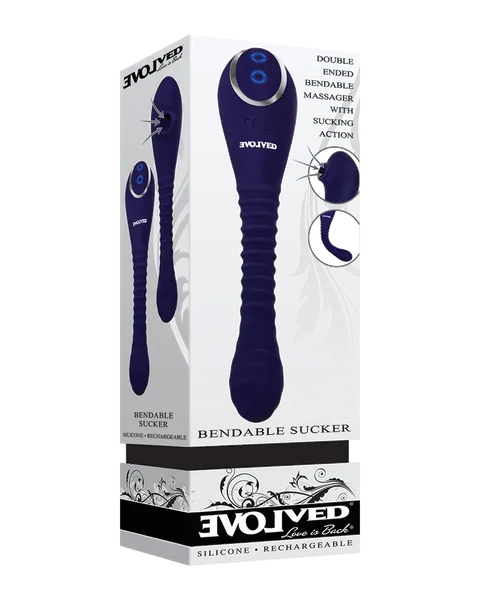
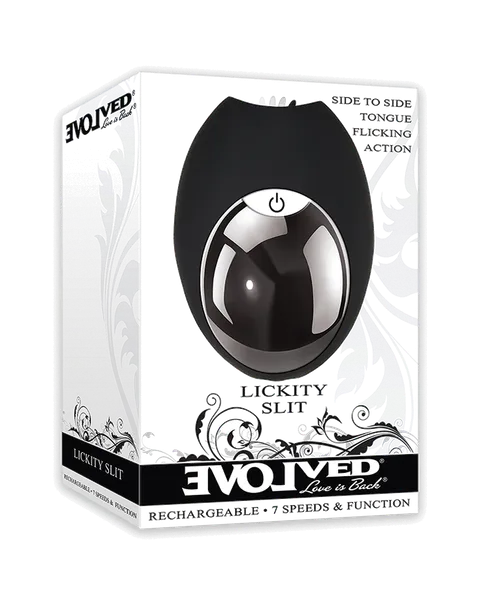
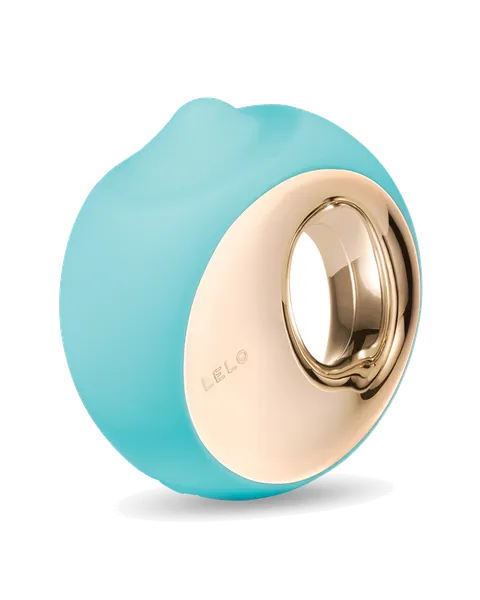
How Clitoral Suction Toys Work (and Who They Suit Best)
Clitoral suction toys use pulsing air, not direct contact. Learn how they work, who they suit, how to choose one, and tips for your first try.

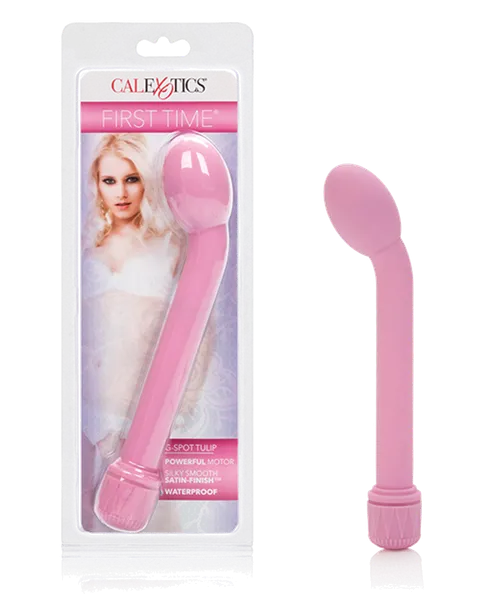
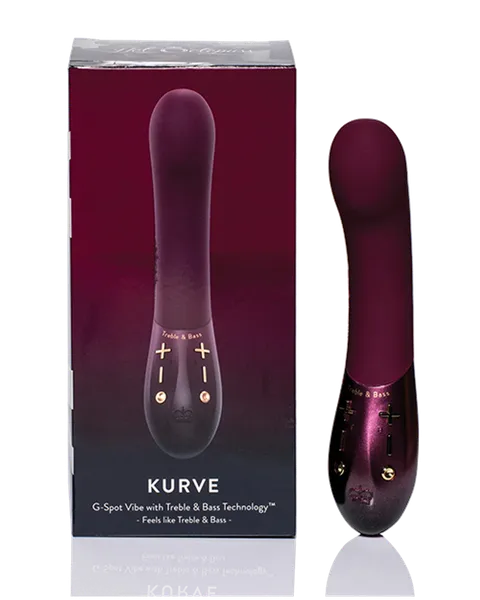
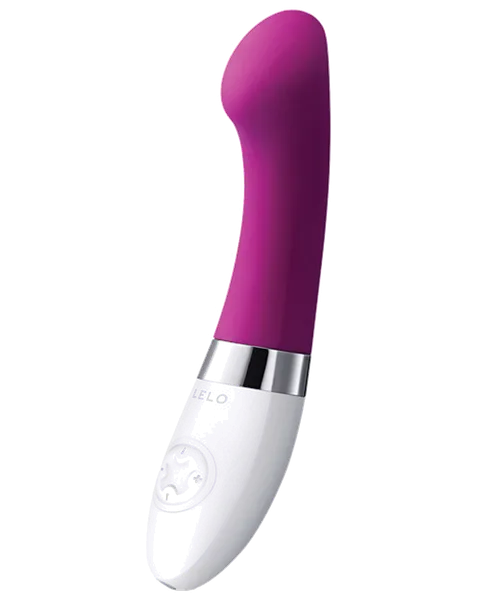
The G-Spot: What It Is, Where It Is & How to Find It
What is the G-spot, where is it, and how do you find it? A frank, body-positive guide to anatomy, techniques, toys and what to do if it's not your thing.

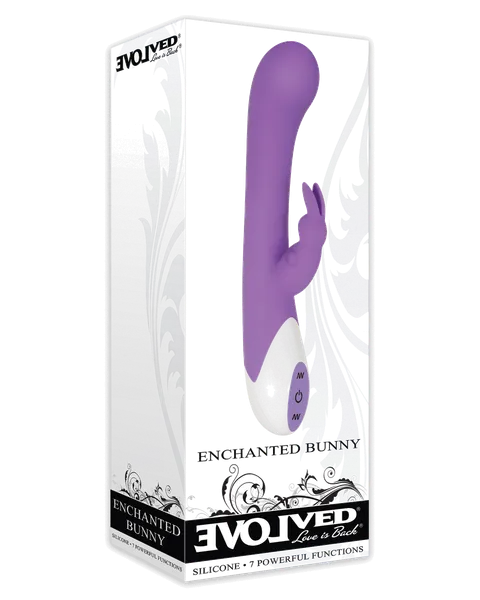
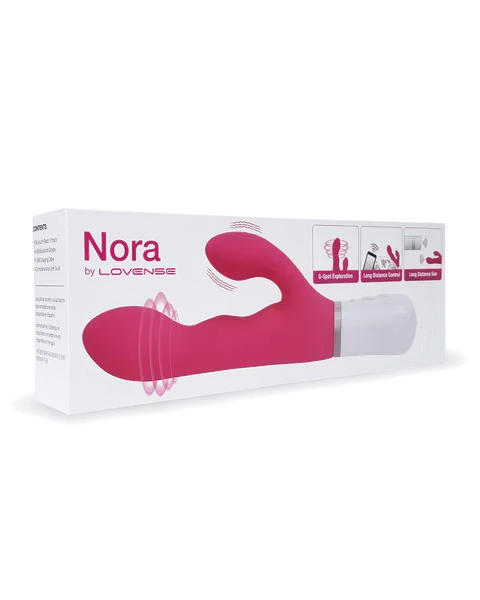
Types of Vibrators Explained: Bullets, Wands, Rabbits & More
Types of vibrators explained in plain English: bullets, wands, rabbits, G-spot, finger and clitoral suction toys, plus how to pick the right one for you.

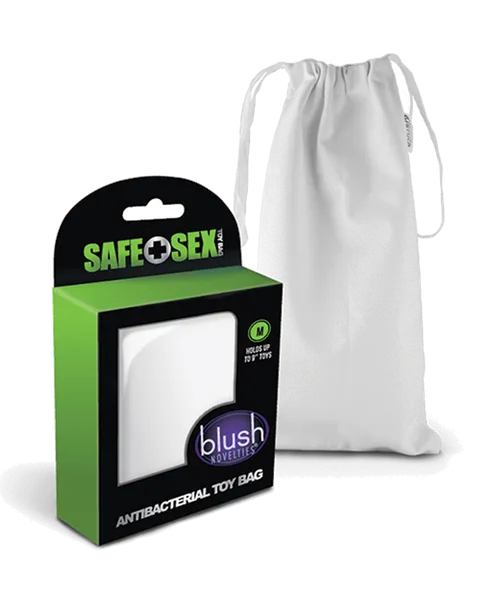
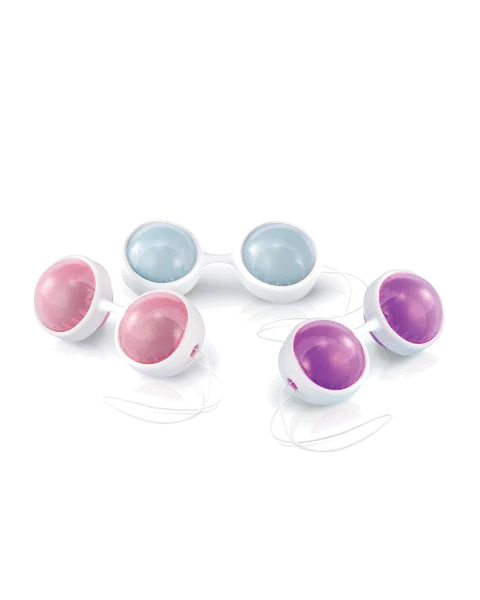
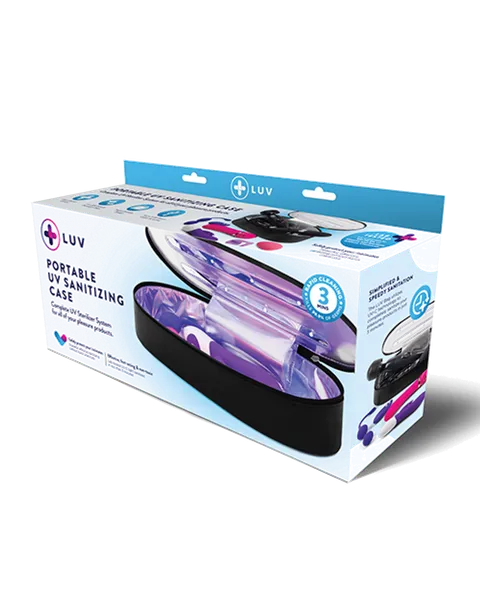
Sex Toy Materials Explained: Silicone, Glass, Metal, ABS & TPE
Sex toy materials explained: how silicone, glass, metal, ABS and TPE compare on feel, safety, lube compatibility and cleaning, and what to buy.

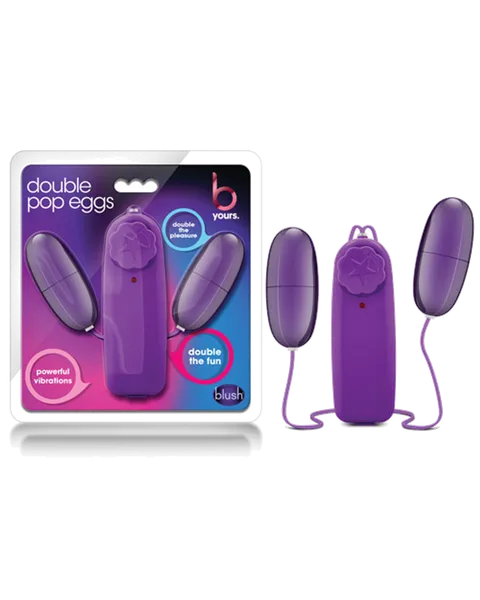
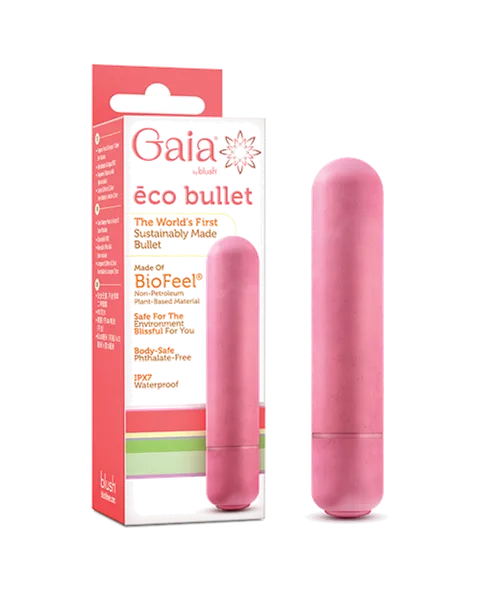
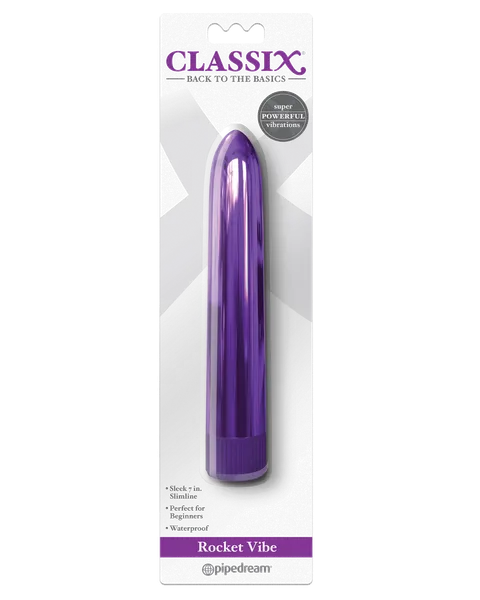
How to Choose Your First Vibrator (Without the Overwhelm)
Choosing your first vibrator? Learn how to pick the right type, strength, material and budget, plus what else to buy, without the overwhelm or guesswork.

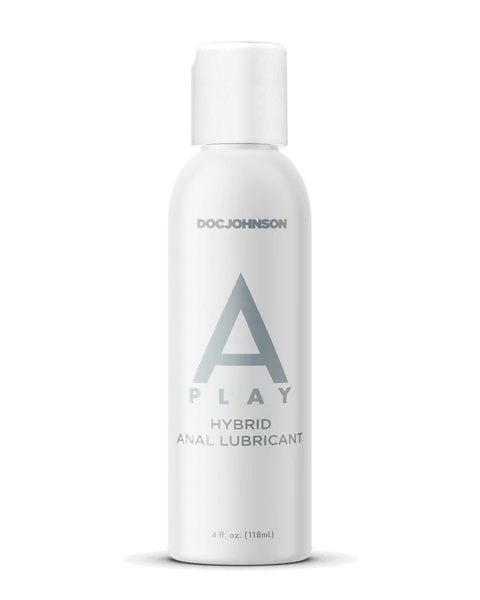
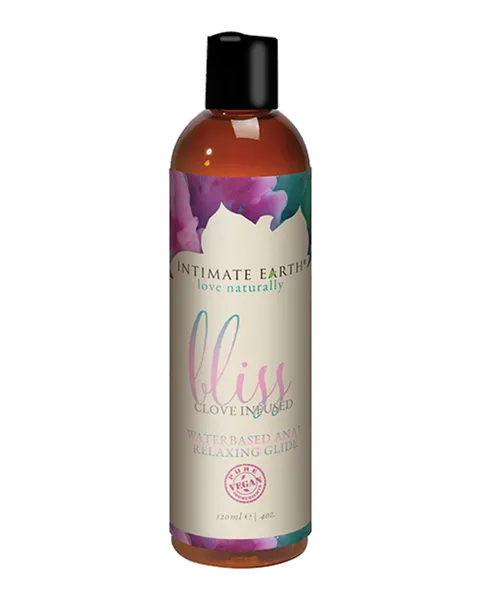

Water vs. Silicone Lube: The Only Guide You Need
Water vs. silicone lube: how they feel, how long they last, which toys and condoms they're safe with, and how to pick the right lube for every situation.

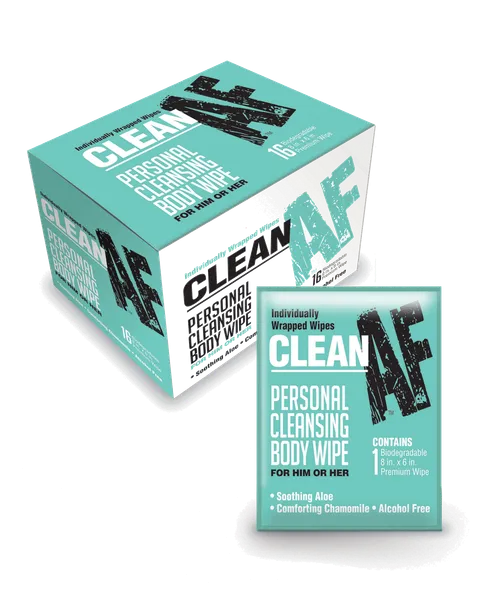
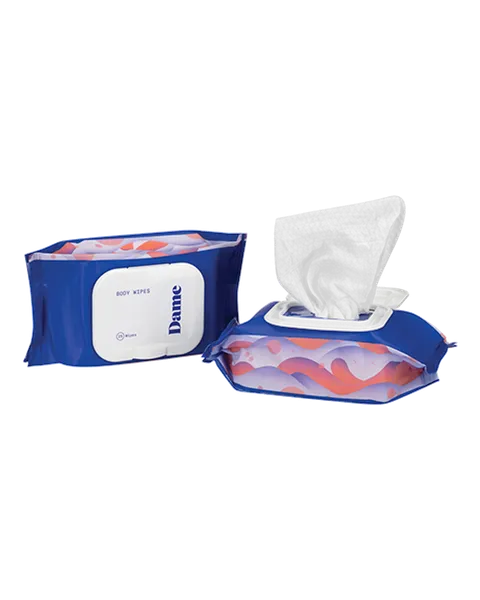
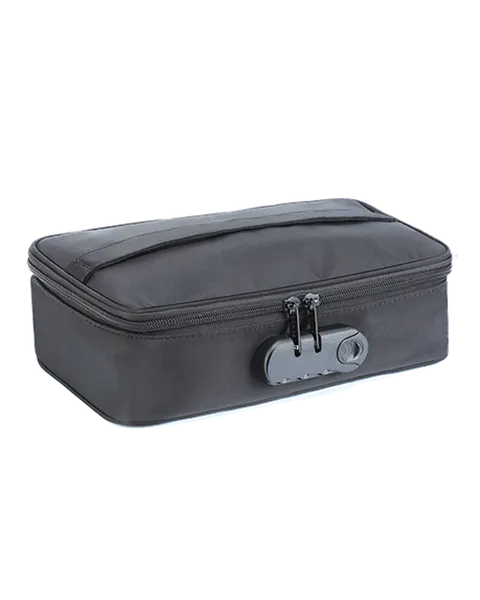
How to Clean Sex Toys (and Store Them) the Right Way
Learn how to clean sex toys by material, from silicone to TPE, care for vibrators safely, avoid common mistakes, and store your collection the right way.

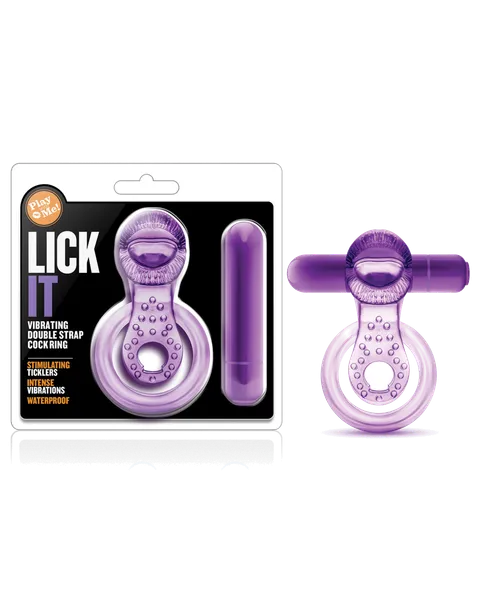
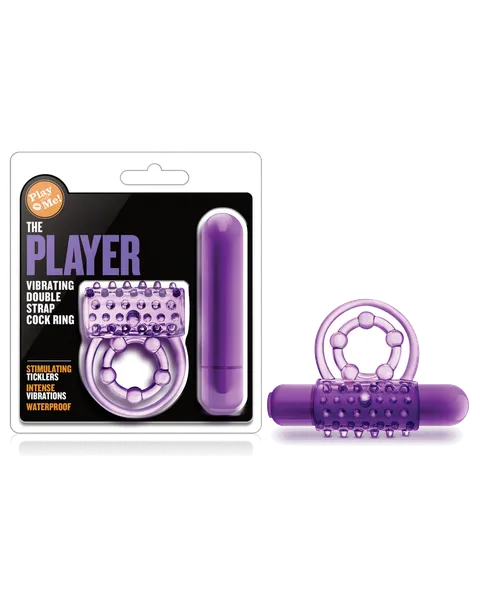
How to Suggest a Sex Toy to Your Partner Without Awkwardness
Want to suggest a sex toy to your partner without it feeling like criticism? Scripts, timing, easy beginner picks and what to do if they say no.

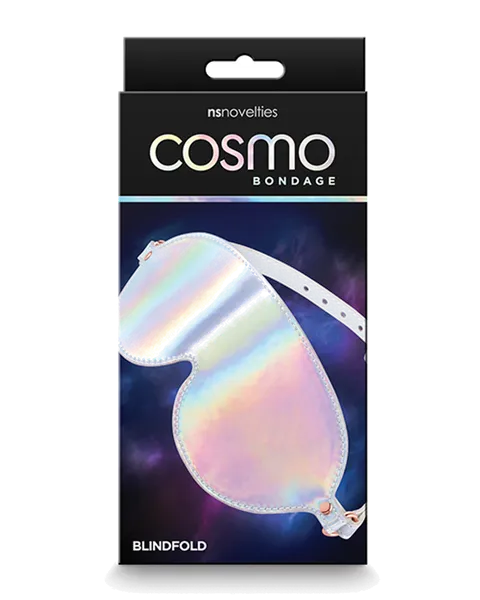
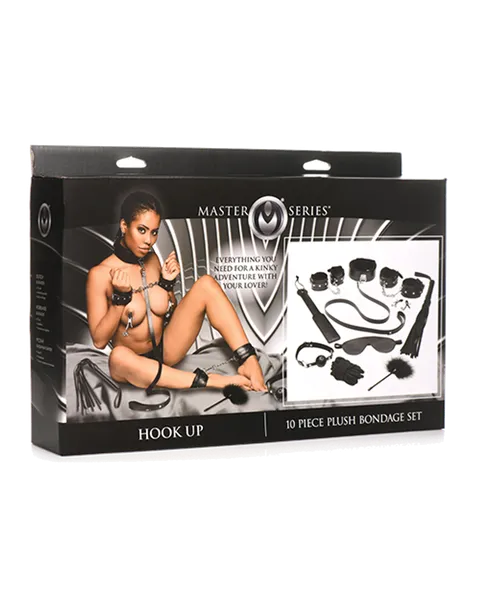
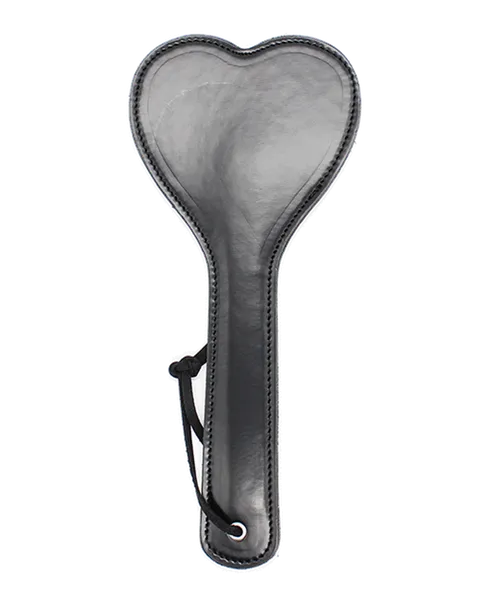
A Beginner's Guide to Light Bondage: Gear, Safety & Consent
New to light bondage? Learn how to talk about it, choose a safe word, pick beginner-friendly cuffs and blindfolds, stay safe, and give great aftercare.

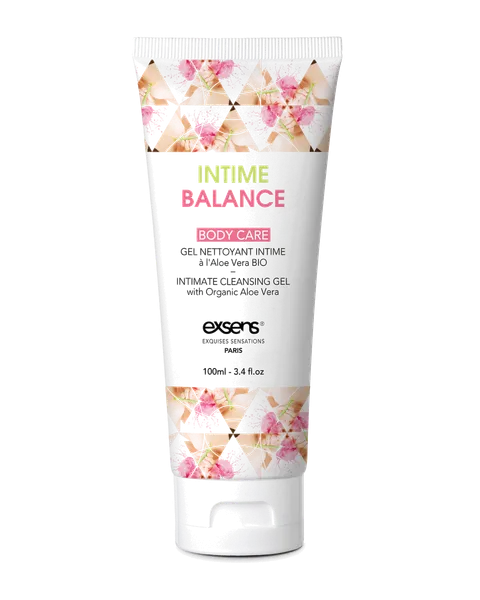
What Does “Body-Safe” Actually Mean? A Toy Material Guide
What does body-safe actually mean? Learn which sex toy materials are non-porous, which to avoid, and how to spot vague labels before you buy.
Showing 22 of 22
Questions these guides answer
Does anal play hurt the first time?
It shouldn't. Pressure, fullness and an unfamiliar sensation are common, but sharp or burning pain means you need more lube, more warm-up time or a smaller toy. Stop, breathe, and try again another day if needed. If pain continues even when you go slowly, check in with a clinician to rule out issues like fissures or hemorrhoids.
How long can you safely wear a butt plug?
Start with short sessions, around 10 to 20 minutes, and build up gradually as your body gets used to it. Smaller plugs with slim necks are best for longer wear. Remove the plug if you feel numbness, aching, or any sharp sensation, and give your body breaks between sessions. If you have ongoing discomfort or a medical condition affecting your bowel or anus, check with a clinician first.
Do I have to douche before anal play?
No, douching is optional. Most people find a bathroom trip and a shower are enough, since the rectum is usually empty. If douching helps you relax, use a small amount of lukewarm plain water, keep it gentle, and avoid doing it too often, because frequent douching can irritate the rectal lining.
Will sizing up permanently stretch me out?
The anal sphincters are muscles that naturally relax and contract, and gradual, gentle play with plenty of lube is generally considered low risk. Problems are more likely when people rush, force a size, or ignore pain. Sizing up slowly and taking breaks lets your body adjust comfortably. If you notice leakage, persistent pain, or changes in bowel control, talk to a clinician.
What size butt plug should a beginner get?
Smaller than you think. Look for the smallest size in a range, with a tapered tip, a narrow neck and a wide flared base. A graduated set lets you move up slowly over several sessions or weeks. If a finger feels comfortable, a plug of a similar width is a sensible place to start.
Should I use numbing lube for a bigger plug?
It's best not to. Numbing or desensitizing products dull the pain signals that tell you to slow down or stop, which makes it easier to cause small tears without realizing. A thicker water-based lube, a proper warm-up with a smaller toy, and slow breathing are much safer ways to make a larger size comfortable.