Knowledge Base
Clear, practical guides to choosing, using and caring for sex toys, lubricants and accessories. Every guide is written to answer the questions shoppers actually ask, with no jargon and no judgement.
6 articles tagged #toy care · Clear filters

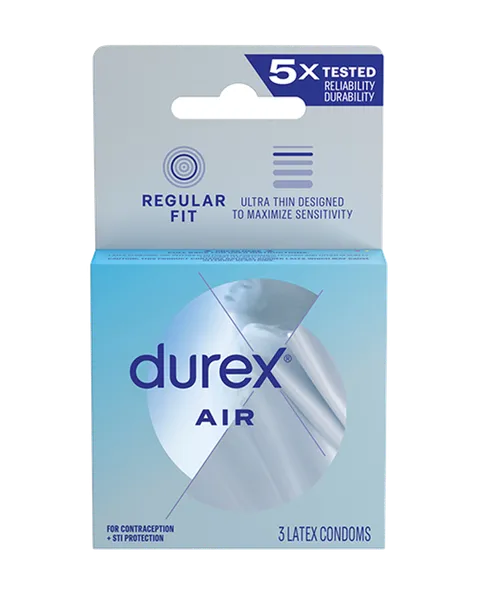
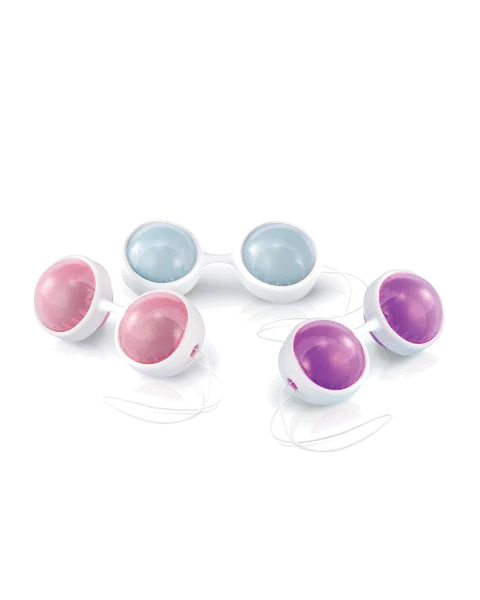
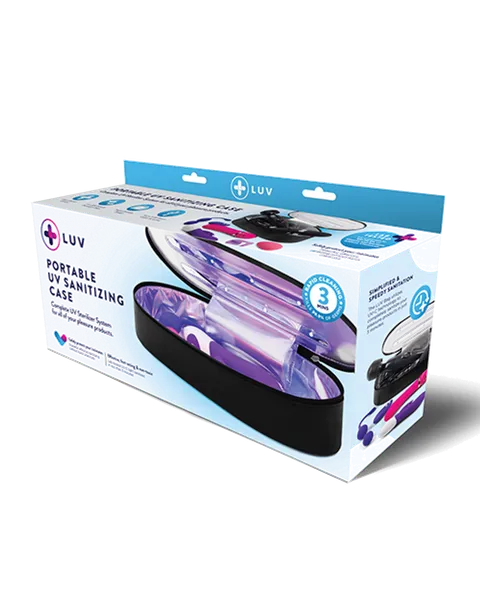
Traveling With Sex Toys: Airport Security & Packing Tips
Traveling with sex toys? Learn TSA rules, carry-on vs checked bags, lithium battery and lube limits, travel locks, customs laws and discreet packing.

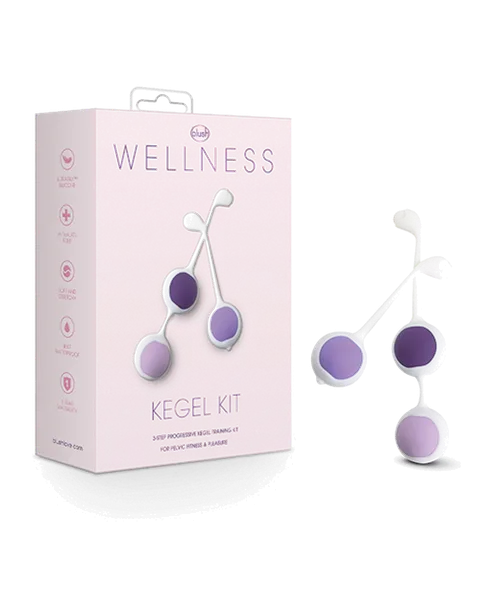
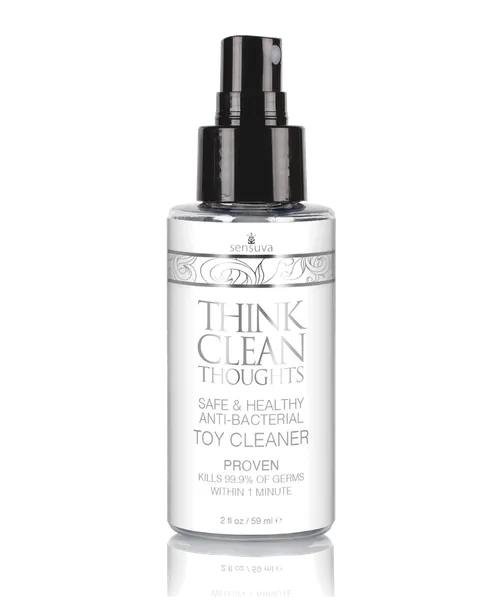
How to Store, Charge and Look After Your Sex Toys
Learn how to store and charge sex toys so they last: material-safe storage, battery care, charging fixes, travel tips and when it's time to replace a toy.

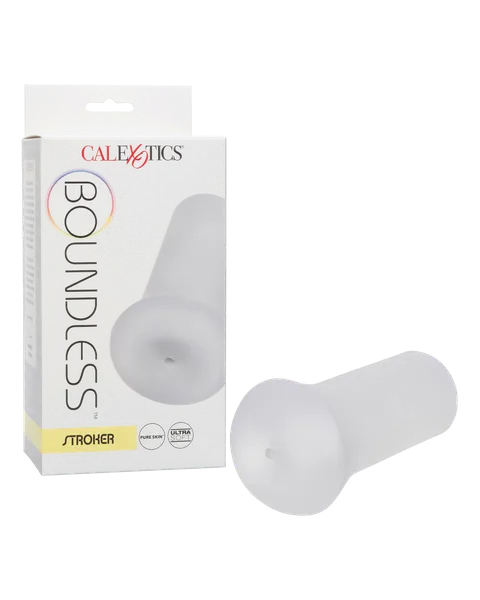
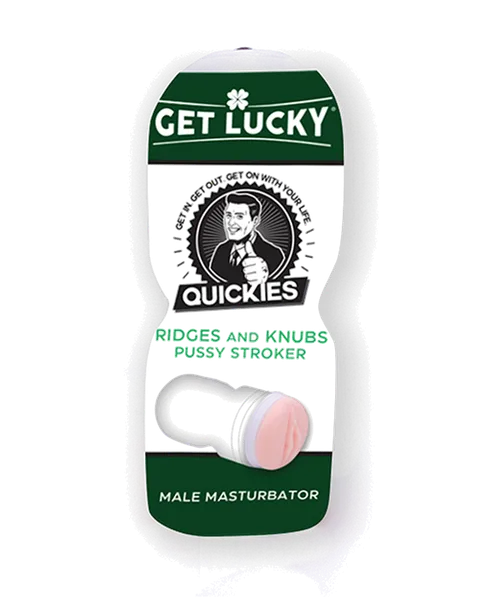
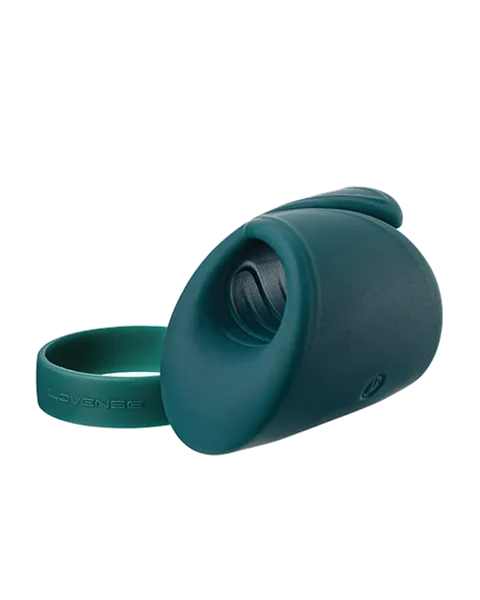
Strokers and Sleeves: How to Choose, Use and Care for Them
Strokers and sleeves explained: how to pick the right material, texture and tightness, use one comfortably, and clean, dry and store it so it lasts.

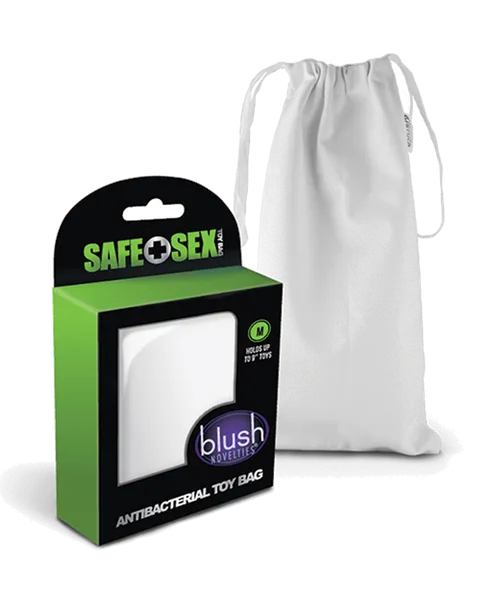
Sex Toy Materials Explained: Silicone, Glass, Metal, ABS & TPE
Sex toy materials explained: how silicone, glass, metal, ABS and TPE compare on feel, safety, lube compatibility and cleaning, and what to buy.

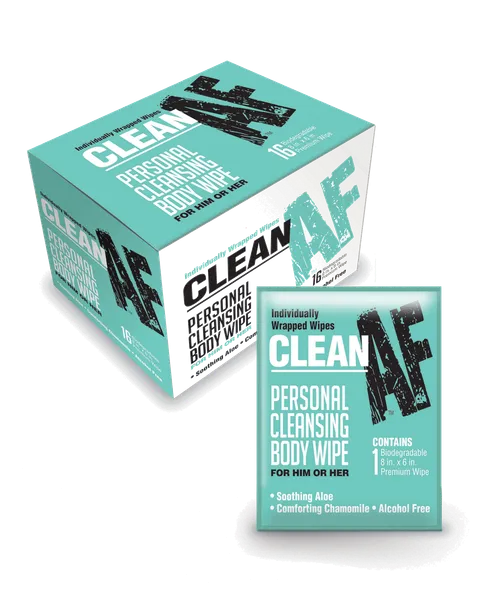
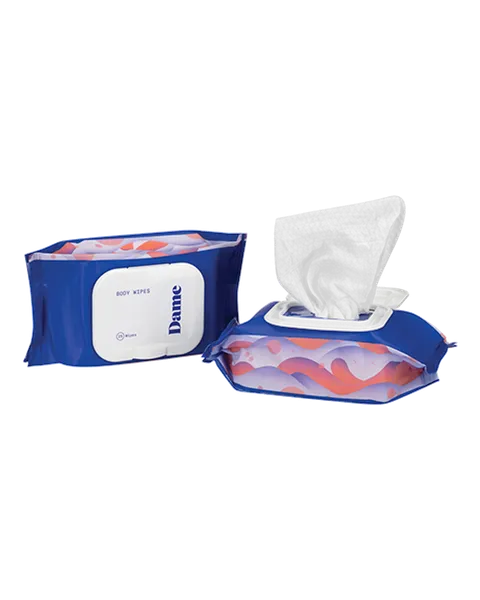
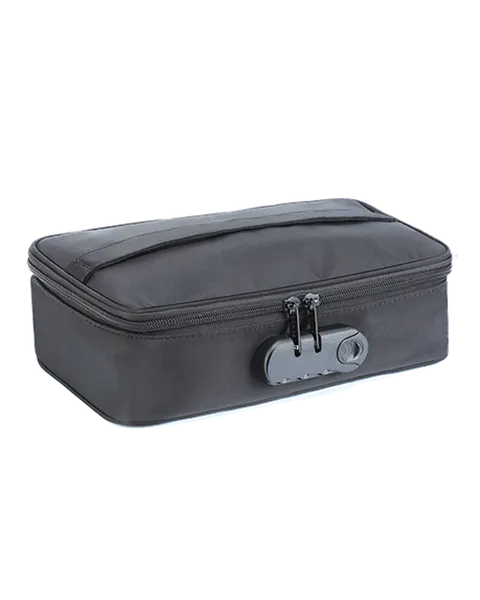
How to Clean Sex Toys (and Store Them) the Right Way
Learn how to clean sex toys by material, from silicone to TPE, care for vibrators safely, avoid common mistakes, and store your collection the right way.

What Does “Body-Safe” Actually Mean? A Toy Material Guide
What does body-safe actually mean? Learn which sex toy materials are non-porous, which to avoid, and how to spot vague labels before you buy.
Showing 6 of 6
Questions these guides answer
Are strokers safe to use?
Yes, for most people, when used with plenty of lube, cleaned after every use and replaced when they wear out. Choose a reputable brand, check the material and avoid sharing porous toys between partners unless you use a barrier. If you experience pain, numbness, broken skin or ongoing irritation, stop using the toy and talk to a clinician.
Can I use silicone lube with a stroker?
Only if the manufacturer says it's okay. Silicone lube can degrade silicone toys and some TPE blends, making them tacky or damaged over time. Water-based lube is the safe, compatible default for nearly every stroker. If you love silicone lube's staying power, save it for hand play or toys made of glass, metal or hard plastic.
How often should I replace my stroker?
There's no fixed timeline, because it depends on material, how often you use it and how well you clean and dry it. Replace it when you see tears, stubborn odor, discoloration or stickiness that won't go away. Porous TPE toys generally need replacing sooner than nonporous ones, so treat them as a consumable rather than a lifetime purchase.
Can I boil or put my stroker in the dishwasher?
No. Most strokers are made of TPE or similar soft materials that can warp, melt or break down with high heat. Stick to warm water and a dedicated toy cleaner or mild, fragrance-free soap, then let it dry completely. Boiling is only suitable for certain nonporous toys, and only when the manufacturer specifically says so.
Why does my stroker feel sticky?
Soft TPE and realistic skin-like materials naturally get a little tacky as oils in the material rise to the surface, especially after washing. Make sure it's fully dry, then use a toy-renewing powder if the manufacturer recommends one. If it stays sticky, smells or looks damaged despite care, it's time for a replacement.
Is a stroker the same as a penis sleeve?
Not always. A stroker is used for masturbation, either by hand or with a motor. A penis sleeve can also mean an extender worn over the penis during partnered sex to add girth or length. Check the product description to see which you're getting, since the two serve very different purposes.