Sexual Health
Body-positive, evidence-based answers on pleasure, comfort and sexual health at every stage of life. Practical guidance, with clear advice on when to talk to a clinician.
2 articles in Sexual Health tagged #menopause · Clear filters

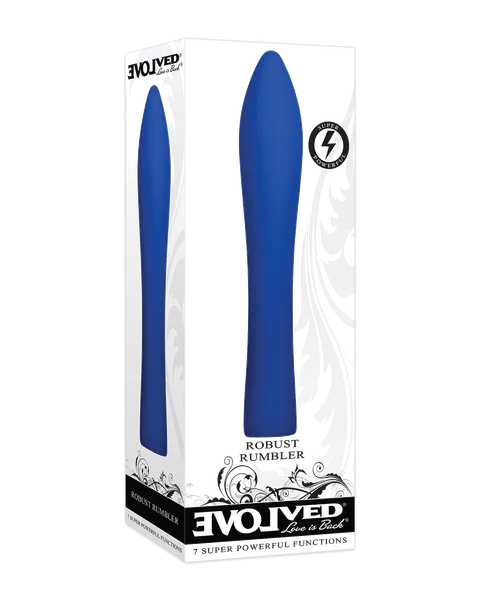
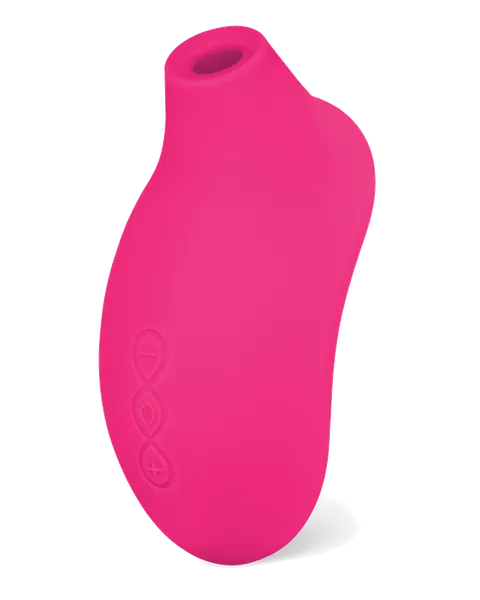
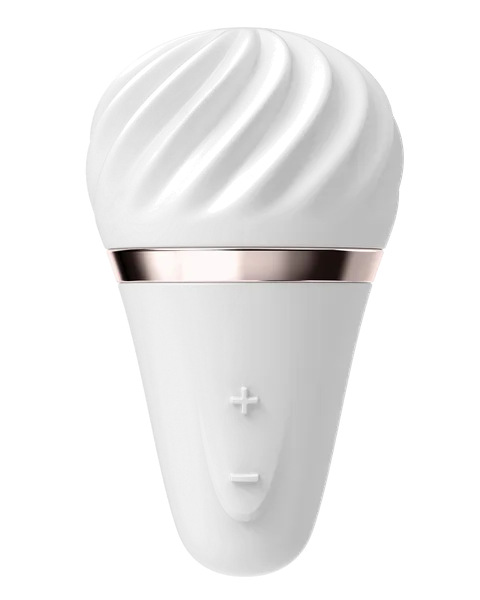
Menopause and Pleasure: What Changes and What Helps
Menopause and pleasure: how falling estrogen affects arousal, dryness and desire, plus the lubes, toys and clinician support that genuinely help.

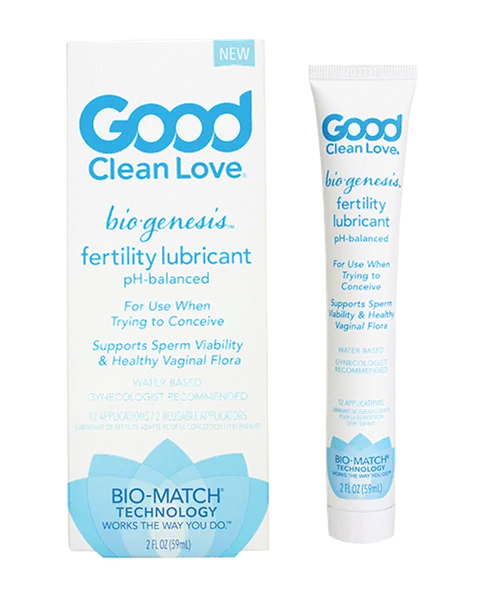
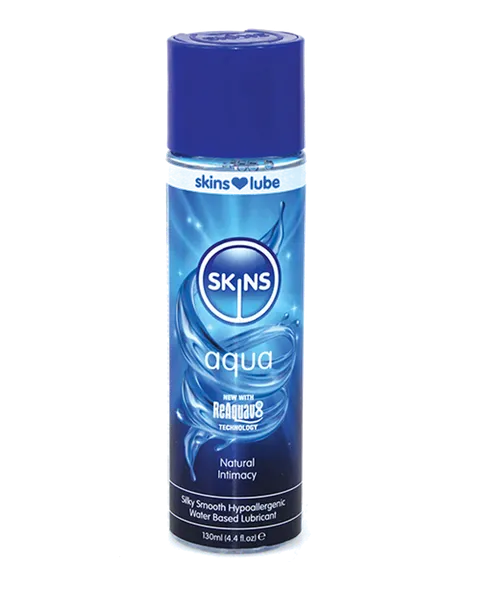
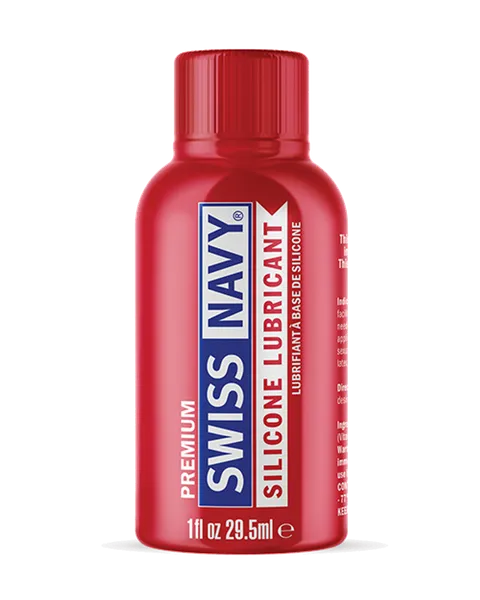
Vaginal Dryness: Causes, Relief & Choosing a Lubricant
Vaginal dryness is common and treatable. Learn the main causes, relief options, when to see a clinician, and how to choose a lubricant that suits you.
Showing 2 of 2
Questions these guides answer
Can you still orgasm after menopause?
Yes. Many people continue to have orgasms after menopause, though they may take longer or feel different. Reduced blood flow and sensitivity can mean you need more warm-up time and stronger or broader stimulation, such as a wand or air-pulse clitoral toy. If orgasm has become difficult and it bothers you, mention it to a clinician, since medications and other health factors can play a role.
Can stress or anxiety cause vaginal dryness?
Yes, it can contribute. Lubrication is part of the arousal response, and stress, anxiety, distraction or fatigue can make it harder for your body to respond. That doesn't mean anything is wrong with you or your relationship. Slowing down, extending foreplay and using lube generously often help. If stress-related dryness is affecting your wellbeing, a clinician or sex-positive therapist can be a good ally.
Is it normal to lose interest in sex during perimenopause?
It's common, but it isn't universal. Hormonal shifts, poor sleep, night sweats, stress and mood changes can all lower desire. Many people find their desire becomes more responsive, meaning it builds after touch begins rather than appearing out of nowhere. If low libido is causing you distress, talk to a clinician, who can review possible contributors such as medications or mood.
What's the difference between a vaginal moisturizer and a lubricant?
A lubricant is used right before and during sexual activity to reduce friction, and its effect is short-lived. A vaginal moisturizer is used regularly, on a routine, to help tissue hold moisture day to day, whether or not you're having sex. Many people with menopausal dryness use both. Look for gentle, fragrance-free formulas, and stop using anything that stings.
Is it normal to feel dry even when I'm turned on?
It's common. Feeling mentally aroused and producing lubrication don't always happen at the same time, and hormones, medications, hydration and your cycle all affect how wet you get. Using lube isn't a sign that something's missing; it's simply a comfort tool. If dryness is new, persistent or painful, it's worth checking in with a clinician.
Can I use coconut oil as lube?
Coconut and other oils break down latex condoms, so they aren't a safe choice if you rely on latex for contraception or STI protection. Oils can also be harder to rinse out, and some people find they irritate internal tissue. A purpose-made water-based, silicone or hybrid lube is usually a gentler option, while oils work nicely for external massage.