Sexual Health
Guides to toys and lubricants, body-positive sexual health answers, company news and stories from the Femme Journal, all searchable in one place.
1 article in Sexual Health tagged #perimenopause · Clear filters

Showing 1 of 1
Questions these guides answer
Can you still orgasm after menopause?
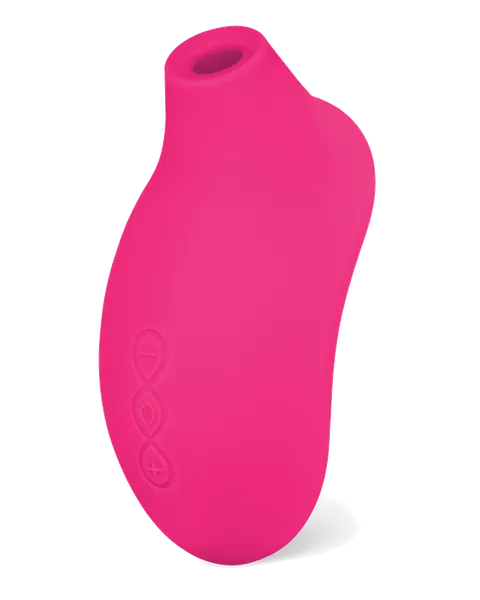
Yes. Many people continue to have orgasms after menopause, though they may take longer or feel different. Reduced blood flow and sensitivity can mean you need more warm-up time and stronger or broader stimulation, such as a wand or air-pulse clitoral toy. If orgasm has become difficult and it bothers you, mention it to a clinician, since medications and other health factors can play a role.
Is it normal to lose interest in sex during perimenopause?
It's common, but it isn't universal. Hormonal shifts, poor sleep, night sweats, stress and mood changes can all lower desire. Many people find their desire becomes more responsive, meaning it builds after touch begins rather than appearing out of nowhere. If low libido is causing you distress, talk to a clinician, who can review possible contributors such as medications or mood.
What's the difference between a vaginal moisturizer and a lubricant?
A lubricant is used right before and during sexual activity to reduce friction, and its effect is short-lived. A vaginal moisturizer is used regularly, on a routine, to help tissue hold moisture day to day, whether or not you're having sex. Many people with menopausal dryness use both. Look for gentle, fragrance-free formulas, and stop using anything that stings.
Is coconut oil okay to use as lube during menopause?
Some people use it, but there are caveats. Oils break down latex condoms, so they aren't suitable if you rely on condoms for STI protection. Some people also find oils irritating or linked to infections. A purpose-made water-based or silicone-based lube is usually the simpler choice. If you're prone to irritation or infections, ask a clinician what they recommend.
Do I still need contraception during perimenopause?
Pregnancy is still possible during perimenopause because ovulation can happen irregularly. Clinicians generally advise continuing contraception until menopause is confirmed. Ask your clinician when it's safe for you to stop, since the timing depends on your age and the method you use. Contraception also doesn't change STI risk, so condoms remain important with new or untested partners at any age.
Will using a vibrator make me less sensitive?
There's no widely accepted evidence that vibrators cause lasting loss of sensation. You might feel a little numb right after an intense session, but this typically fades quickly. Varying intensity and taking breaks can help. If you notice an ongoing drop in sensation, it's more likely related to hormonal or health changes than to your toy, so it's worth raising with a clinician.