Anatomy & Pleasure
Guides to toys and lubricants, body-positive sexual health answers, company news and stories from the Femme Journal, all searchable in one place.
2 articles in Anatomy & Pleasure · Clear filters


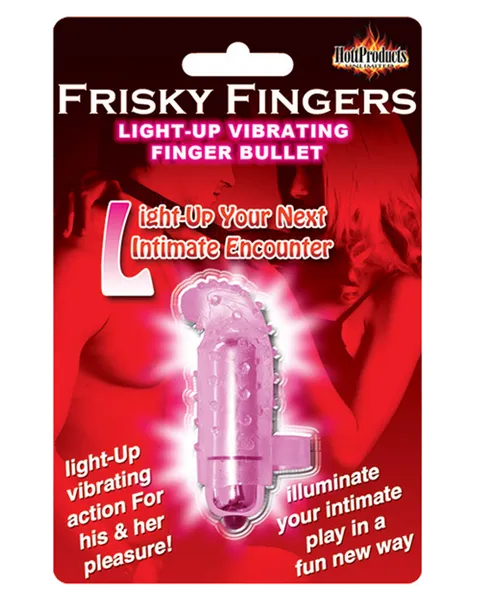
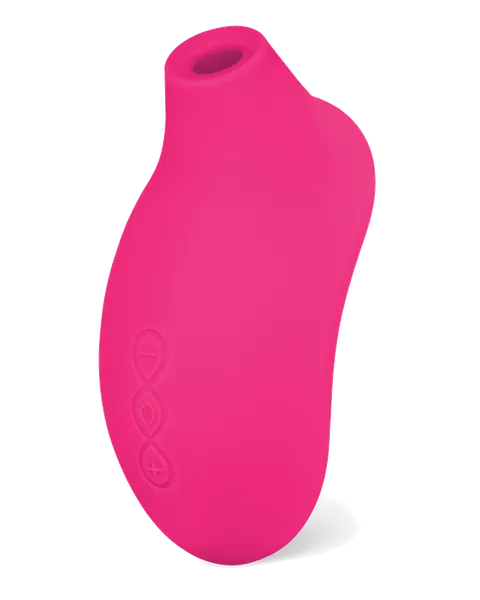
Trouble Reaching Orgasm? Causes and Practical Tips That Help
Trouble reaching orgasm? Learn the common physical, emotional and medication-related causes, practical tips that help, and when to talk to a clinician.

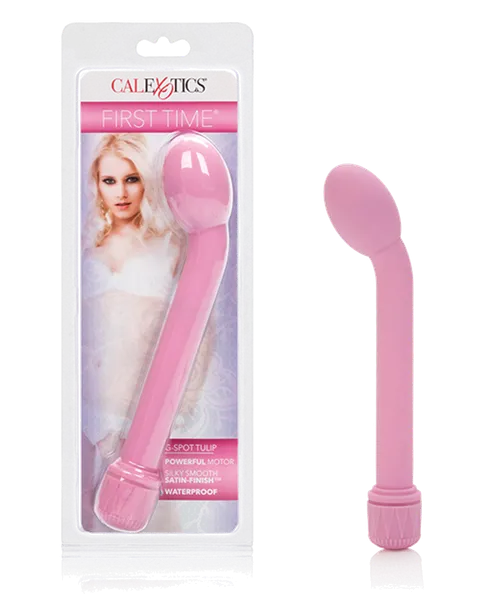
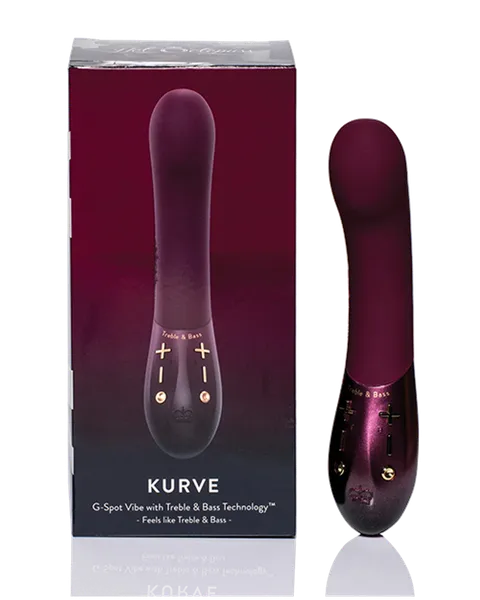
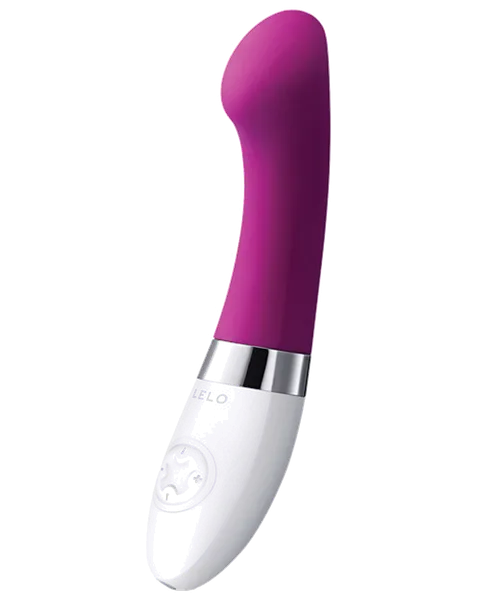
The G-Spot: What It Is, Where It Is & How to Find It
What is the G-spot, where is it, and how do you find it? A frank, body-positive guide to anatomy, techniques, toys and what to do if it's not your thing.
Showing 2 of 2
Questions these guides answer
Does everyone with a vagina have a G-spot?
Everyone with a vagina has the tissues that make up the G-spot area: the internal clitoris, the urethral sponge and Skene's glands. What varies is how sensitive that area is and how much you enjoy pressure there. Some people find it intensely pleasurable, some feel very little, and some prefer external stimulation entirely. All of those are normal responses, not signs that something is missing.
How long does it normally take to orgasm?
There's no correct amount of time, and it varies hugely between people and from day to day. Many people, especially those with a vulva, need longer warm-up than they expect. Worrying about taking too long tends to slow things down further, so focus on what feels good rather than the clock. If timing is causing you distress, a clinician or sex therapist can help.
How far inside is the G-spot?
For most people it sits roughly one to three inches inside the vagina on the front wall, the side facing your belly button. That's usually reachable with one or two fingers curled upward. Because the tissue swells with arousal, it can feel closer and more noticeable when you're turned on, so explore after a good warm-up rather than right away.
Can antidepressants stop you from having an orgasm?
Some can. Difficulty reaching orgasm is a well-known side effect of certain antidepressants, particularly SSRIs. Don't stop or adjust your medication on your own, as that can be risky. Talk to your prescriber instead; they may be able to review the dose, timing or type of medication. Depression itself can also affect desire and arousal, so it's worth discussing both.
Why do I feel like I need to pee during G-spot stimulation?
The G-spot area surrounds the urethra, so pressing on it can mimic bladder pressure, especially at first. Peeing beforehand helps you relax and trust the feeling, and many people find the urge fades or turns into pleasure as arousal builds. If you notice pain, burning or frequent urgency outside of sex, check in with a clinician to rule out an infection.
Can using a vibrator too often make you numb?
Some people notice temporary numbness after a long or very intense session, and sensation typically returns after a rest. This isn't generally considered a cause of lasting harm. Varying intensity, starting on lower settings and taking breaks can help. If numbness is persistent, appears without toy use, or comes with other symptoms, check in with a clinician.