Learn everything
Guides to toys and lubricants, body-positive sexual health answers, company news and stories from the Femme Journal, all searchable in one place.
2 articles tagged #water-based lube · Clear filters

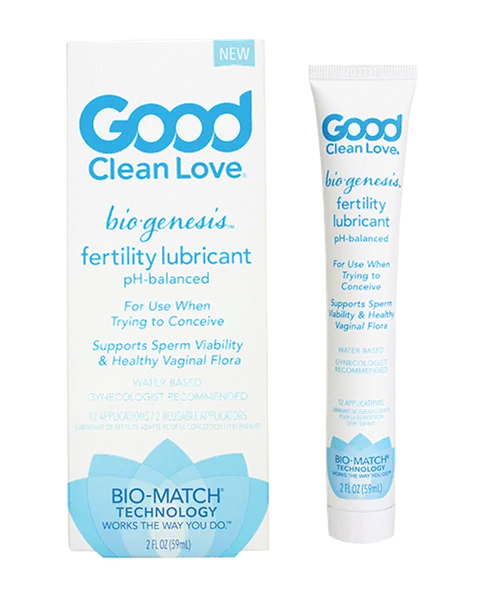
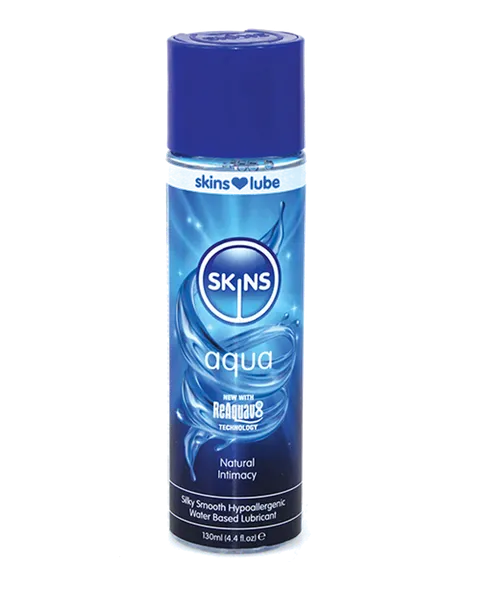
Vaginal Dryness: Causes, Relief & Choosing a Lubricant
Vaginal dryness is common and treatable. Learn the main causes, relief options, when to see a clinician, and how to choose a lubricant that suits you.

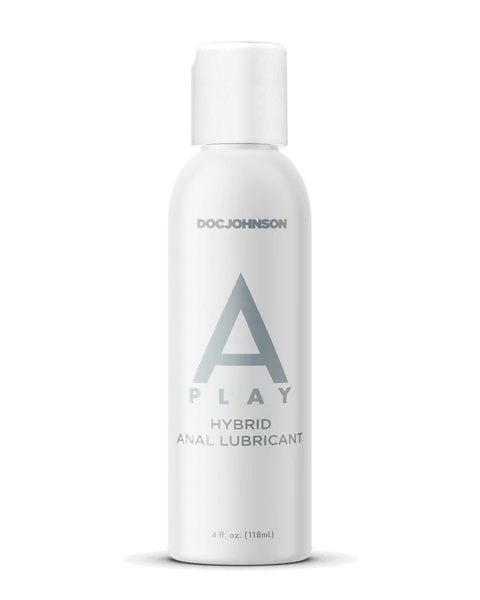
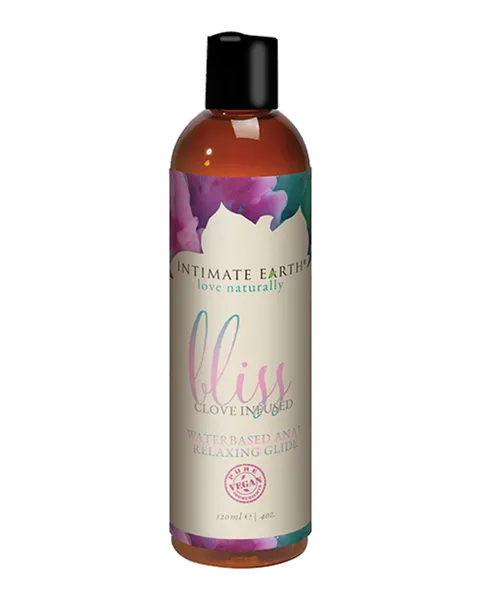
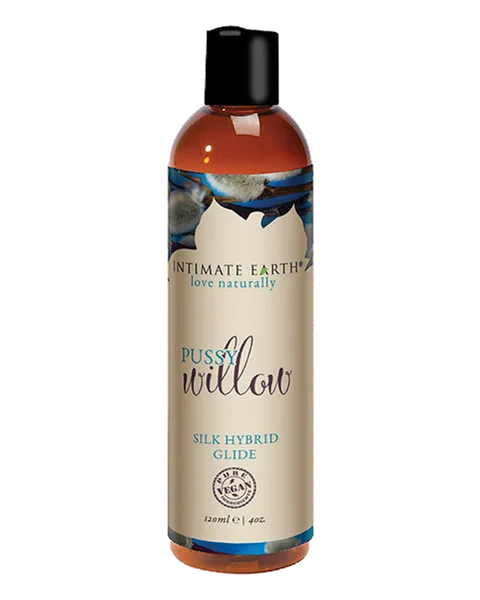
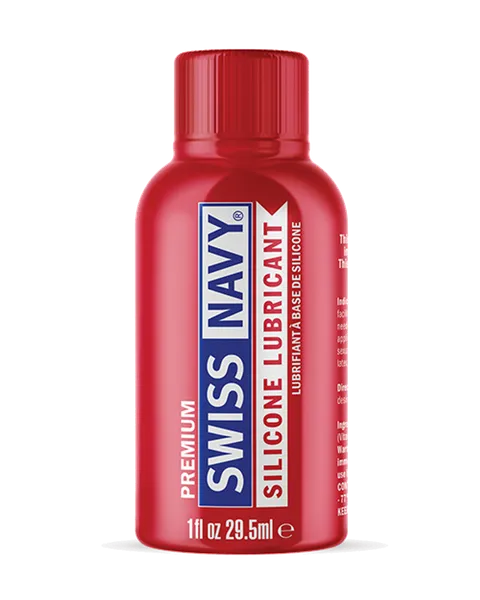
Water vs. Silicone Lube: The Only Guide You Need
Water vs. silicone lube: how they feel, how long they last, which toys and condoms they're safe with, and how to pick the right lube for every situation.
Showing 2 of 2
Questions these guides answer
Is water-based or silicone lube better?
Neither is better overall; they suit different moments. Water-based lube is the most versatile because it's safe with every toy and condom and washes off easily. Silicone lube lasts much longer and works in water, making it great for the shower and anal play. Many people keep a water-based bottle for everyday use and a silicone or hybrid lube for when they need extra staying power.
Can I use silicone lube with condoms?
Yes. Silicone lube is safe with latex, polyisoprene, polyurethane and nitrile condoms, so it's a good long-lasting option for safer sex. The type to avoid with latex is oil-based lube, which can weaken the material and make breakage more likely. If you use a hybrid that contains oil, check the label for condom compatibility before using the two together.
Why does silicone lube ruin some silicone toys?
Silicone lube can react with the surface of some silicone toys, especially lower-grade or blended silicone, leaving them sticky, soft or pitted. High-quality platinum-cured silicone is less likely to react. To be safe, spot test a small dab on the base of the toy overnight, then wash and check it. If anything changes, stick to water-based lube with that toy.
Why does my water-based lube get sticky?
Water-based lube gets tacky as its water evaporates or absorbs into your skin, leaving the thickeners behind. You can often revive it with a few drops of water or a little saliva rather than adding more lube. If it happens constantly, try a thicker gel or a hybrid formula, which tends to stay slippery longer while remaining easy to clean up.
What lube is best for sensitive skin?
Look for a simple water-based or hybrid formula with a short ingredient list and no fragrance, flavor, warming or numbing agents. Some people also prefer glycerin-free and paraben-free options. Patch test any new lube on your inner arm before intimate use. If irritation, burning or dryness continues, speak with a clinician, since it may have a cause beyond the lube itself.
Can stress or anxiety cause vaginal dryness?
Yes, it can contribute. Lubrication is part of the arousal response, and stress, anxiety, distraction or fatigue can make it harder for your body to respond. That doesn't mean anything is wrong with you or your relationship. Slowing down, extending foreplay and using lube generously often help. If stress-related dryness is affecting your wellbeing, a clinician or sex-positive therapist can be a good ally.