Sexual Health
Body-positive, evidence-based answers on pleasure, comfort and sexual health at every stage of life. Practical guidance, with clear advice on when to talk to a clinician.
2 articles in Sexual Health tagged #sexual health · Clear filters

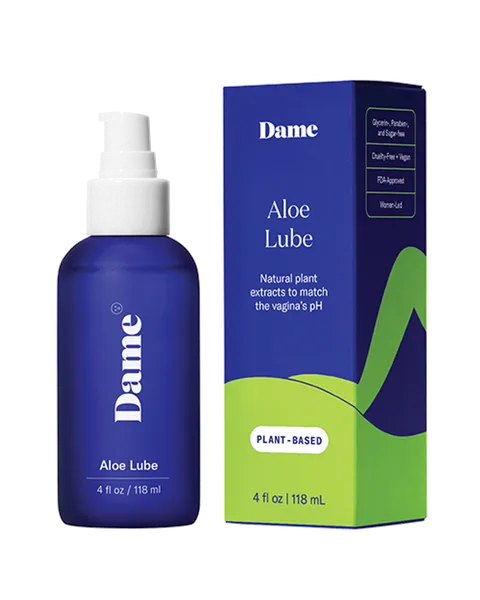
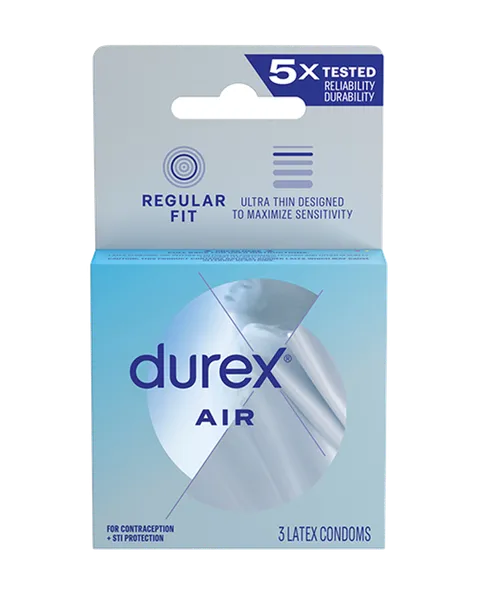
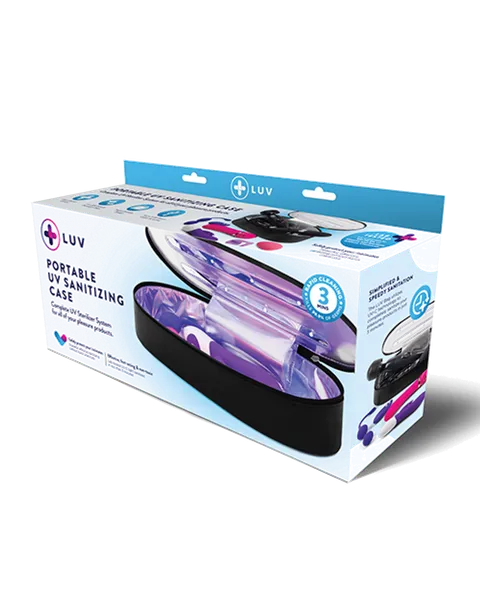
Safer Sex Basics: Condoms, Toys and STI Prevention Guide
Safer sex basics made simple: how to use condoms and lube correctly, share sex toys safely, prevent STIs, get tested, and know when to see a clinician.

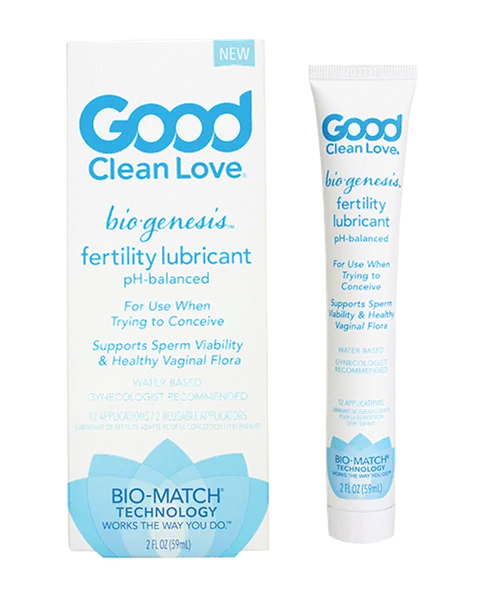
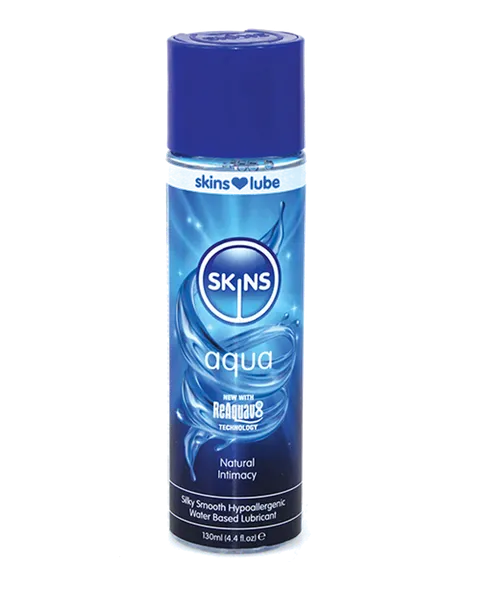
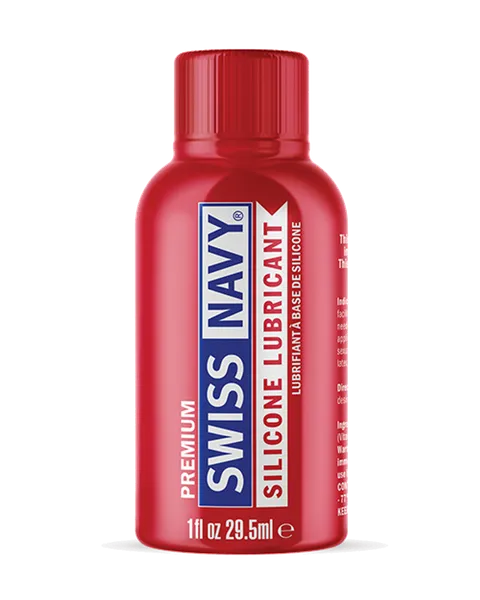
Vaginal Dryness: Causes, Relief & Choosing a Lubricant
Vaginal dryness is common and treatable. Learn the main causes, relief options, when to see a clinician, and how to choose a lubricant that suits you.
Showing 2 of 2
Questions these guides answer
Do condoms protect against all STIs?
No. Used correctly every time, condoms greatly reduce the risk of HIV and infections spread through fluids, like chlamydia and gonorrhea. They offer less protection against infections spread by skin-to-skin contact, such as herpes, HPV and syphilis, because those can affect skin the condom doesn't cover. Combining condoms with regular testing and vaccines like the HPV vaccine gives you broader protection.
Can stress or anxiety cause vaginal dryness?
Yes, it can contribute. Lubrication is part of the arousal response, and stress, anxiety, distraction or fatigue can make it harder for your body to respond. That doesn't mean anything is wrong with you or your relationship. Slowing down, extending foreplay and using lube generously often help. If stress-related dryness is affecting your wellbeing, a clinician or sex-positive therapist can be a good ally.
Can I use coconut oil or lotion with condoms?
Not with latex condoms. Oil-based products, including coconut oil, body lotion and petroleum jelly, can weaken latex and make it more likely to break. Stick to water-based or silicone-based lubes with latex. Polyurethane and nitrile condoms are compatible with oil, but oil can be harder to wash out and some people find it irritating, so water-based lube is the easiest all-rounder.
Is it normal to feel dry even when I'm turned on?
It's common. Feeling mentally aroused and producing lubrication don't always happen at the same time, and hormones, medications, hydration and your cycle all affect how wet you get. Using lube isn't a sign that something's missing; it's simply a comfort tool. If dryness is new, persistent or painful, it's worth checking in with a clinician.
Is it safe to share sex toys?
It can be, with a few habits. Put a fresh condom on the toy for each partner, change it whenever you switch between anal and vaginal use, and clean the toy thoroughly after every session. Non-porous materials like silicone, glass and stainless steel are easiest to clean. Porous toys are best kept to one person and always used with a condom.
Can I use coconut oil as lube?
Coconut and other oils break down latex condoms, so they aren't a safe choice if you rely on latex for contraception or STI protection. Oils can also be harder to rinse out, and some people find they irritate internal tissue. A purpose-made water-based, silicone or hybrid lube is usually a gentler option, while oils work nicely for external massage.