
 By Lilith 🖤
Key takeaways
- Agree on limits, a safeword and a non-verbal backup signal before any restraint goes on, and treat that conversation as part of the fun.
- Restraints should be snug but never tight: two fingers should slide underneath, and tingling, numbness, coldness or color change means release right away.
- Beginner-friendly gear such as padded cuffs, satin ties and under-the-bed systems is easier to escape quickly than metal handcuffs or rope.
- Keep safety shears, keys, water and a blanket within reach, and never leave a restrained partner alone, even for a moment.
- Check in throughout the scene and after it, because aftercare and a next-day debrief are how trust actually grows.
Safe bondage starts before anyone is tied up. Agree on limits and a safeword, add a non-verbal signal if speech may be limited, and choose quick-release restraints. Keep them loose enough to slide two fingers under, check in often, watch for numbness or color change, never leave a restrained partner alone, and finish with aftercare.
There is something undeniably thrilling about handing over control, or taking it, even for twenty minutes on a Tuesday night. Bondage plays with trust, anticipation and the delicious feeling of not quite being able to move. But the fun only works when everyone feels safe enough to relax into it.
The good news? Bondage safety is not complicated. It comes down to a few habits you build once and then use every time. This guide walks through the questions people actually search for, from picking a safeword to knowing when a cuff is too tight. If you are completely new, our beginner's guide to light bondage is a lovely companion read.
What does "safe" bondage actually mean?
Bondage simply means restricting someone's movement for pleasure, whether that is a silky tie around the wrists or a full under-the-bed setup. The person being restrained is often called the bottom, and the person doing the restraining is the top. Those labels are about roles in a scene, not about who you are outside the bedroom.
Safe bondage rests on three ideas:
- Informed consent. Everyone knows what is planned, agrees to it freely and can change their mind at any point. Consent given last week does not automatically cover tonight.
- Physical safety. Restraints protect circulation, nerves and breathing, and can come off fast.
- Emotional safety. Nobody is surprised by something they never agreed to, and feelings that come up afterwards get room to land.
You may also see the acronyms SSC (safe, sane and consensual) and RACK (risk-aware consensual kink). Both are shorthand for the same grown-up attitude: know the risks, talk about them and agree together. Planned Parenthood has helpful general guidance on consent and healthy relationships at plannedparenthood.org.
How do you choose a safeword?
A safeword is a word that means "stop now, no questions." It exists because during role play, "no" or "stop" might be part of the fantasy. A safeword cuts through the game instantly.
Pick something you would never say by accident
Good safewords are short, clear and completely out of context. Think "pineapple," "red" or the name of a city. Avoid anything that sounds like a moan or that you might shout in the heat of the moment.
Try the traffic light system
Many couples love the traffic light system because it gives more than just an off switch:
- Green: all good, keep going.
- Yellow: slow down, ease off or check in with me.
- Red: stop everything and release me.
Yellow is the underrated hero here. It lets the bottom adjust a scene without ending it, which makes people far more likely to speak up early.
Always have a non-verbal backup
If speech might be limited, by a gag, a pillow, or simply getting lost in the moment, agree on a non-verbal signal. Popular options include dropping a small object held in the hand (keys or a soft ball), tapping three times or humming a set pattern. Practise it once before the scene starts so it feels natural.
Honor it every single time
A safeword only works if it is respected instantly and without sulking. Stop, release, check in and thank your partner for using it. That reaction is what makes them trust you enough to go further next time.
What should you talk about before a bondage scene?
A short pre-scene chat, sometimes called negotiation, sets everyone up for a good time. It does not have to feel clinical. Try covering:
- Hard limits: things that are off the table, full stop.
- Soft limits: things you are curious about but nervous to try, which need extra care.
- Health notes: joint, wrist or shoulder issues, circulation problems, asthma, anxiety triggers or recent injuries.
- The plan: which restraints, how long, and whether blindfolds or sensation play are included.
- Signals: your safeword, traffic light colors and non-verbal backup.
- Aftercare wishes: cuddles, snacks, space, a shower together, whatever helps you come down.
Feeling shy about raising the topic at all? Our guide on suggesting a toy to your partner without awkwardness has scripts that work just as well for bondage.
How tight should restraints be?
Snug, never tight. The classic rule is the two-finger test: you should be able to slide two fingers between the restraint and the skin. Restraints are there to suggest helplessness, not to clamp down.
Signs a restraint is too tight
Release immediately and gently move the area if your partner notices:
- Tingling, "pins and needles" or numbness
- Hands or feet feeling cold
- Skin turning pale, blue, purple or very red
- Sharp, shooting or electric pain
- Weakness or difficulty moving fingers or toes
Protect the vulnerable spots
Nerves run close to the surface on the inner wrist, the outer wrist near the thumb, the elbow, the armpit and behind the knee. Spread pressure over a wider area by choosing padded or wide cuffs, and avoid positions that put weight on these spots for long. Arms held overhead can fall asleep quickly, so keep those positions short.
One firm rule: nothing goes around the neck. Not rope, not cuffs, not a playful scarf. Breathing and blood flow there are not worth any risk.
Which restraints are safest for beginners?
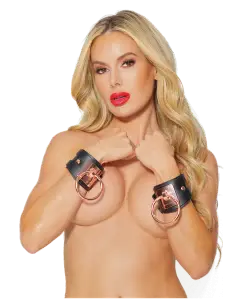
The safest restraints are the ones you can remove in seconds. That usually means hook-and-loop fasteners, buckles or simple ties rather than locks or knots. Browse the full bondage collection for options, or compare the main types below.
| Restraint type | Quick release? | Best for | Watch out for | Example |
|---|---|---|---|---|
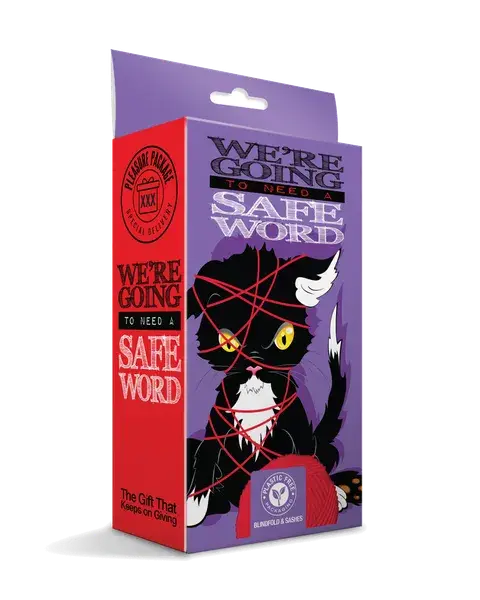
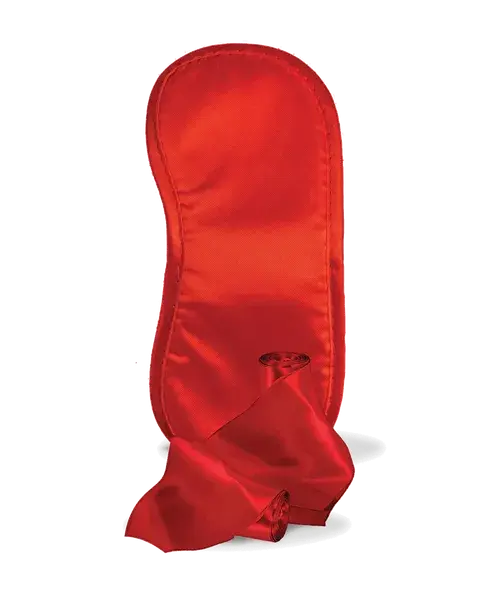
| Satin ties and sashes | Very easy | Total beginners, playful first scenes | Knots can tighten if pulled hard | Satin blindfold and wrist and ankle sash set |
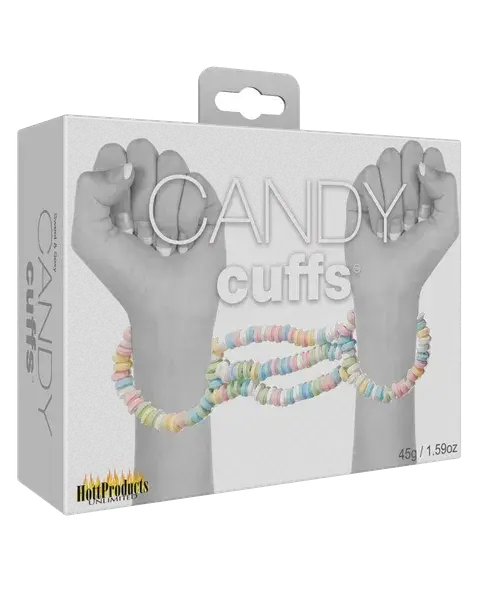
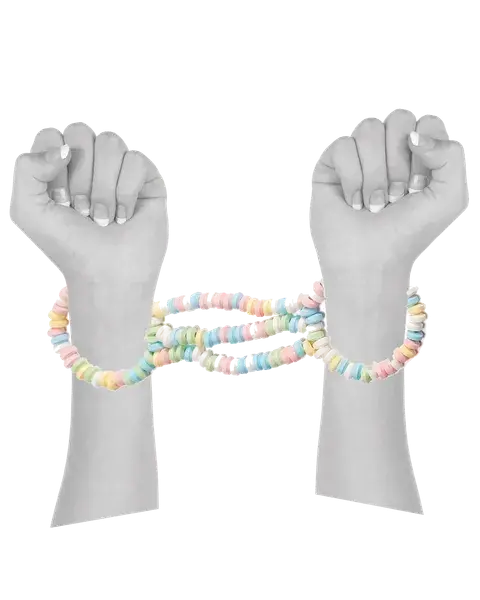
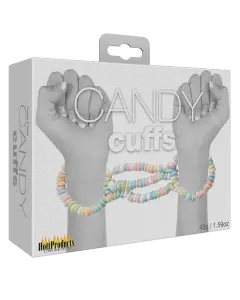
| Soft wrist cuffs | Easy | Comfortable, low-pressure wrist play | Check fit every few minutes | Candy Cuffs |
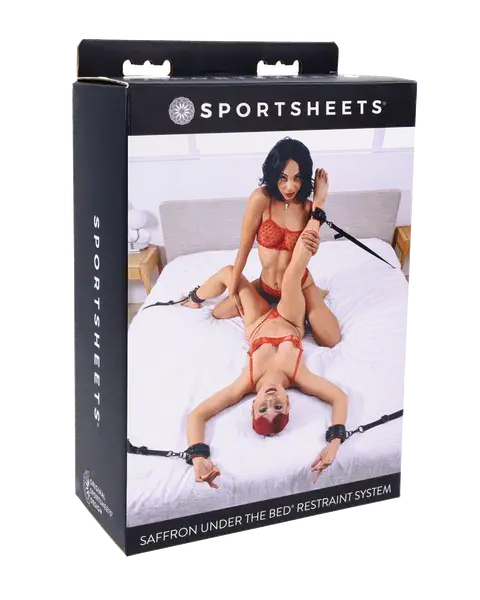
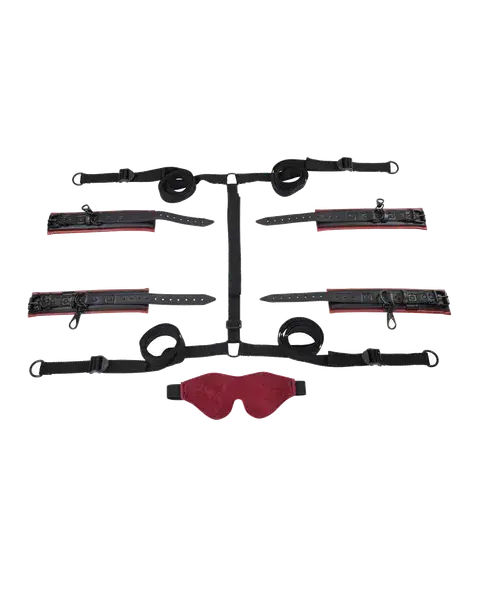
| Under-the-bed systems | Easy (straps adjust) | Spread-eagle positions without hardware | Fit the straps before anyone lies down | Saffron Under the Bed Restraint System |
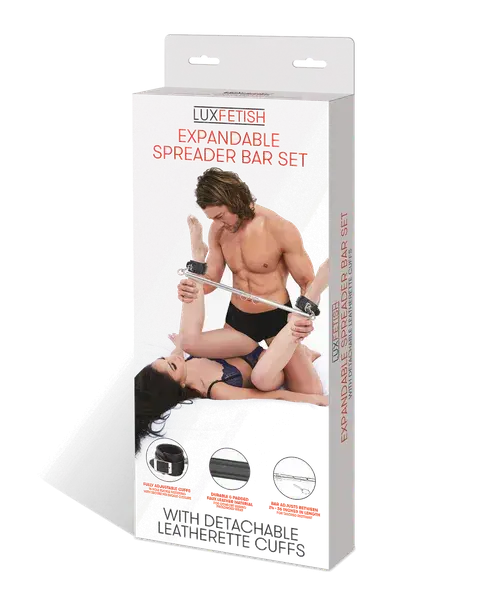
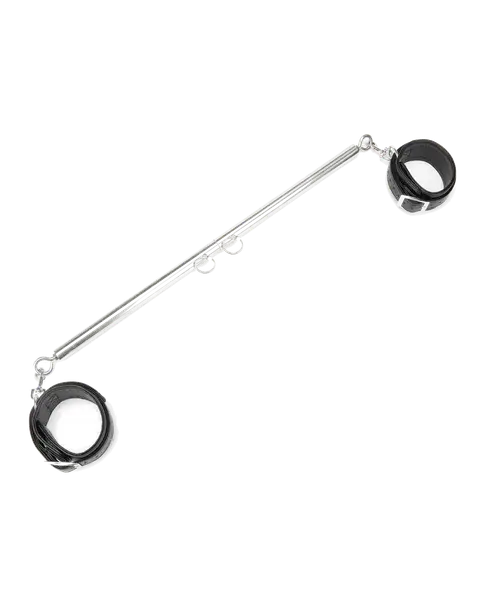
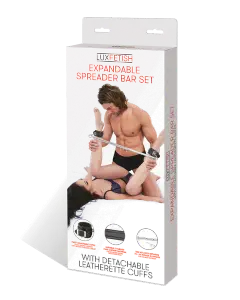
| Spreader bars | Moderate | Holding legs or arms apart | Strain on hips and knees over time | Lux Fetish Expandable Spreader Set |
| Metal handcuffs | Needs a key | Role play and the look of it | Can ratchet tighter; hard edges | Ouch Denim Metal Handcuffs |
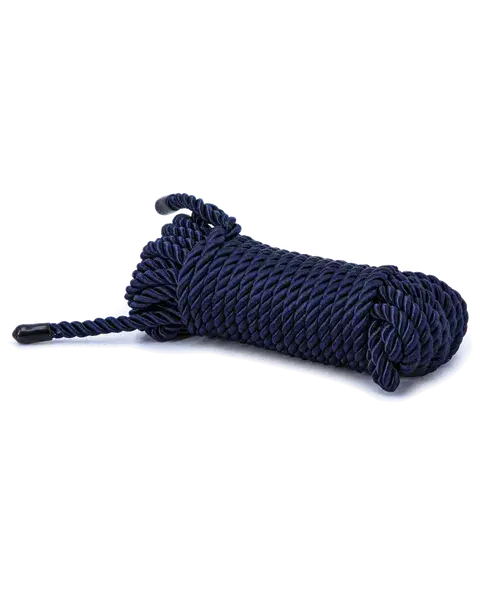
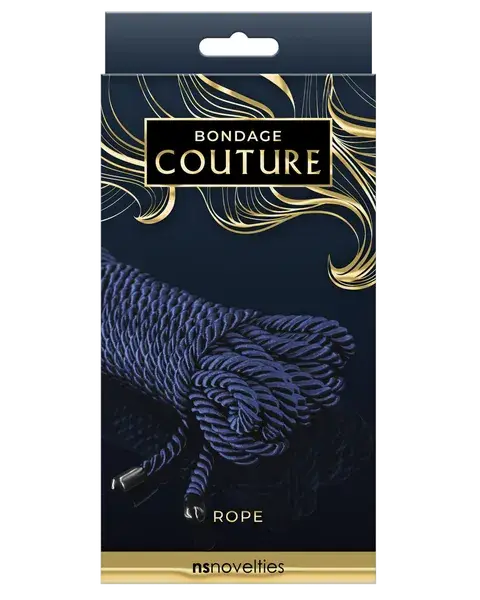
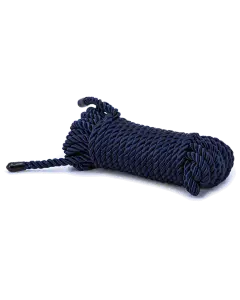
| Rope | Needs skill and shears | People ready to learn basic ties | Nerve compression, knots that jam | Bondage Couture Rope |
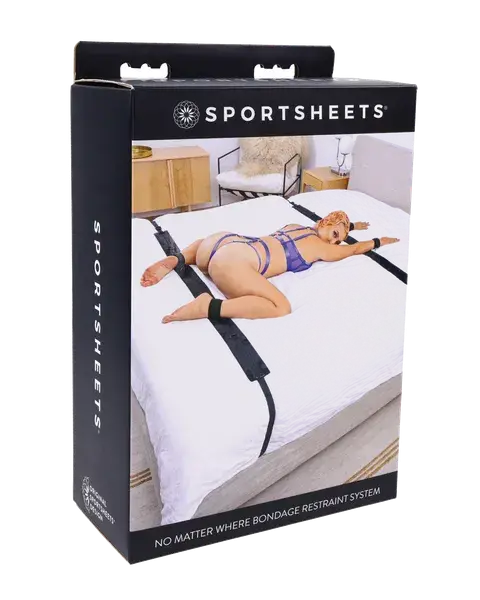
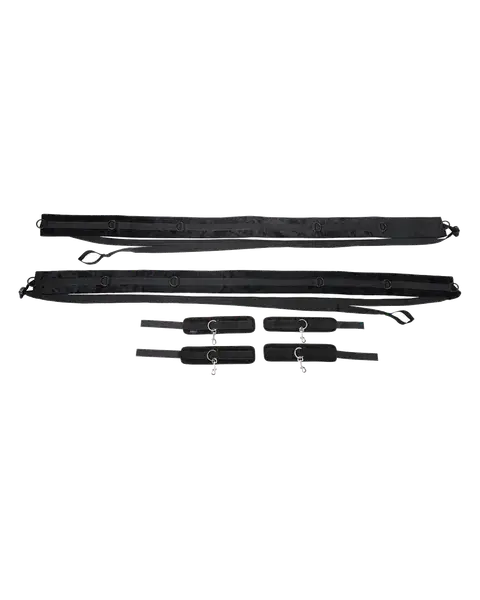
If you are weighing up bed systems against cuffs, we break it down further in under-the-bed restraints vs wrist cuffs. For something you can use on a bed, door or chair, the Sportsheets No Matter Where restraint system is a flexible pick.
A quick word on metal cuffs
Metal handcuffs look iconic, but they are not built for comfort. Many novelty styles can click tighter if the wearer struggles, and the edges press on wrist nerves. Keep scenes short, keep the key in plain sight, check whether yours has a double lock that stops the cuff tightening, and avoid letting your partner pull against them.
Rope is a skill, not a starter
Rope bondage is beautiful, but it takes practice. Learn a single-column tie from a reputable teacher before trying anything elaborate, keep ties off joints and never suspend anyone without proper training.
What should you keep nearby during bondage?
Think of this as your scene safety kit. Set it up before you start so nobody has to go hunting mid-moment:
- Safety shears: blunt-tipped medical or EMT shears from any pharmacy cut through rope, fabric and straps without nicking skin.
- Keys: for any lock, kept in one visible, agreed spot. A spare is smart.
- Water and a snack: scenes can be surprisingly draining.
- A blanket: people often feel cold once a scene ends.
- Your phone: charged and within reach of the top.
- Lube and toy care basics: grab what you need from toy care and essentials.
How often should you check in during a scene?
More often than you think, especially early on. A check-in is a quick moment to confirm your partner is still enjoying themselves and physically okay. It does not have to break the mood.
Verbal check-ins
A murmured "color?" works beautifully with the traffic light system. Or try "How are your hands?" and "Want more or less?" Short questions keep the energy flowing.
Physical check-ins
Every few minutes, squeeze your partner's fingers and ask them to squeeze back, touch their hands and feet to feel for coldness, and glance at skin color around the restraints. If anything seems off, loosen first and ask questions second.
Set a time limit
For early scenes, keep any single position to around 15 to 20 minutes, then shift or release. Bodies stiffen and limbs fall asleep, and limits are easier to stretch next time than to undo.
The golden rule
Never leave a restrained person alone. Not to grab a drink, not to answer the door. If you must step away, release them first.
Is it safe to combine blindfolds, gags and restraints?
Yes, with extra care. Each layer you add reduces how easily your partner can communicate or react, so add one at a time and build trust as you go.
Blindfolds
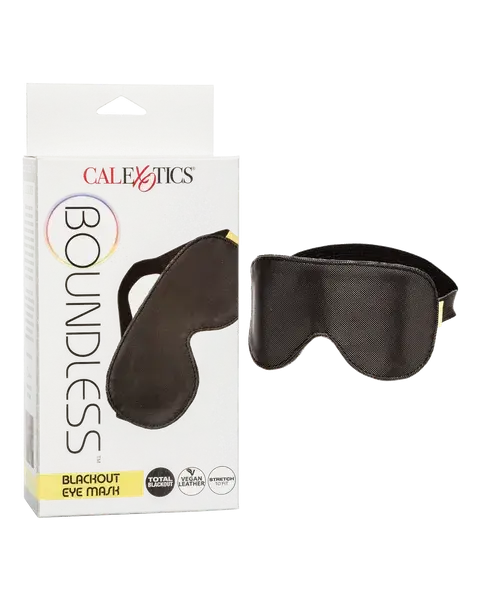
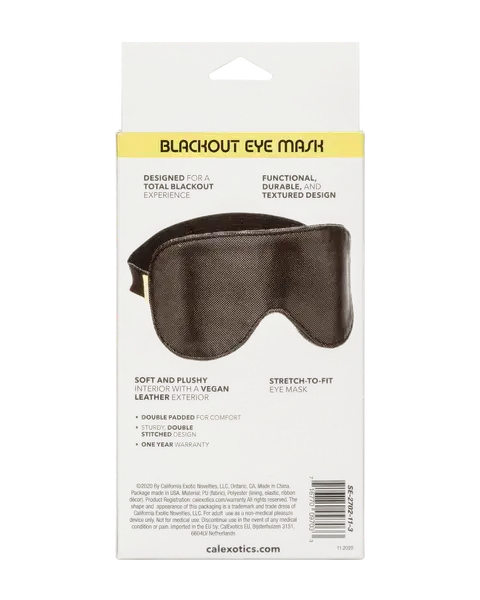
Taking away sight heightens every touch, which is why blindfolds are one of the gentlest ways to start. A comfortable option like the Boundless Blackout Eye Mask or the Satin Fantasy Blindfold stays soft against the skin. Keep talking to a blindfolded partner so they know where you are, and describe what you are about to do before you do it.
Sensation play
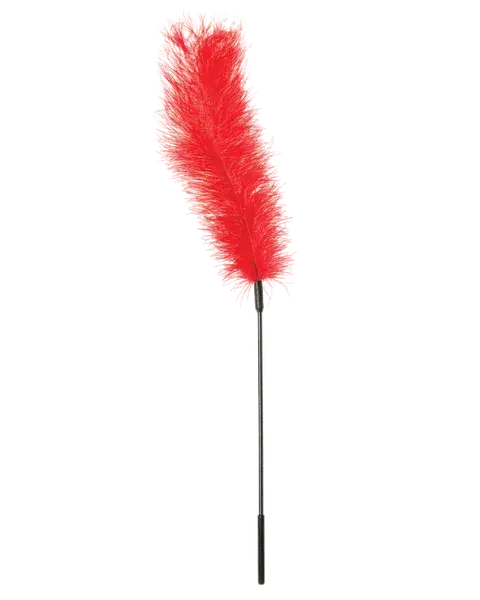
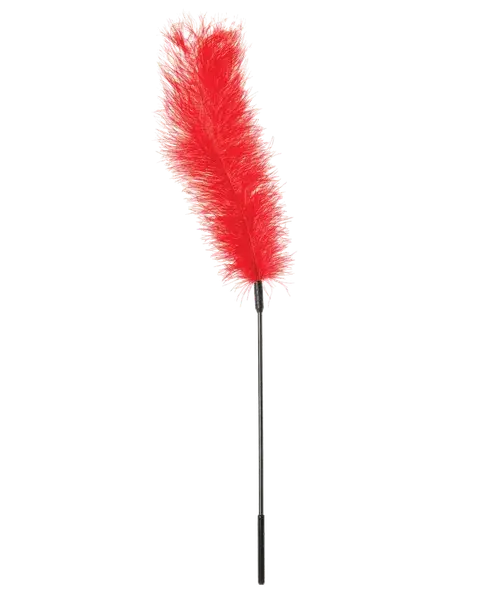
Pair a blindfold with contrasting textures: the barely-there tease of a Sportsheets ostrich feather tickler, the prickly glove-on feel of spiked sensory mitts or the rolling tingle of a stainless steel pinwheel. Start light, ask what feels good and avoid broken skin.
Gags
Gags are best saved until you have a few scenes under your belt. If you try one, choose a breathable style like the Ouch Breathable Ball Gag, make sure your partner can breathe easily through their nose, and skip it entirely if they have a cold, allergies or anxiety about breathing. A non-verbal signal is essential, not optional, once a gag is in.
Clamps and impact
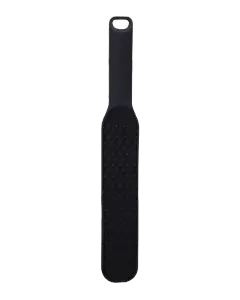
Nipple clamps restrict blood flow by design, so keep wear short and remove them slowly, since sensation often peaks on release. If paddles are on the menu, our guide to spanking and safe impact play covers where to aim and where to avoid.
What happens after the restraints come off?
The scene is not over when the cuffs come off. Aftercare is the time you spend reconnecting and caring for each other after intense play. It can include gently rubbing wrists and ankles, a blanket, water, cuddling and simply talking.
Some people feel a dip in mood hours or even a day later, sometimes called a "drop." A text or quick chat the next day helps. Our full aftercare guide goes deeper, and a warm massage oil from massage and candles makes the comedown extra sweet.
Later, have a relaxed debrief: what did you love, what would you change, what do you want to try next? Then clean your gear following our toy cleaning guide.
When should you talk to a clinician?
Mild redness or faint marks that fade within a day are common. But check in with a doctor if numbness, tingling or weakness lasts more than a few hours, if you notice swelling or bruising that worsens, or if you have any pain that will not settle. Anyone with heart, circulation, nerve or joint conditions may want a quick chat with their clinician before trying restraints. If mobility is a factor, our guide to accessible sex toys has adaptable ideas.
Ready to build your first kit?
Start simple: a blindfold, a soft set of cuffs or ties and one sensation toy. Explore more ideas in our couples collection, and mix and match with Build Your Own Bundle to save. Every order ships in a plain, discreet box with a neutral billing name, shipping is free over $79, and you will earn rewards points along the way.
The best bondage is not about how tight the knots are. It is about how safe everyone feels letting go.
Frequently asked questions
What is a good safeword for beginners?
Choose a short word you would never say during sex, such as "red," "pineapple" or a city name. Many couples use the traffic light system: green means keep going, yellow means slow down or check in, and red means stop immediately. Whatever you pick, agree on it before the scene, add a non-verbal backup signal, and respect it instantly every time it is used.
How do you use a safeword if you are gagged?
Agree on a non-verbal signal before the gag goes in. Common options are dropping a small object held in the hand, tapping three times on your partner or the bed, or humming a set pattern. Practise it once so it feels natural. The top should also watch body language closely and check in often with yes-or-no questions your partner can nod or shake their head to.
How long can you safely stay in restraints?
There is no single safe number, because it depends on the restraint, the position and the person. For beginners, around 15 to 20 minutes in one position is a sensible starting point, with regular circulation checks throughout. Overhead arm positions and metal cuffs need shorter limits. Release right away if there is tingling, numbness, coldness or color change, and never leave a restrained partner alone.
Are fuzzy or metal handcuffs safe for bondage?
Novelty metal handcuffs can be used briefly, but they are not the most beginner-friendly choice. Many can tighten if the wearer struggles, and hard edges press on wrist nerves. Keep the key visible, check for a double lock, avoid pulling against them and keep scenes short. Padded cuffs, satin ties or hook-and-loop restraints are gentler and much quicker to remove.
What should I do if my hands go numb during bondage?
Say your safeword or yellow, and have your partner release the restraint immediately. Gently wiggle your fingers, shake out your hands and let circulation return. Most pins and needles fade within minutes. If numbness, weakness or tingling lasts more than a few hours, or you cannot move your fingers normally, contact a doctor, as nerves can be compressed by restraints.
Do you need safety scissors for bondage?
Yes, keep a pair of blunt-tipped safety or EMT shears within reach whenever you use rope, fabric ties or anything with knots. They cut through material quickly without risking the skin underneath, which matters if a knot jams or someone feels unwell. They are inexpensive at most pharmacies. For cuffs with locks, keep the key and a spare in one agreed, visible place.
Is aftercare necessary after light bondage?
Even light bondage can bring up strong emotions or physical tiredness, so some aftercare is always a good idea. It can be as simple as removing restraints gently, rubbing wrists, offering water and a blanket, and cuddling or talking. Checking in the next day helps too, since some people feel a mood dip later. Ask your partner what they need, as aftercare looks different for everyone.

Browse more bondage, all shipped in a plain box with discreet billing.