Sexual Health
Body-positive, evidence-based answers on pleasure, comfort and sexual health at every stage of life. Practical guidance, with clear advice on when to talk to a clinician.
1 article in Sexual Health tagged #safer sex · Clear filters

Showing 1 of 1
Questions these guides answer
Do condoms protect against all STIs?
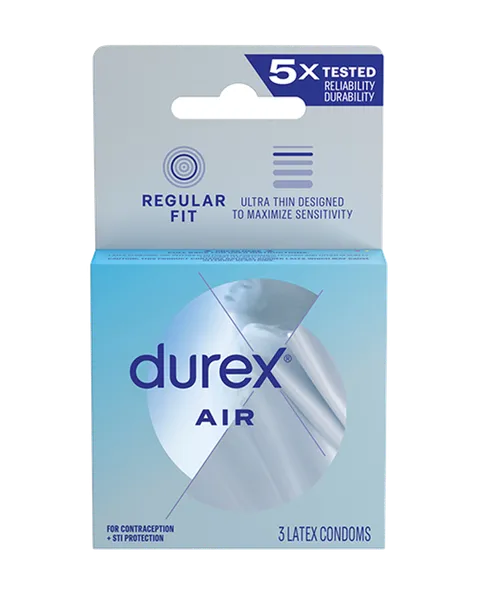
No. Used correctly every time, condoms greatly reduce the risk of HIV and infections spread through fluids, like chlamydia and gonorrhea. They offer less protection against infections spread by skin-to-skin contact, such as herpes, HPV and syphilis, because those can affect skin the condom doesn't cover. Combining condoms with regular testing and vaccines like the HPV vaccine gives you broader protection.
Can I use coconut oil or lotion with condoms?
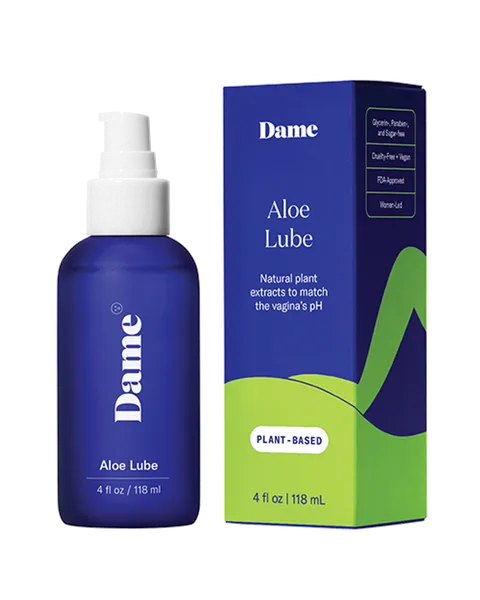
Not with latex condoms. Oil-based products, including coconut oil, body lotion and petroleum jelly, can weaken latex and make it more likely to break. Stick to water-based or silicone-based lubes with latex. Polyurethane and nitrile condoms are compatible with oil, but oil can be harder to wash out and some people find it irritating, so water-based lube is the easiest all-rounder.
Is it safe to share sex toys?
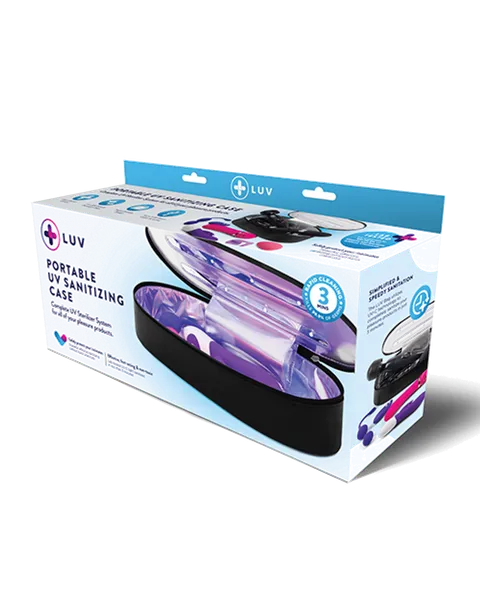
It can be, with a few habits. Put a fresh condom on the toy for each partner, change it whenever you switch between anal and vaginal use, and clean the toy thoroughly after every session. Non-porous materials like silicone, glass and stainless steel are easiest to clean. Porous toys are best kept to one person and always used with a condom.
What should I do if a condom breaks?
Stay calm and act quickly. Contact a clinician, pharmacist or sexual health clinic as soon as you can. Emergency contraception and HIV post-exposure prophylaxis (PEP) are both time-sensitive, and PEP must start within 72 hours. You may also want STI testing, timed according to when the exposure happened, so tell the clinic the date.
How soon after sex can I get tested for STIs?
It depends on the infection. Each one has a window period, the time between exposure and when a test can reliably detect it. Testing too early can give a false negative. Tell your clinician or clinic when the possible exposure happened, and they'll advise which tests to do now and whether you should come back for a repeat test later.
Do I need protection for oral sex?
Several STIs, including herpes, gonorrhea and syphilis, can pass through oral sex. Using a condom on a penis or a dental dam on a vulva or anus lowers that risk. If you don't have a dental dam, a condom cut lengthwise can work as one. Avoid brushing or flossing right before oral sex, since tiny cuts in your mouth may raise the risk.