Toy Care & Cleaning
Guides to toys and lubricants, body-positive sexual health answers, company news and stories from the Femme Journal, all searchable in one place.
1 article in Toy Care & Cleaning tagged #sex toy lifespan · Clear filters


Showing 1 of 1
Questions these guides answer
Do sex toys expire?
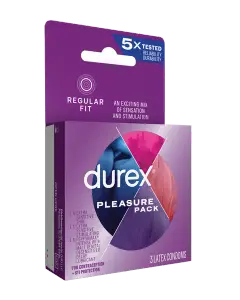
Most toys don't have an official expiry date, but they do wear out. Non-porous glass and stainless steel can last almost indefinitely. Silicone can last for years, while porous TPE and jelly often degrade within months. Electronics fade as batteries age. Condoms, lubes and arousal products do carry printed expiry dates, so check the packaging and replace anything past its date.
Can you put sex toys in the recycling bin?
Usually not. Most toys combine materials that curbside recycling can't separate, and lithium-ion batteries can be a fire risk in household waste. Take rechargeable or battery-powered toys to an e-waste or battery drop-off. Stainless steel can often go to scrap-metal recycling. For silicone and other materials, check whether the brand runs a take-back scheme, or put the toy in general waste.
How long does a rechargeable vibrator battery last?
It varies by toy and by how you charge it. Many rechargeable vibrators give several years of regular use before you notice shorter run times. You can help the battery by using the original cable, unplugging once it's charged and topping up stored toys every few months. If the toy swells, overheats or smells like burning, stop using it right away.
Is it safe to buy, sell or share used sex toys?
Buying or selling used toys isn't recommended, especially porous ones, because bacteria can stay in the material even after cleaning. Non-porous toys can be shared between partners if you clean them thoroughly in between. A fresh condom over the toy for each person adds another layer of protection. If you're unsure about a toy's history or condition, replace it.
Should I replace my toys after an infection?
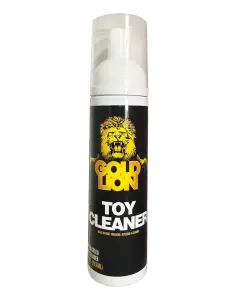
Porous toys made of TPE, jelly or rubber are hard to fully disinfect, so replacing them after an infection is a sensible precaution. Non-porous toys can usually be cleaned thoroughly with soap and water or a toy cleaner. If an infection keeps coming back, talk to a clinician, because they can help you work out whether a toy, a product or something else is involved.
Does silicone lube ruin silicone toys?
It can. Silicone lube may degrade some silicone toys over time and leave the surface tacky or uneven. Water-based lube is the safe default for silicone toys. If you prefer silicone lube, patch-test it on the base of the toy first and watch for any change in texture before using the two together regularly.